// printf("Hell0 W0rld / 전 세계 여러분 안녕하세요 / 你好,世界 / Merhaba Dünya / مرحبا بالعالم / Olá Mundo / こんにちは世界 / всем привет");
W3LCOME
ARTHUR TALON BARBOSA
Man: He/Him
CHEM & BIO ENGINEER
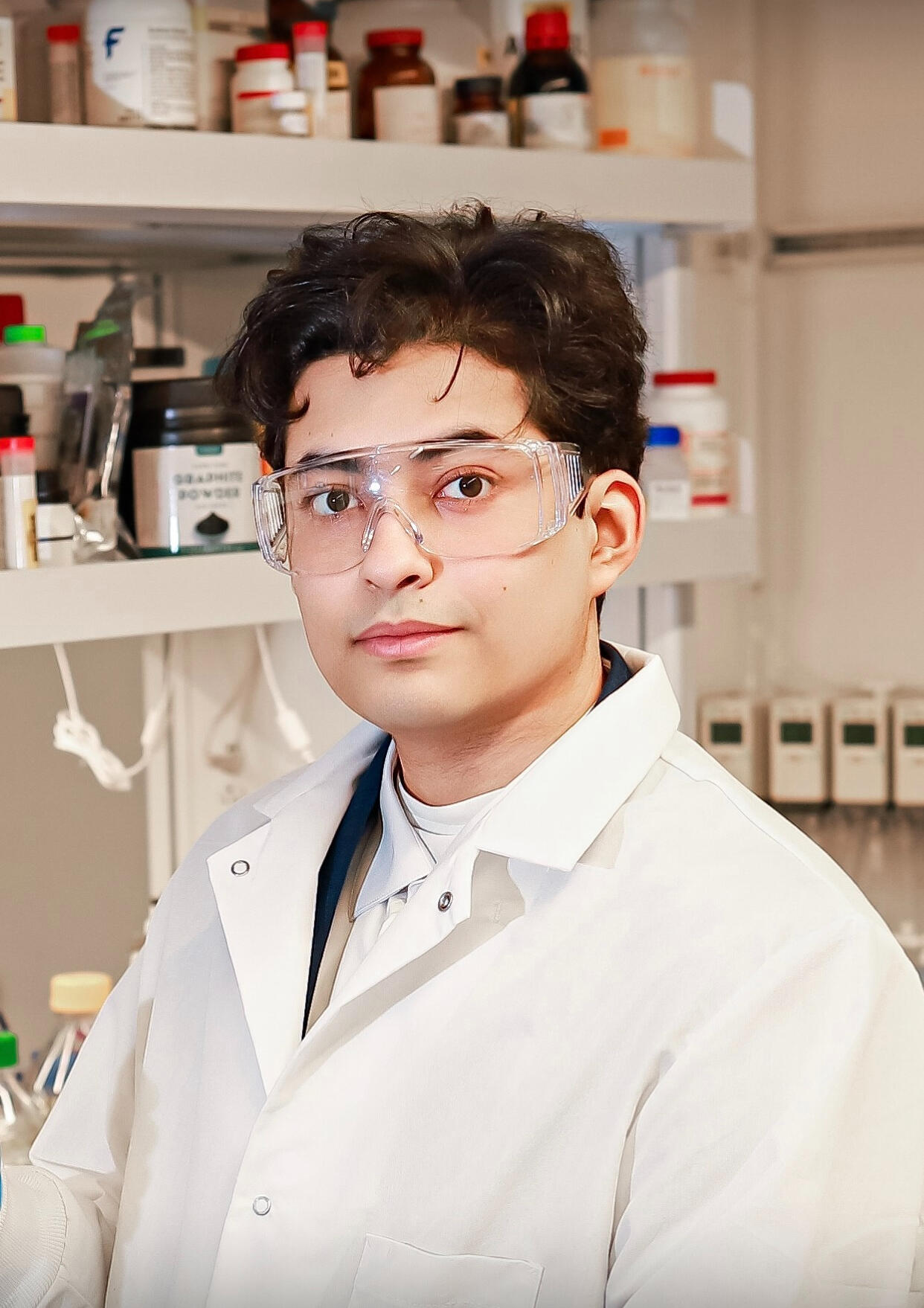
23 Years Old
I completed my secondary school at American Heritage School, Plantation, Florida. I graduated from New York University in Brooklyn, NY with a Chemical and Biomolecular Engineering (CBE) with a Biomolecular Science (BMS) minor.
Solving problems is what I enjoy most in life. To be a good problem solver, one needs two things: to truly understand what needs to be solved and knowing what tools are available to solve it effectively. Given that, my critical thinking skills assist me in carefully dissecting any problem, while my wide range of knowledge serves as my tools to efficiently solve them.
With a diverse background in multiple subjects like Economics, Harness Engineering, Computer Electronics, Public Policy, Marketing, Medicine and Research I intend to tackle the hardest unsolved problems in any field during my career.
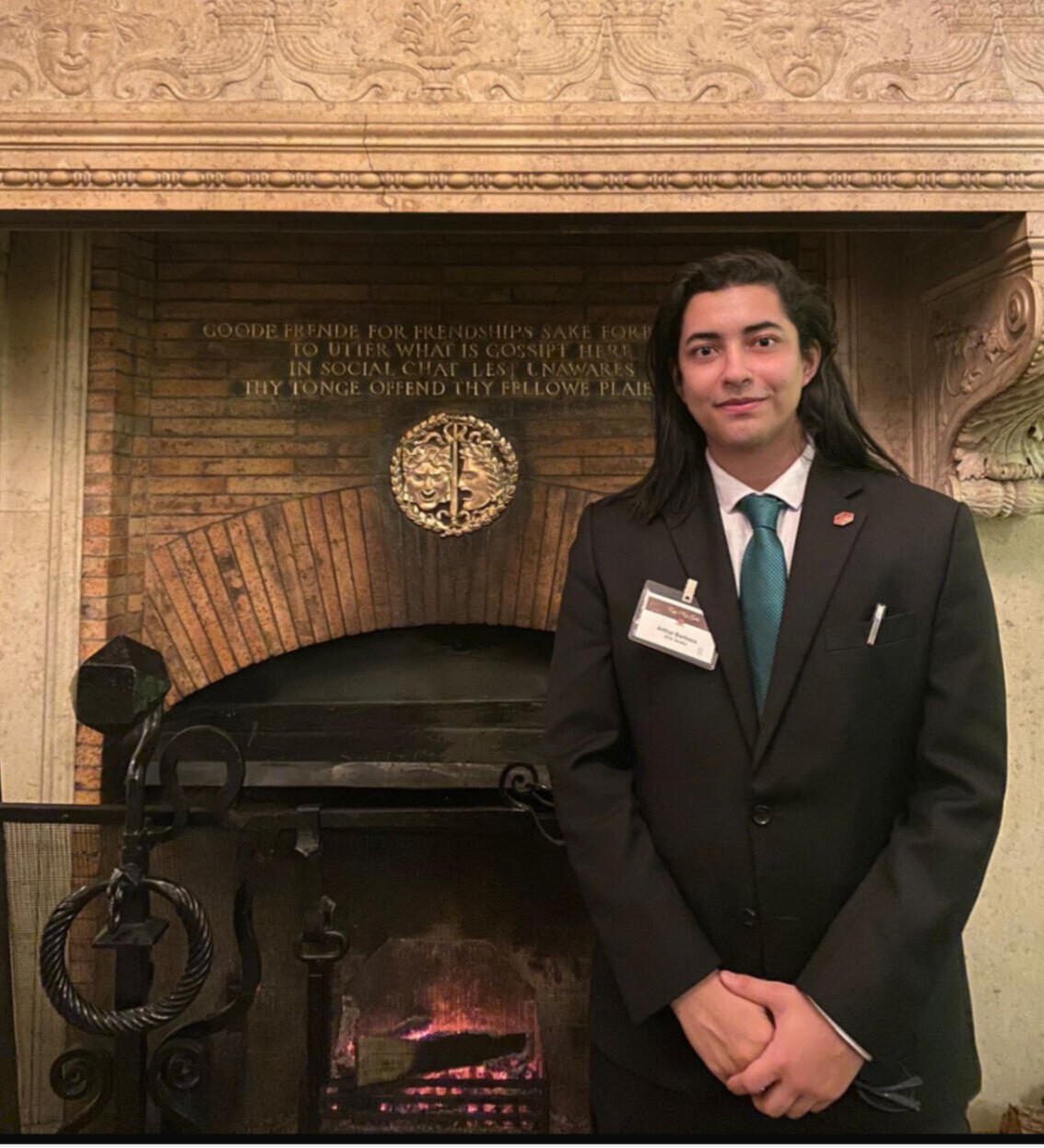
My best skill is communication. I am used to having multiple problems with limited time and resources to solve. Being able to make connections easily provides me with great advantages in my realm of work.
Whether our paths ended in friendship, distance, understanding, or conflict, each connection carried meaning, and for that I remain grateful.Quote: You do not need to be number 1. You can be number 999 tired, doubted, and overlooked—but if you keep taking one more step when others stop, you may still reach places they never will.
Skills
Besides speaking Portuguese, Spanish, English, and moderate Mandarin here is a list of other qualities I endow.
Business
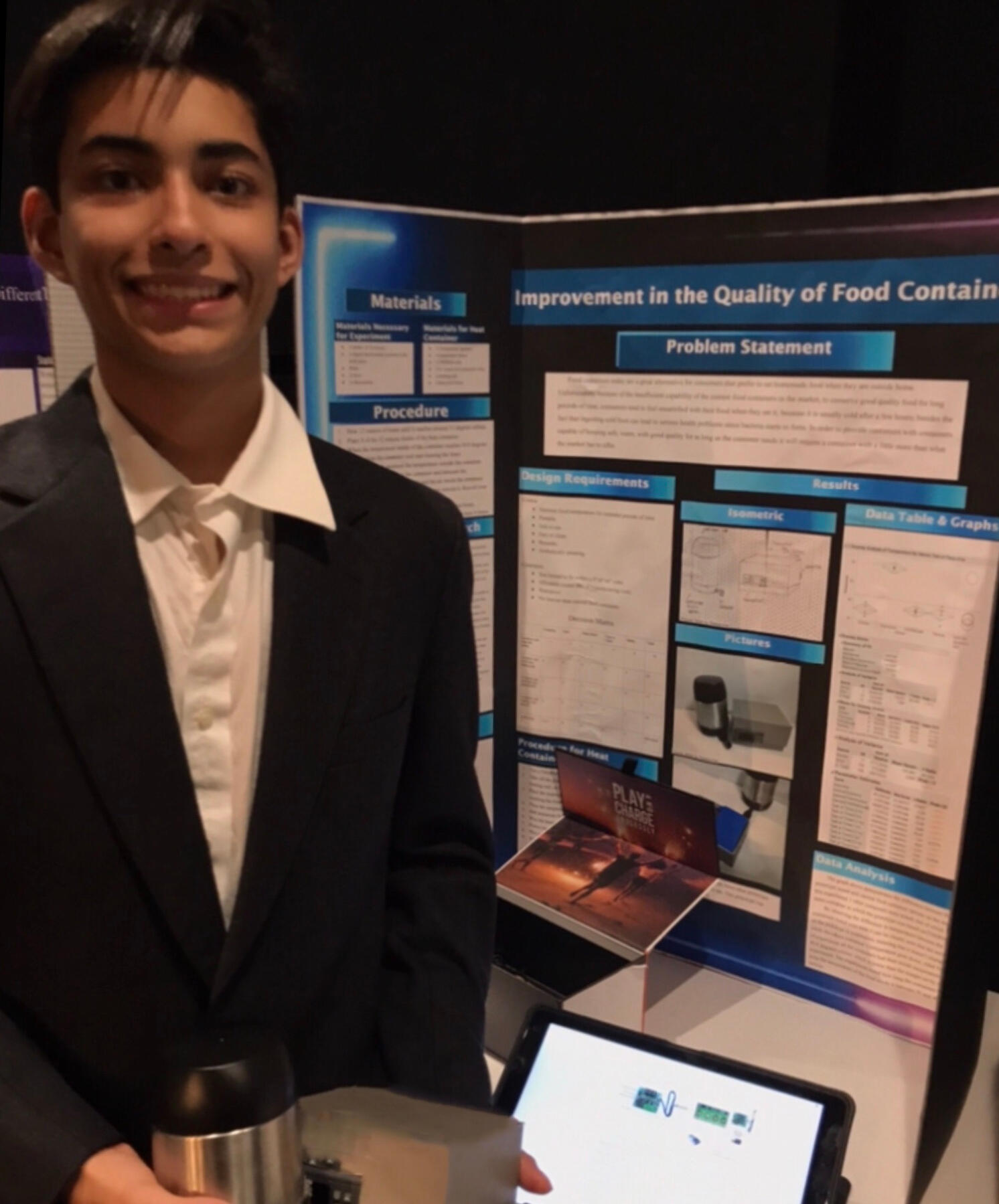
Once president of an entrepreneurship group that participated in business competitions, such as the diamond challenge and FBLA, I carry with me a thriving background in business and financial literacy, having taken college-level courses and work experience.
Design
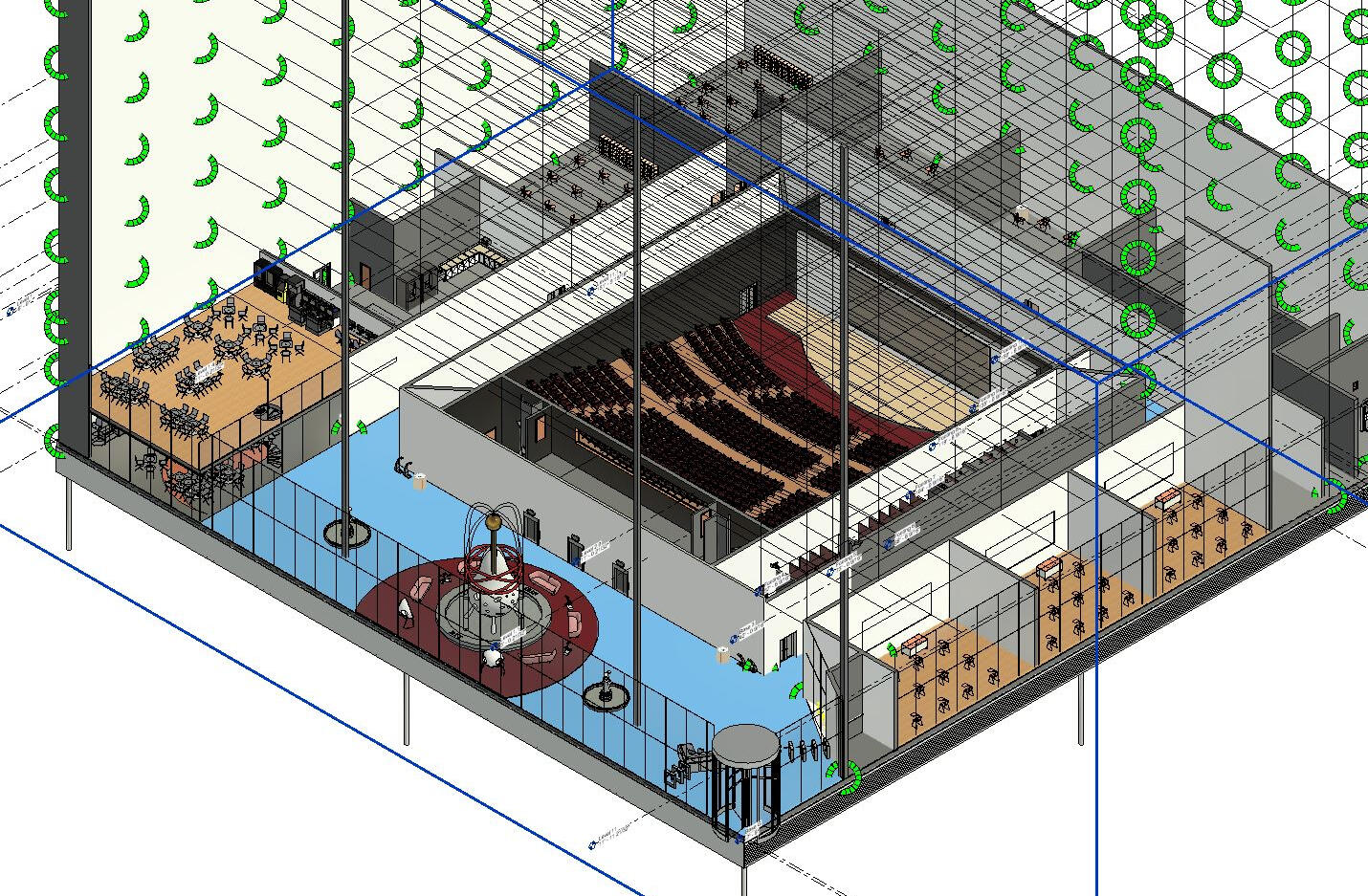
3D Modeler. I work best on AutoDesk Software, such as Fusion 360, Inventor, Maya, AutoCAD & Edge. However, I can effectively use SolidWorks, Onshape, Blender, Rhino and Shapr3D.I make posters, business cards, print 3D figures, Factory Design and other related visual graphics.
Electronics
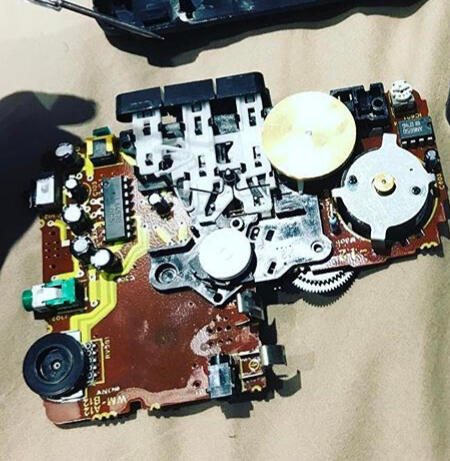
Basic Coding skills: capable of building apps, small scale hacking, and creating bots.Can design and manufacture circuit boards; Basic experience on LPKF, Fritzing, Easy EDA, Cadence & Altium.Previous projects include SAE, FRC, FTC, SECME & VEX.
Media
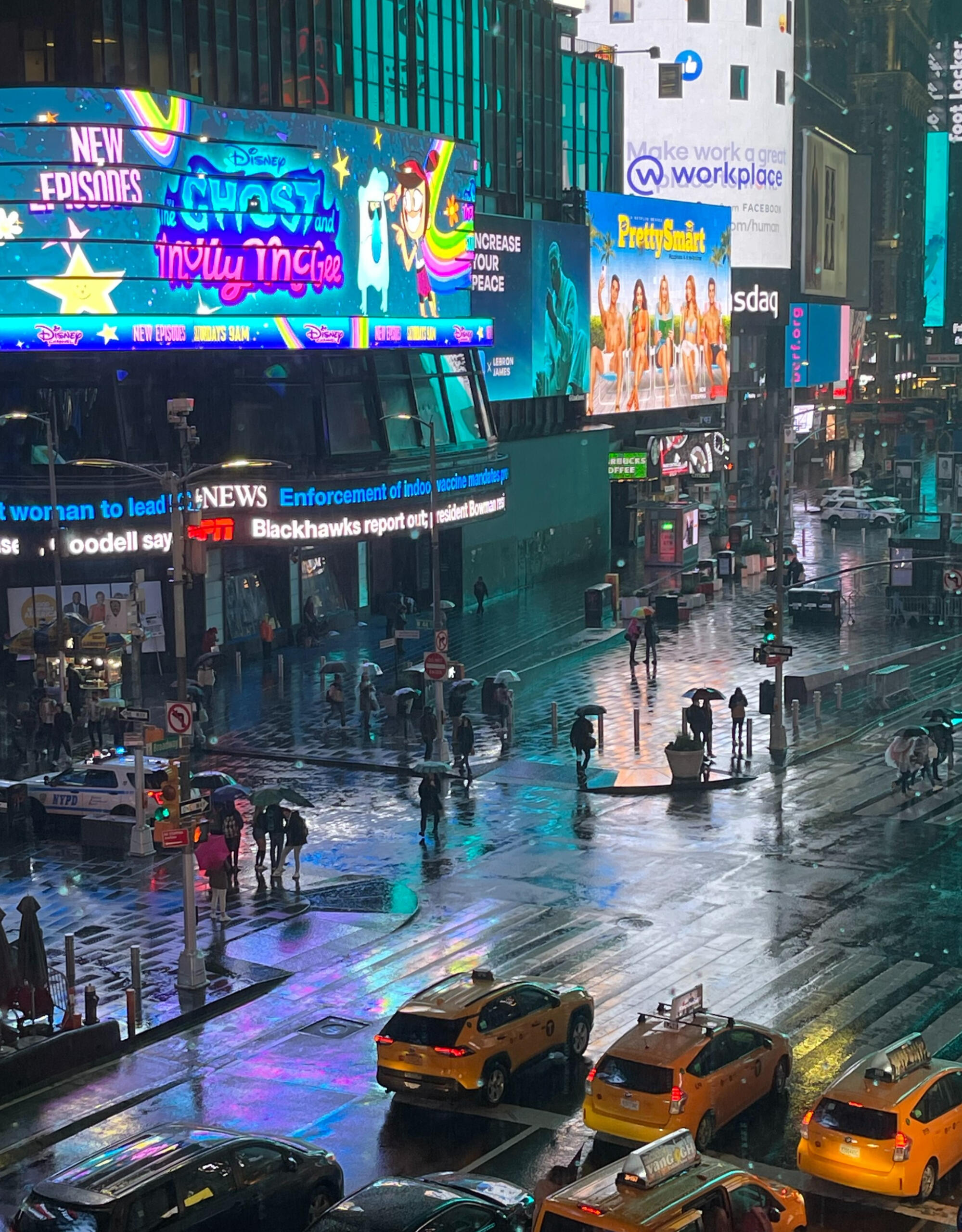
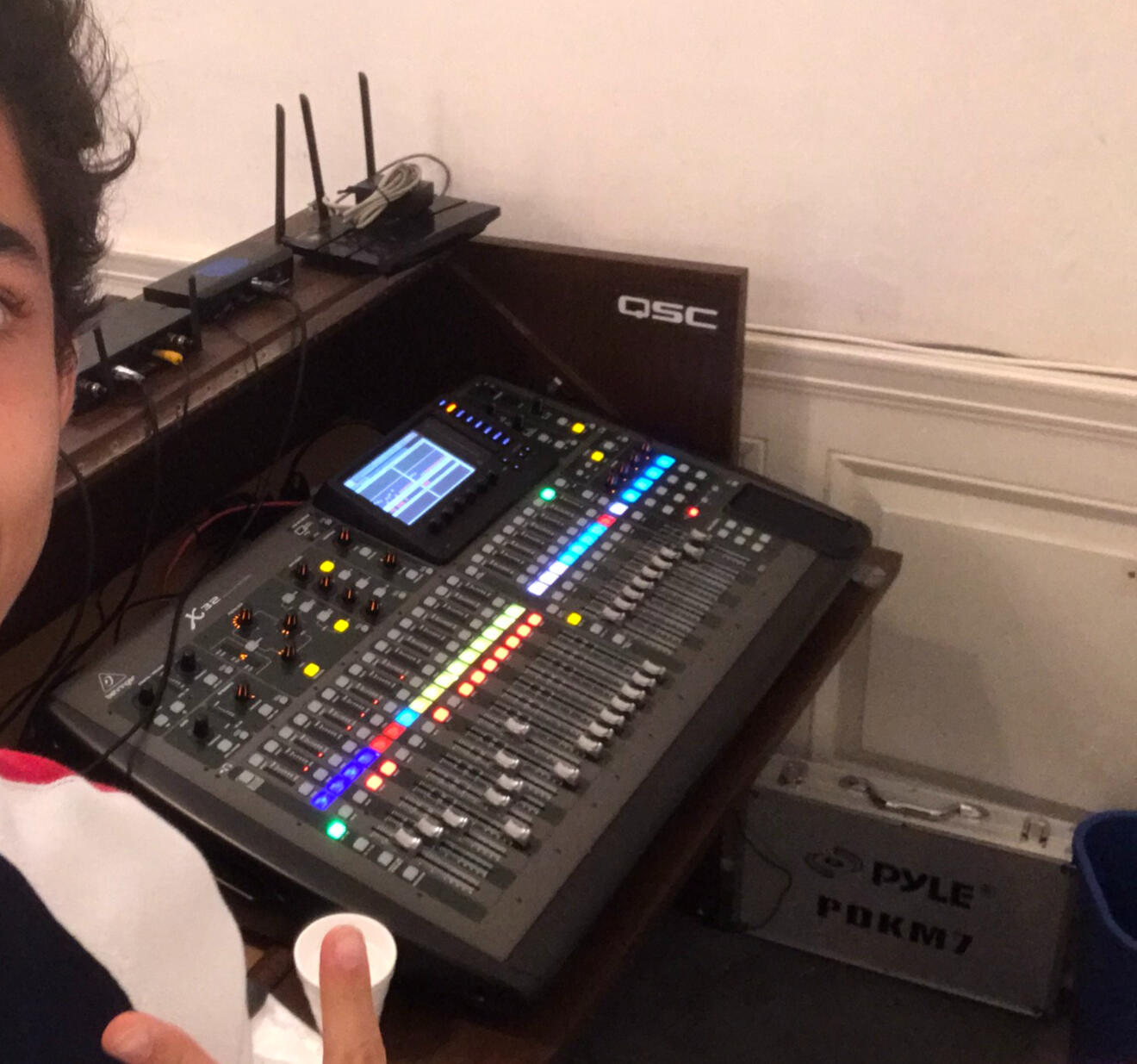
The photo displayed won a photography competition at NYU.I worked on digital media projects in the past that targeted large media audiences. I am knowledgeable using streaming platforms, OBS, Audacity, and Video editing software such as DaVinci Resolve. I also worked with digital mixers, such as X32 from Behringer for bands.
Medicine
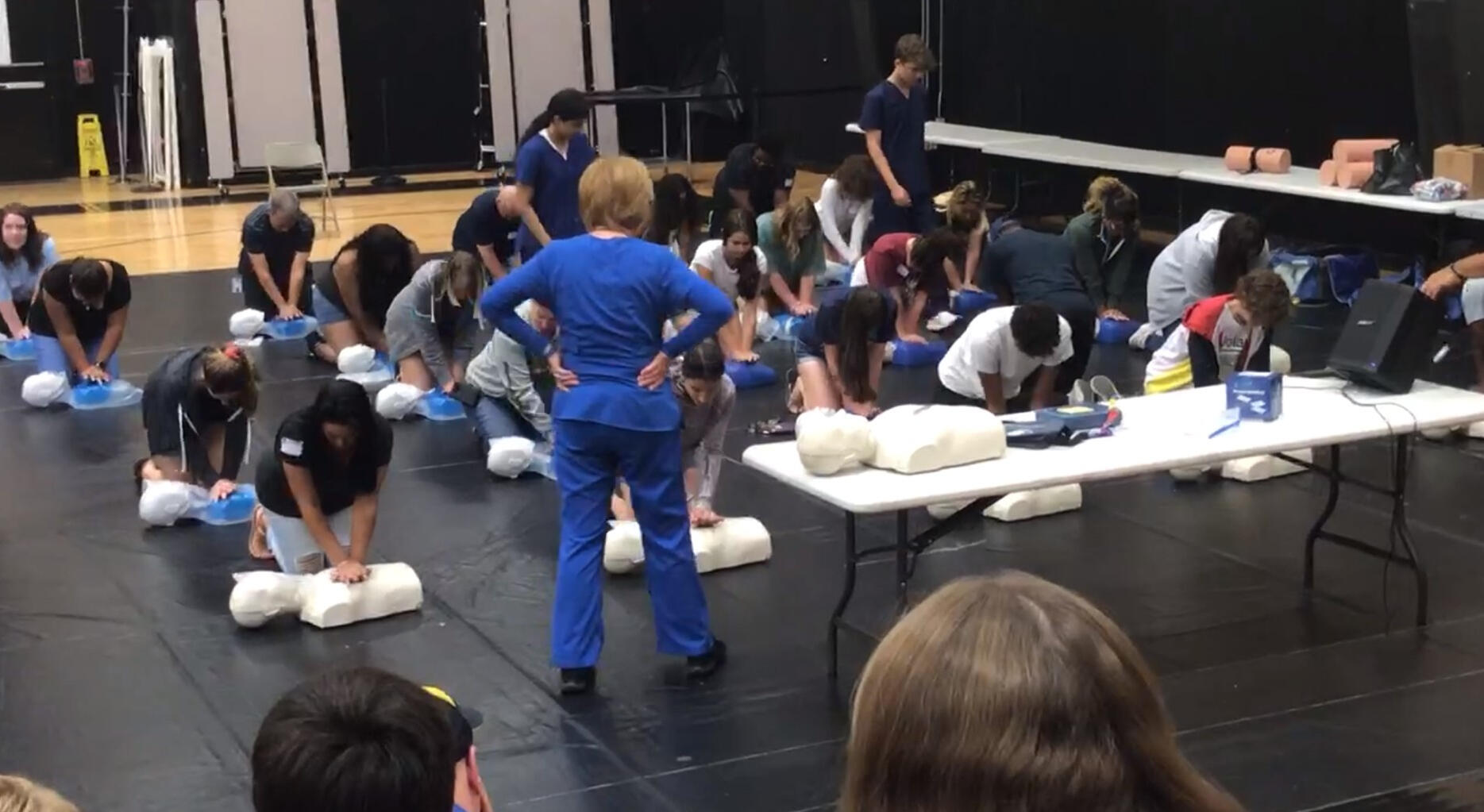
Theoretical knowledge of the human body based on HOSA guidelines.Experience in data collection & testing for mass production.Non-commercial pharmaceutical expertise.First aid training licensed by MD doctor.
Connect
If you have employment opportunities, are interested in business consultations, getting connected, or any other inquiries please don't hesitate to email [email protected]You can also fill out this form with your personal information and questions.
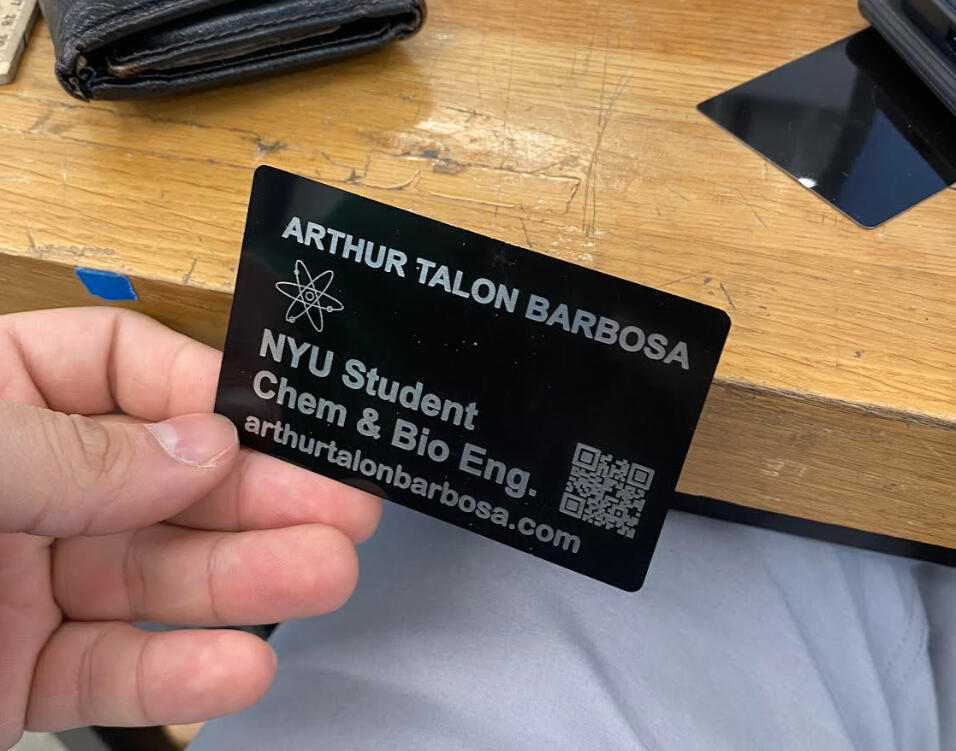
Thank you!
Terminal: Return 0
HOBBIES
Welcome to my Hobbies Page. Hope you get as inspired as I am to pursue a new interest in life.
Sports
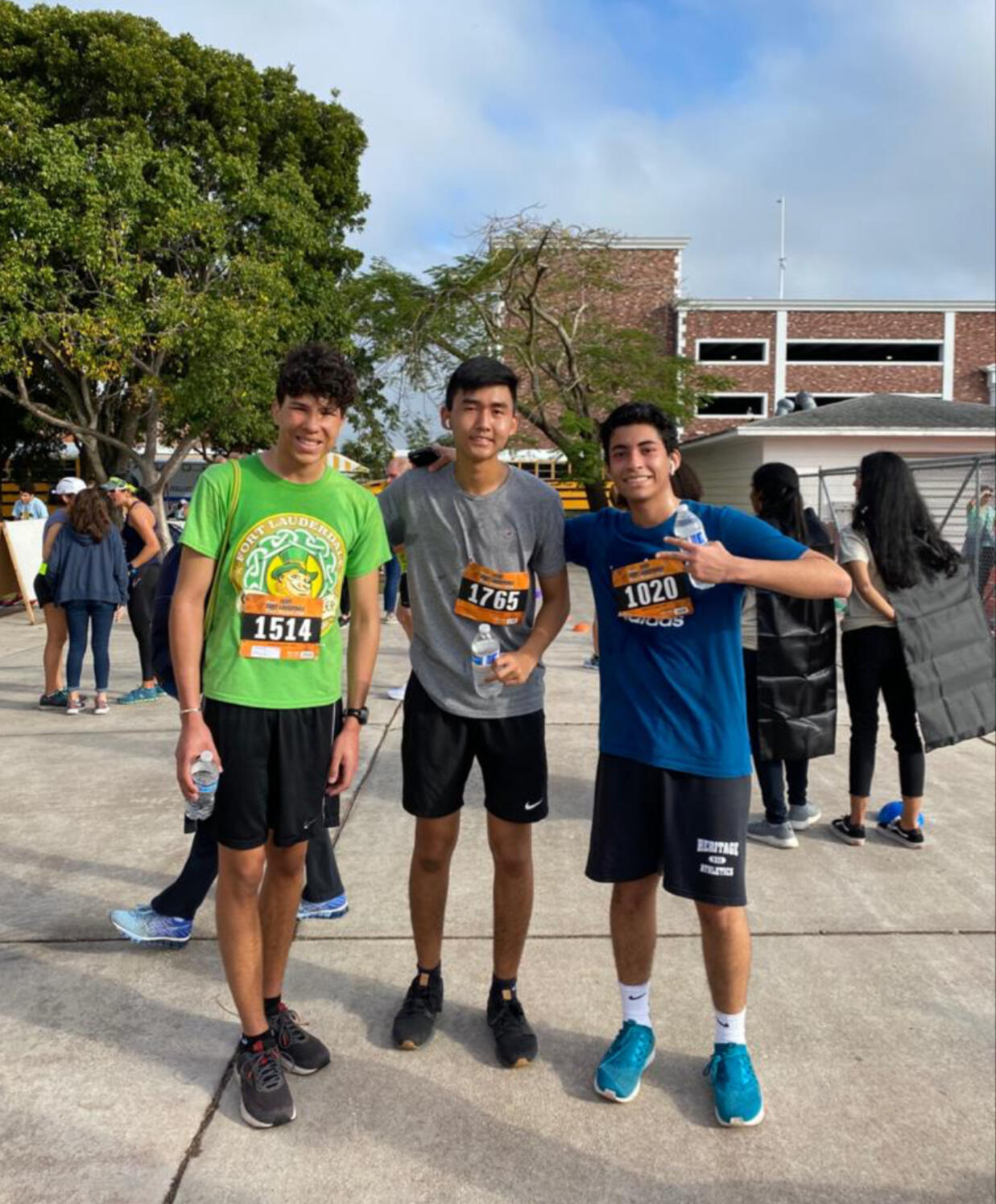
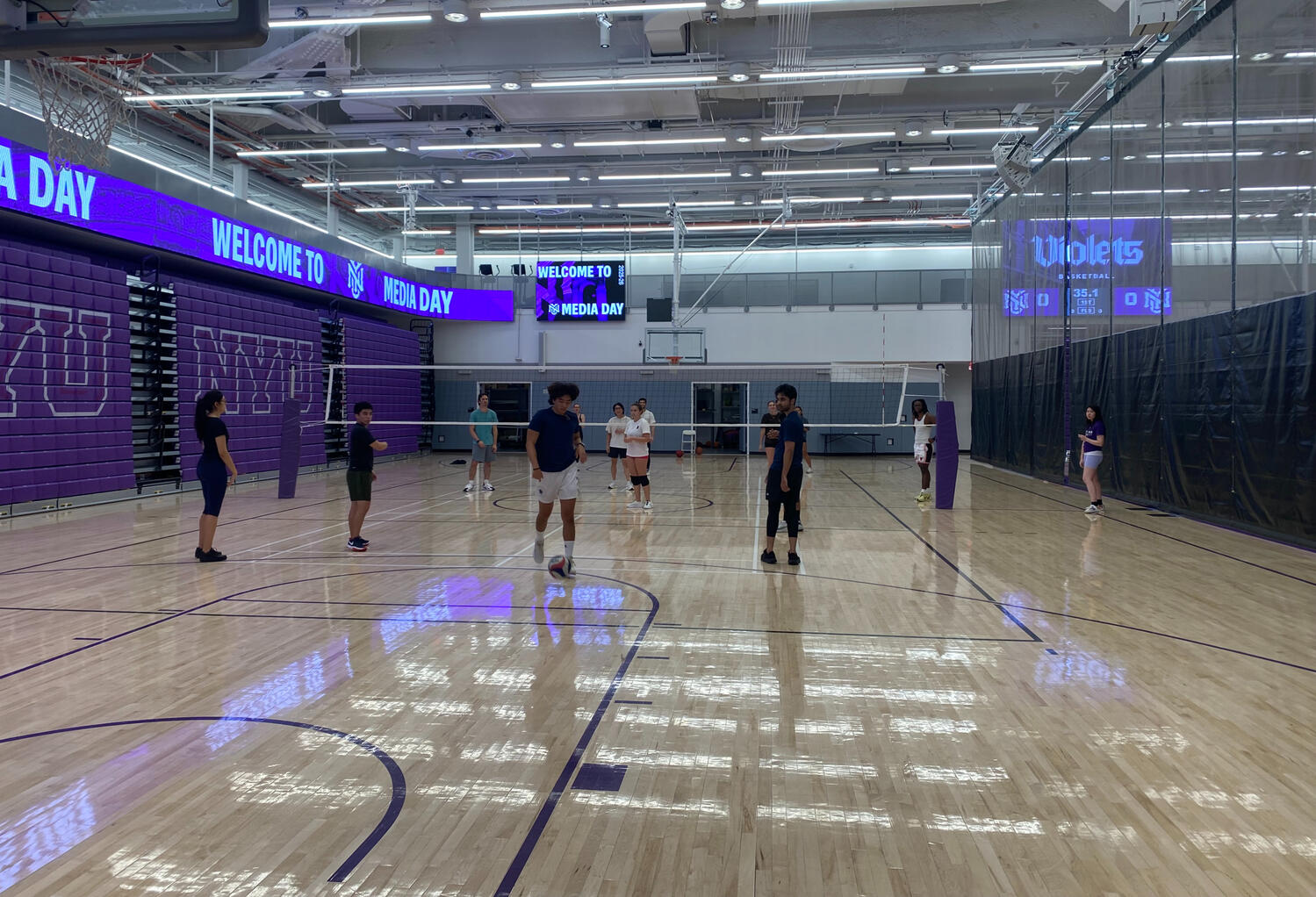
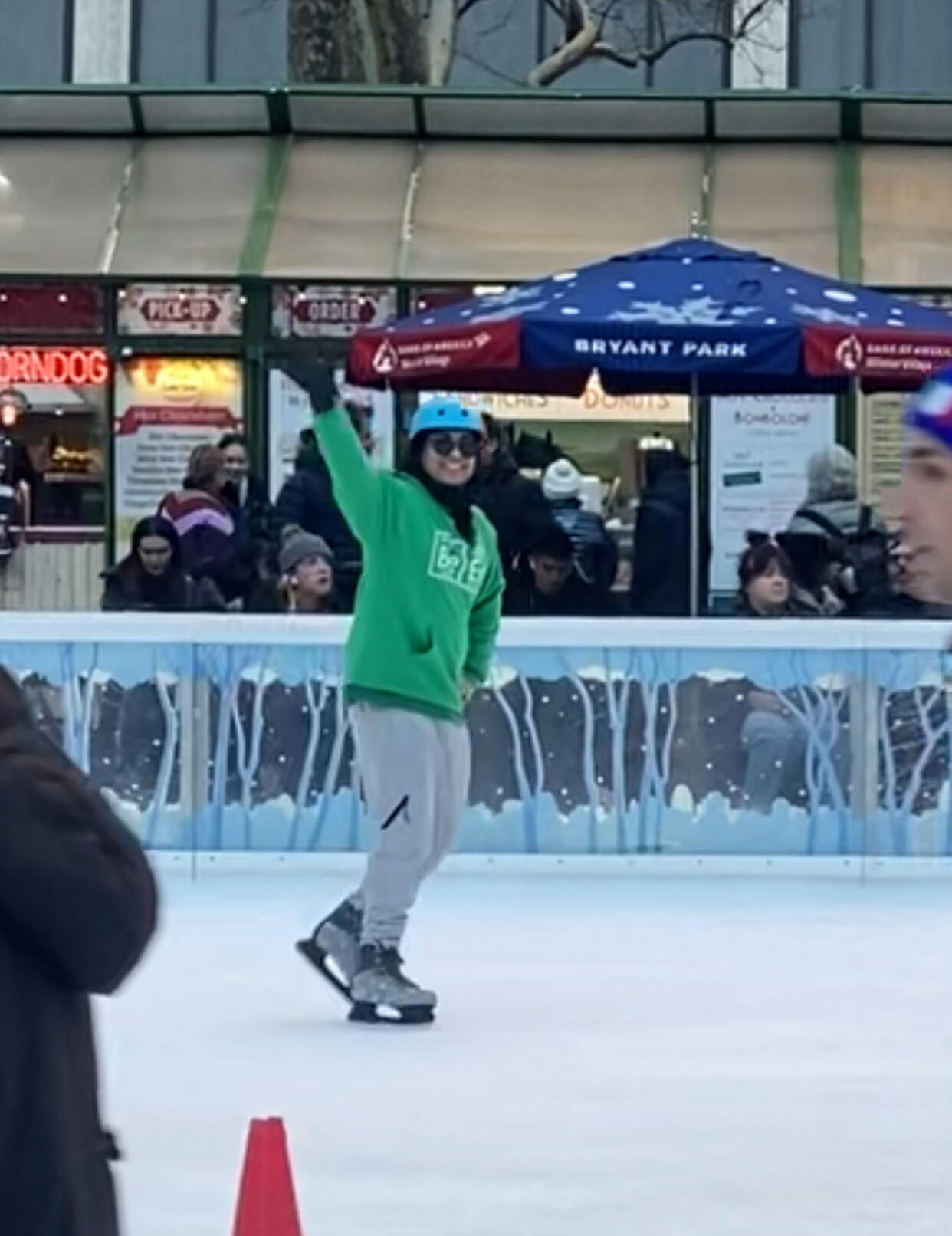
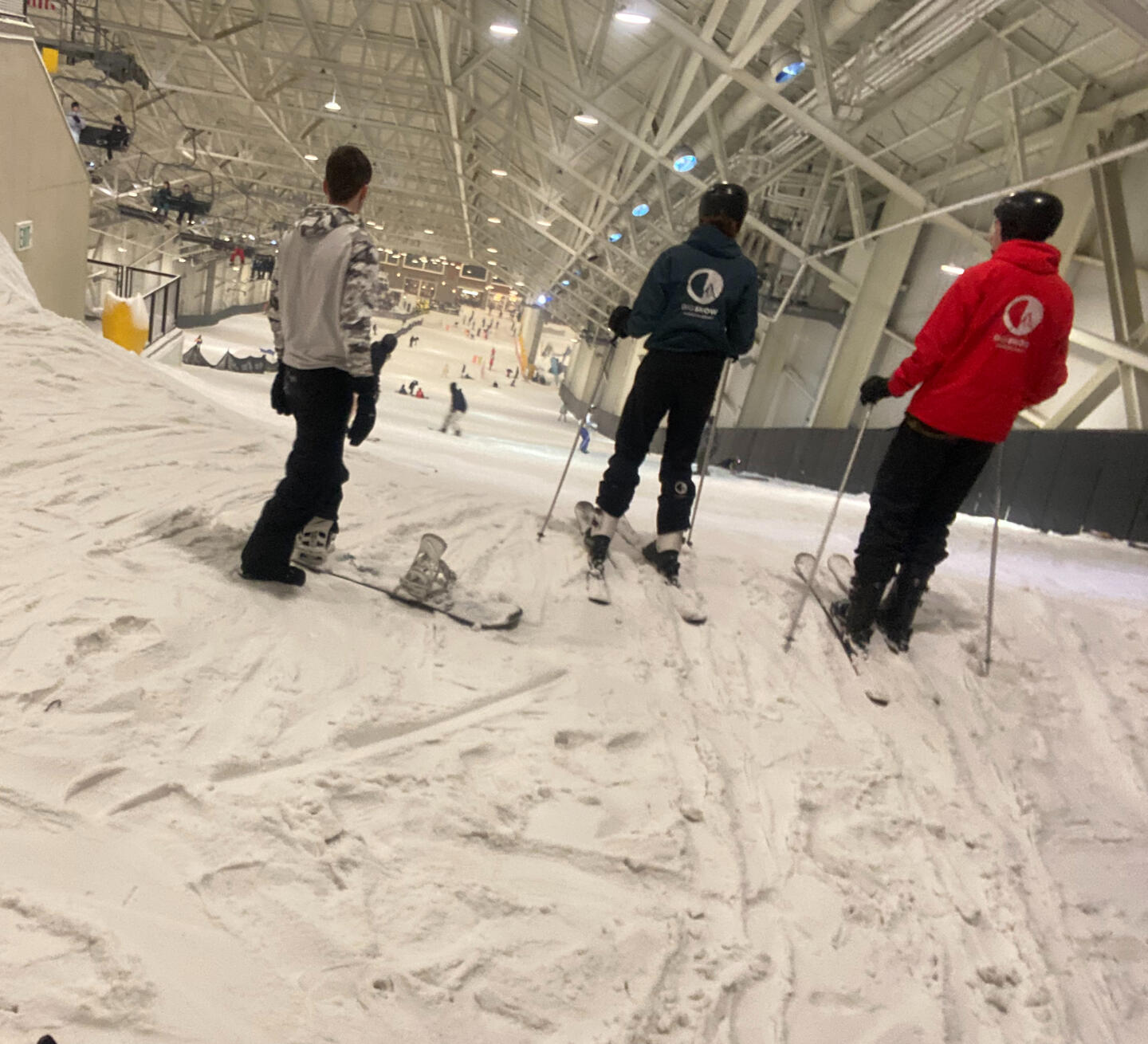
I love practicing sports, especially with friends. Some common sports and activities I enjoy are: Soccer, American Football, Paddle, Beach Tennis, Volleyball, Tennis, Water Polo, Basketball, Cricket, Golf, Bowling, Darts, Archery, Snowboarding, Skateboarding, Ice Skating and more. As long as I am with friends, exercising becomes an enjoyable time.
Cooking
Once a while, I enjoy picking up a new recipe I haven't explore and attempt to follow cooking instructions. It usually takes me a few trials until I am ready to serve it in a casual dinner, but once I get the idea I add it to my recipes list.
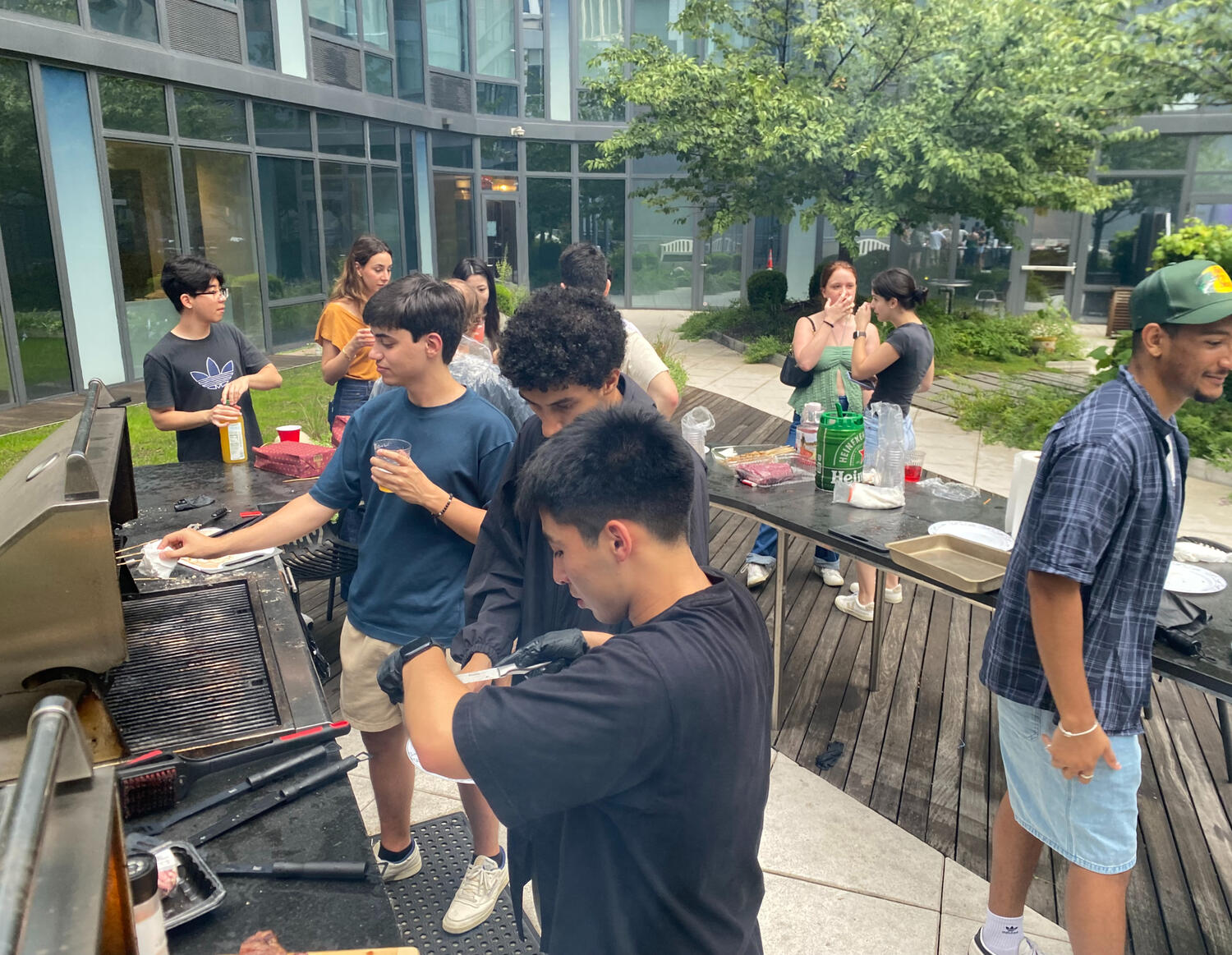
Cooking means nothing if one can't share their tasting experiences with others. Getting together with friends and barbecuing has to be in my top favorite things to do in the summer.
Music
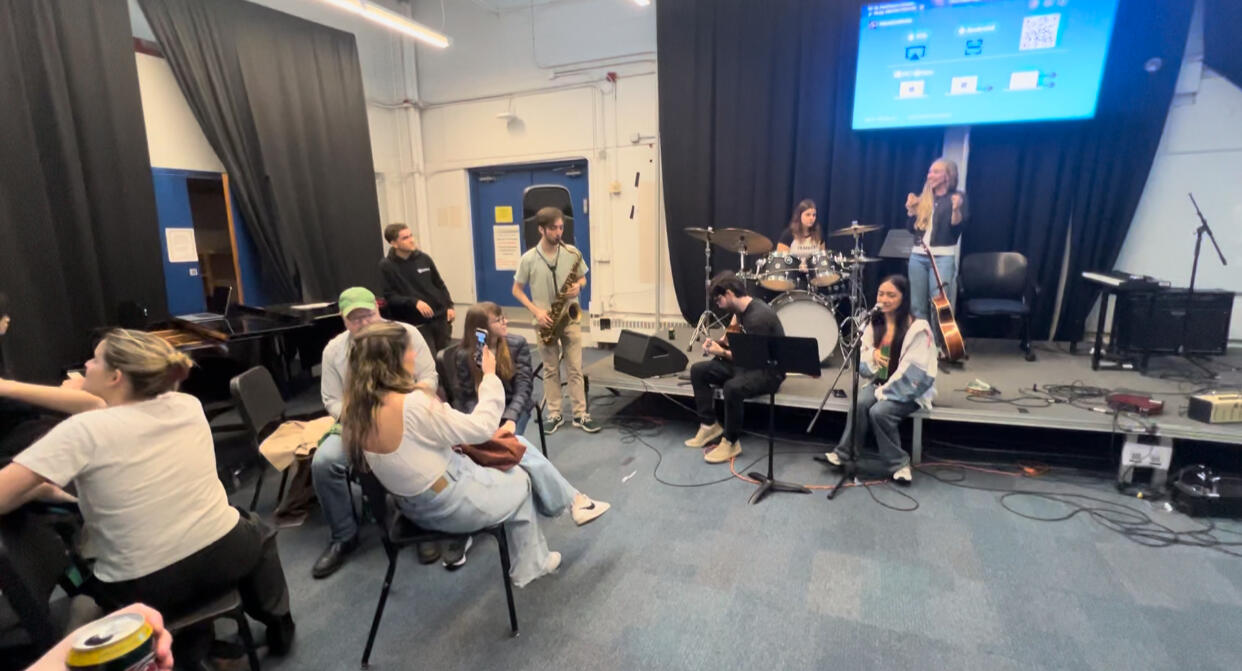
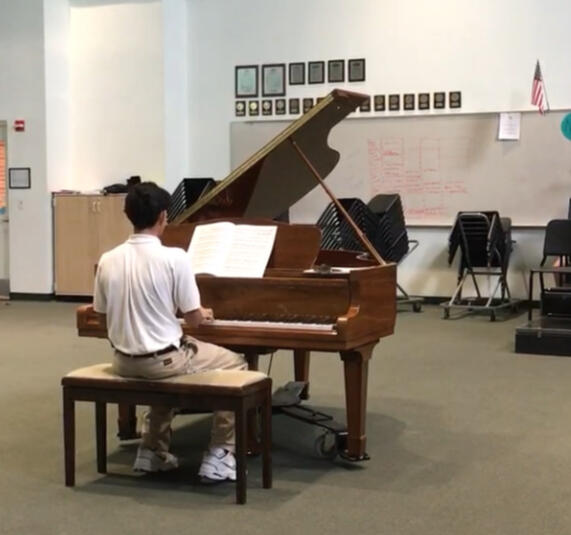
I am not a great musician, but I certainly admire it. I enjoy the mathematics of music and rhythms. I myself have composed a few songs, but they were mostly for side projects like videogames. I think music is a powerful tool not fully understood scientifically.
Painting
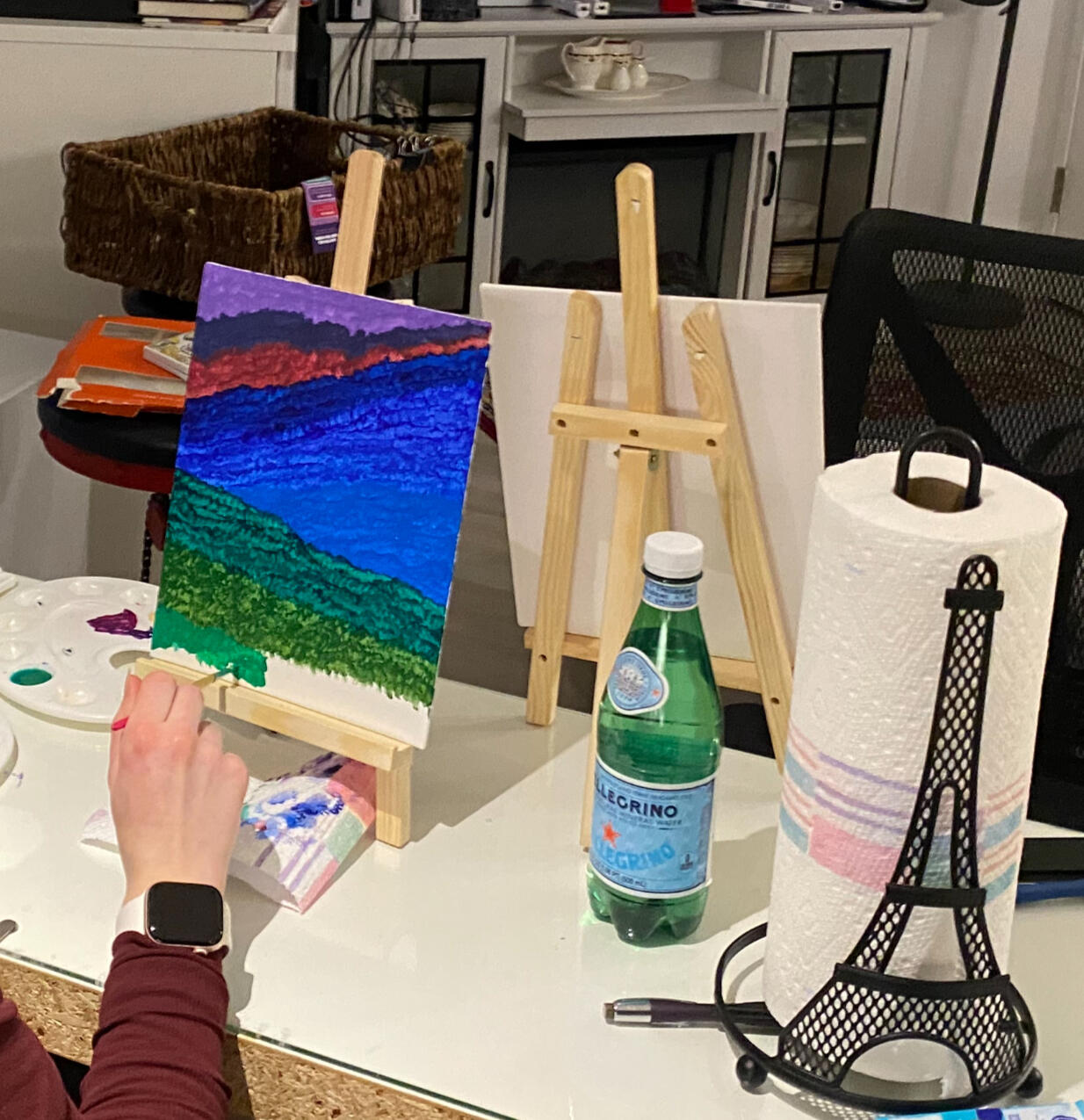
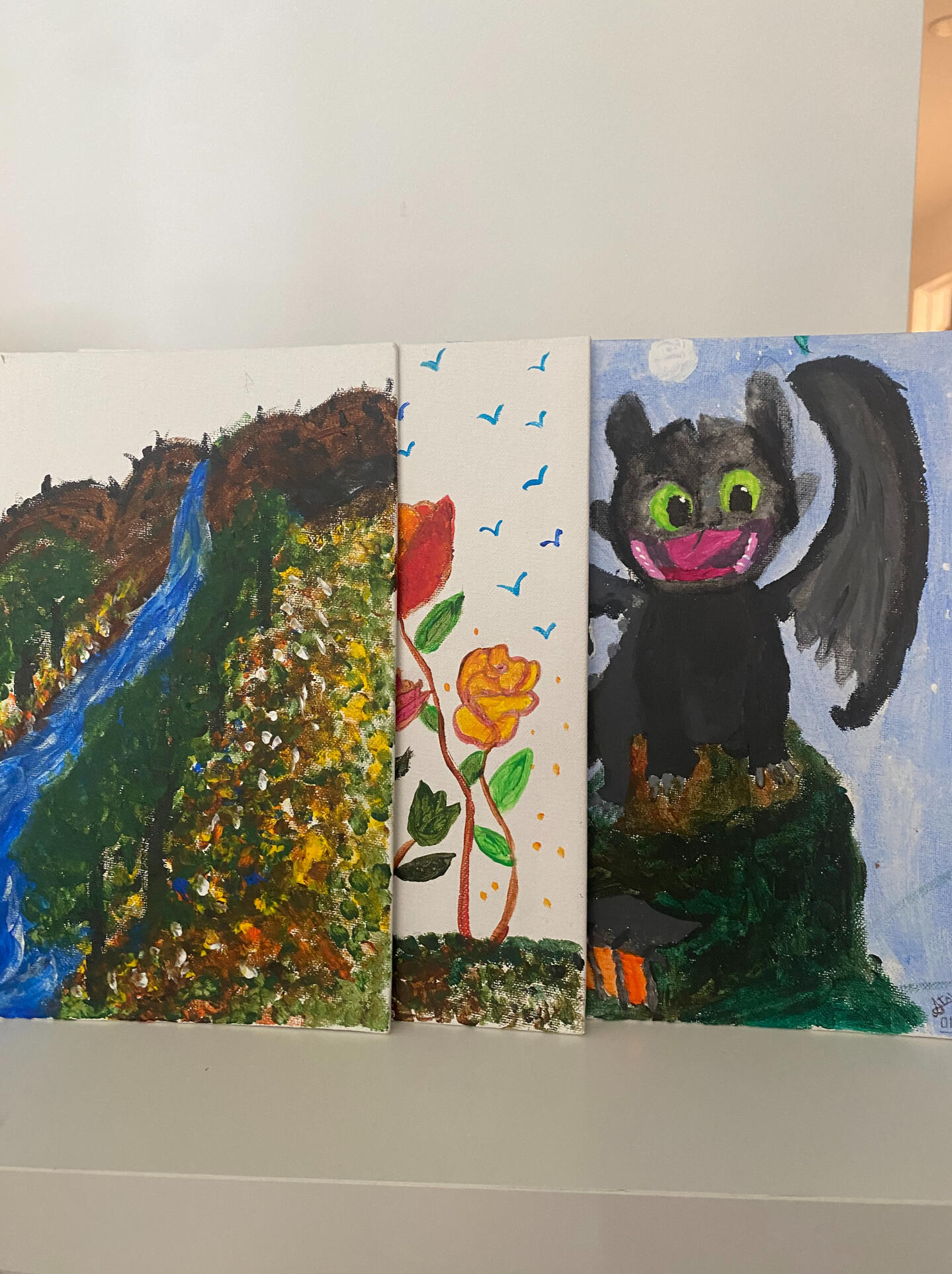
Nothing more relaxing than spending the end of a long day by choosing to illustrate my emotions through colors. I enjoy drawing as well as painting being it by myself or with friends.
Casual Games
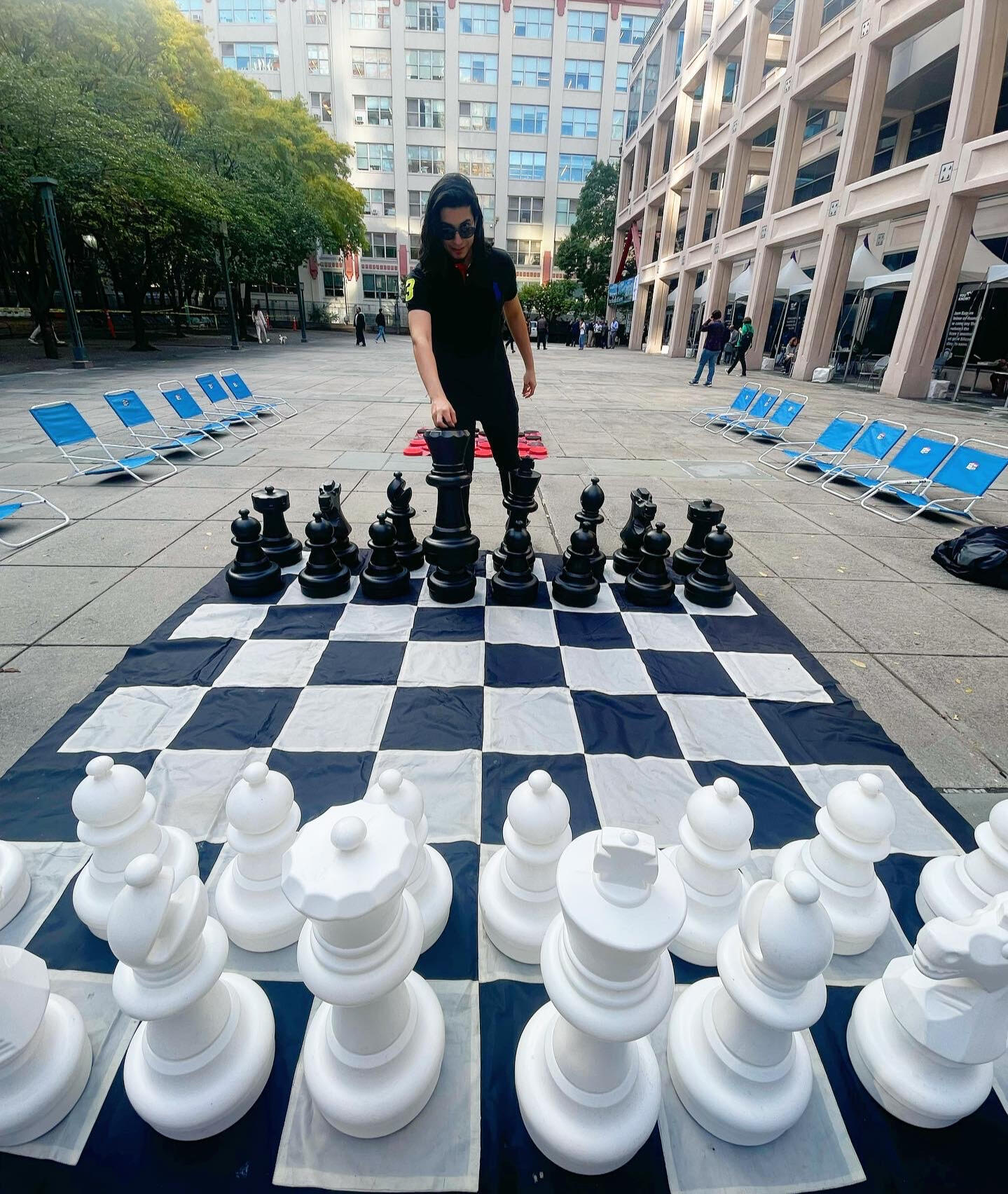
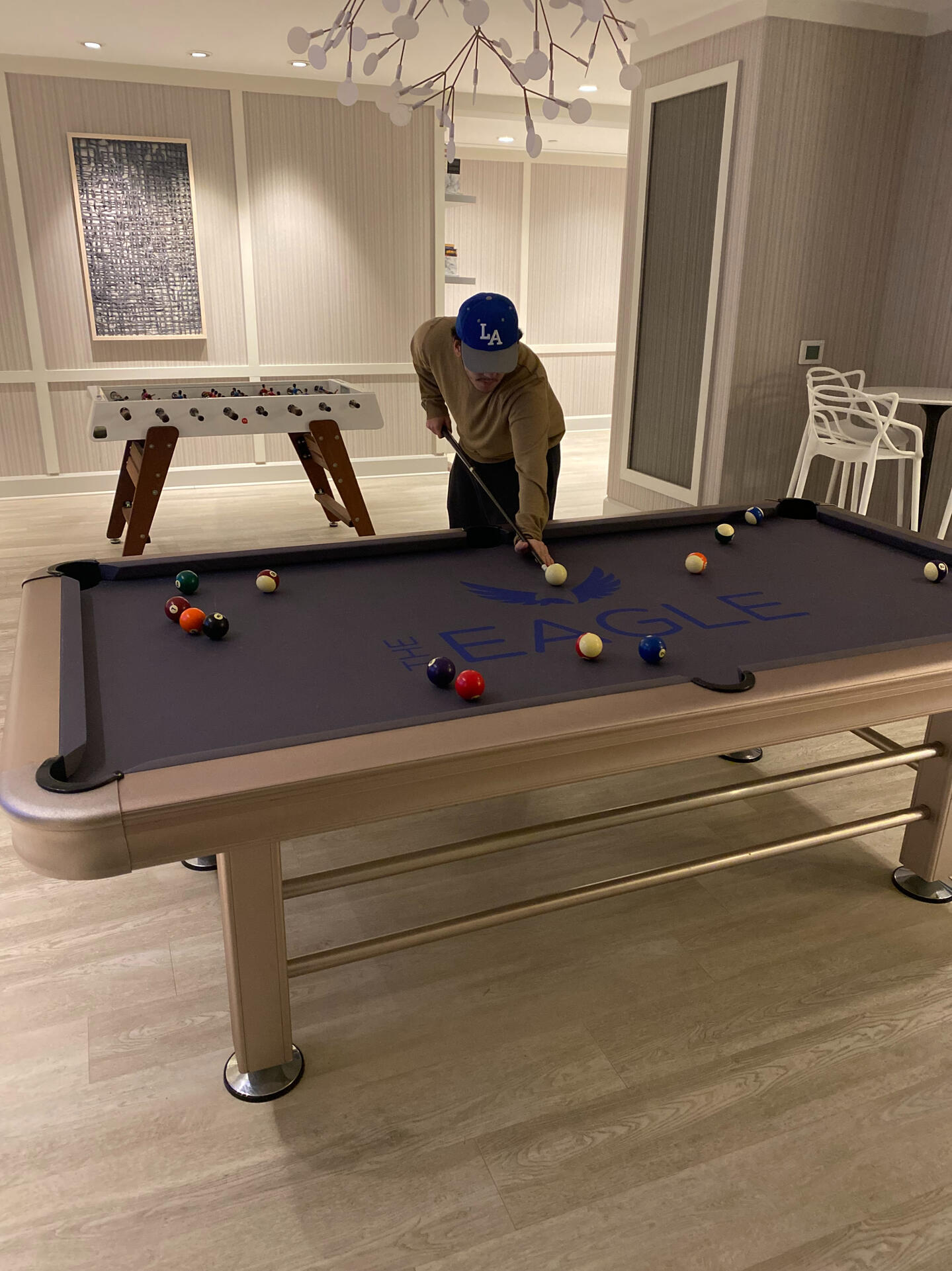
A casual night of games is also a healthy habit I enjoy partaking. I like playing ping pong, billiards, spike ball, frisbee, foosball, cards, board games like chess, puzzle games and more.
Racing
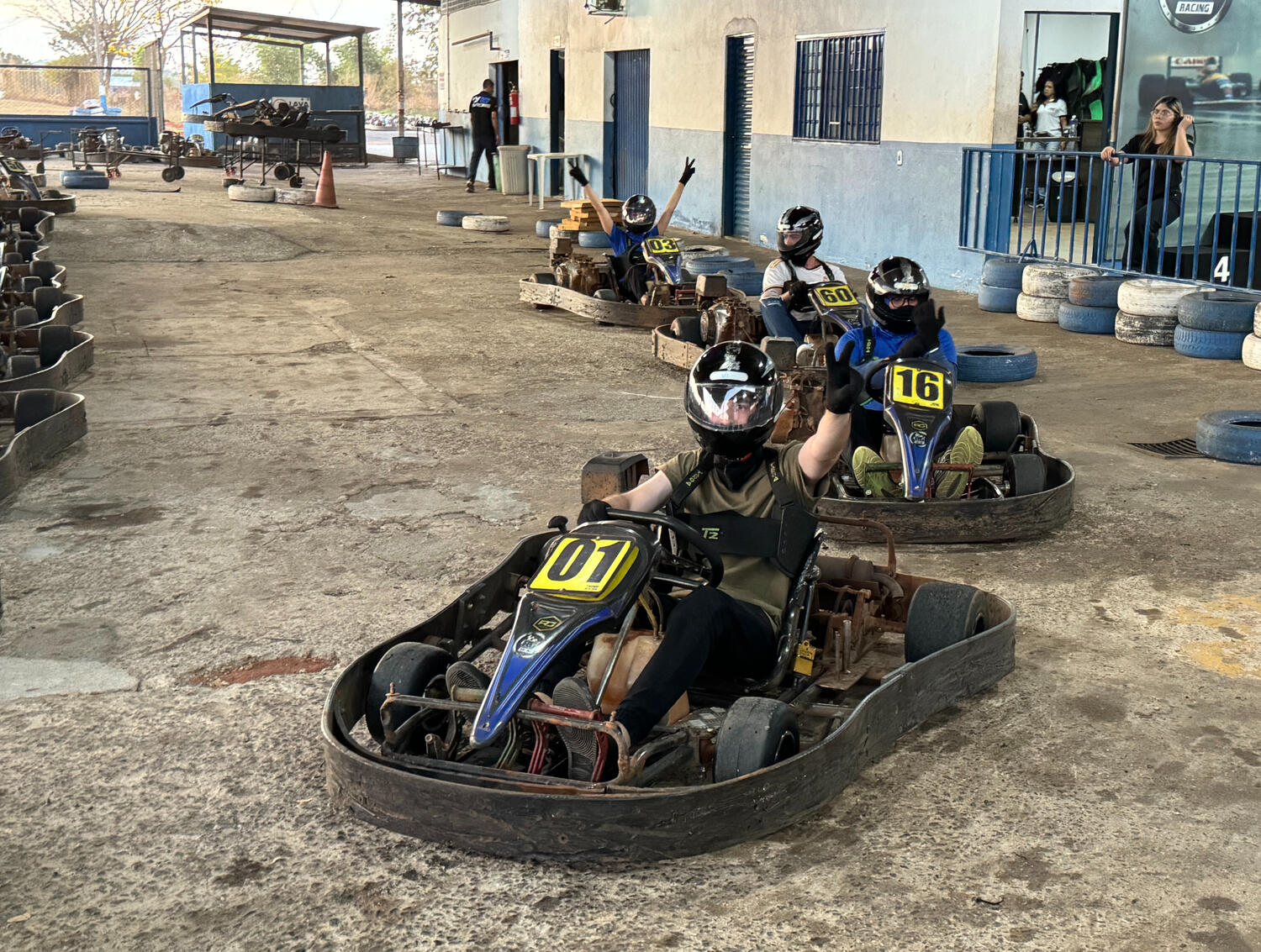
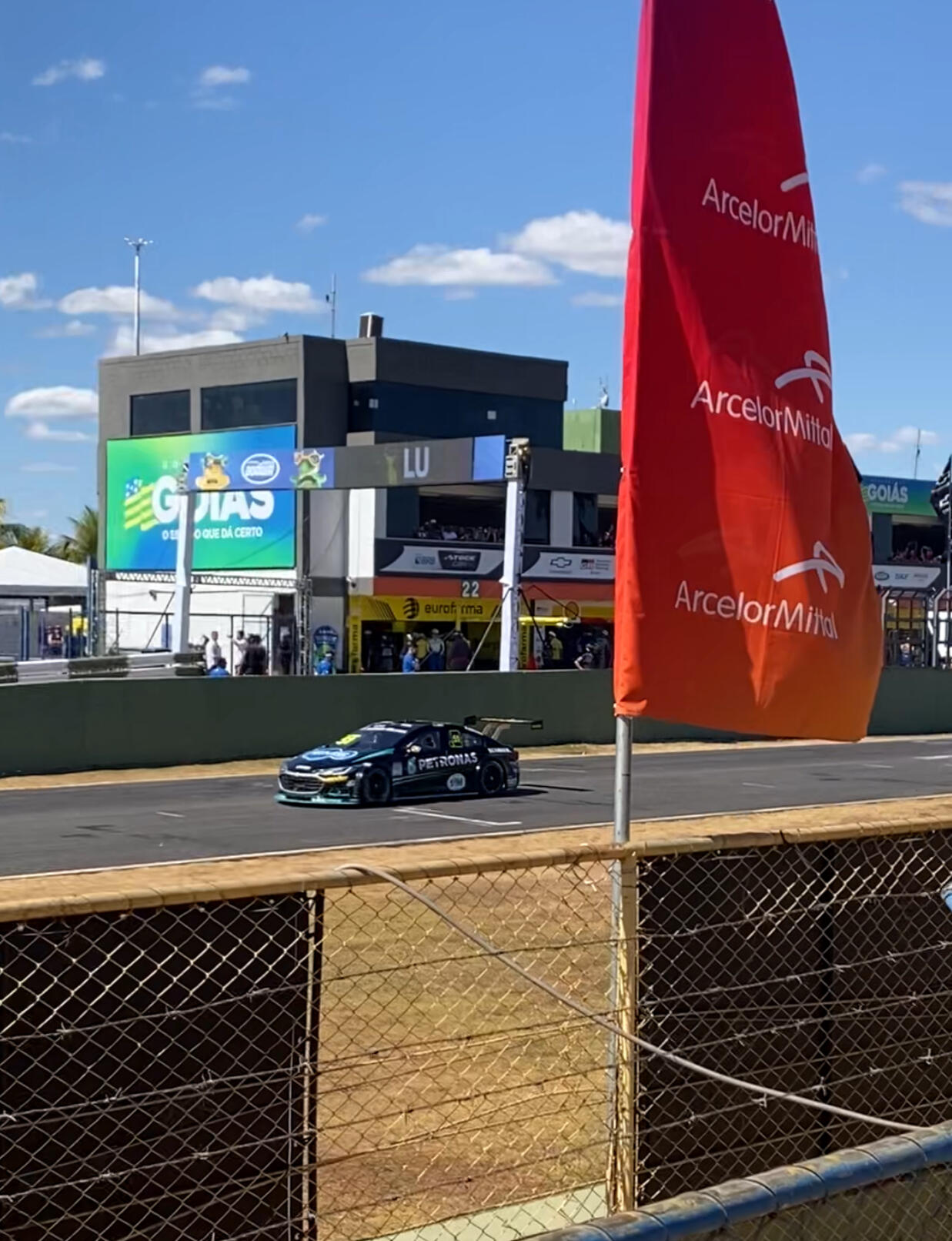
You might think I am child that never grew up, and you are right. If there is a toy that excites me, that is hotwheels. I like their designs, stories, games, fanfics etc. But what I enjoy the most if seeing the cars race. From F1, to formula 200 I am always excited to see tires burn.
Fishing
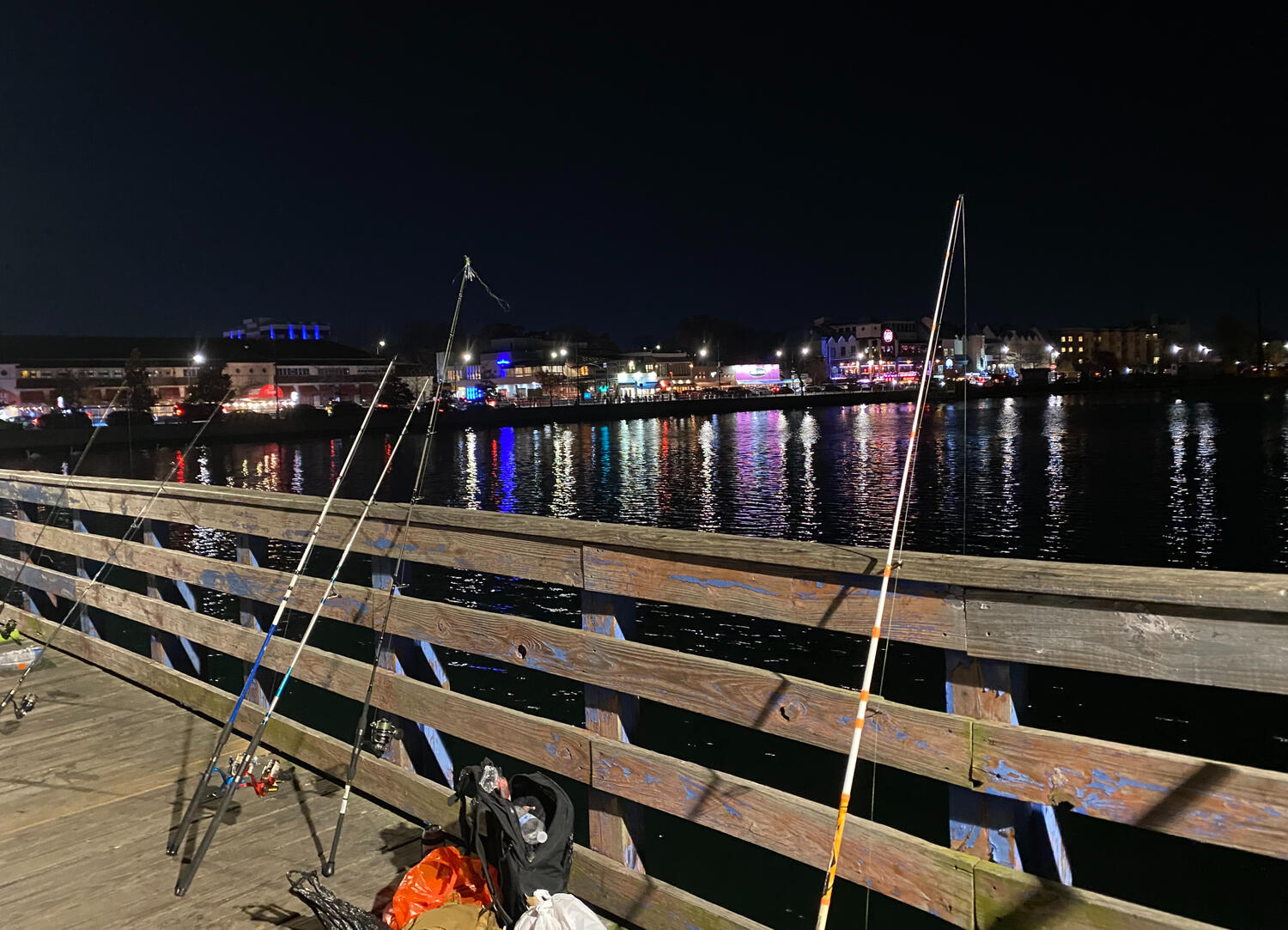
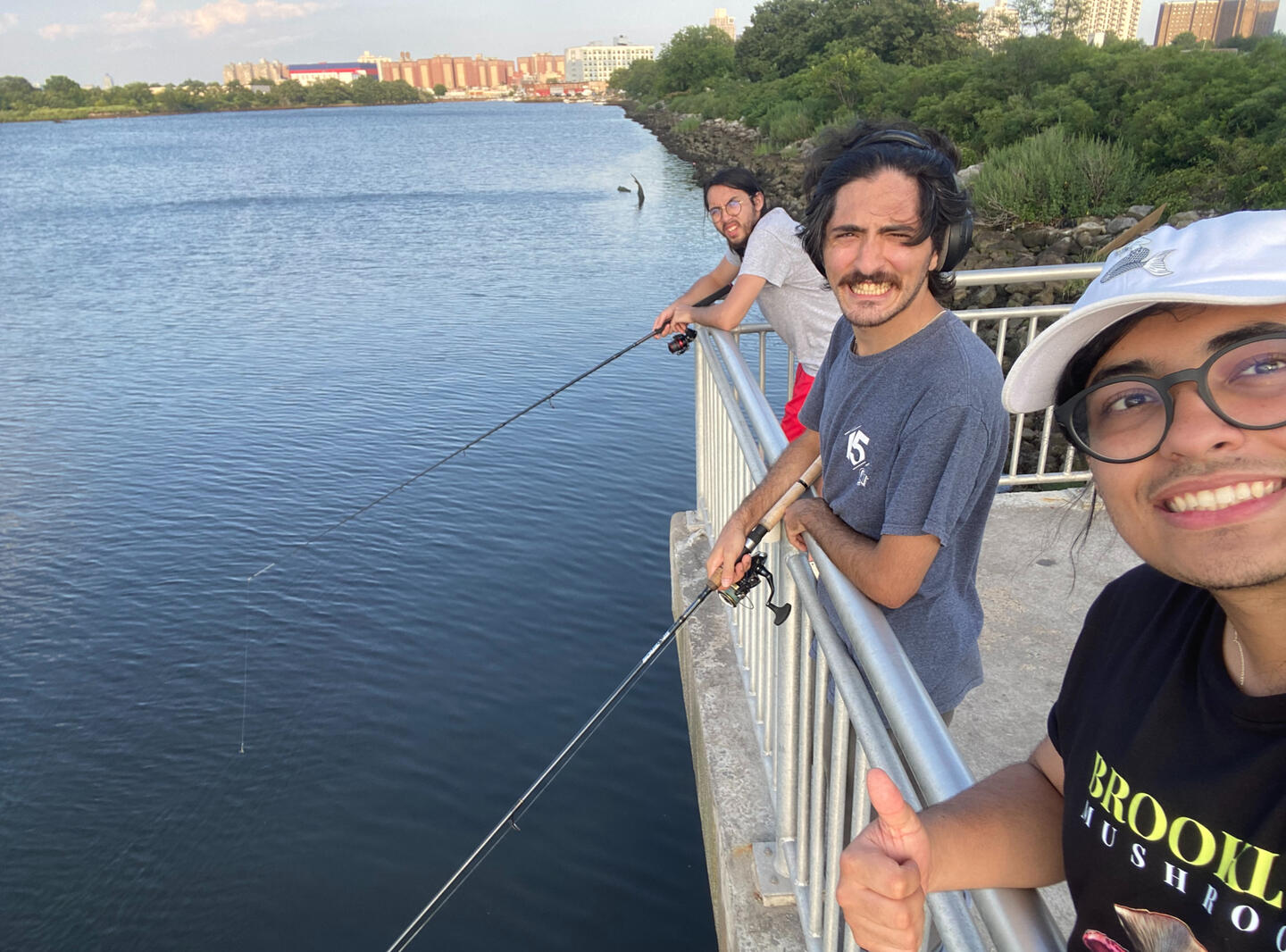
Fishing allows me to relax outdoors, appreciate nature, and experience the excitement of catching fish, while also helping me develop patience, focus, and problem-solving skills as I choose the right bait, location, and techniques for different conditions.
Cosplaying
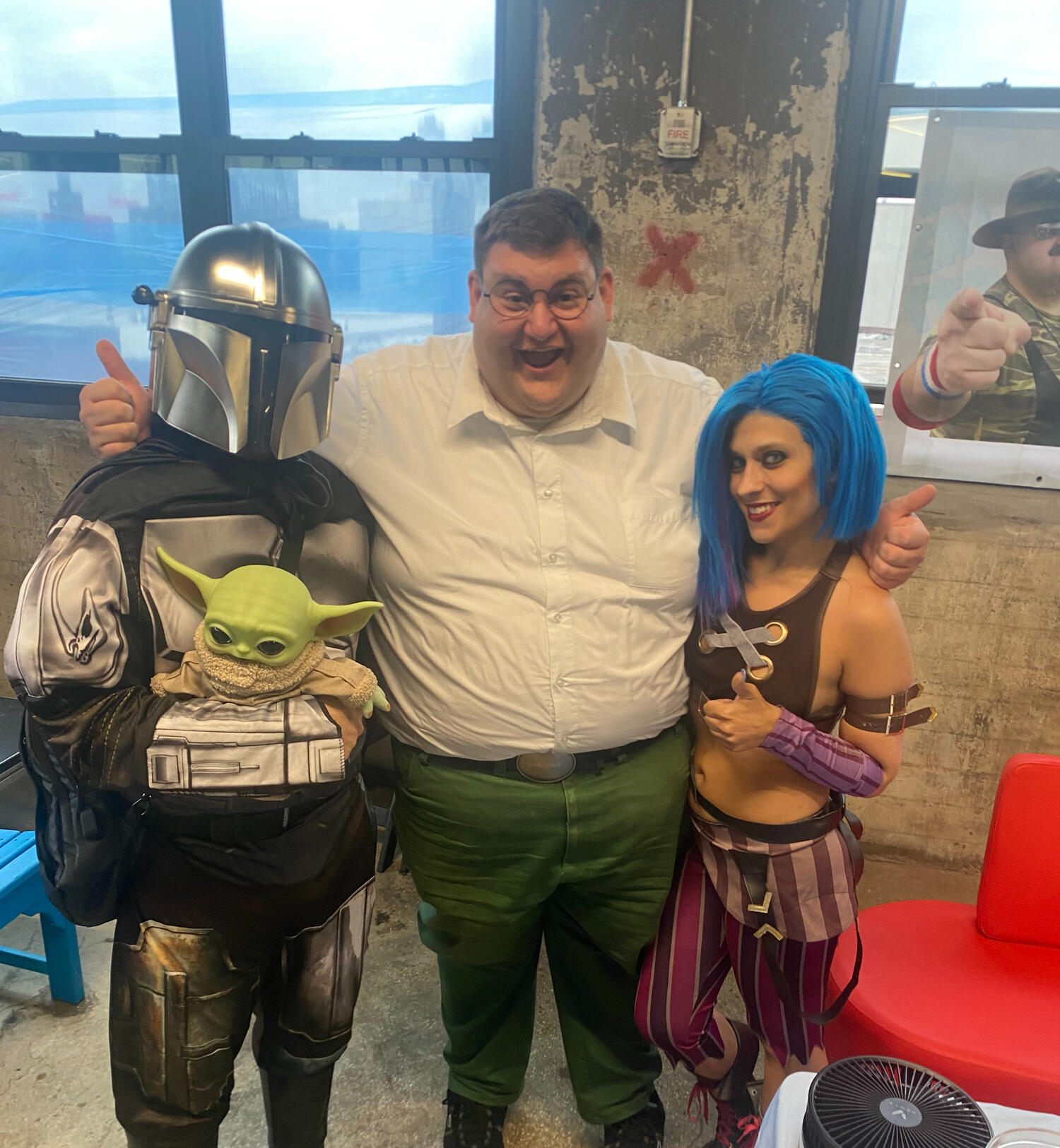
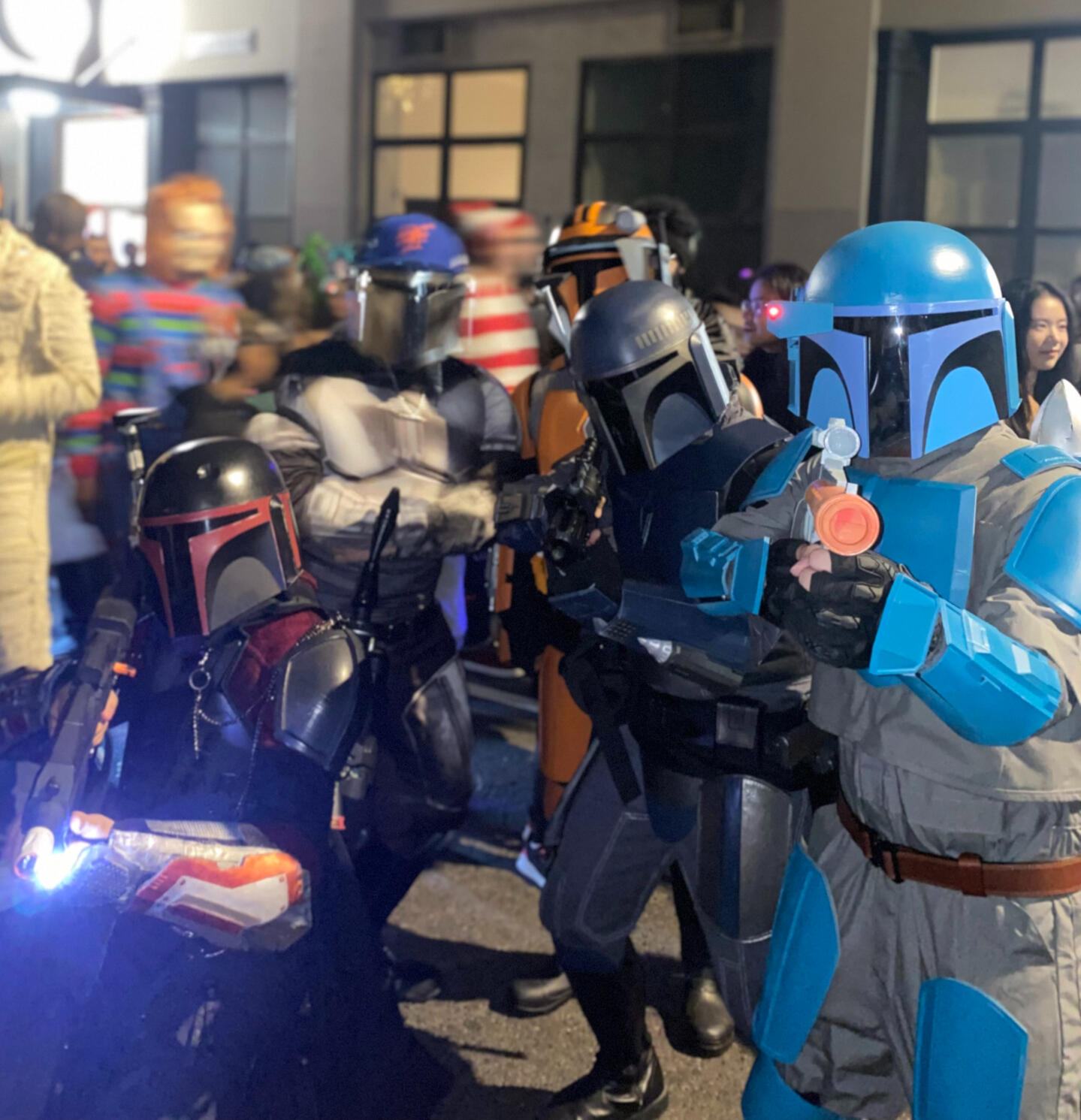
Well, I say there are things in life one needs to try it before they can critique. One of which I think fits well in this category is cosplaying. I have enjoyed attending conventions since young and now as an adult I get to use the latest gadgets to bring fictional characters to life.
Video Games
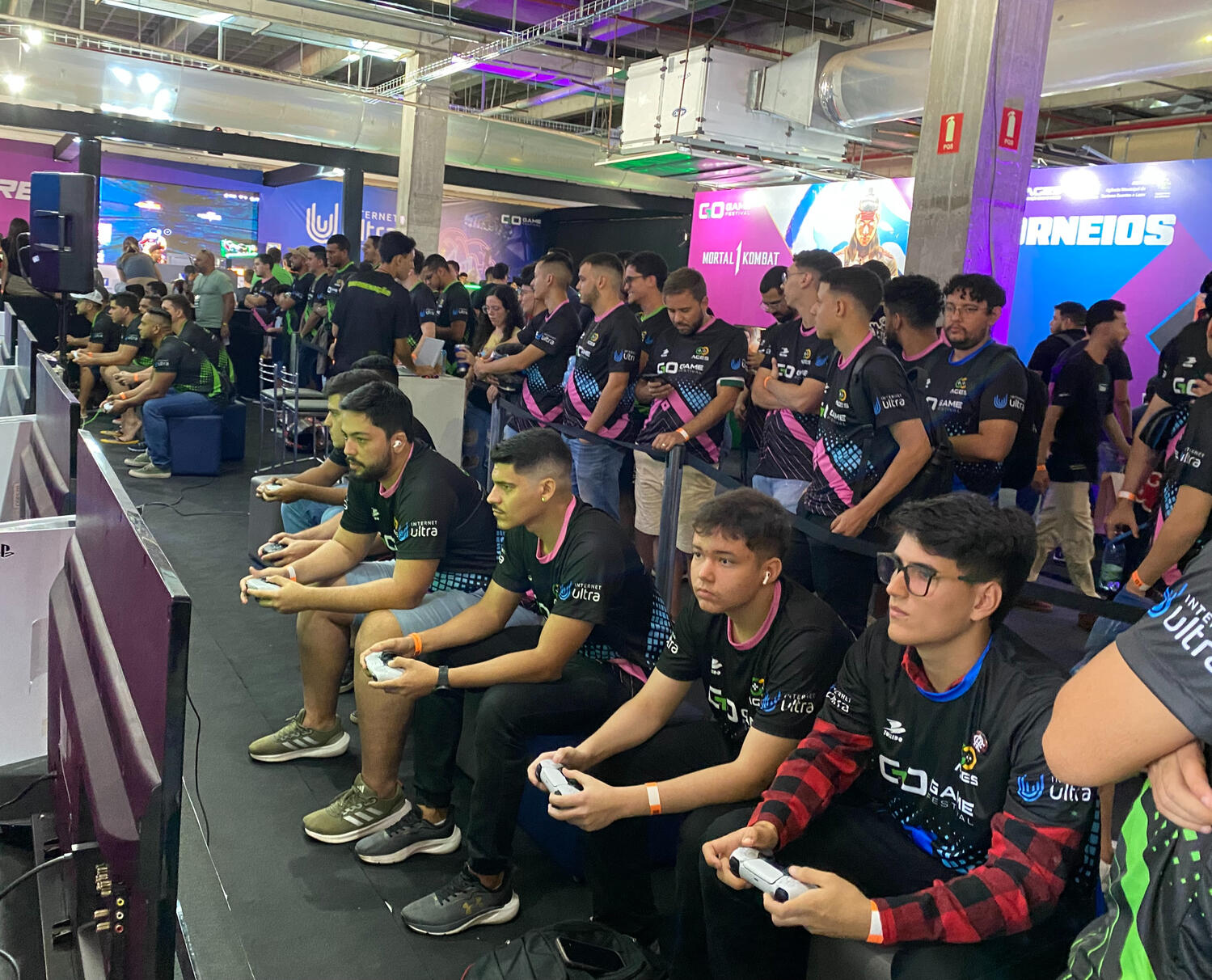
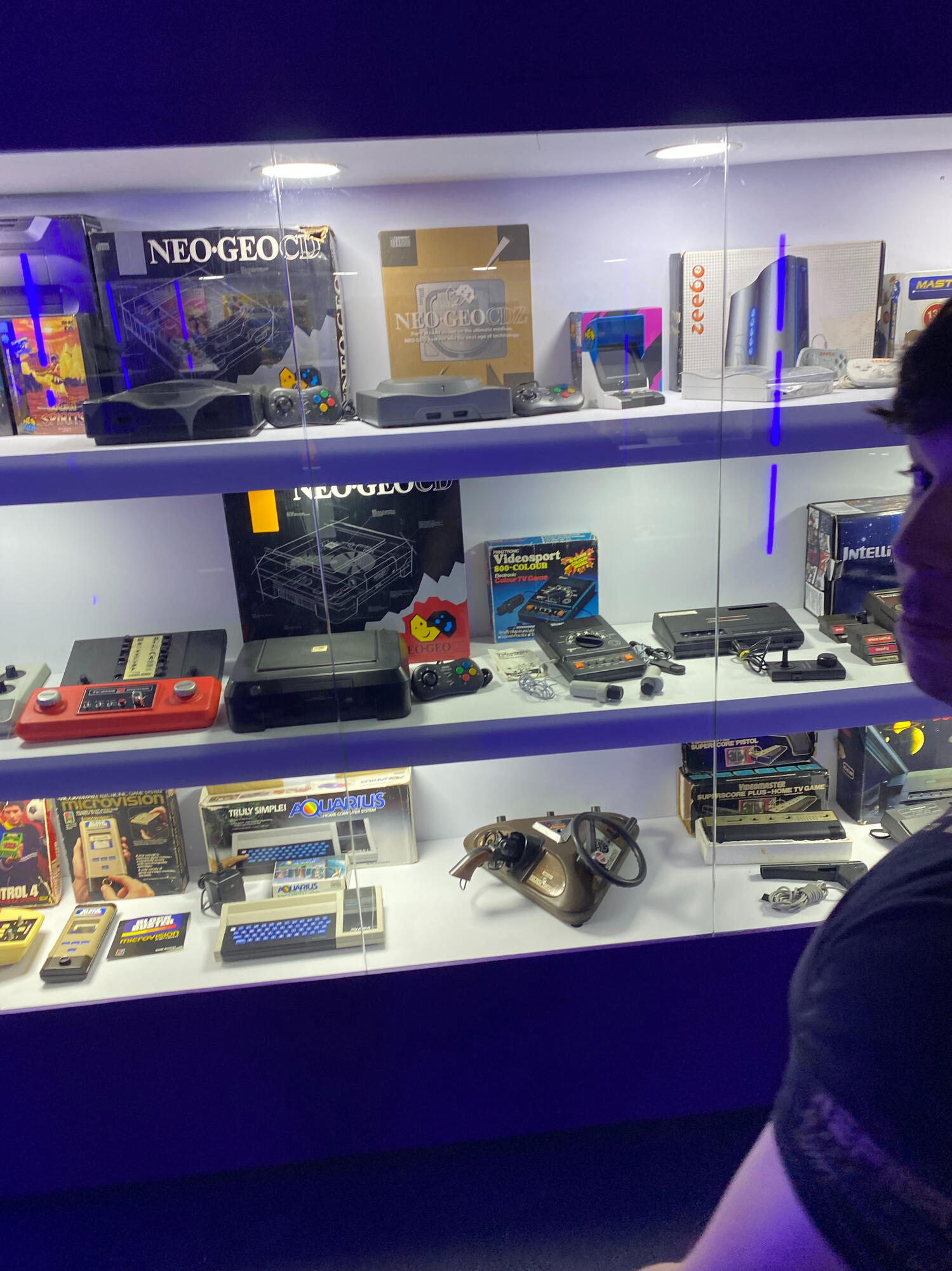
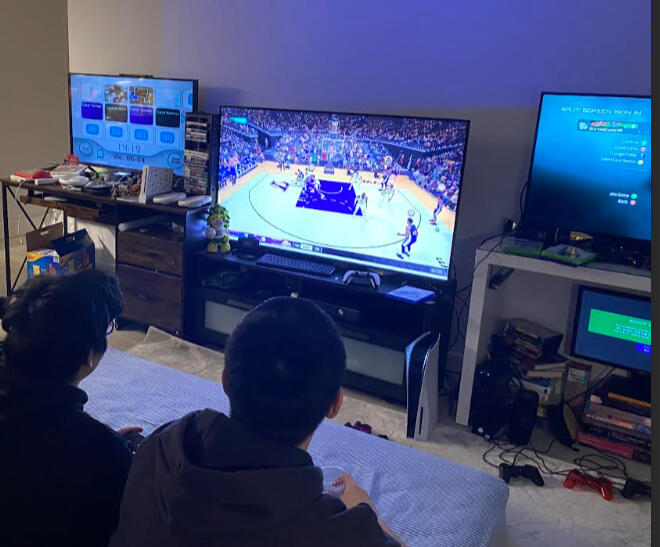
Challenging myself mentally by playing competitive online and local multiplayer games is something I cherish a lot. I consider myself a gaming enthusiast. I enjoy the nostalgia of playing in old consoles, as well as making my own games. Once I created and led an Esports organization in High School called Chidori Esports. We would compete on a variety of competitions. Despite multiple attempts or PC and Console my best performances have been in mobile platforms, reaching the top of multiple world tournaments.
Movie Reviews
Occasionally I update my profile on letter box, a movie social media platform with the movies that I have watched, and I provide some reviews.
MANUFACTURING EXPERIENCE
This page illustrates some of the equipment that I have experience working with.
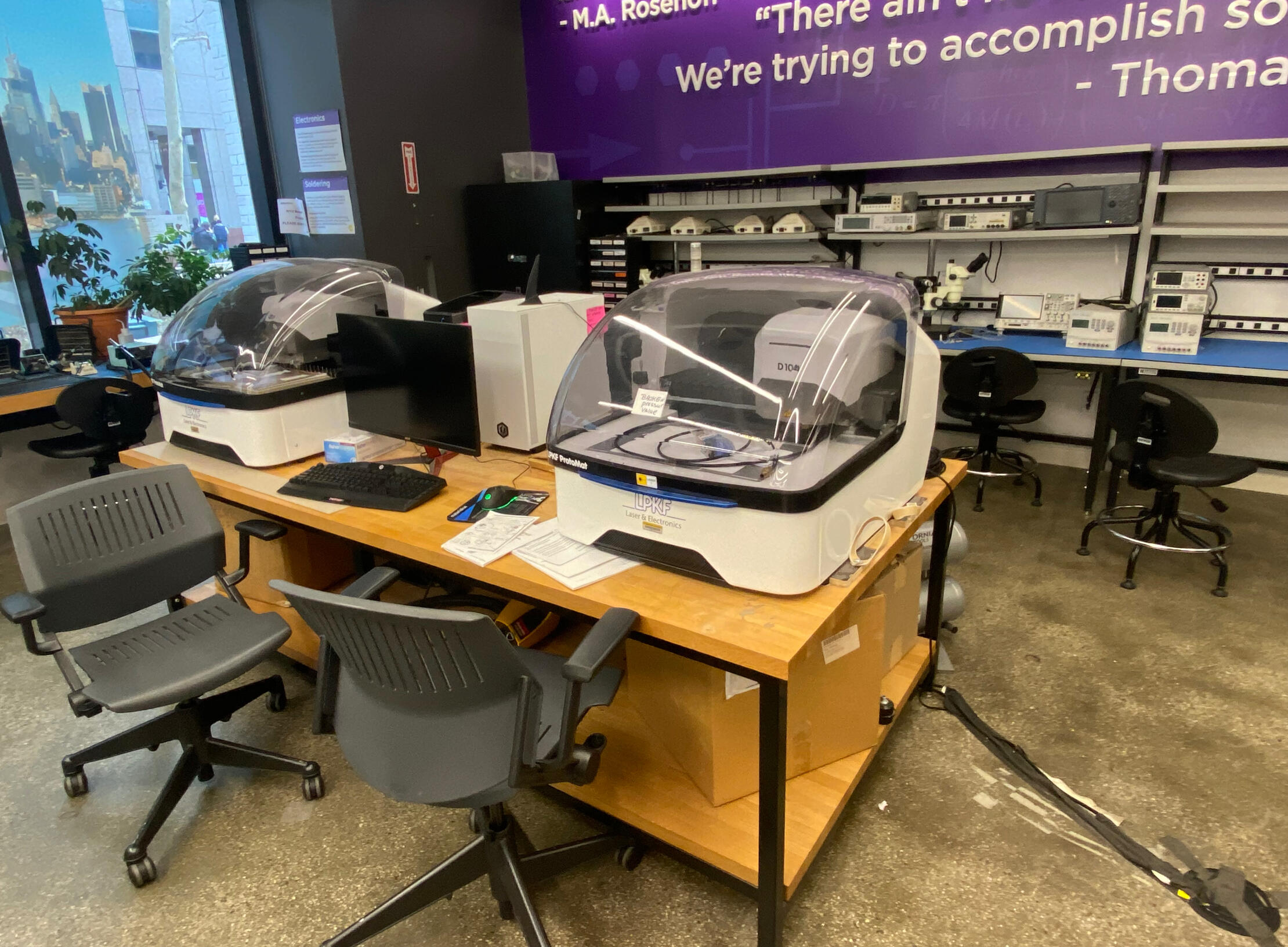
LPKF
Used this precision PCB prototyping and micromachining system used to mill, drill, or laser-process printed circuit boards and fine features for electronic fabrication and rapid circuit prototyping.
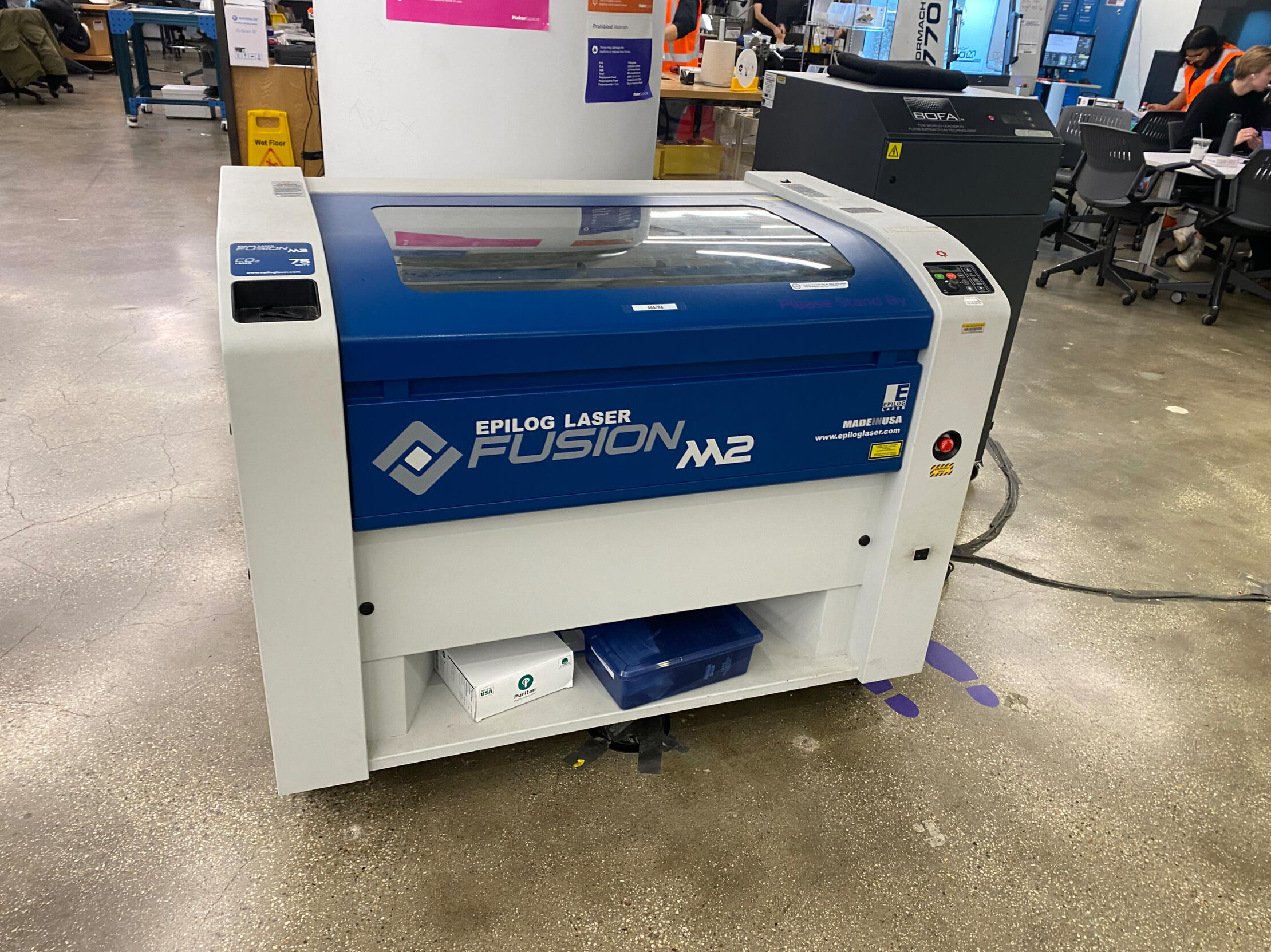
EPILOG LASER
Used high-precision CO₂ laser cutter and engraver used to cut, etch, and mark a wide range of materials (like wood, acrylic, plastics, and metals) with fine resolution and versatile raster and vector processing for prototyping, fabrication, and industrial design work.
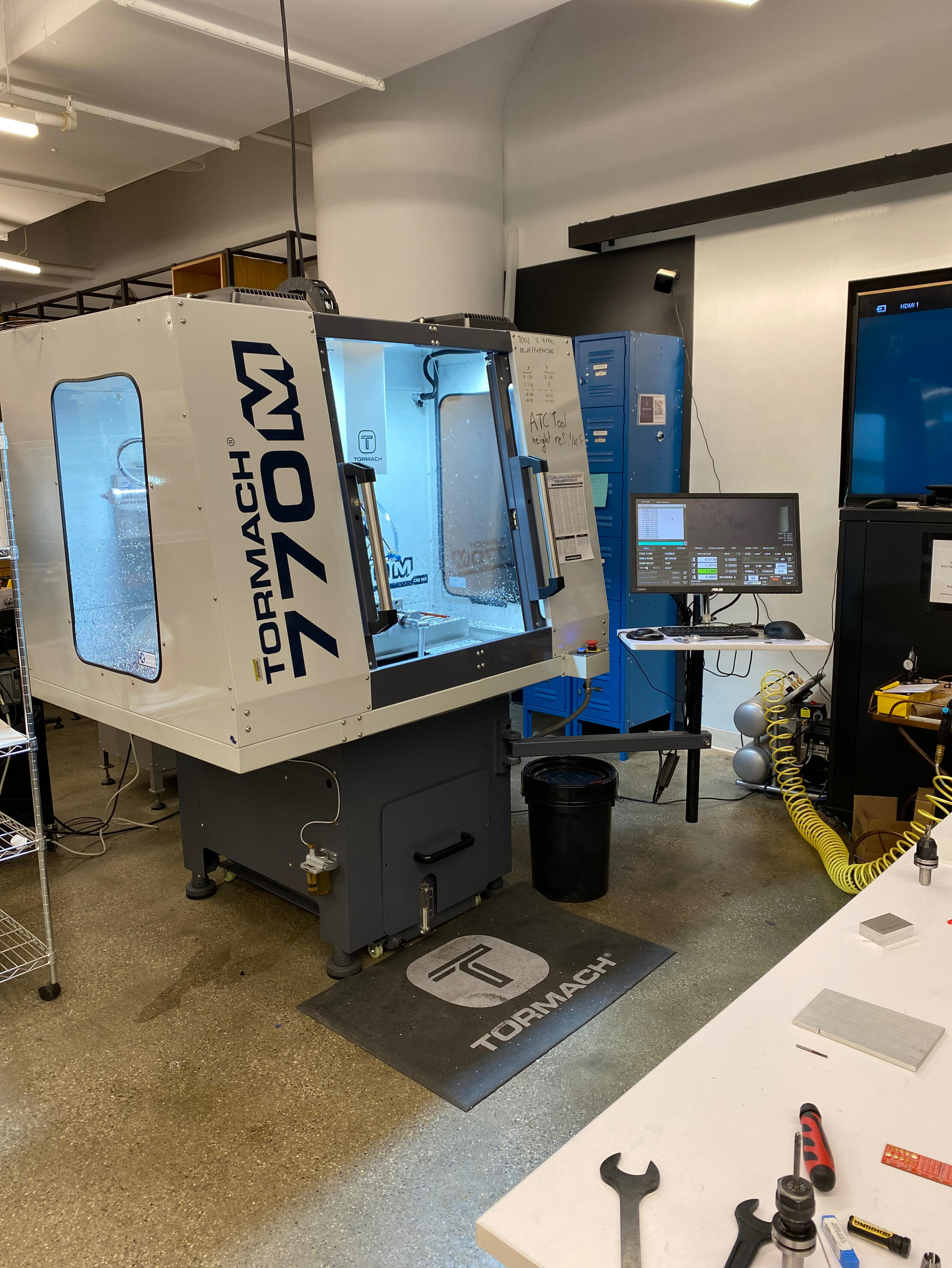
CNC MILL
Tormach 770M is a CNC mill used for multi-axis milling, drilling, and contouring of complex prismatic and three-dimensional geometries.
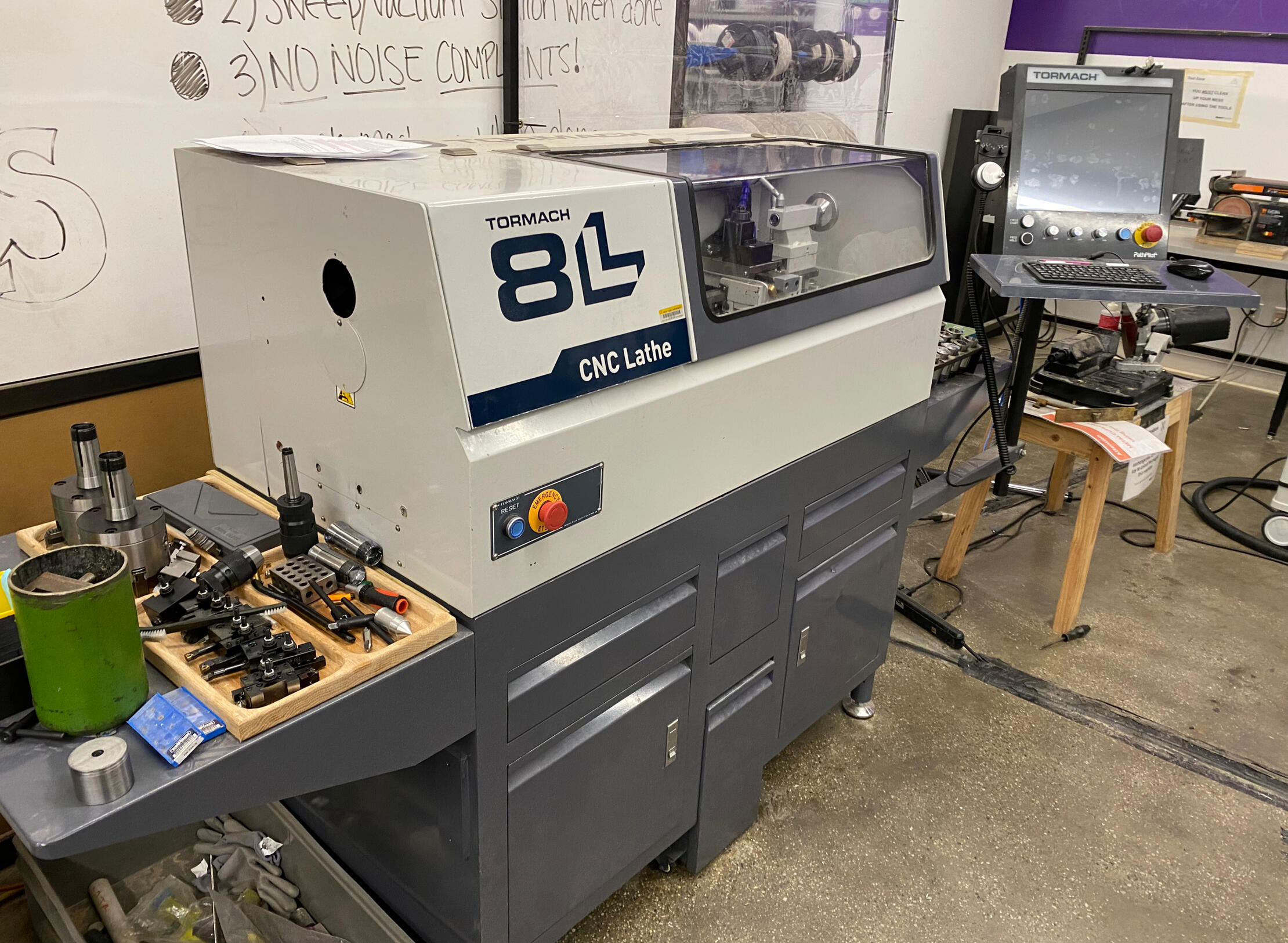
CNC LATHE
Tormach 8L is a CNC lathe used for precision turning operations on rotationally symmetric components such as shafts, bushings, and threaded parts.
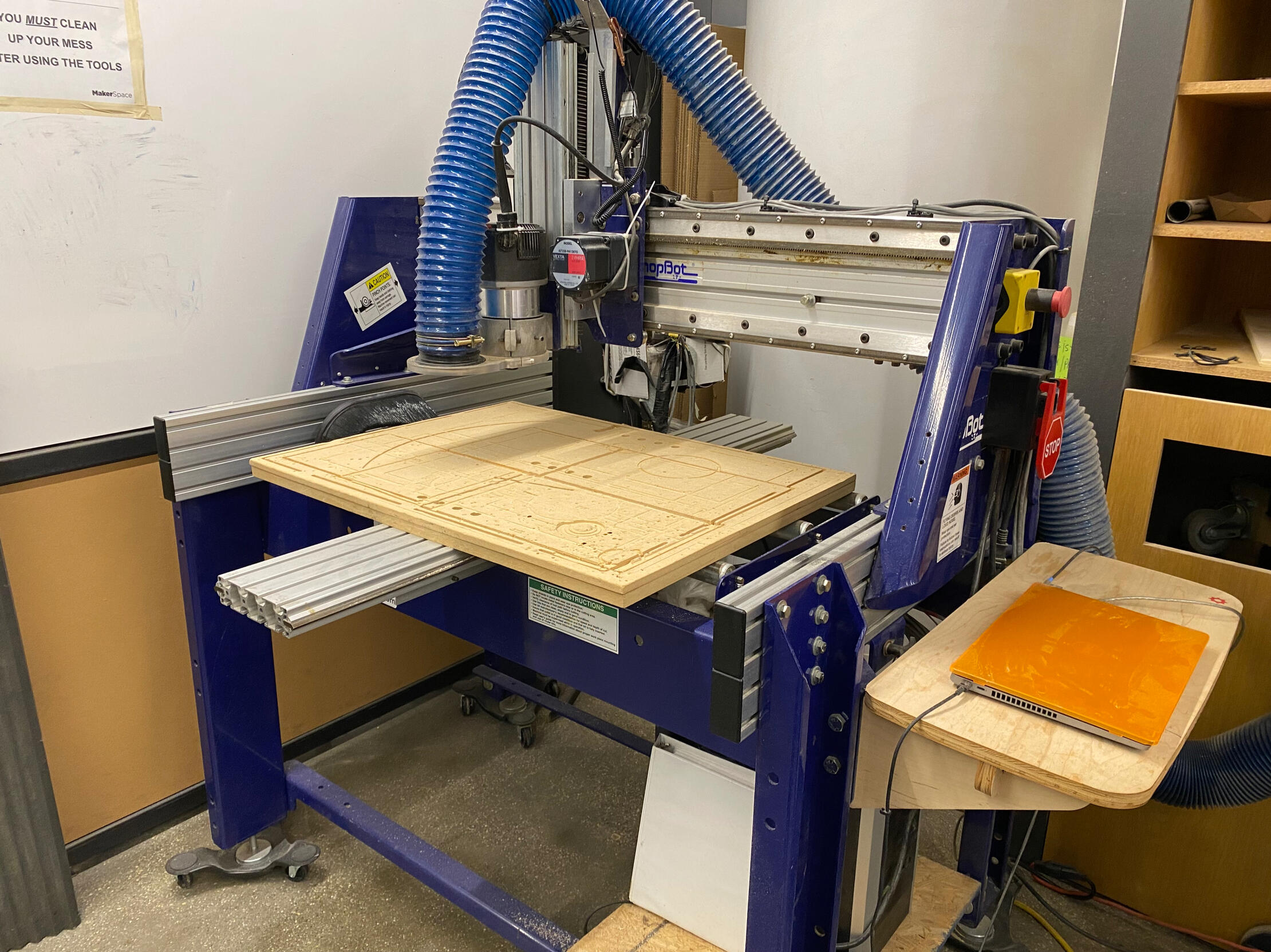
CNC ROUTER
Used to cut, carve, drill, and machine flat or large parts from materials like wood, plastics, foam, and light metals using computer-controlled multi-axis toolpaths.
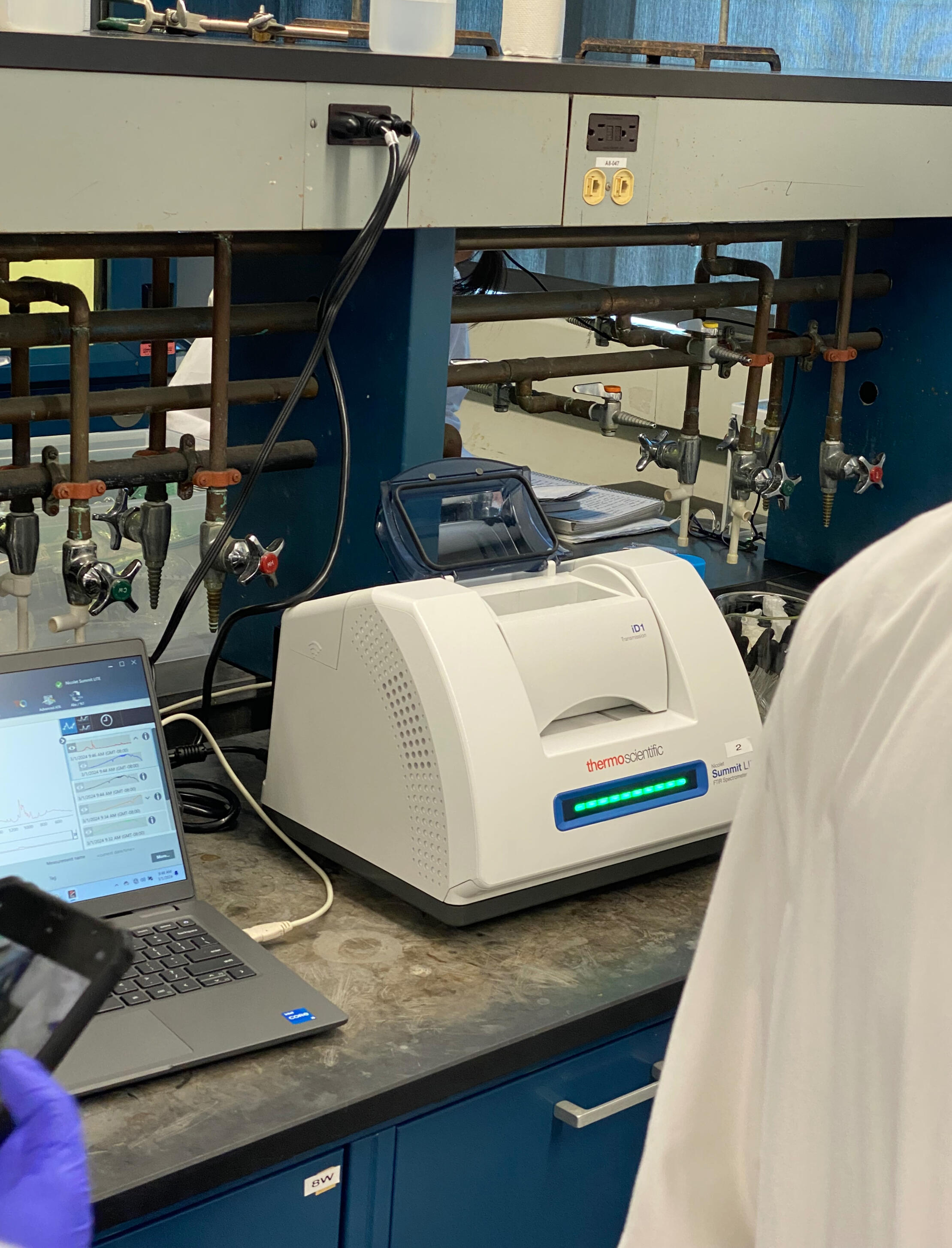
FTR SPECTROMETER
Performed infrared (IR) spectroscopy, specifically Fourier Transform Infrared (FTIR) spectroscopy, to analyze molecular vibrations and identify chemical bonds and functional groups in a sample.
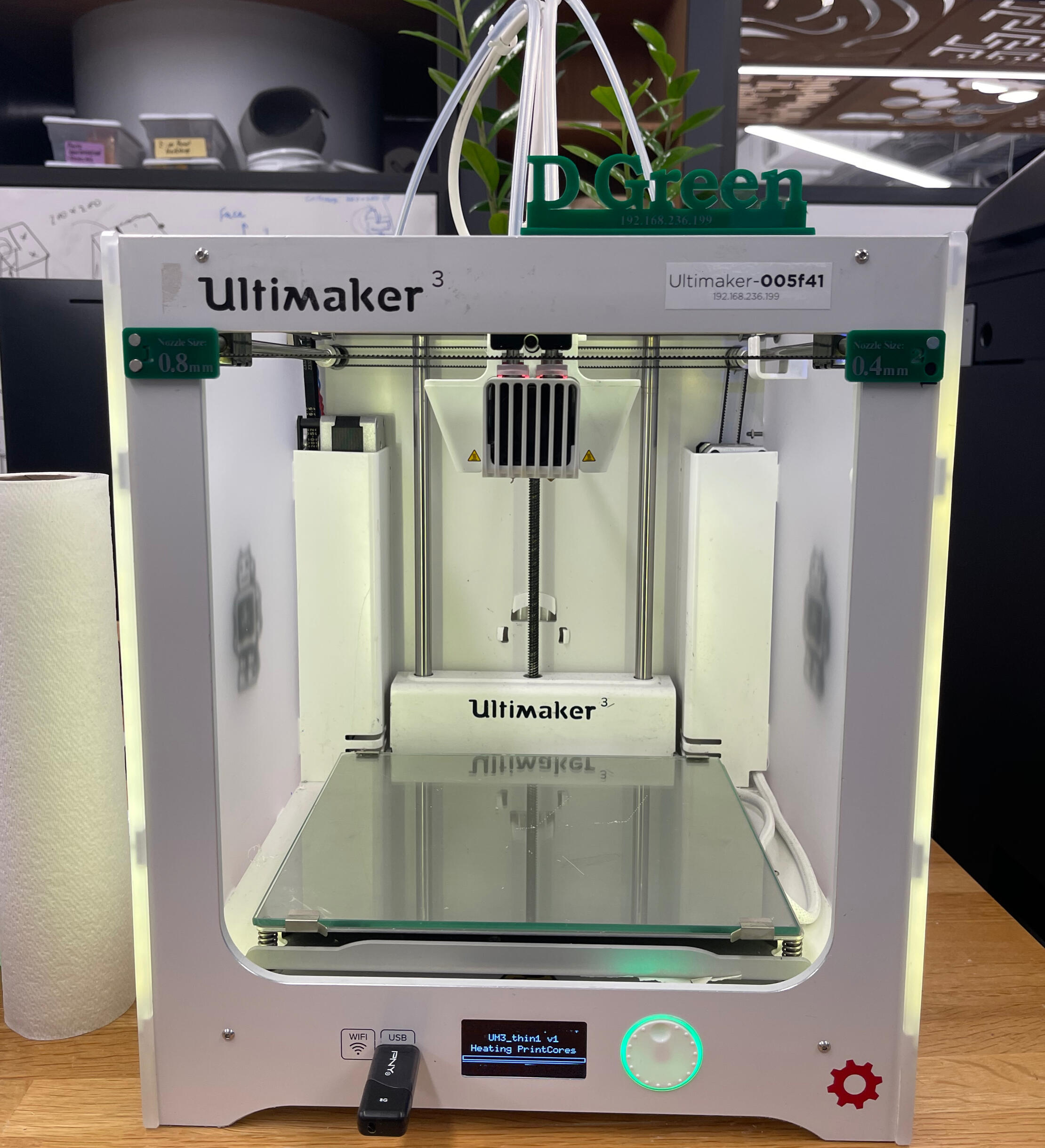
ULTIMAKER
3D printer designed for reliable, high-quality additive manufacturing of prototypes, functional parts, and complex geometries.
VIBROMETER
Measured vibrations in vehicle components to evaluate ride comfort, safety, and mechanical health. By analyzing vibration frequency and amplitude, engineers can detect issues like engine imbalance, suspension faults, drivetrain problems, or excessive noise and harshness (NVH) before they lead to failures.
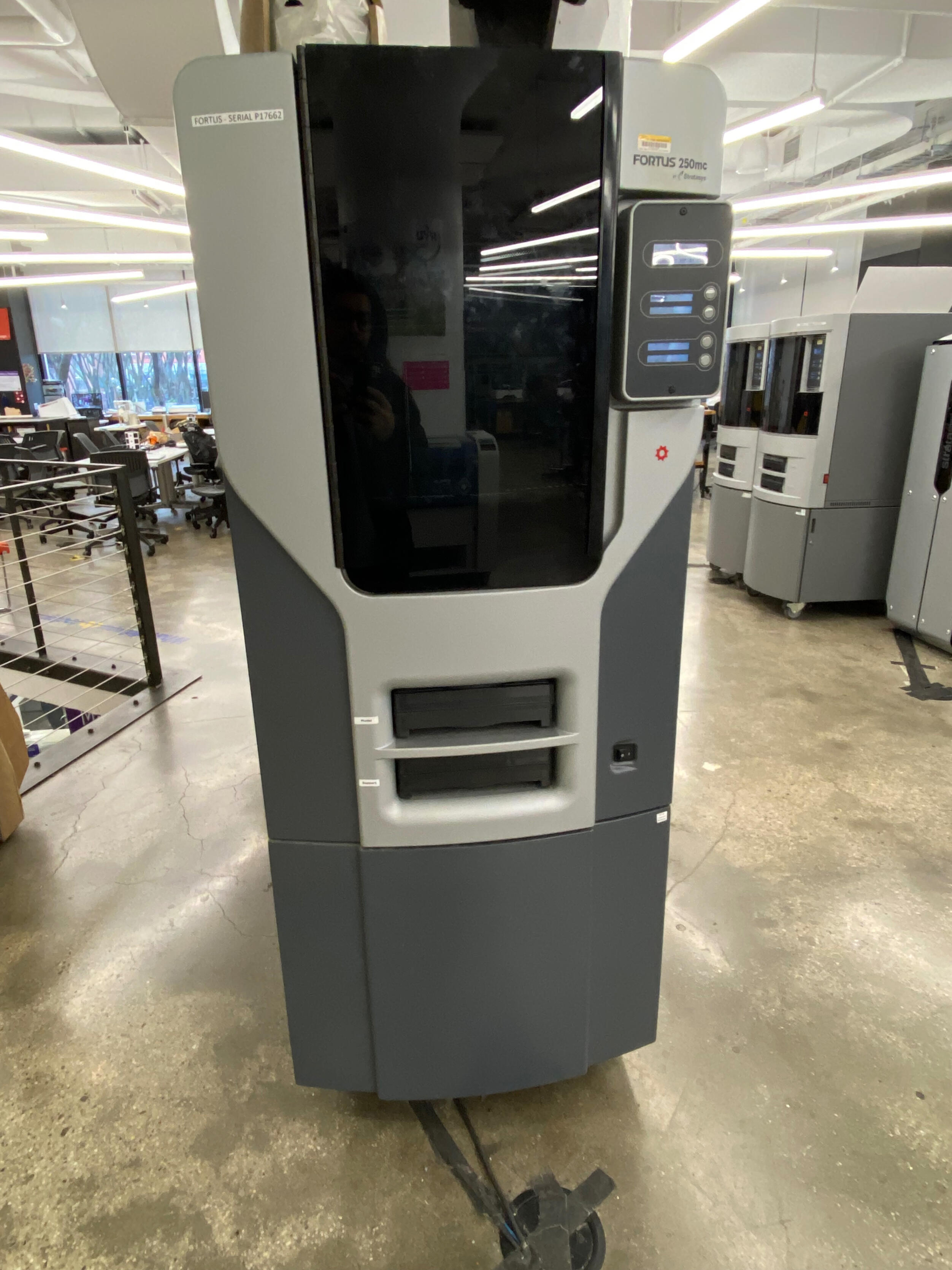
STRATASYS FORTUS 250mc
Fused Deposition Modeling (FDM) industrial 3D printer that uses production-grade thermoplastics like ABSplus to create durable prototypes, tooling, and end-use parts
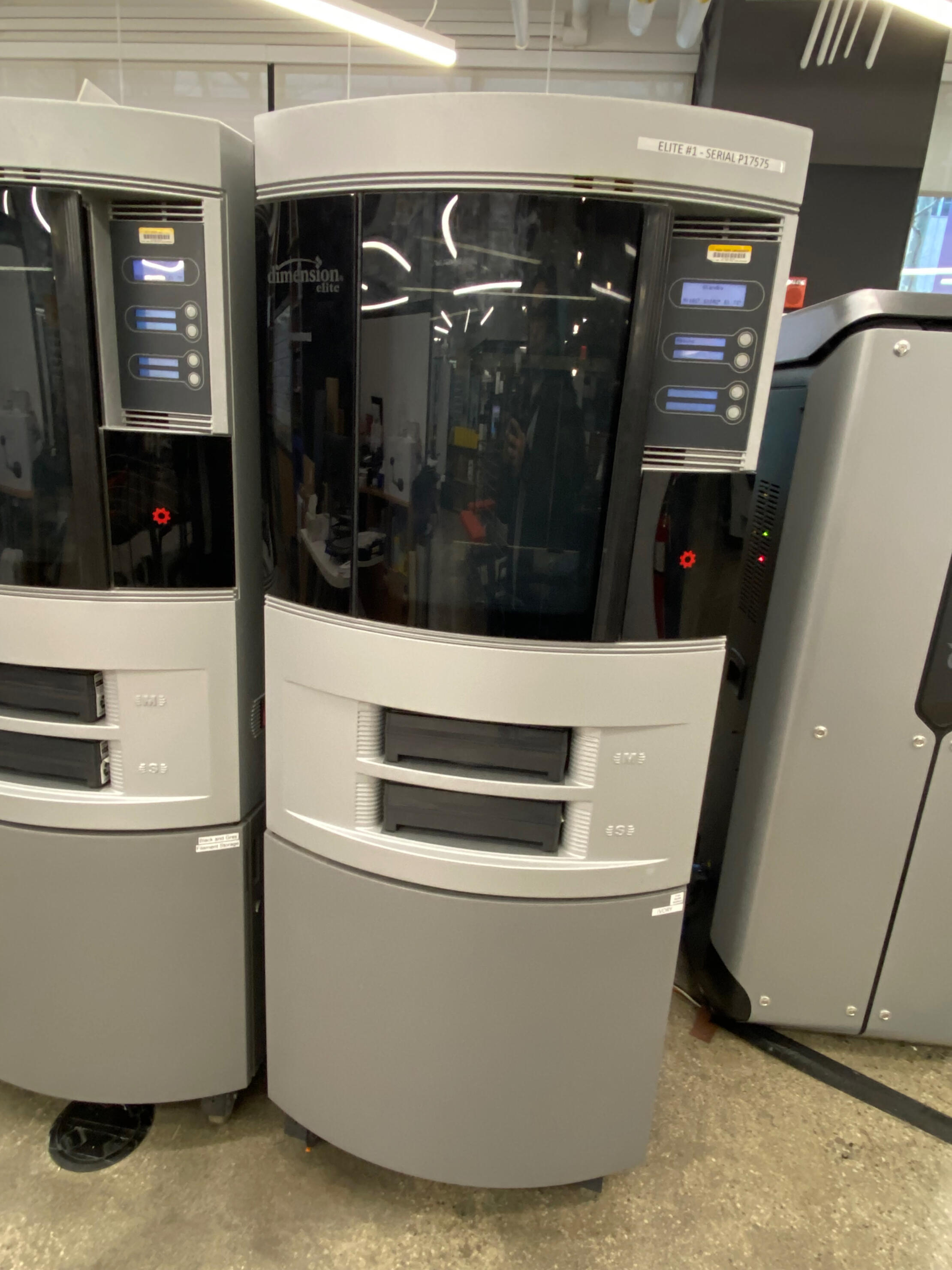
STRATASYS ELITE
Used a high-resolution FDM 3D printer that uses ABSplus thermoplastic to produce detailed, durable prototypes and functional parts with fine layer control within a moderate build envelope
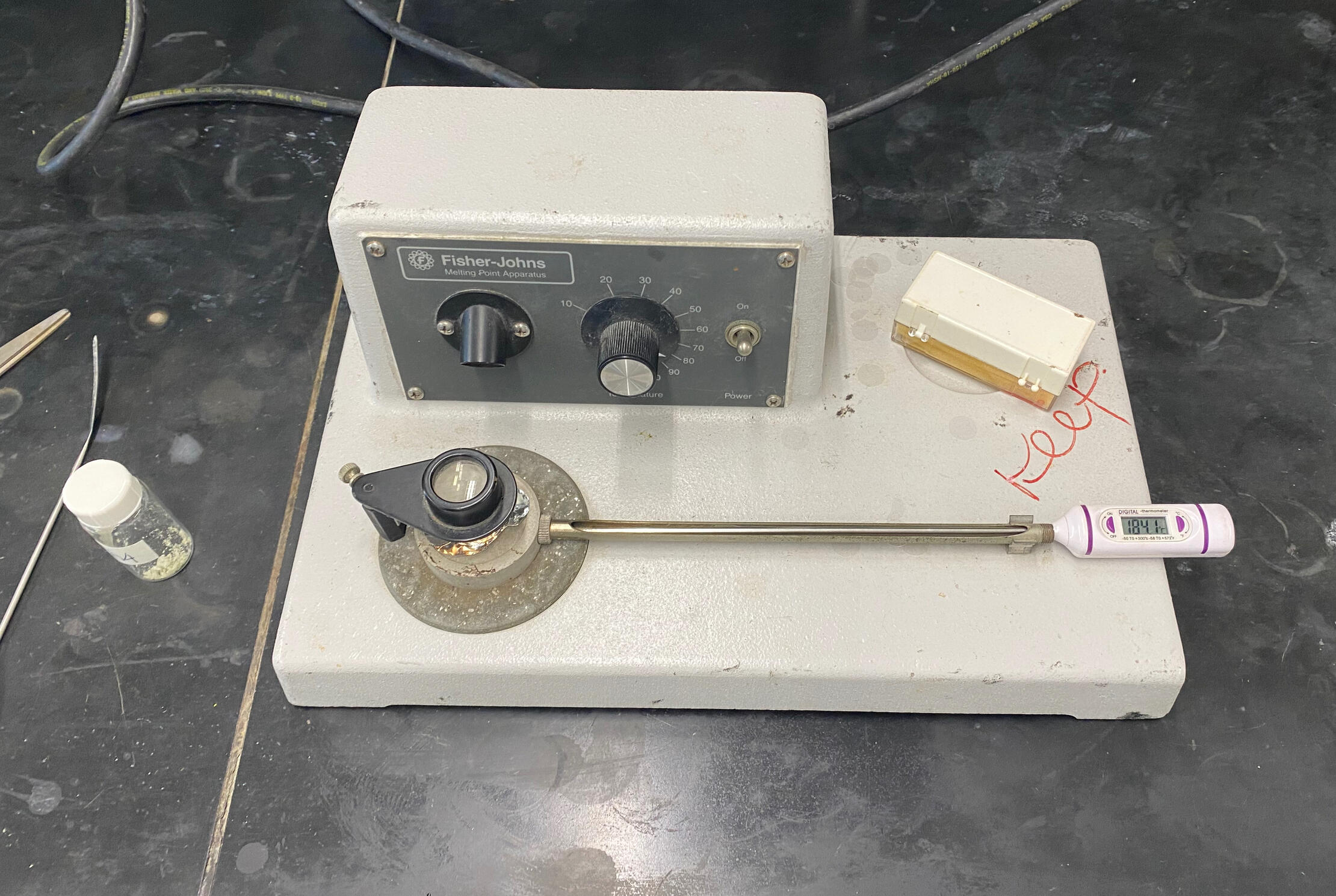
MELTING POINT APPARATUS
Used to determine the melting point of solid compounds—a key physical property for compound identification and purity assessment.
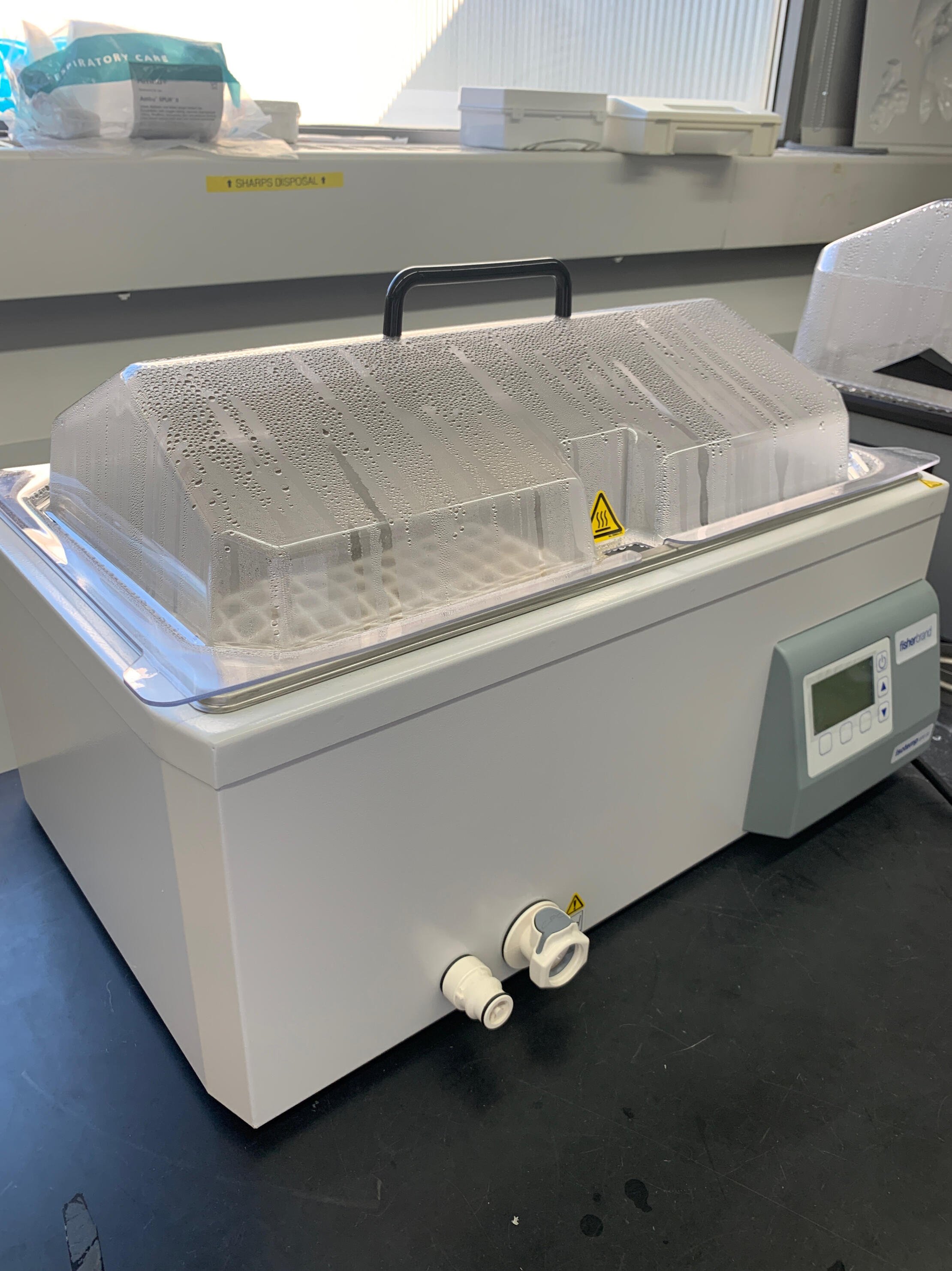
WATER BATH
Used for enzyme reactions, incubation steps, sample thawing, DNA/protein work, and denaturation studies
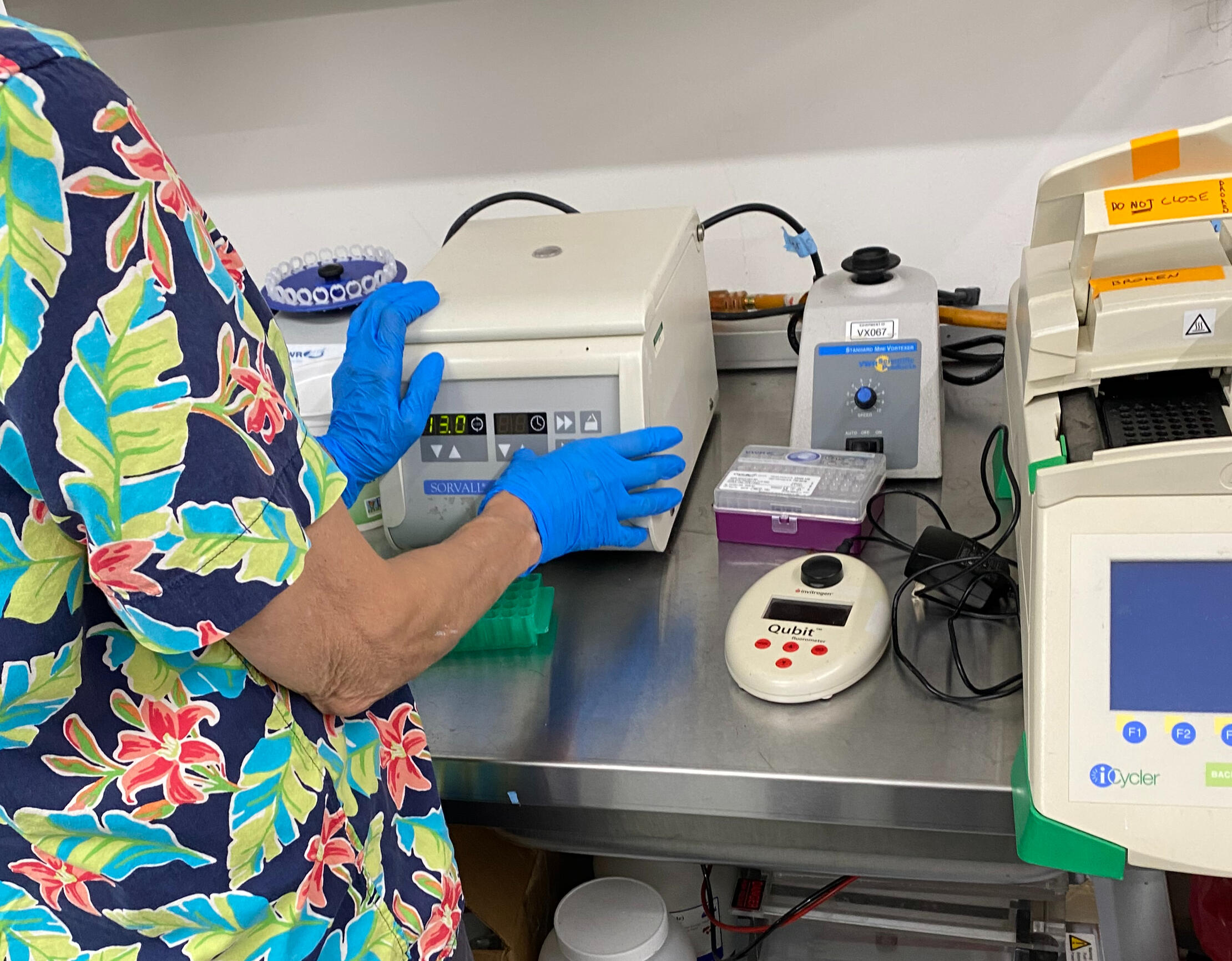
CENTRIFUGE
Used to separate components of a mixture based on density by spinning samples at high speed to generate centrifugal force. It is commonly used to pellet cells, proteins, or solids from liquids, clarify solutions, and isolate biological or chemical fractions for further analysis.
LABORATORY EXPERIENCE
This page illustrates some of the equipment that I have experience working with.
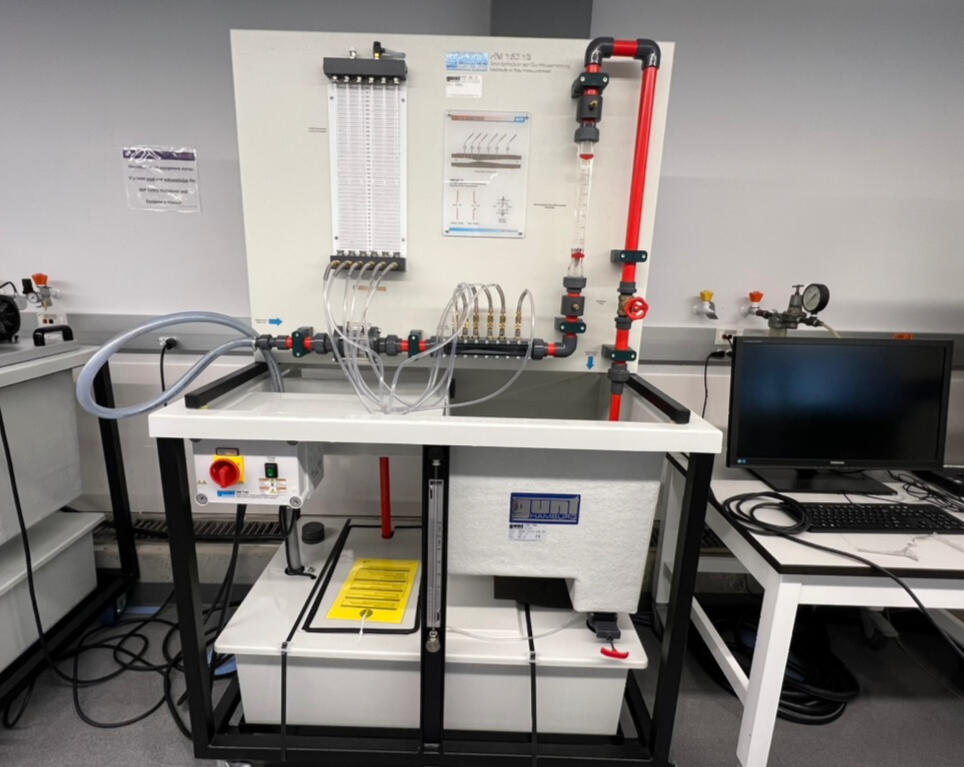
FLUID FLOW PRESSURE HEAD
Used closed-pipe flow meters—specifically the rotameter, Venturi meter, and orifice meter—to measure flow rate using float height or pressure drop across a constriction. Experimental data were used to calibrate discharge coefficients and scaling constants and compare them to theoretical and manufacturer values to assess meter accuracy and performance.
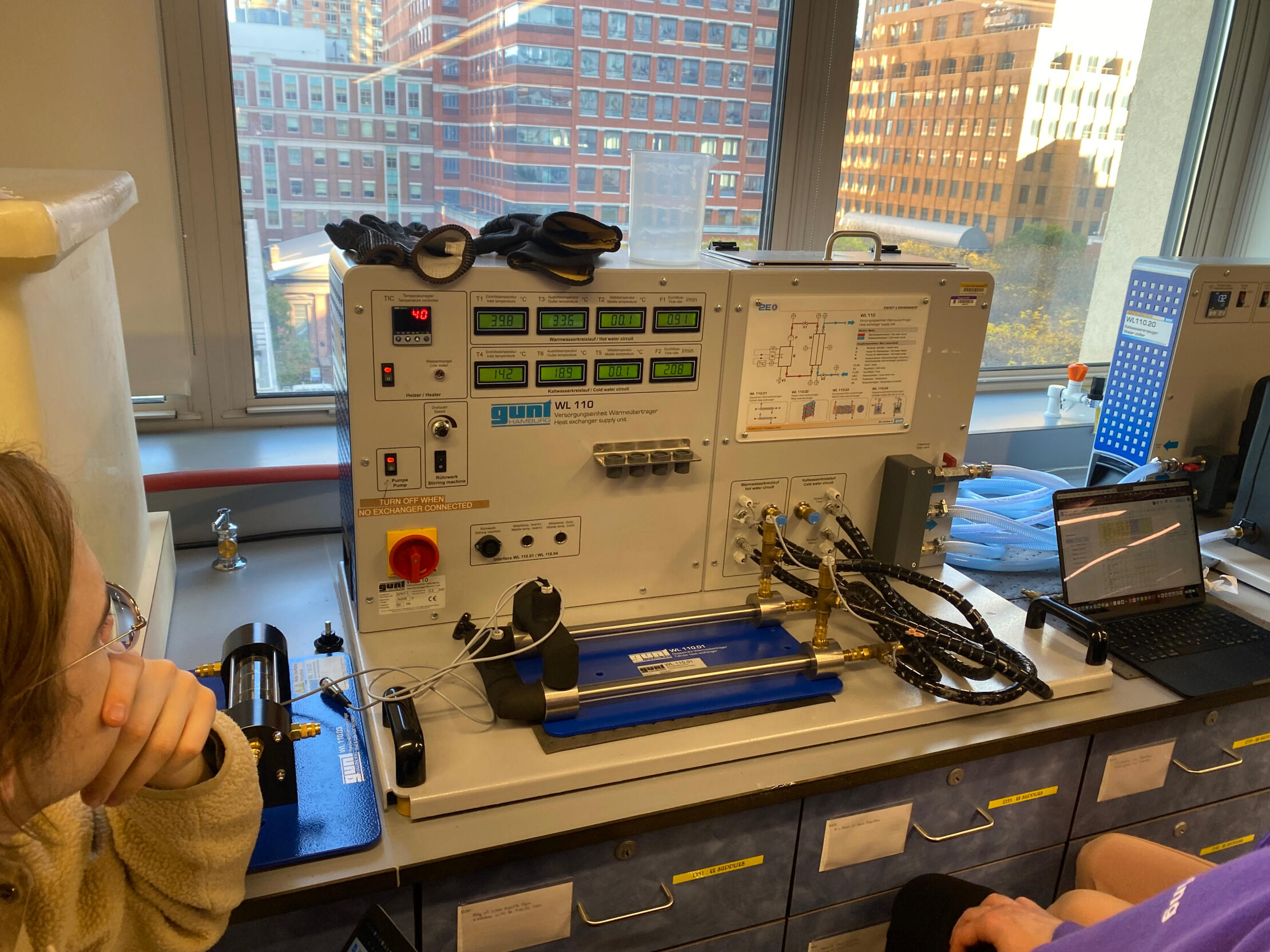
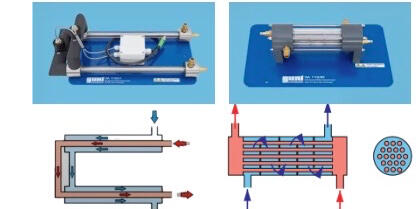
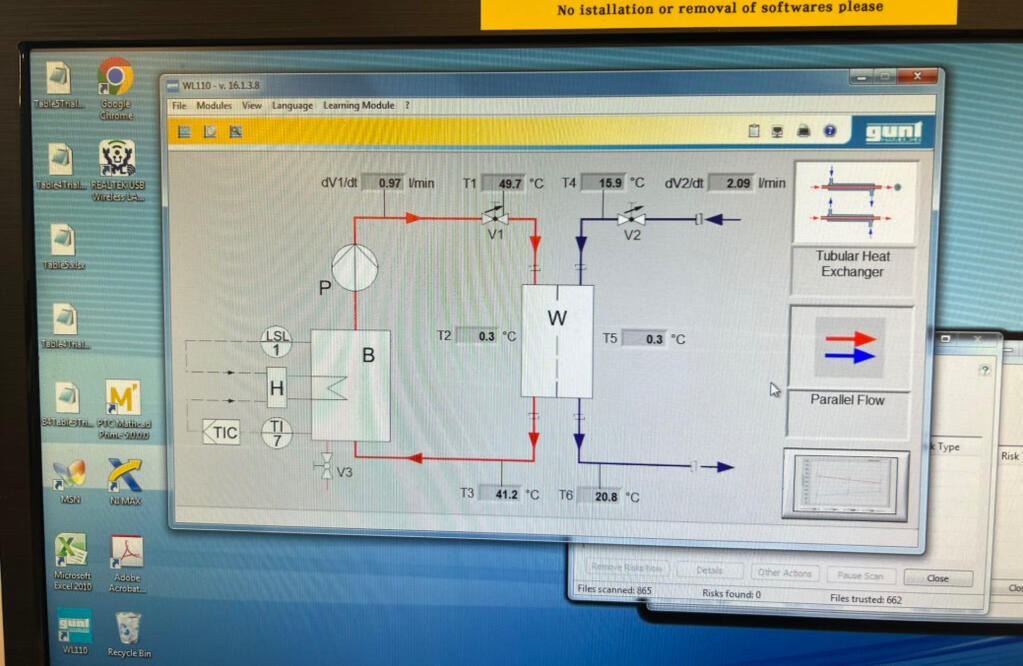
HEAT EXCHANGERS
Tested tubular and shell-and-tube exchangers under controlled flow and temperature conditions. Higher hot-stream temperatures and flow rates increased heat duty and improved the overall heat-transfer coefficient km. Counter-flow operation performed better than parallel flow, and the tubular exchanger showed higher km than the shell-and-tube.
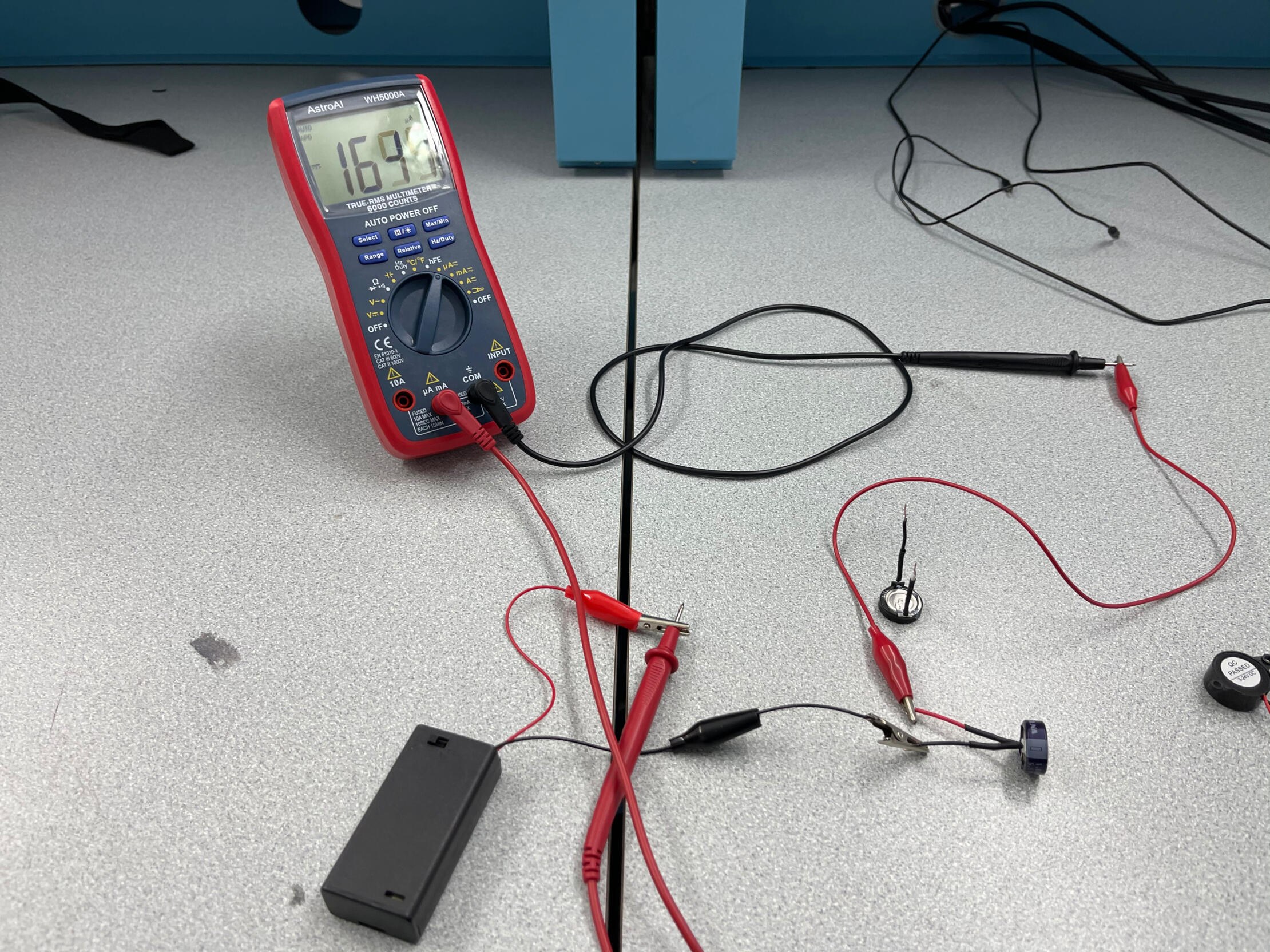
CAPACITORS
Tested capacitor discharge and charging capacity for the transfer of mechanical work to power a small vehicle using mechanical advantage.
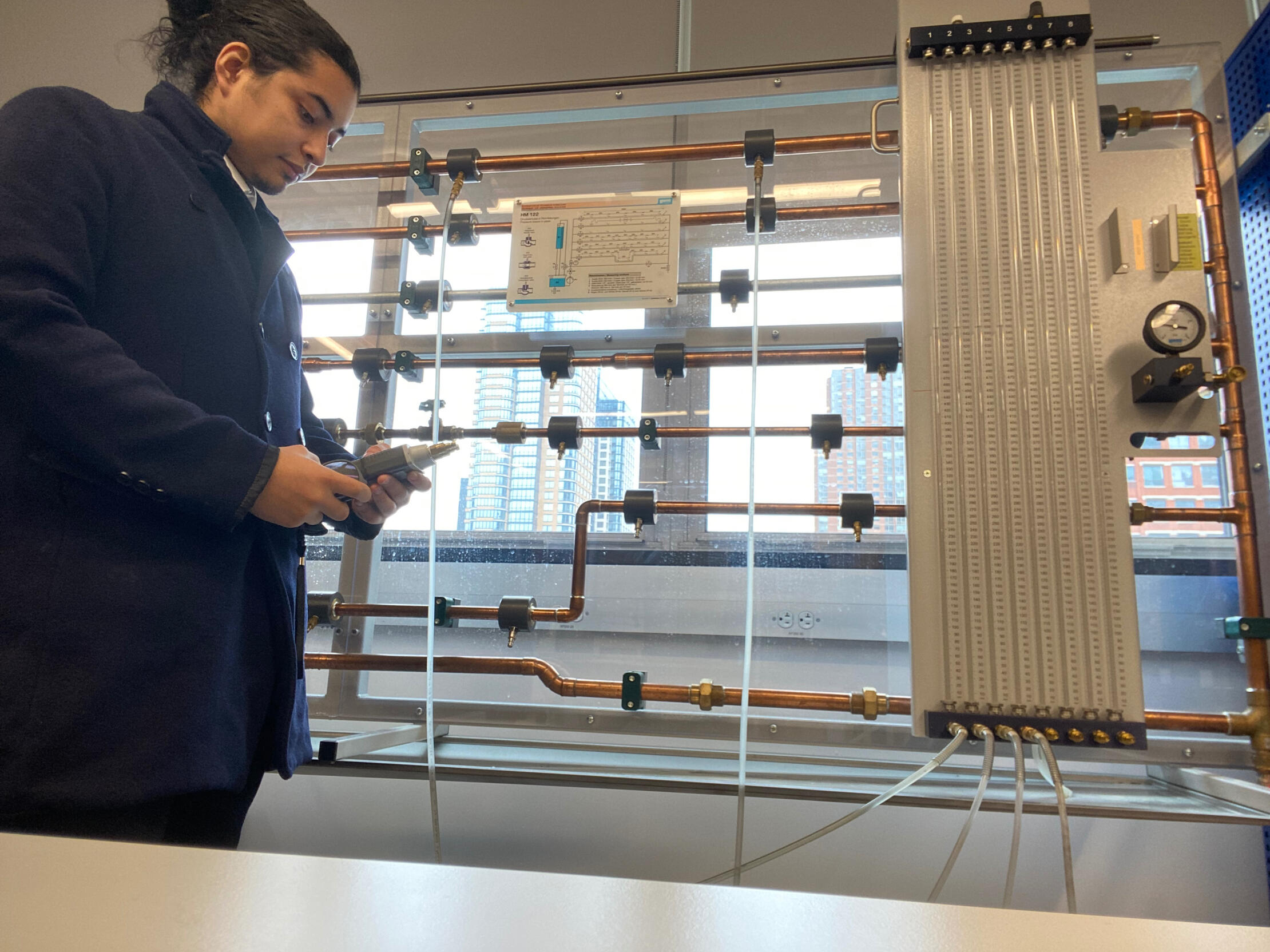
PIPE FITTING
Examined pressure losses in pipe systems by measuring pressure drops across straight pipes and common fittings to determine the friction factor (λ) and drag coefficient (ξ) as functions of flow rate, diameter, material, and geometry. The results were compared to theoretical correlations to show how surface roughness and fittings (valves, constrictions, bends) dominate energy losses and influence pump sizing and system efficiency.
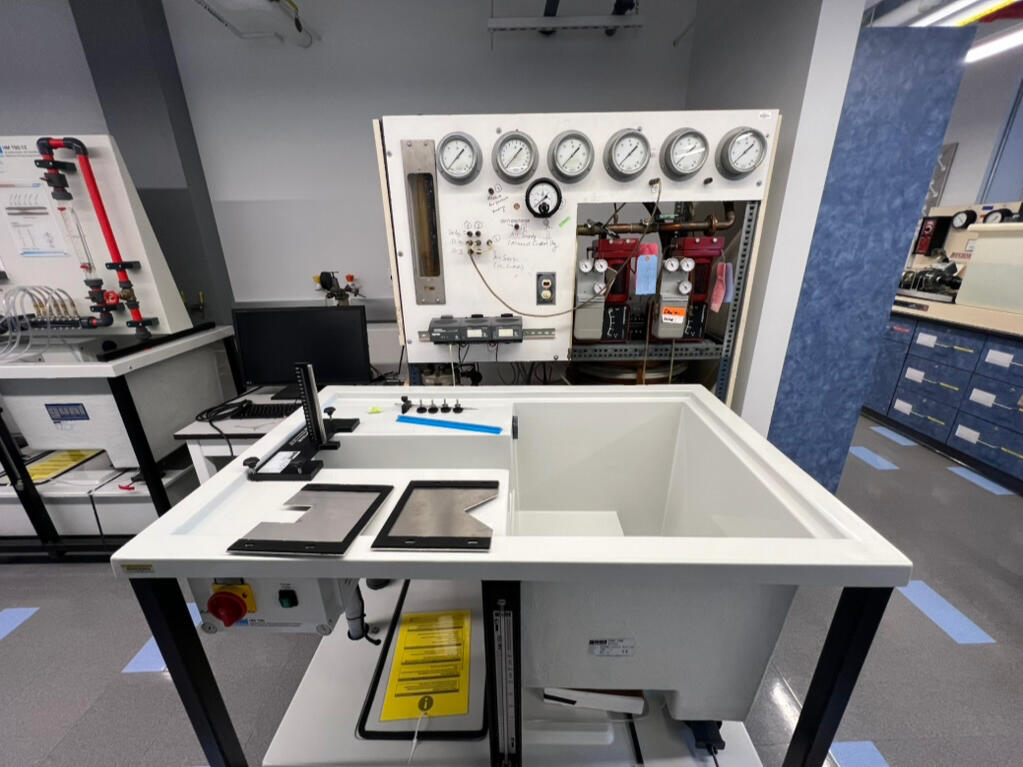
WEIR PLATE
Measured liquid flow rates by relating the height of water above the weir crest to the discharge flow rate for both rectangular and V-notch weirs operating under open-channel flow conditions. Experimental data were used to determine the discharge coefficient (Cw) and exponent (n), which were then compared to theoretical values to validate the weir flow models.
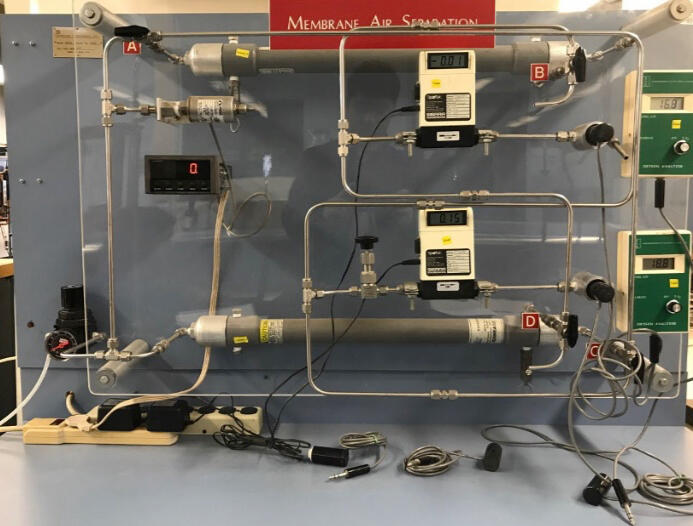
GAS SEPARATION
Investigated membrane gas separation by using hollow-fiber polymer membranes to separate oxygen and nitrogen from compressed air while operating the system in parallel and series configurations. The purpose was to evaluate how pressure and flow rate affect oxygen permeability (QA), selectivity (α), and transport behavior, and to compare experimental results with predictions from the solution–diffusion model.
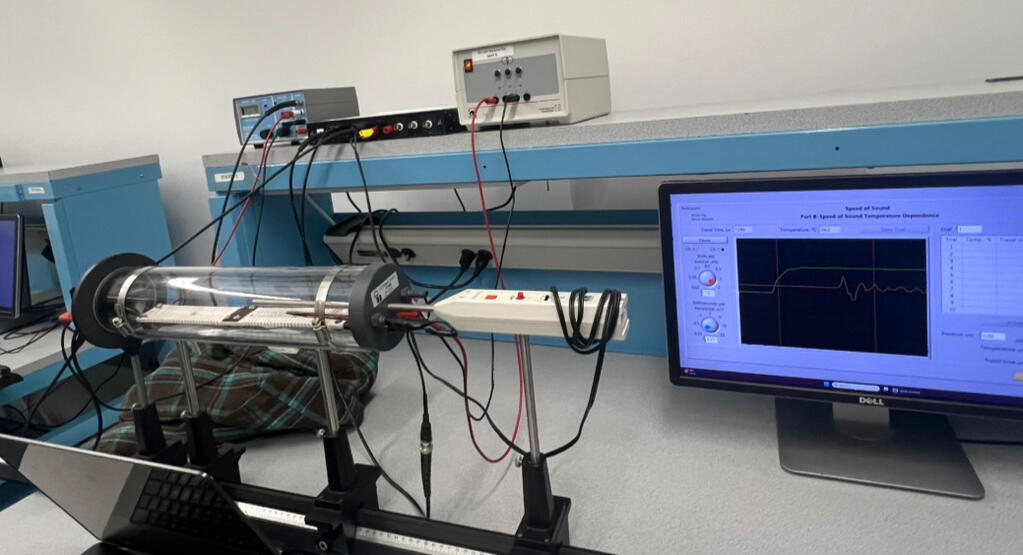
SPEED OF SOUND
Measured the speed of sound in air by timing how long an acoustic pulse takes to travel from a loudspeaker to a microphone at different positions and extracting the speed from the slope of position vs. travel-time data. It also examined the temperature dependence of the speed of sound by heating the air and comparing experimental results with theoretical predictions.
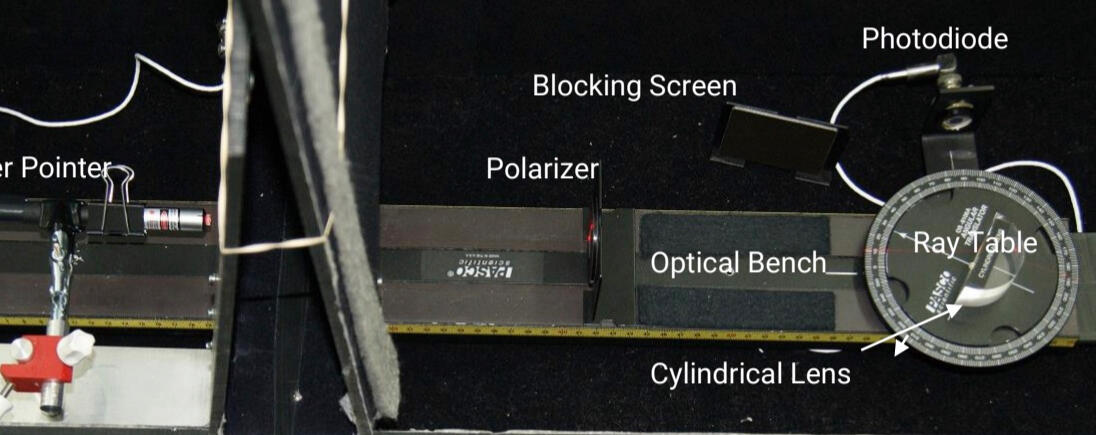
LASERS
Used the reflection, refraction, and polarization of light by using a laser, ray table, and Plexiglas lens to measure angles and determine the index of refraction through Snell’s Law. It also investigated polarization by reflection by measuring reflected light intensity with a polarizer and photodiode to experimentally determine Brewster’s angle for Plexiglas.
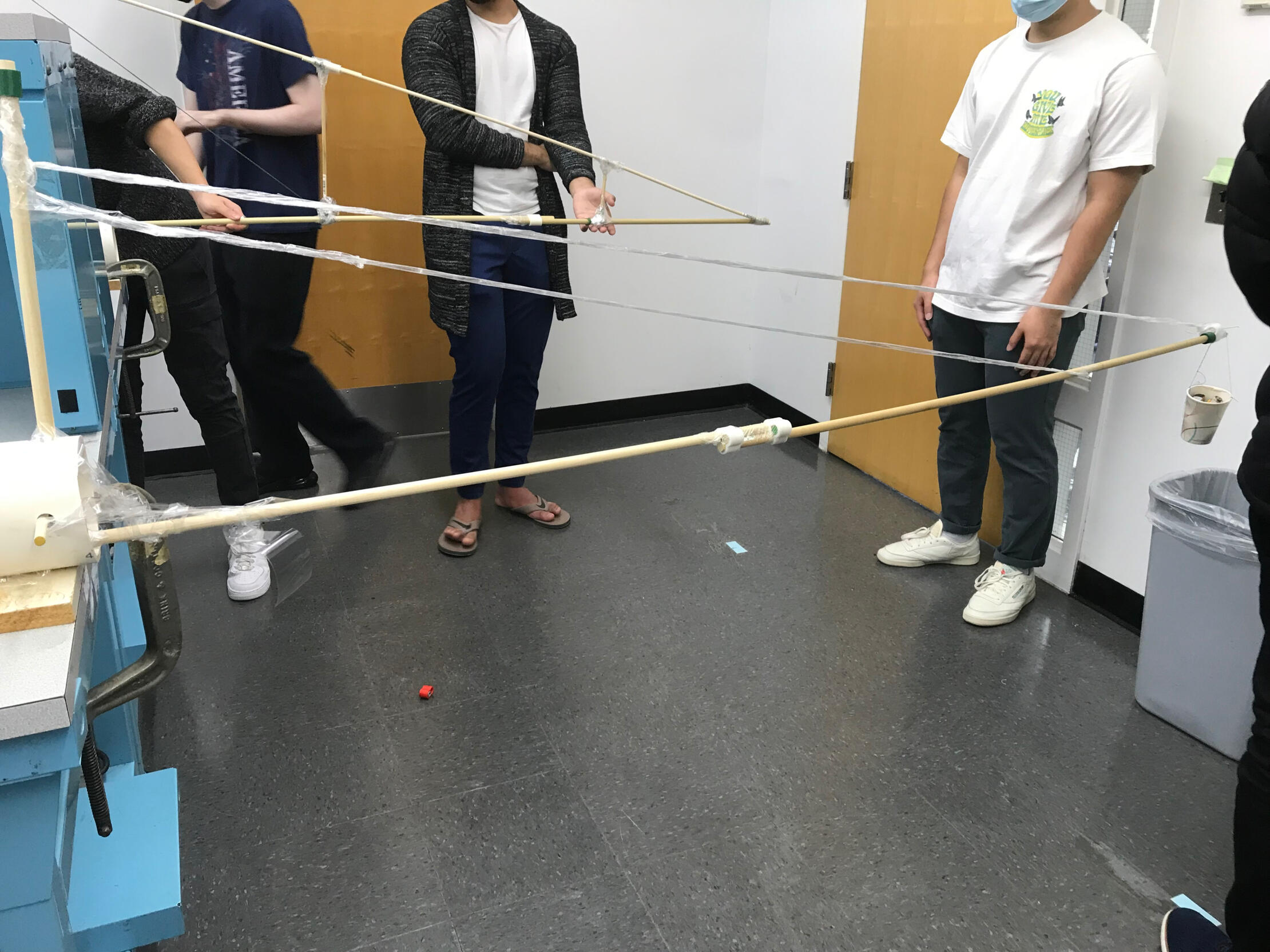
TENSION OF CRANES
Demonstrated the physics behind cranes typically focuses on static equilibrium, torque, and tension forces acting on a rigid structure. By balancing loads at different distances from a pivot and measuring cable tensions, the experiment shows how moment arms, counterweights, and force distribution determine crane stability and lifting capacity. This illustrates why cranes use long booms, counterweights, and angled support cables to safely lift heavy loads without tipping.
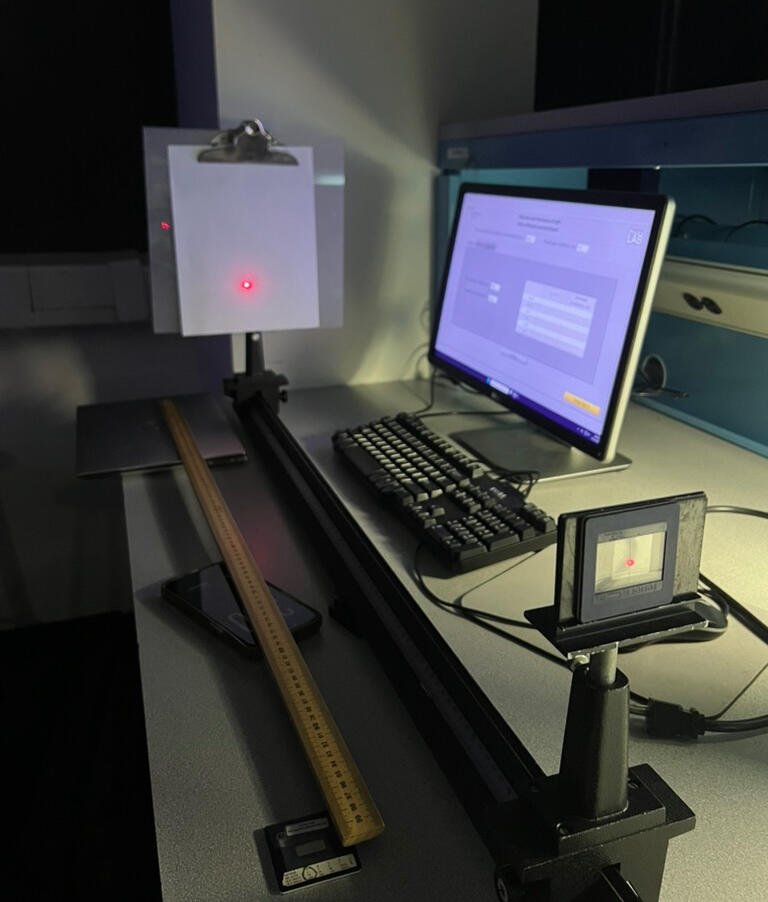
DIFFRACTION OF LIGHT
Studied diffraction and interference of light by observing patterns produced by single slits, thin wires, double slits, and diffraction gratings to understand the wave nature of light. Measurements of fringe positions were used to determine laser wavelength, slit spacing, wire diameter, and spectral wavelengths of hydrogen and helium lamps using interference equations.
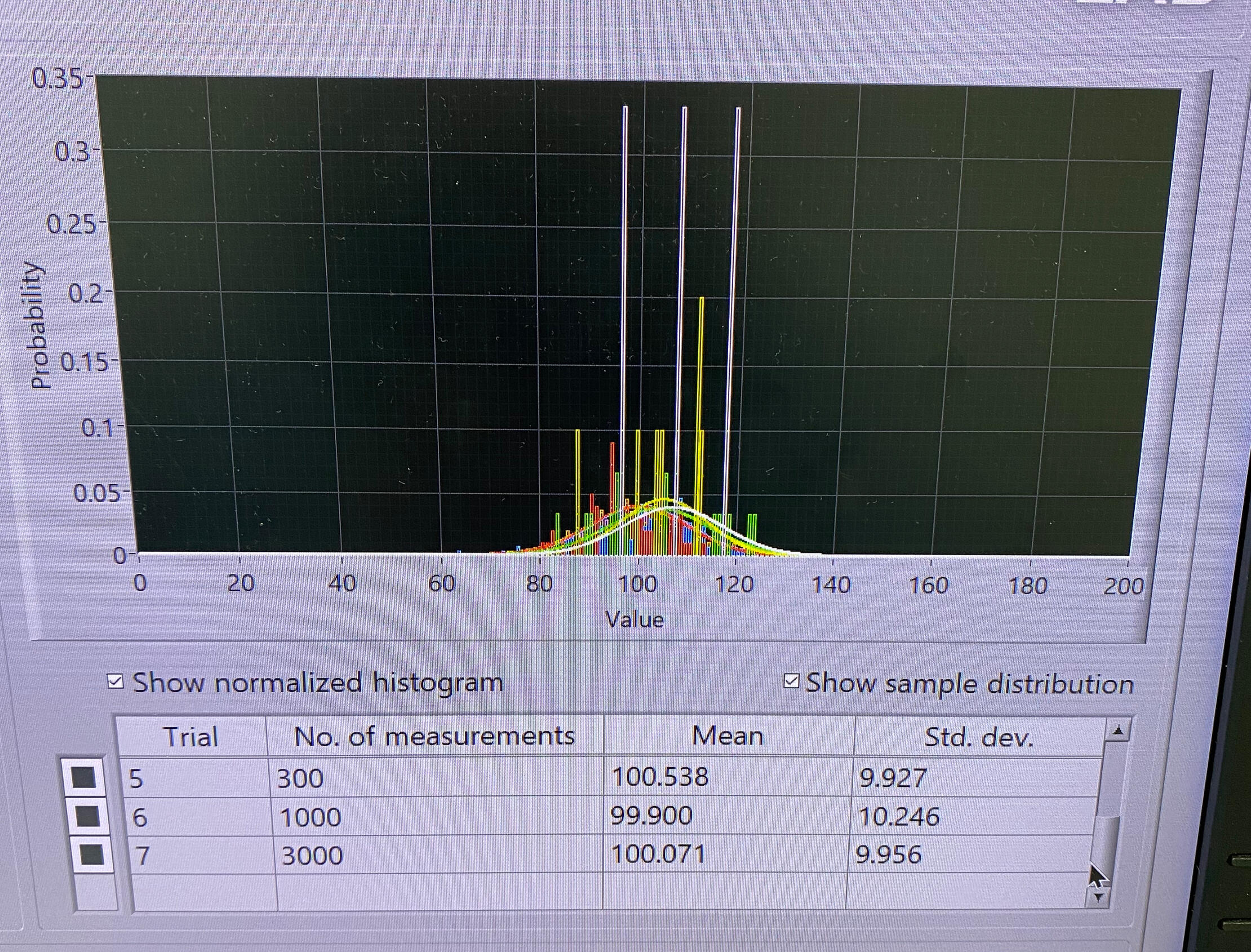
DATA ANALISYS
Calculated mean values, standard deviations, and total uncertainties for repeated measurements to determine best estimate values and assess measurement precision. Histograms, normal distributions, and error-bar plots were used to evaluate random fluctuations, instrument uncertainty, and accuracy of the experimental results.
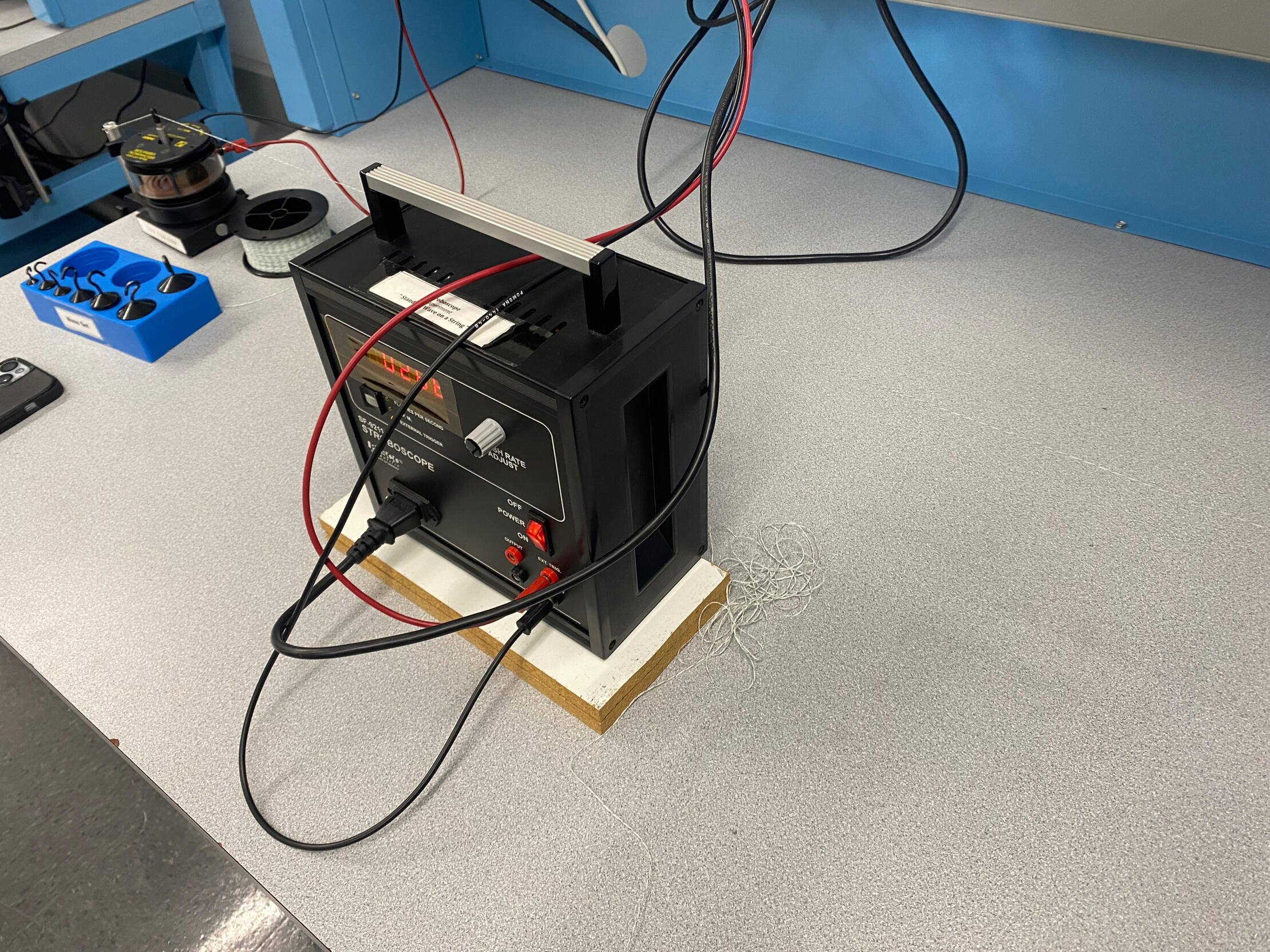
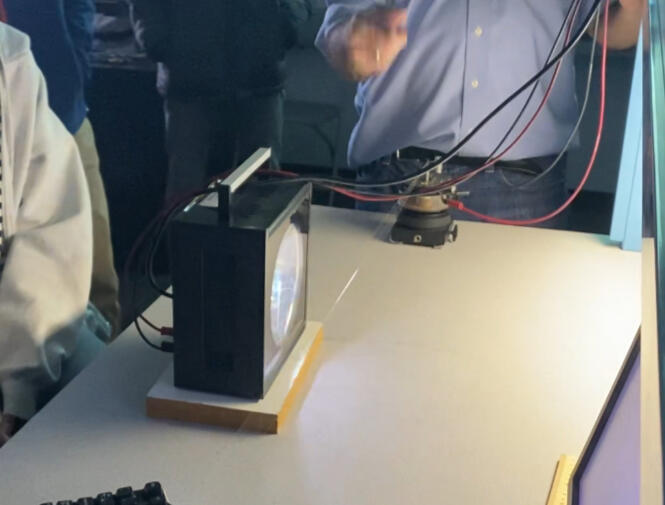
STROBOSCOPE
Studied standing waves on a stretched string using a variable-frequency oscillator and magnetic vibrator to excite harmonics while a stroboscope was used to accurately measure vibration frequencies. A pulley system with hanging masses set the string tension, allowing wave velocity to be calculated from measured wavelengths and frequencies and compared with theoretical values.
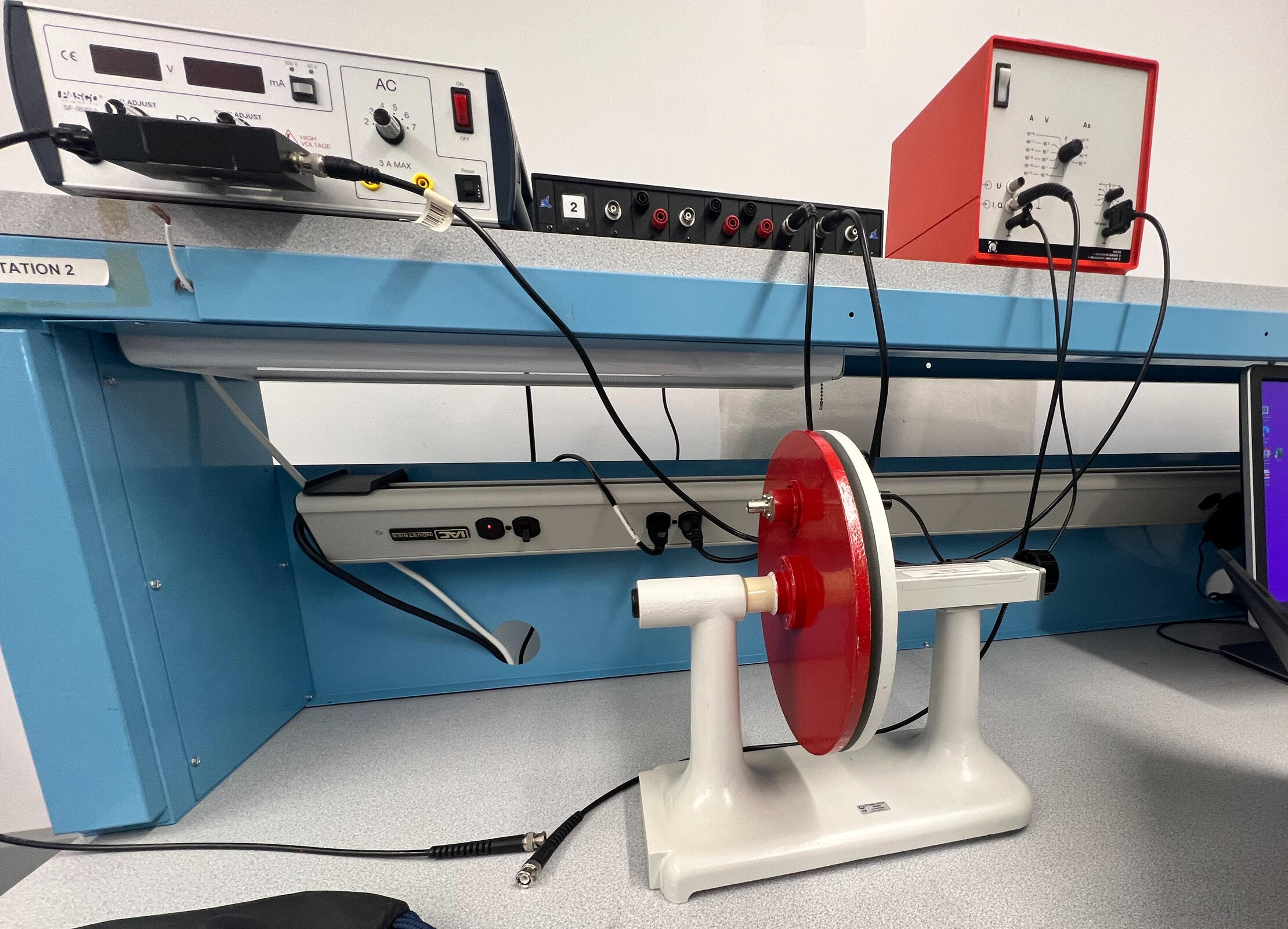
DISCHARGE
Tested the capacitance and dielectrics using a heavy, adjustable parallel-plate capacitor with red (high-voltage) and white (grounded) plates to measure how charge and voltage depend on plate separation. By inserting a dielectric sheet between the plates, the experiment demonstrated how polarization increases capacitance and allowed determination of the permittivity and dielectric constant of materials.
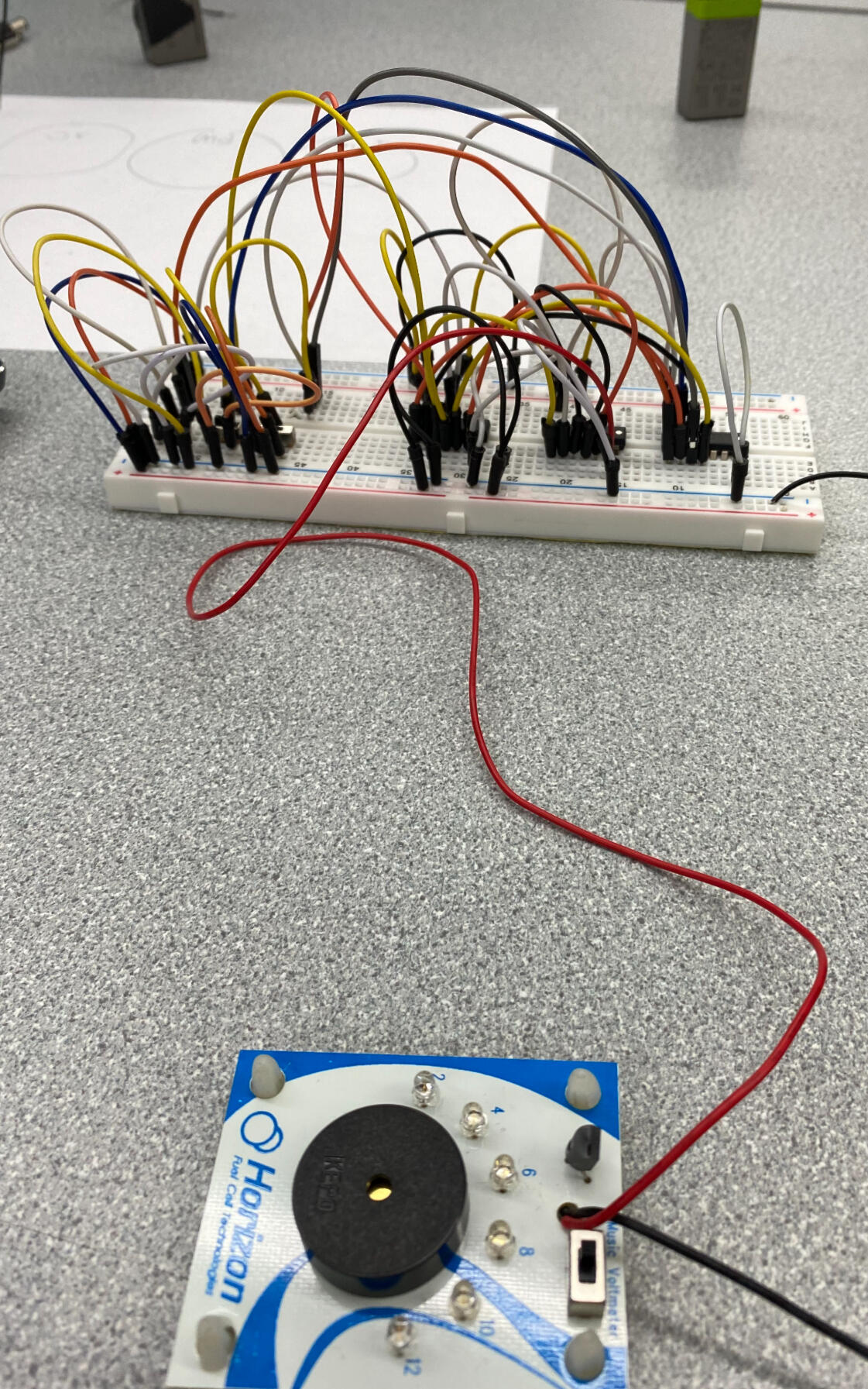
DIGITAL LOGIC
Applied digital logic gate principles to design and build a combinational and sequential logic circuit that generated a series of frequency-controlled signals corresponding to musical notes, allowing the circuit to play a recognizable song by using logic gates, counters, and timing components to control the pitch, duration, and order of each note in the melody.
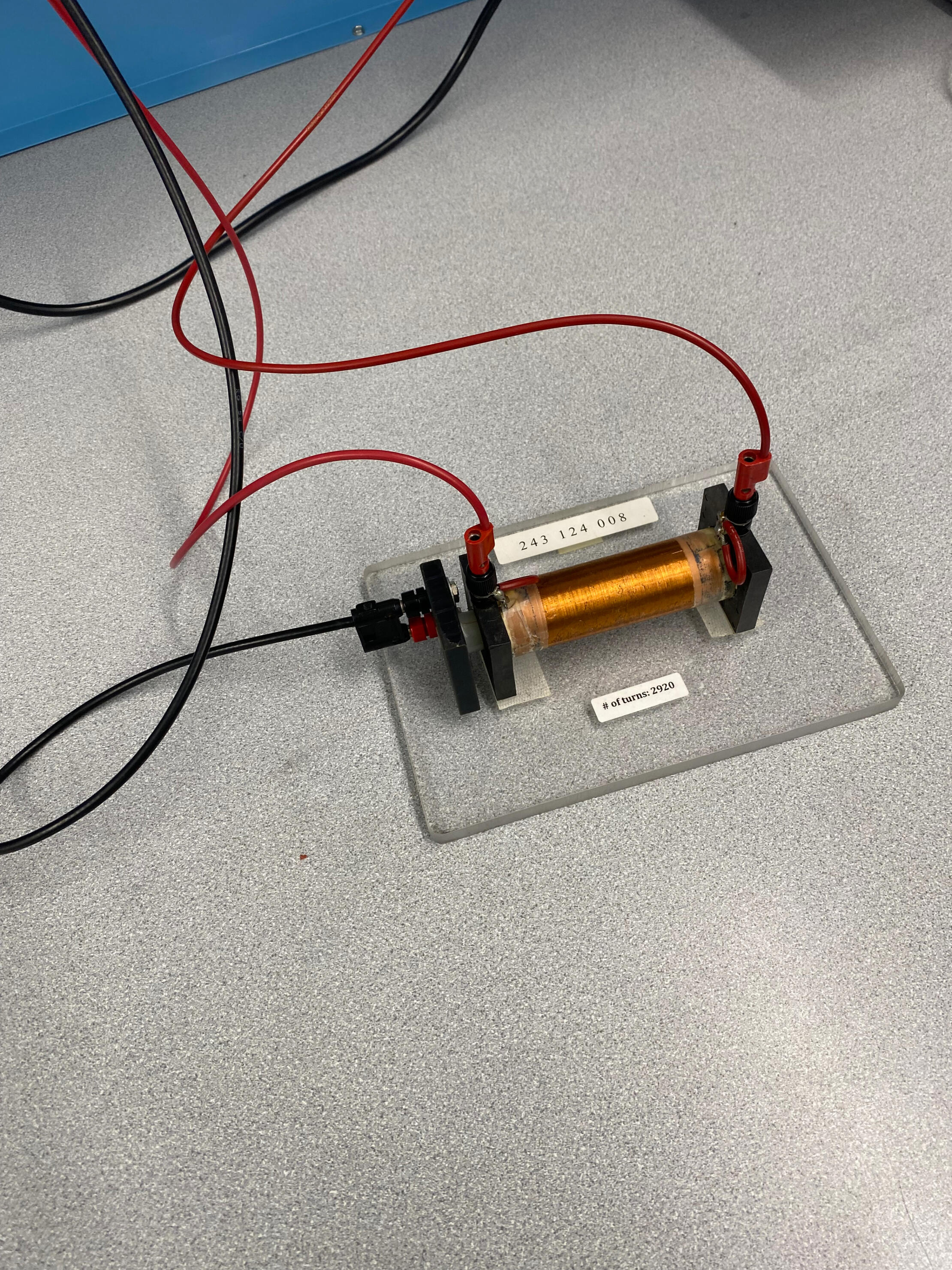
SOLENOID
Investigated magnetic fields and electromagnetic induction by using an AC-driven solenoid to generate a time-varying magnetic field and a pickup coil to measure the induced voltage via Faraday’s law. By varying the current and frequency using an oscillator and computer-based oscilloscope, the magnetic permeability of nylon inside the solenoid was experimentally determined and compared to theoretical expectations.
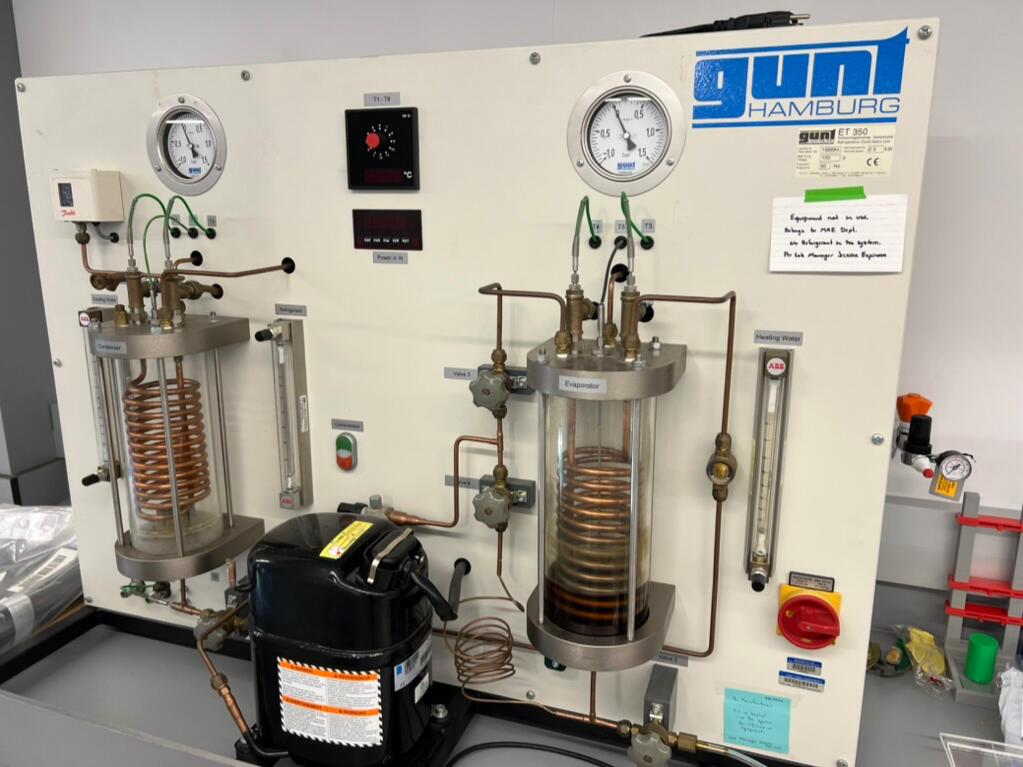
VAPOR COMPRESSION
Studied how the operation of a vapor-compression refrigeration cycle, including evaporation, compression, condensation, and expansion in the Gunt ET 250. It allows students to measure pressures, temperatures, heat transfer, and system efficiency (COP) to understand real refrigeration and heat-pump behavior.
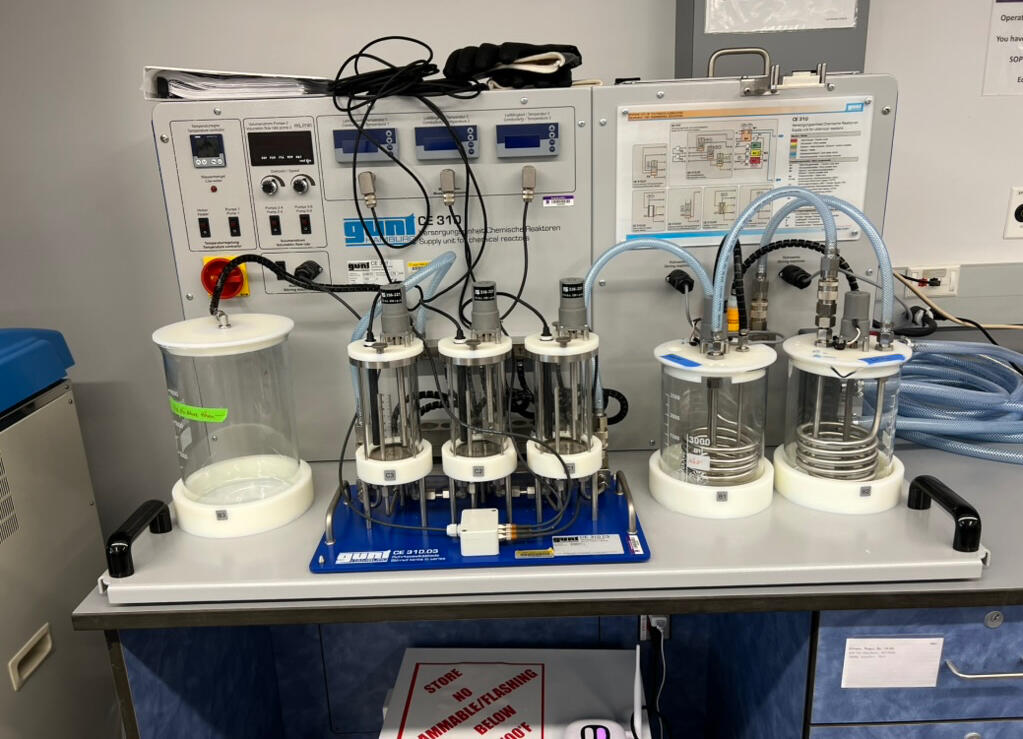
CSTR IN SERIES
Studied how reaction kinetics and reactor design using batch, CSTR, and plug-flow reactors under controlled conditions. It allows measurement of conversion, temperature, residence time, and reaction rate, helping relate experimental data to reactor models and kinetic theory.
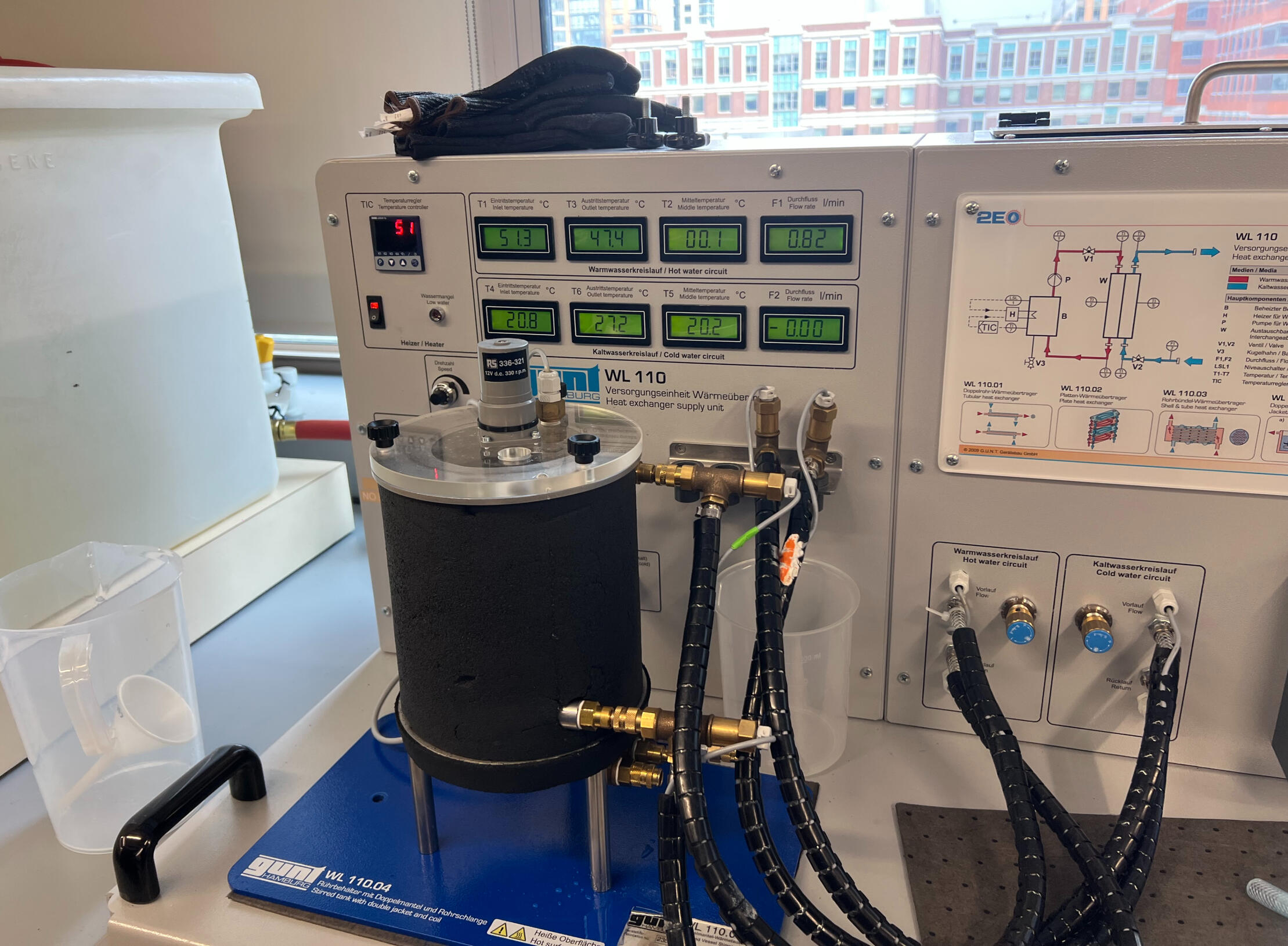
BATCH MODE
Analyzed batch mode data from heat transfer experiment using the GUNT HL 110 which involved the heating and cooling of fluids in a closed batch system while monitoring temperature changes over time.
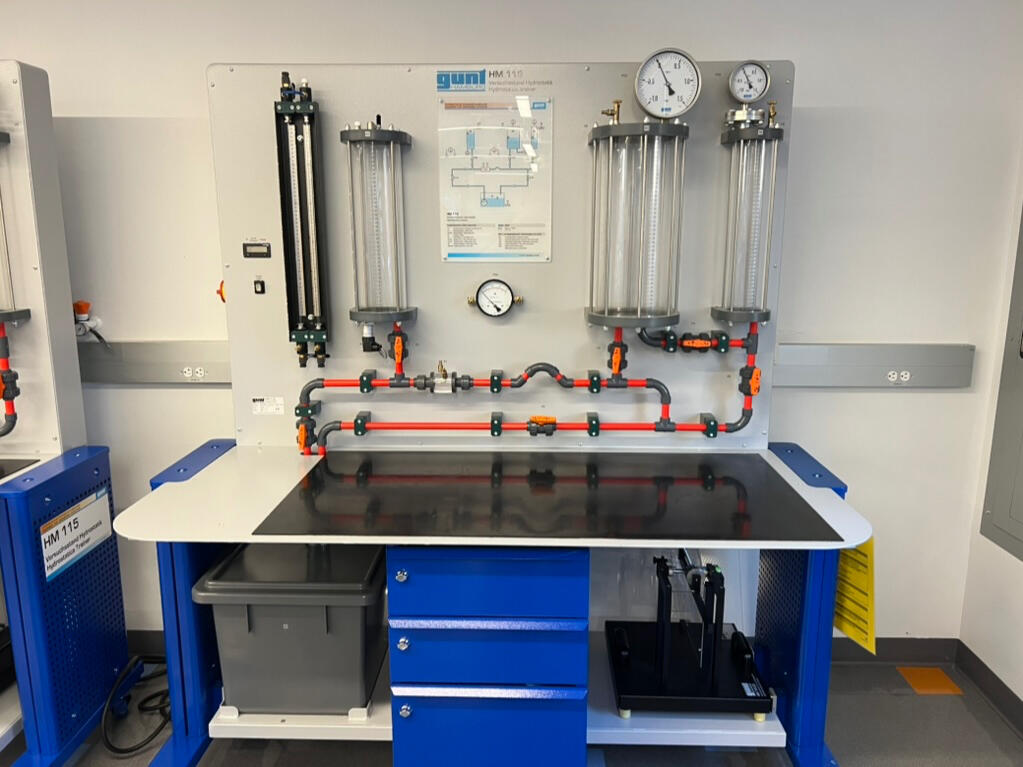
FLOW CALIBRATION
Studied about this apparatus that performs incompressible flow through pipes and fittings using devices such as rotameters, manometers, and differential pressure gauges. The experiment demonstrated how flow rate, pressure drop, and discharge coefficients relate to pipe geometry and flow regime, reinforcing Bernoulli’s equation and friction loss concepts.
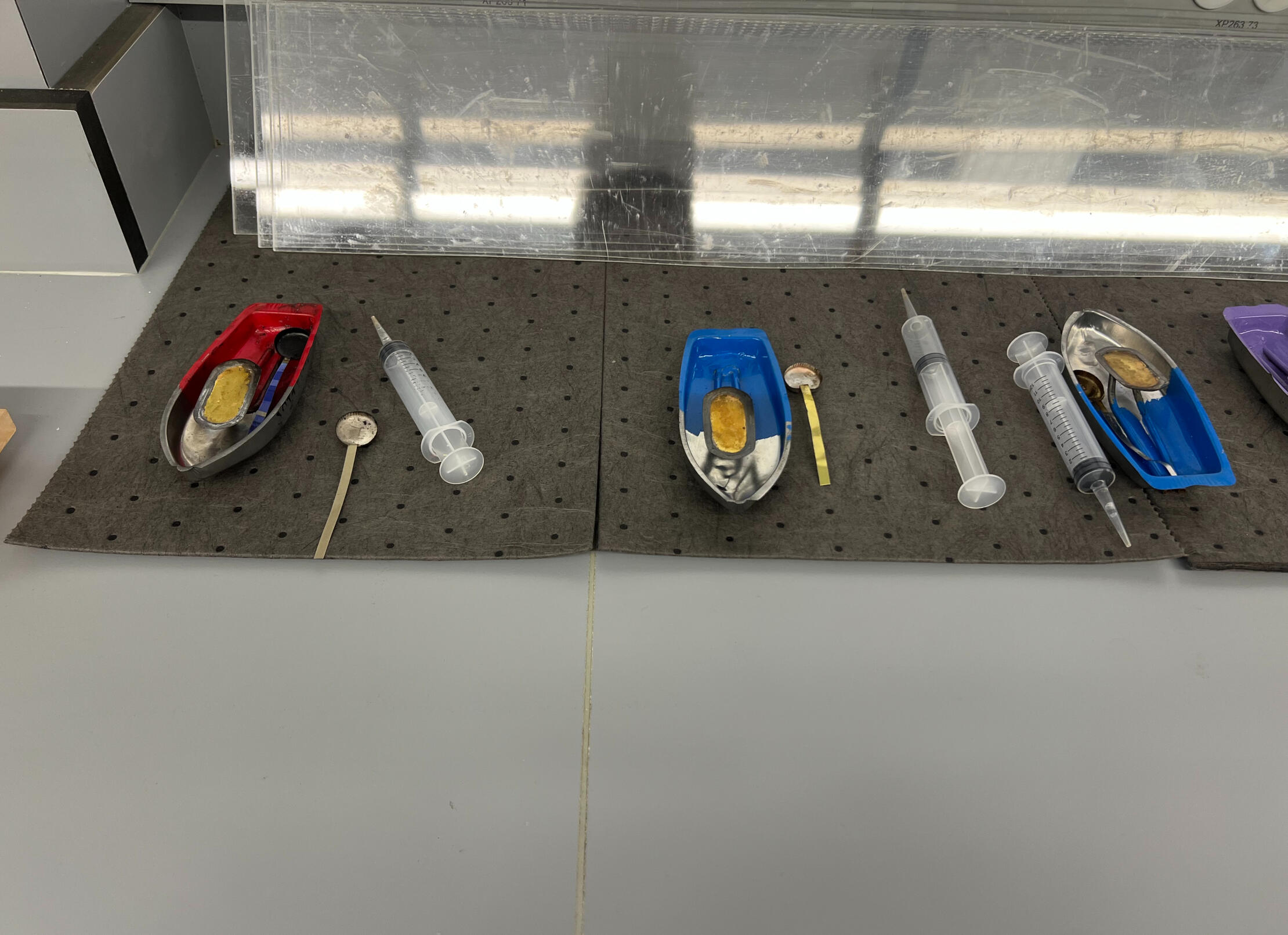
FLUIDS BOAT RACE
Assisted a friend with his design on optimizing his design for a boats racing lab. Incomporatated the use of a battery and a small motor to power the boat.
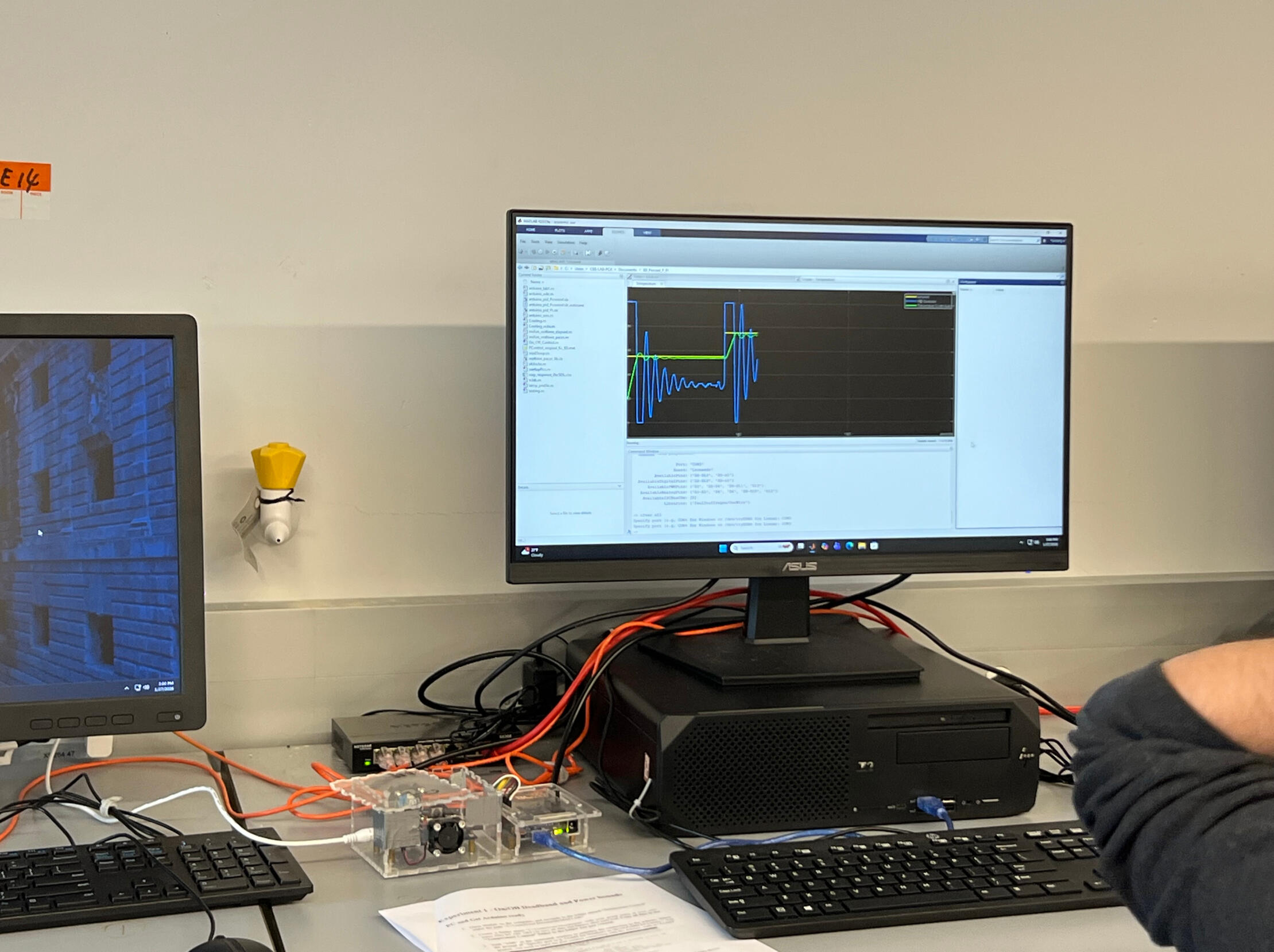
TEMPERATURE CONTROL
Performed a temperature control lab to stabilize temperature settings based on how much heat was outputted on a heatsink based on computing demand.
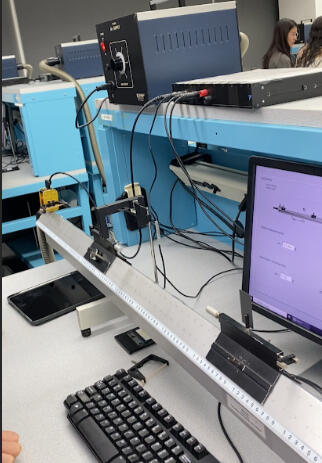
COLLISION
Investigated how objects interact during impact by measuring changes in velocity, momentum, energy transfer, and collision behavior (elastic or inelastic).
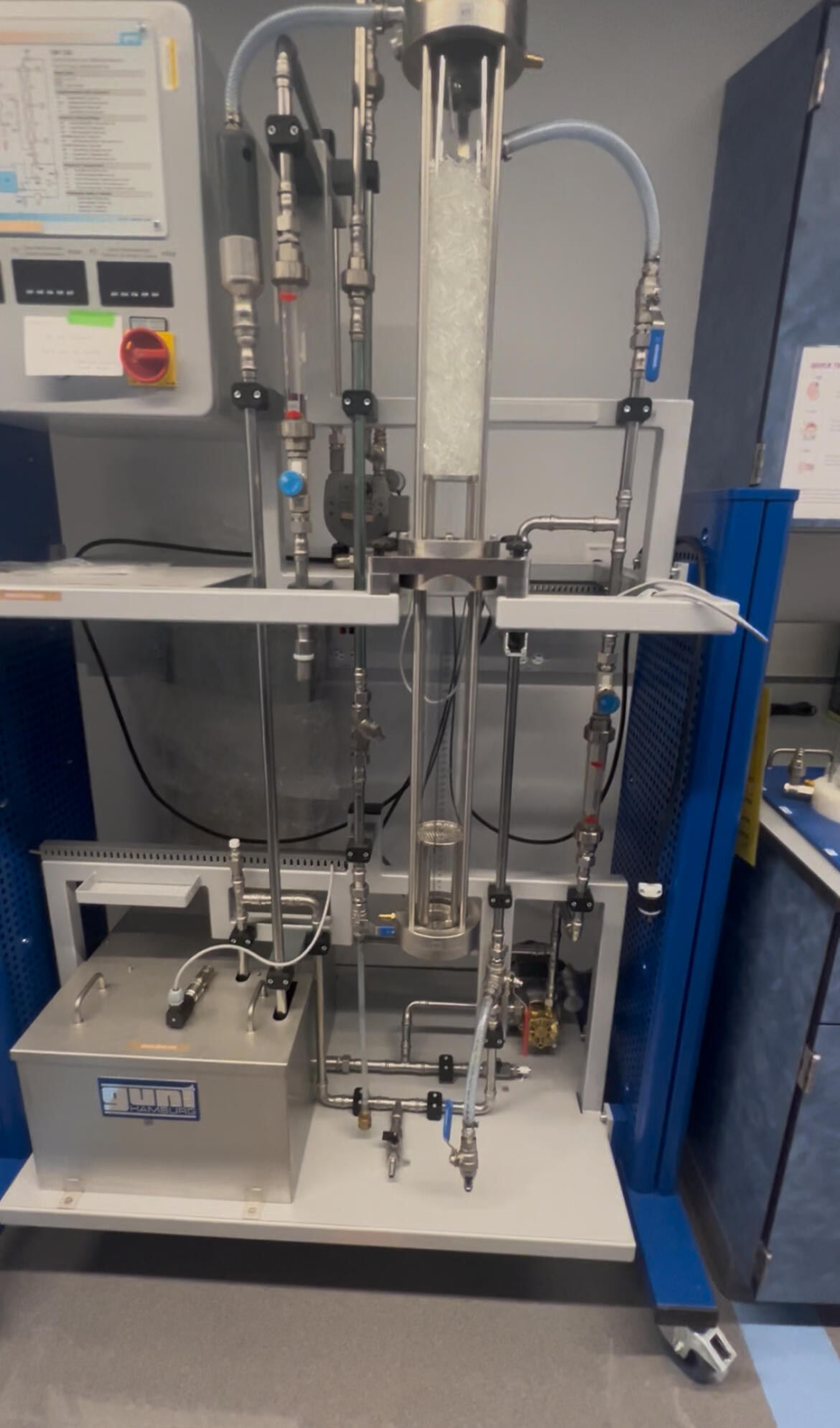
PACKED BED
Studied a packed bed apparatus to better understand fluid flow through a bed of solid particles to analyze pressure drop, flow distribution, permeability, and packed bed hydrodynamics.
LABORATORY EXPERIENCE
This page illustrates some of the equipment that I have experience working with.
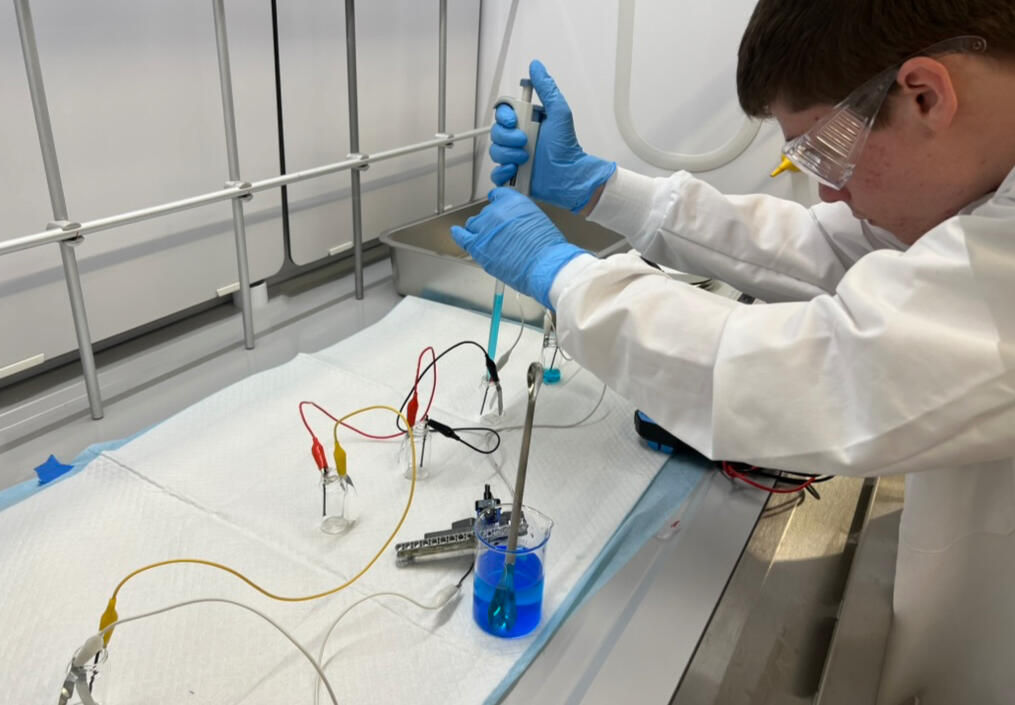
DANIEL CELL
Investigated how Daniell (galvanic) cells connected in series can be used to increase voltage and power a small electric motor. Each cell used a zinc electrode as the anode (where zinc is oxidized and releases electrons) and a graphite electrode as an inert cathode (where reduction occurs in solution), and by wiring multiple cells in series, their individual voltages added together to produce enough electrical energy to drive the motor.
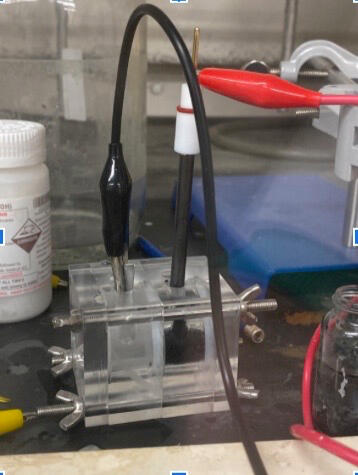
ZINC AIR BATTERY
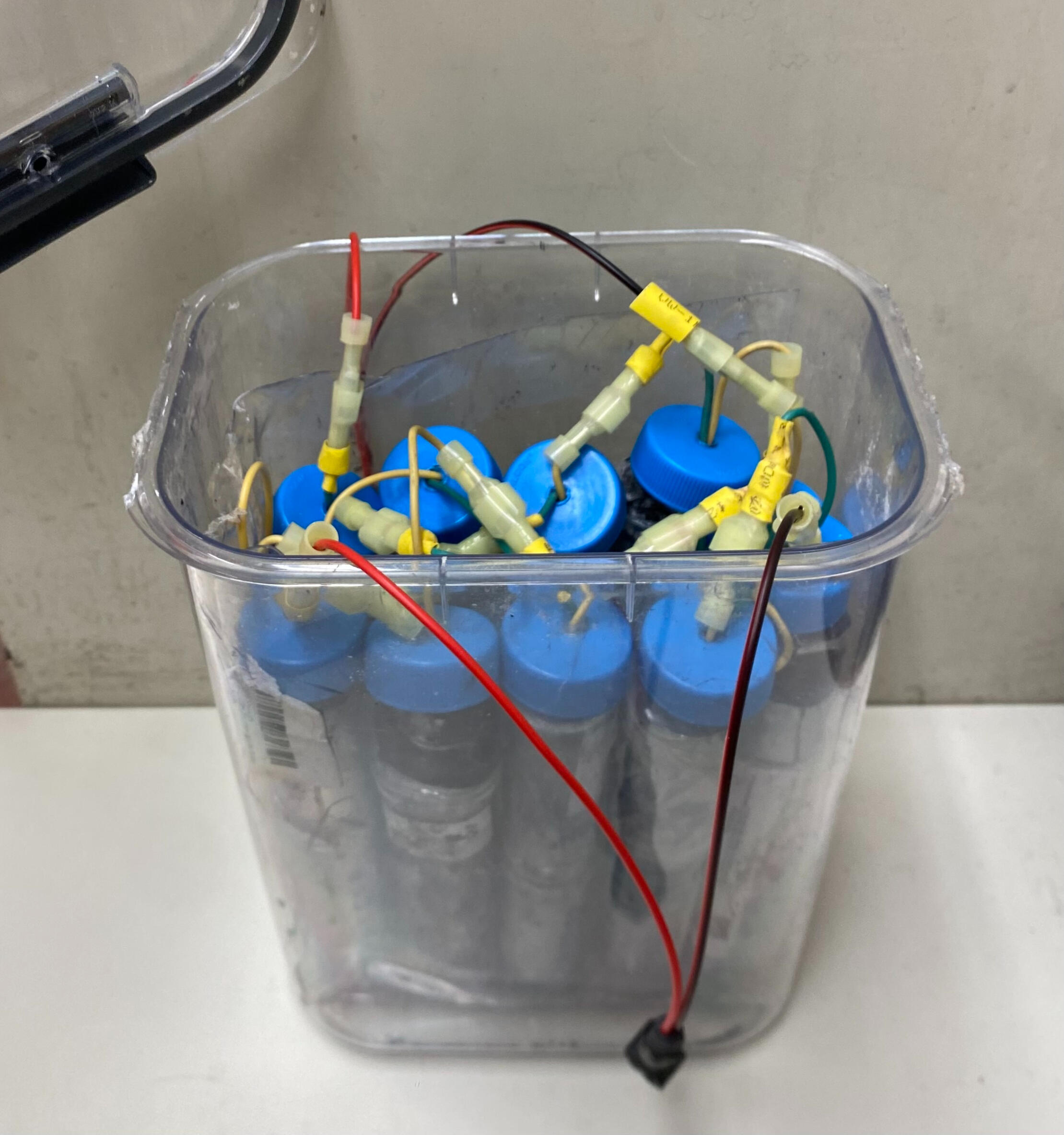
Built zinc–air battery using a proton exchange membrane (PEM) to separate the anode and cathode while allowing ion transport. Zinc metal served as the anode, where zinc was oxidized to Zn²⁺ releasing electrons, while oxygen from air was reduced at the air cathode; the PEM allowed protons/ions to pass to maintain charge balance, enabling continuous electron flow through an external circuit and demonstrating how chemical energy is converted into electrical energy in metal–air batteries.
ZINC ION BATTERY
Built zinc-ion batteries and tested for voltage output, current performance, electrolyte effects, and battery behavior during discharge.
ZINC CARBON BATTERY
The zinc–carbon battery lab involved constructing and testing zinc–carbon cells to evaluate voltage, current output, discharge characteristics, and the effects of electrode and electrolyte composition on battery performance.
FORMALDEHYDE CELL
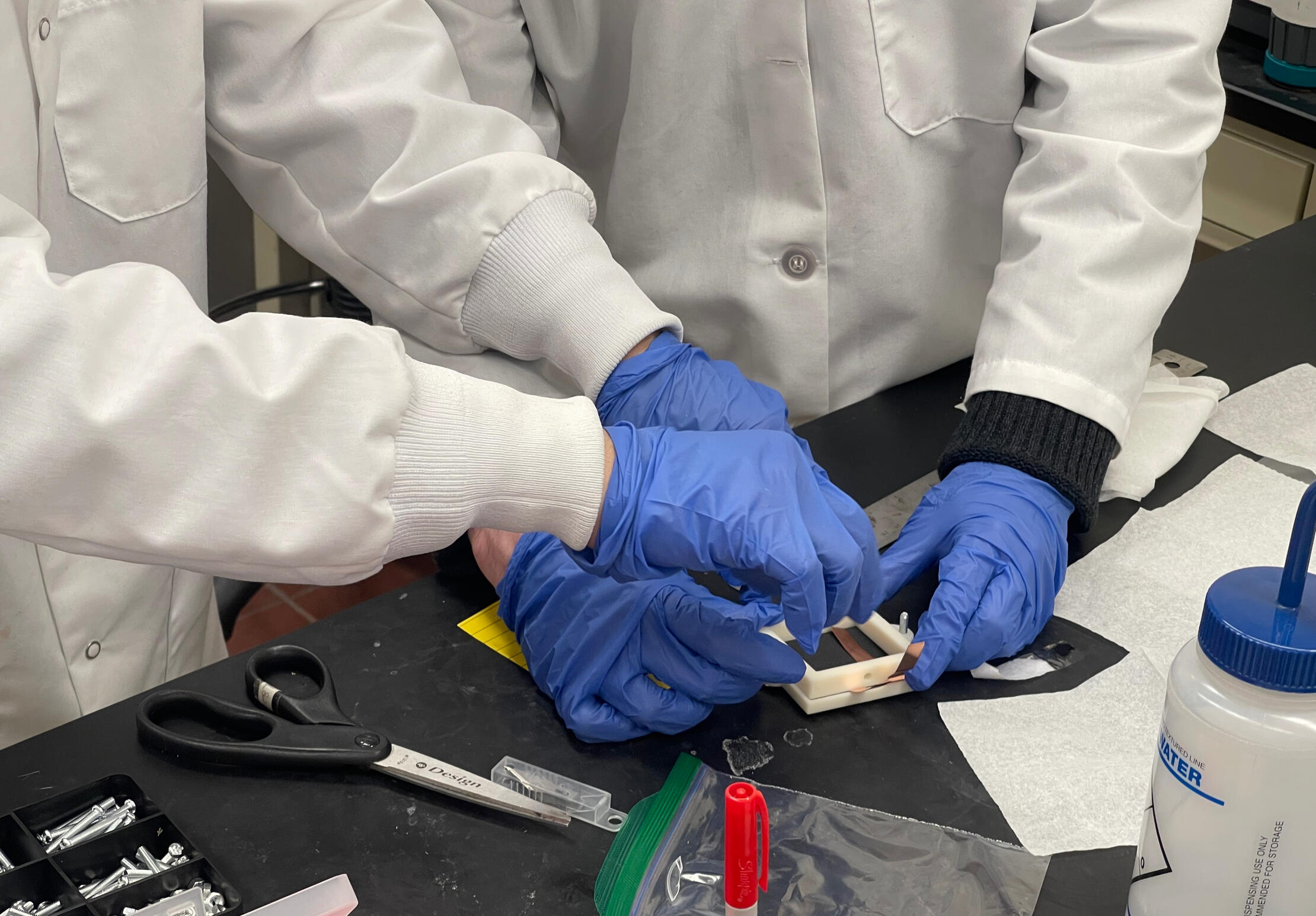
This lab examined a formaldehyde-based electrochemical battery (direct formaldehyde fuel cell) using ruthenium (Ru) and palladium (Pd) electrodes as catalysts. Formaldehyde was oxidized at the anode (catalyzed by Ru/Pd), releasing electrons to the external circuit, while a reduction reaction occurred at the cathode; by measuring voltage and current, the lab demonstrated how catalytic electrodes enable efficient fuel oxidation and conversion of chemical energy into electrical power.
DISTILLATION COLUNM
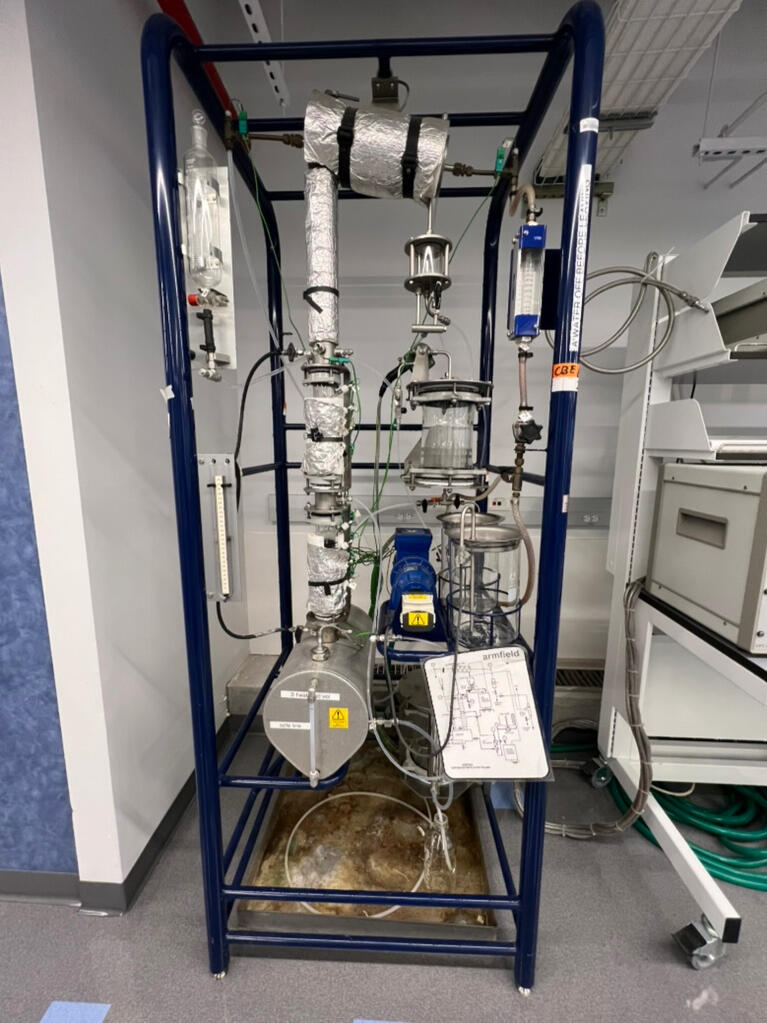
Studied about this pilot-scale distillation column that is used to experimentally determine vapor–liquid equilibrium, mass transfer, and separation efficiency under controlled reflux and feed conditions. Operating the unit reinforced how reboiler duty, condenser performance, and reflux ratio affect component separation in real chemical engineering systems.
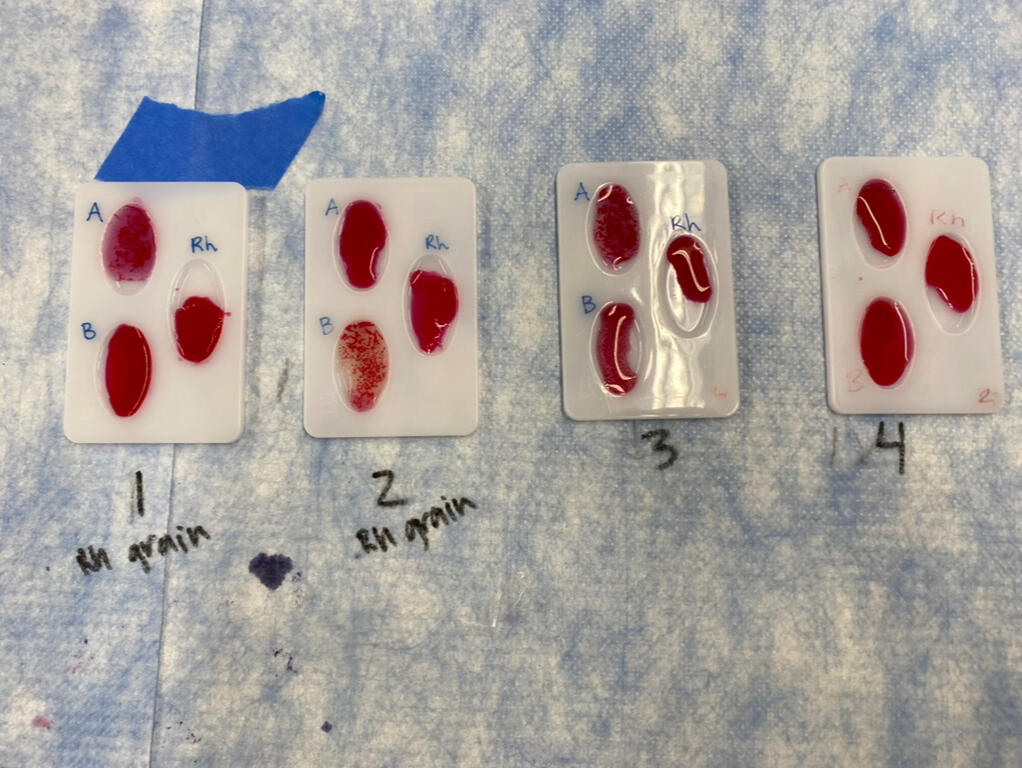
DNA FORENSICS
DNA fingerprinting by using restriction enzymes and gel electrophoresis to cut and separate DNA fragments from crime scene and suspect blood samples into distinct banding patterns. The purpose was to compare these patterns to determine genetic similarity and identify a potential match, demonstrating how molecular biology techniques are applied in forensic analysis.
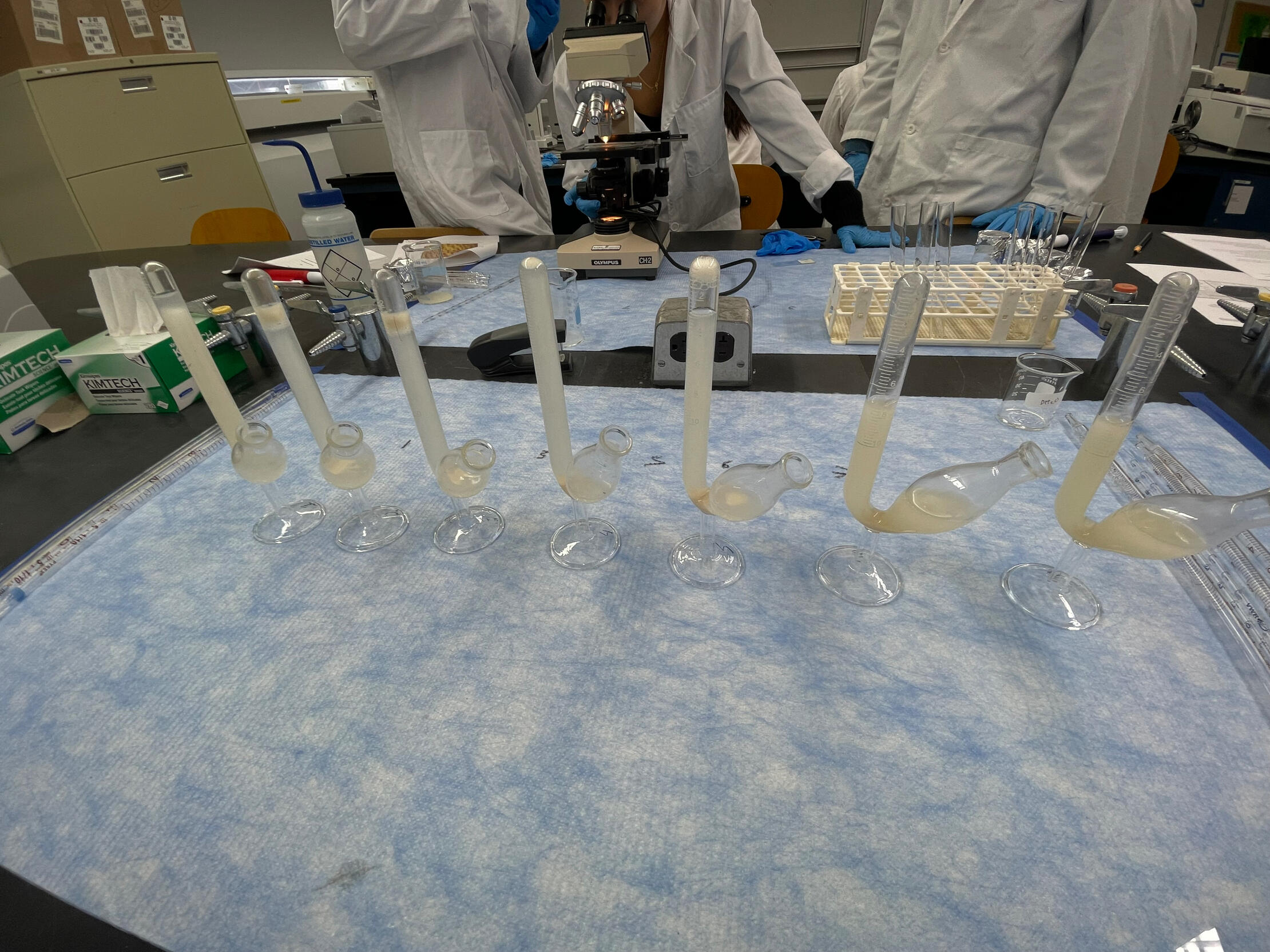
FERMENTATION
Investigated cellular respiration and fermentation in yeast by measuring CO₂ production under different chemical conditions. By adding activators (glucose, pyruvate, magnesium sulfate) and an inhibitor (sodium fluoride), the experiment showed how substrates and enzymes affect the rate of respiration, observed as gas accumulation in fermentation tubes.
FILTRATION
Constructed a layered water filter using materials such as dirt, sand, and gravel to remove suspended solids and improve water clarity. The goal was to demonstrate how physical filtration mechanisms reduce turbidity and simulate basic principles used in water treatment systems.
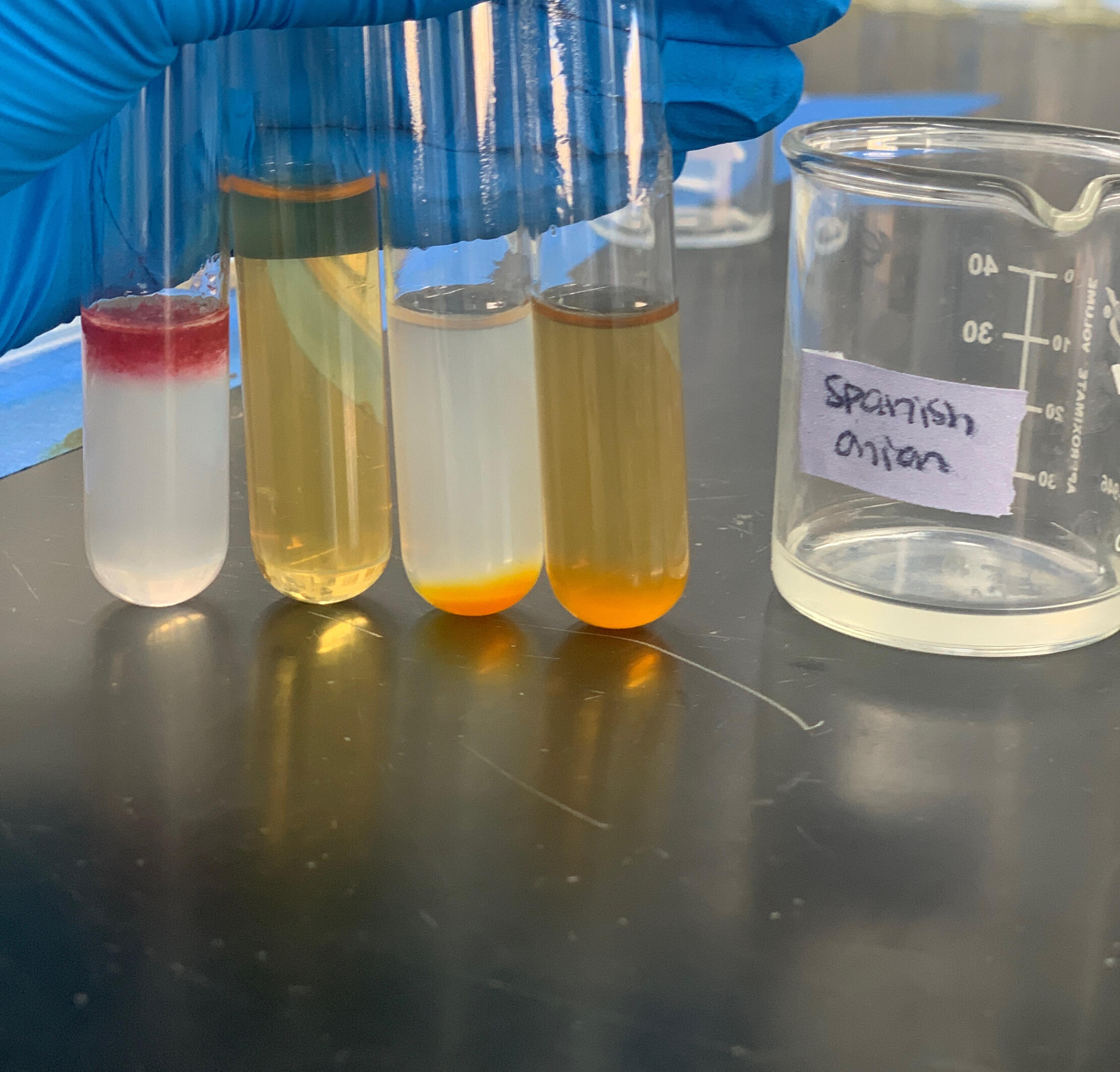
ENZYME DENATURATION
Investigated enzyme denaturation by heating an enzyme solution and measuring the resulting loss of catalytic activity. The experiment demonstrated how elevated temperatures disrupt protein structure, reducing reaction rate and showing the temperature sensitivity of enzymes.
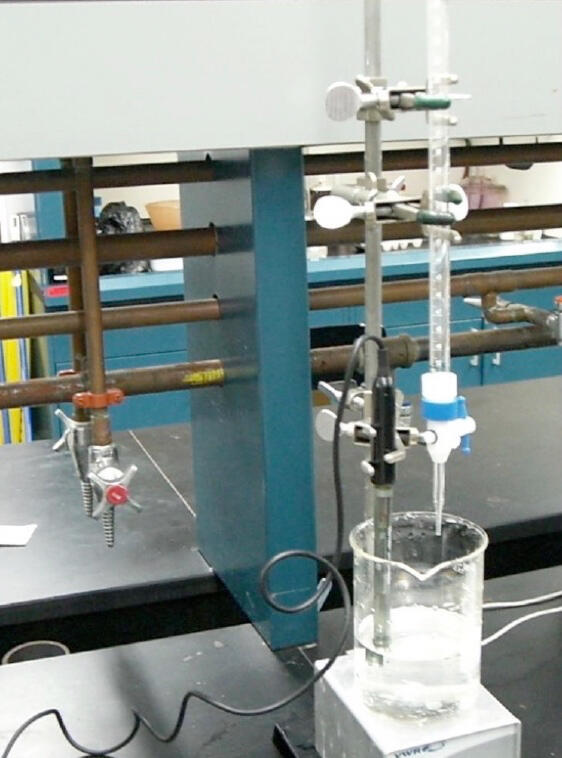
TITRATION OF WEAK ACID
Identified an unknown weak acid by titrating it with a standardized sodium hydroxide (NaOH) solution and monitoring pH changes using an acid–base indicator. The resulting titration curve is used to calculate the Ka and pKa of the acid and match it to known weak acids based on its chemical behavior.
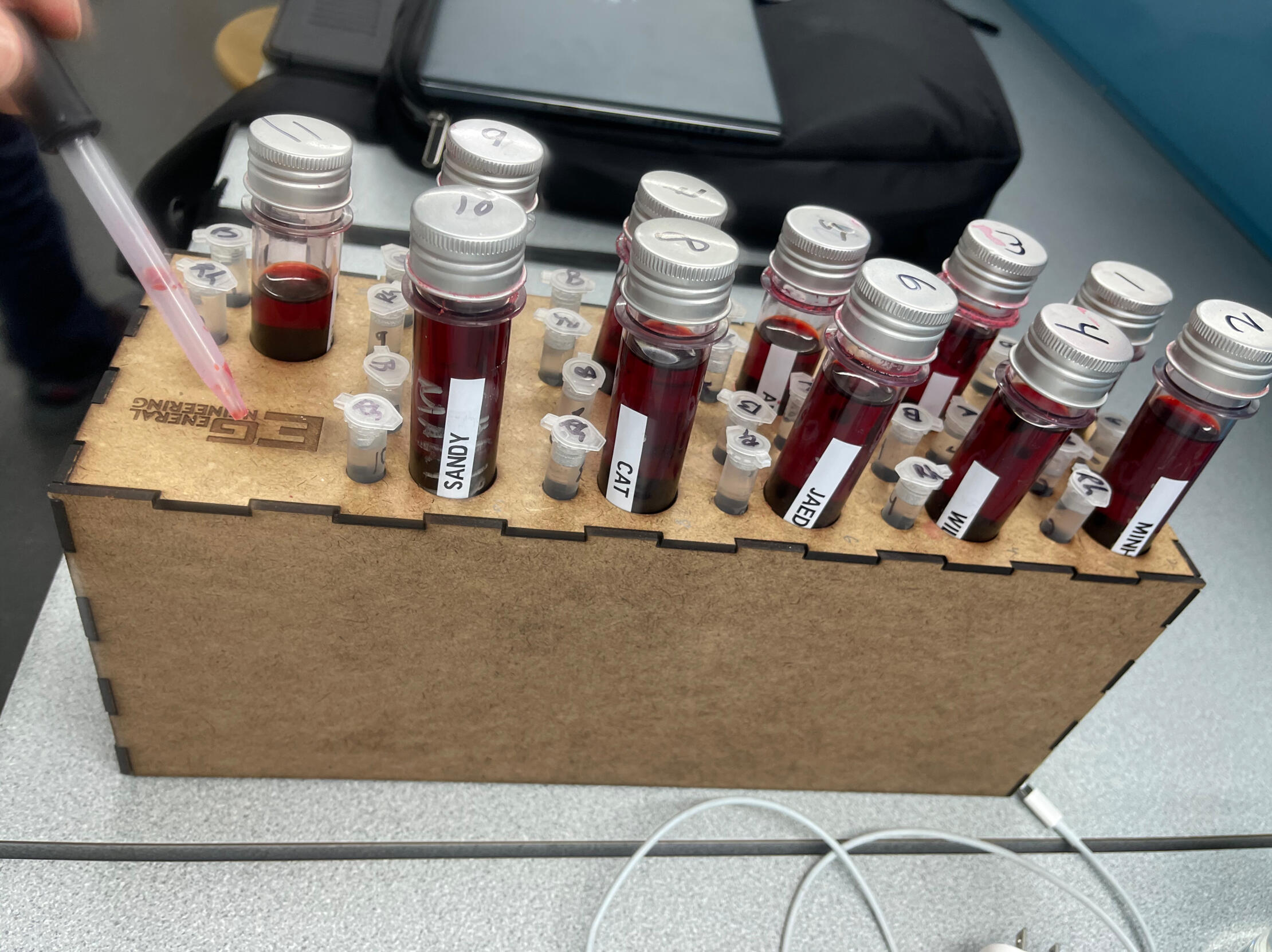
DNA FORENSICS
DNA forensics by extracting and analyzing genetic material from different blood samples to compare their DNA profiles. The purpose was to demonstrate how molecular techniques can distinguish individuals based on genetic markers used in forensic identification.
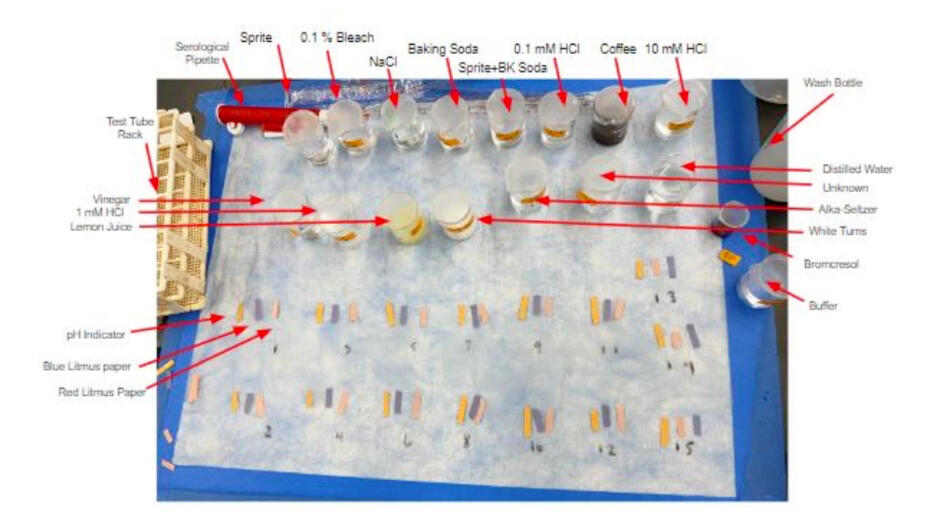
QUANTITATIVE DATA
Investigated the pH scale by measuring the acidity or basicity of various common solutions using pH strips, red and blue litmus paper, and a pH meter, then comparing qualitative and quantitative results to theoretical expectations. It also examined buffer capacity and antacid effectiveness, ultimately using the collected pH data to identify an unknown solution, determined to be sprite.
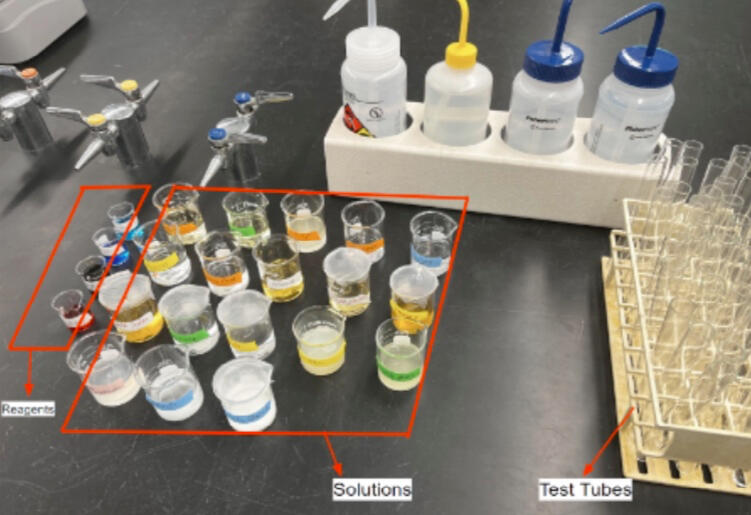
QUALITATIVE DATA
Identified biologically important macromolecules by using Benedict’s, Lugol’s iodine, Biuret, and Sudan IV tests to detect reducing sugars, starch, proteins, and lipids based on characteristic color changes. The reaction patterns were compared to controls to determine the identity of an unknown solution, which was concluded to be apple juice.
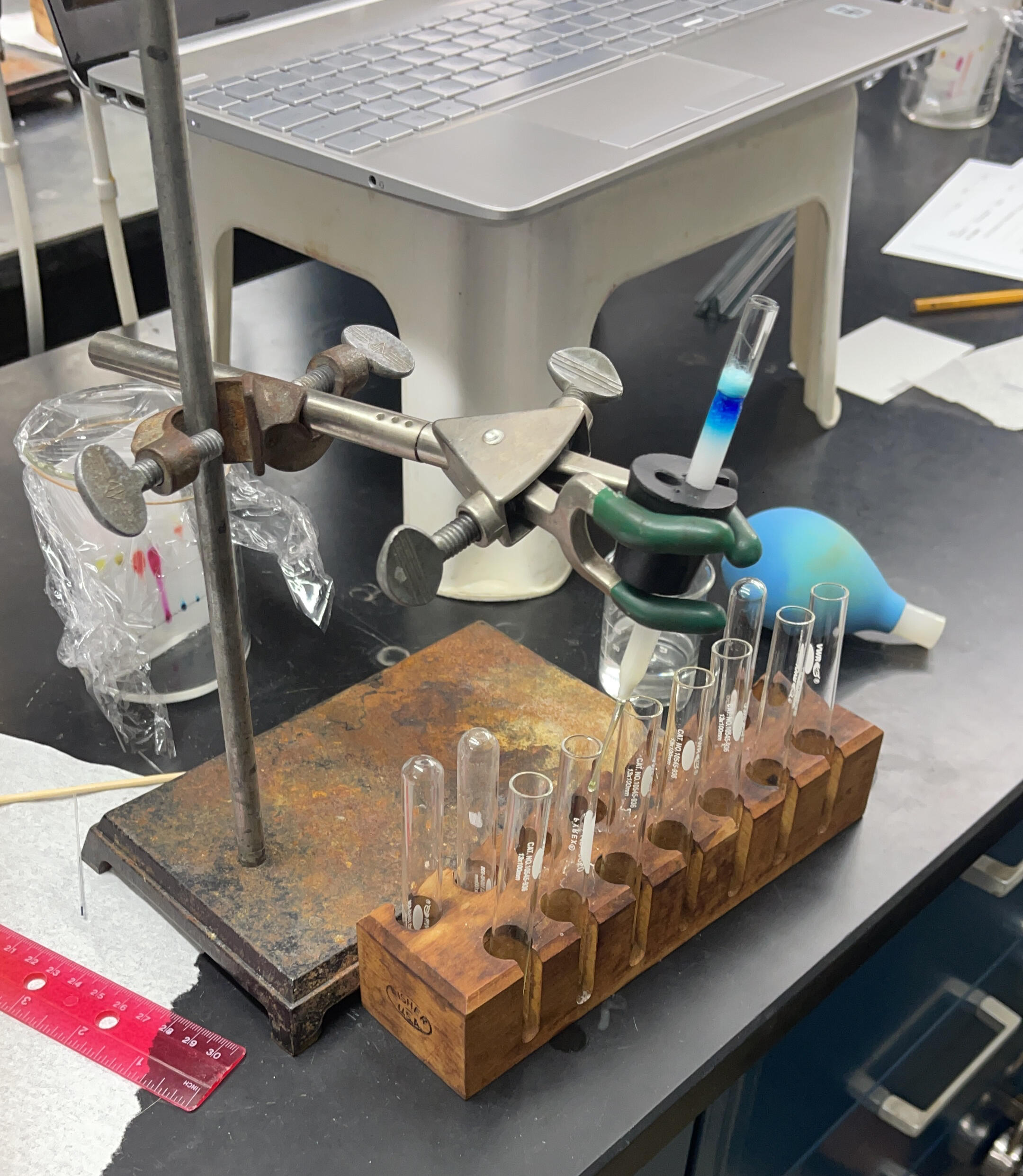
CHROMATOGRAPHY
Used column chromatography to separate Orange G dye based on molecular size and paper chromatography to separate plant pigments by polarity and solubility. Retardation factors (Rf) were calculated to compare pigment movement, demonstrating how different organic compounds separate under the same solvent conditions.
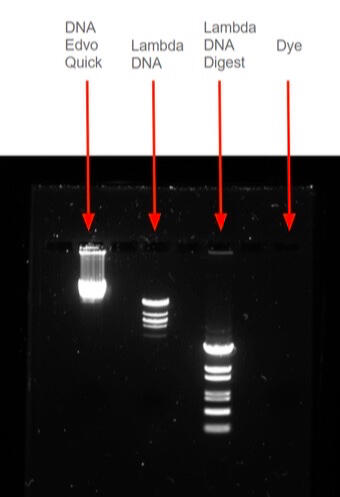
ELECTROPHORESIS
Used agarose gel electrophoresis and SDS-PAGE to separate DNA fragments and proteins based on size, charge, and shape under an applied electric field. Molecular weights were estimated by comparing migration distances to known ladders, demonstrating how electrophoresis can identify and characterize biomolecules.
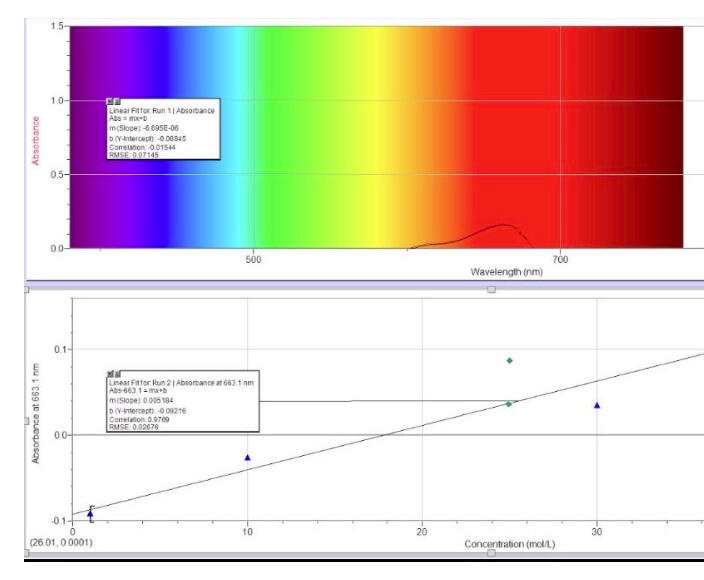
SPECTROPHOTOMETRY
Investigated membrane transport by observing diffusion and Brownian motion, measuring osmosis across dialysis tubing under different sucrose concentrations, and identifying hypotonic, isotonic, and hypertonic conditions. It also used spectrophotometry and Beer’s Law to relate absorbance to concentration and estimate the concentration of an unknown solution.
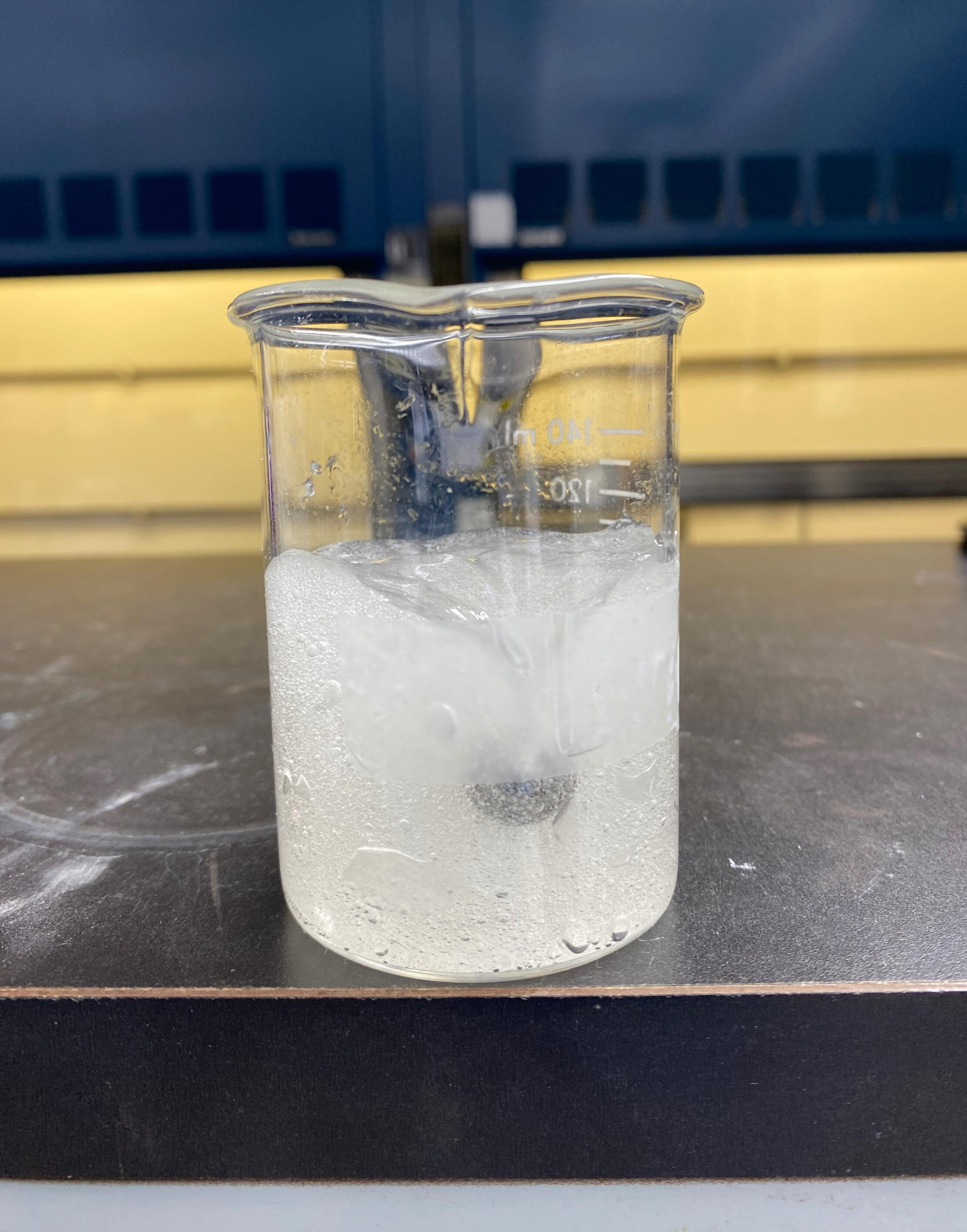
THIXOTROPIC BEHAVIOR
Synthesized polystyrene through free-radical polymerization and creating a cross-linked polyvinyl alcohol–borate network to observe viscoelastic and thixotropic behavior. The resulting materials were analyzed by observing flow, deformation, and viscosity, linking polymer structure and cross-linking to macroscopic physical properties
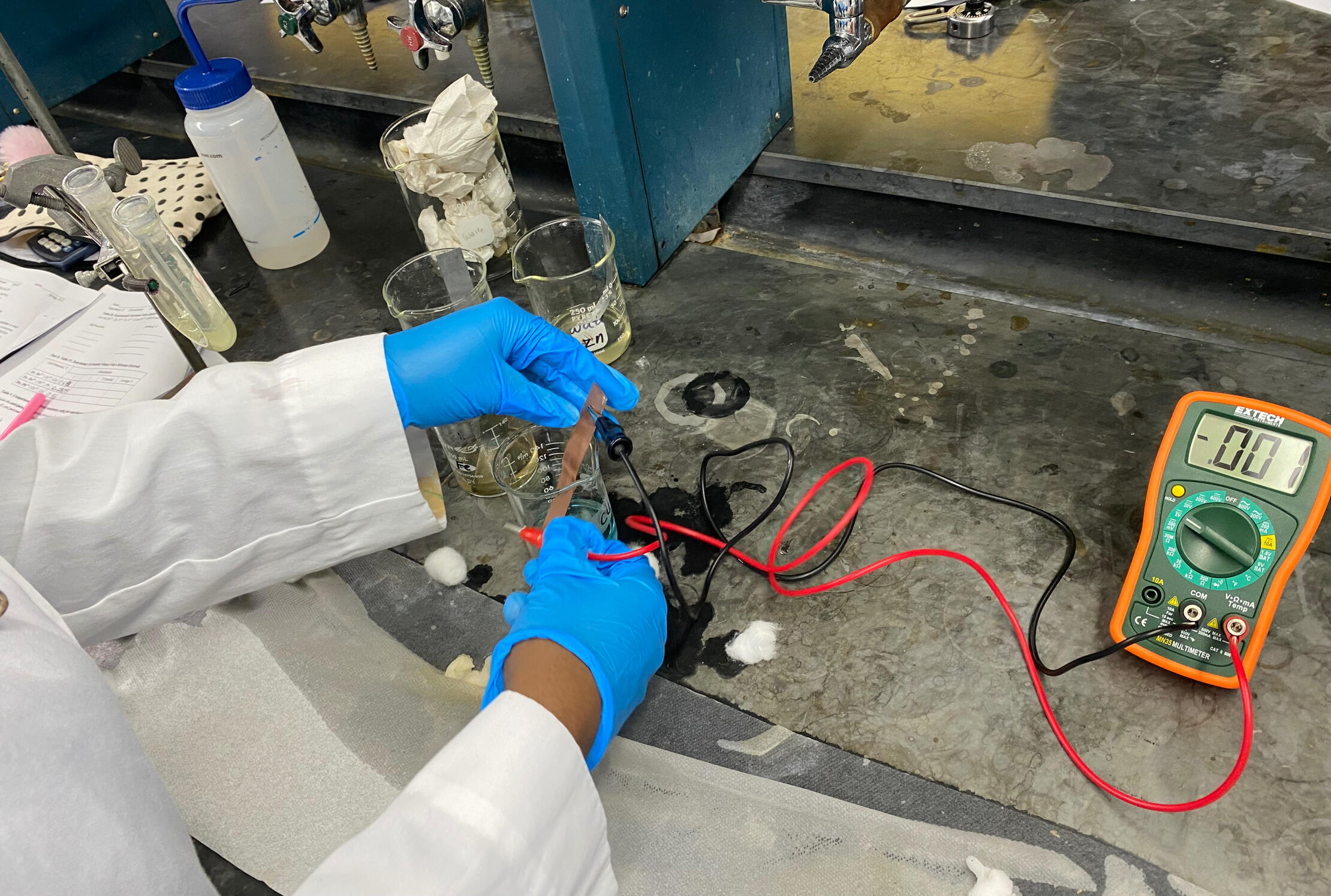
GALVANIC CELLS
Constructed galvanic (electrochemical) cells using metal electrodes such as Zn(s), Fe(s), Cu(s), Pb(s), Mg(s), and Mn(s) immersed in their corresponding aqueous metal-ion solutions (e.g., Zn²⁺, Cu²⁺, Fe²⁺). The half-cells were connected by a salt bridge containing an inert electrolyte (such as KNO₃) and an external wire with a voltmeter, allowing electron flow from the anode (oxidation electrode) to the cathode (reduction electrode) so that cell potentials could be measured, reduction potentials calculated, and results compared to standard values and Nernst-equation predictions
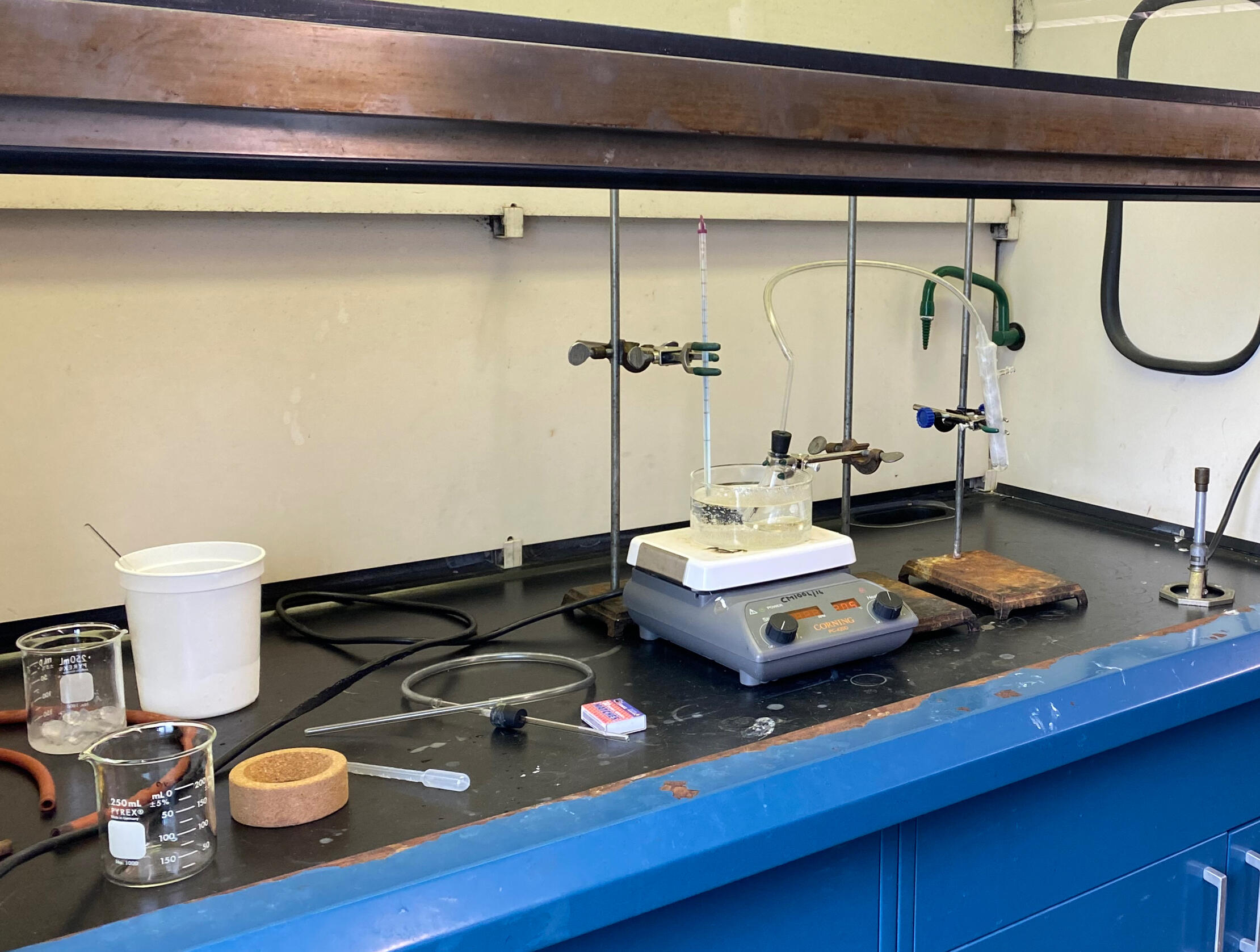
SULFANILAMIDE
Synthesized sulfanilamide by first converting acetanilide into p-acetamidobenzenesulfonyl chloride via electrophilic aromatic substitution with chlorosulfonic acid, then converting it to the sulfonamide using ammonia. The acetyl protecting group was removed by acid-catalyzed hydrolysis, and the final sulfanilamide product is purified by crystallization and characterized by melting point and IR spectroscopy.
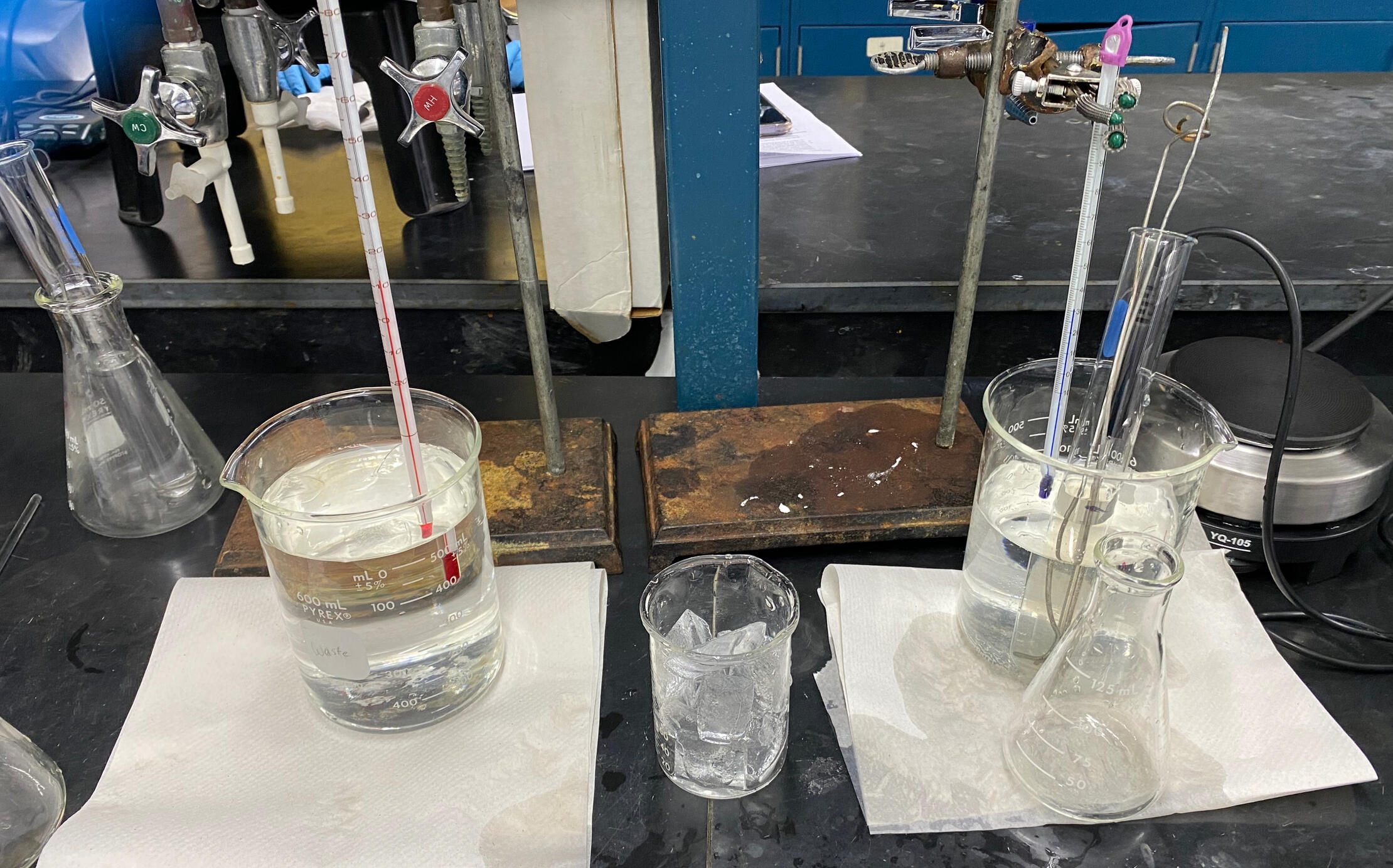
ENTHALPY OF VAPORIZATION
Determined the molar mass of an unknown molecular solid by measuring freezing point depression of a solution using t-butyl alcohol as the solvent. By recording cooling curves, identifying the freezing points of the pure solvent and the solution, and applying the freezing point depression equation, the molar mass of the unknown was calculated.
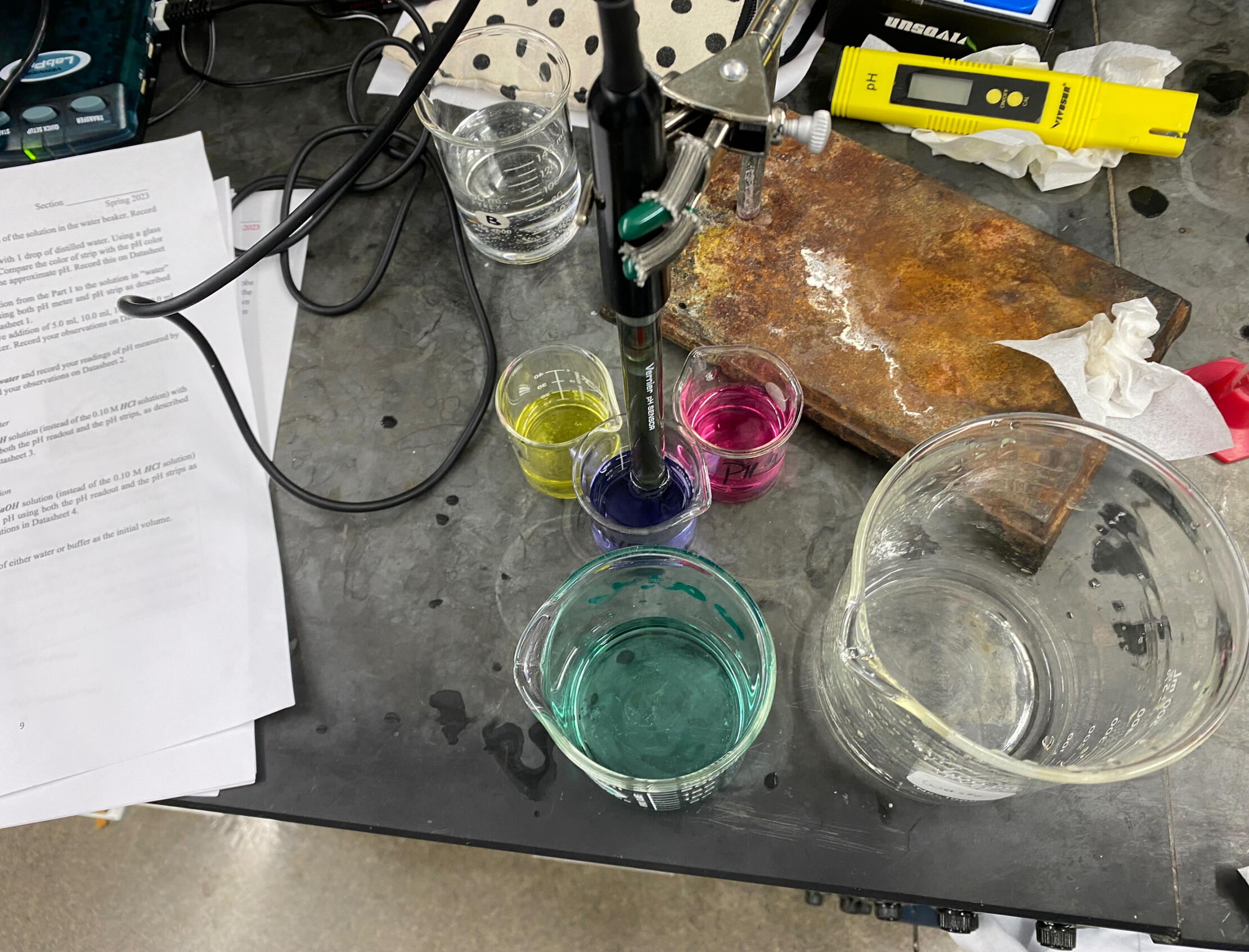
pH & VOLUME TITRATION
Collected pH versus volume data during the titration of an unknown weak acid with standardized NaOH and used the resulting titration curves and first-derivative plots to identify the equivalence and half-equivalence points. Used these data to calculate the pKa, initial moles, and molar mass of the unknown acid and compare the results to literature values for identification. The titration data gave an average pKa of about 3.65 and an average experimental molar mass of approximately 146 g/mol, and based on comparison with reference values the unknown acid was identified as sodium hydrogen tartrate.
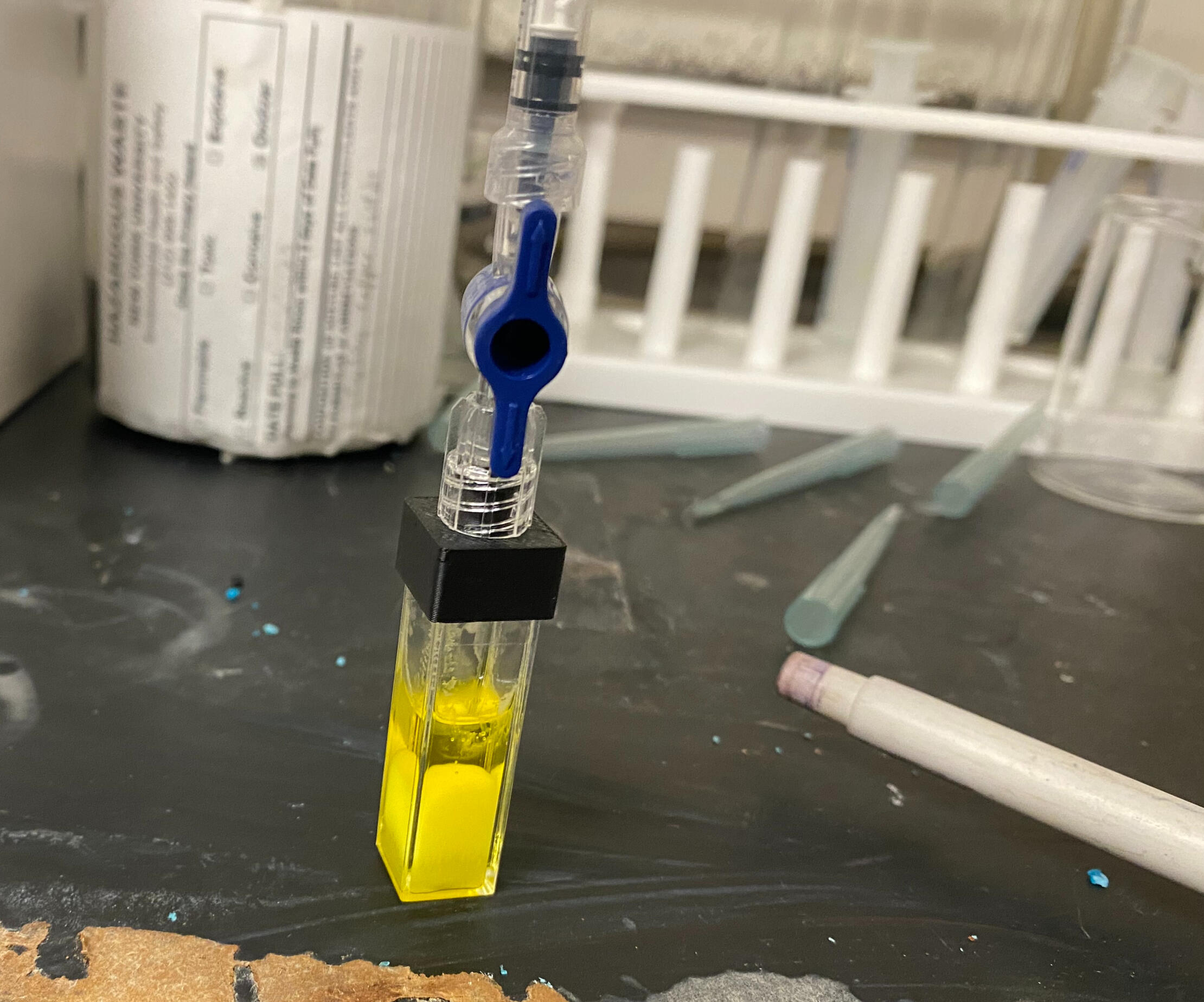
CINNAMLDEHY CLOCK
The cinnamaldehyde clock reaction lab involved analyzing reaction kinetics and time-dependent color change behavior by studying the oxidation and reaction rate of cinnamaldehyde with indicator systems, measuring induction time, concentration effects, and reaction mechanisms.
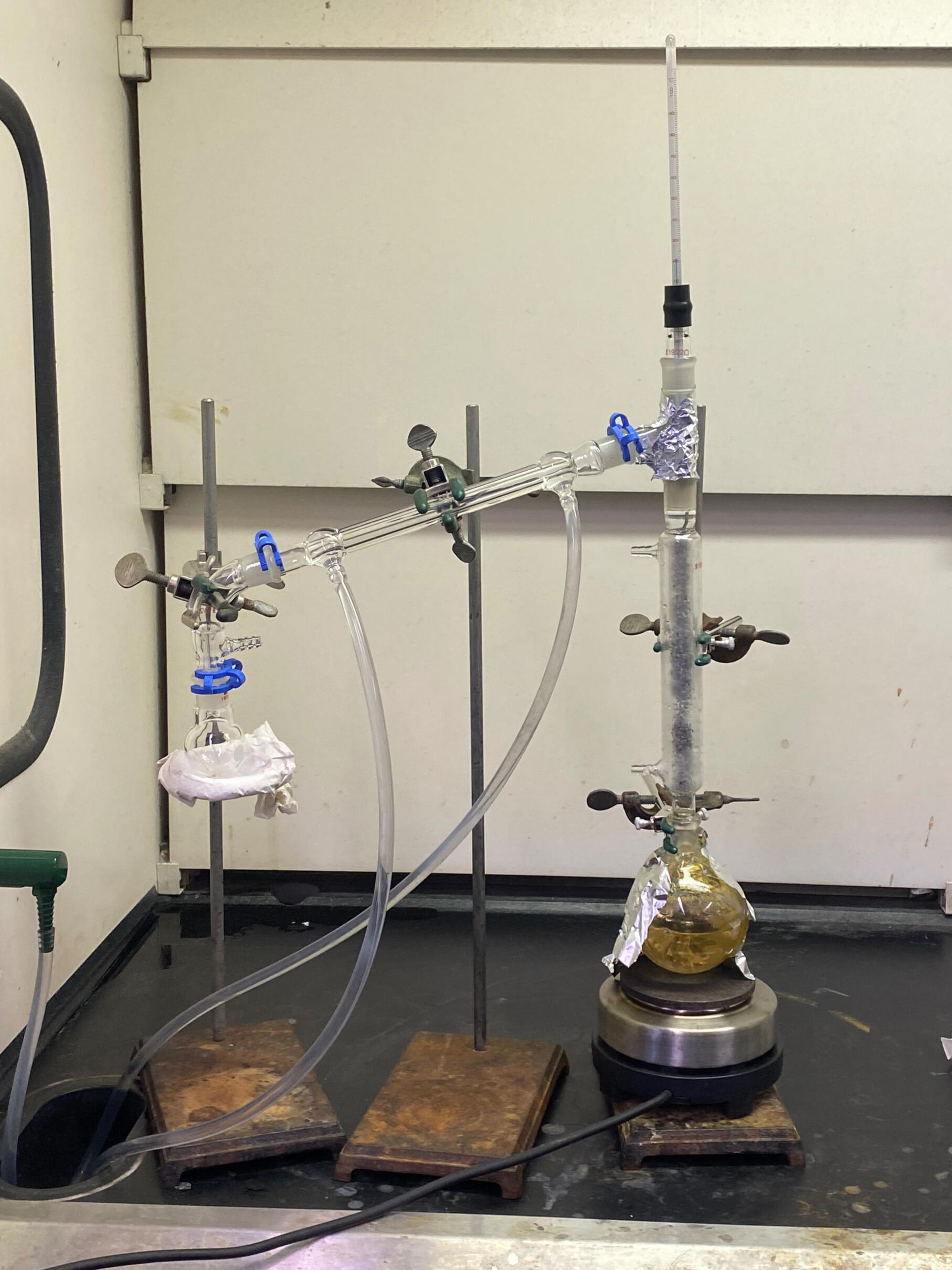
ETHANOL PRODUCTION
Produced ethanol from sucrose through enzymatic hydrolysis and yeast fermentation, converting sugars into ethanol and carbon dioxide. The ethanol was isolated and purified by fractional distillation, and its composition is analyzed using density measurements and azeotropic behavior.
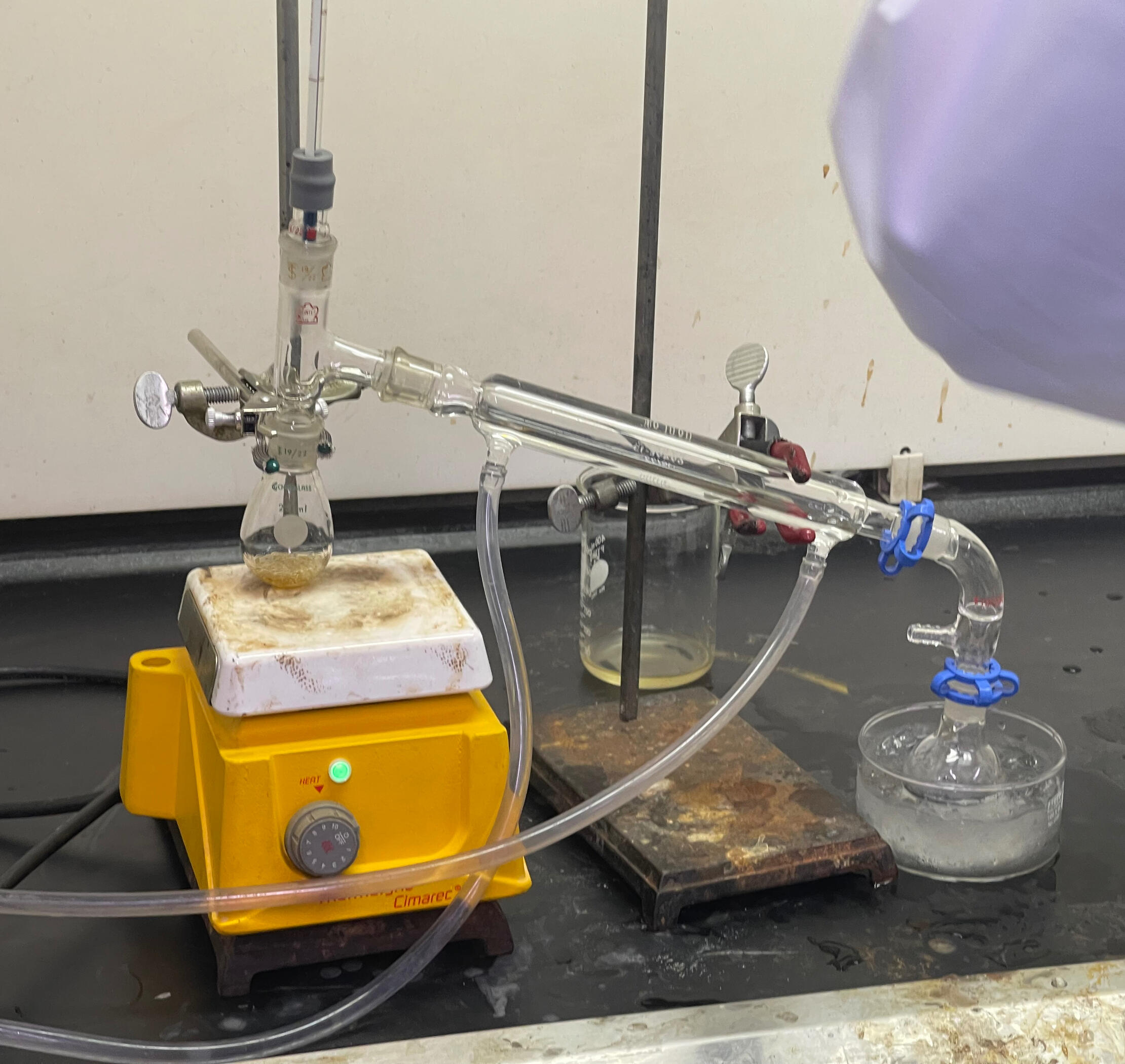
OIL EXTRACTION
Synthesized isopentyl acetate via an acid-catalyzed Fischer esterification of isopentyl alcohol and acetic acid under reflux. The ester is isolated by liquid–liquid extraction, drying, and simple distillation, and its purity is evaluated by boiling point and IR analysis.
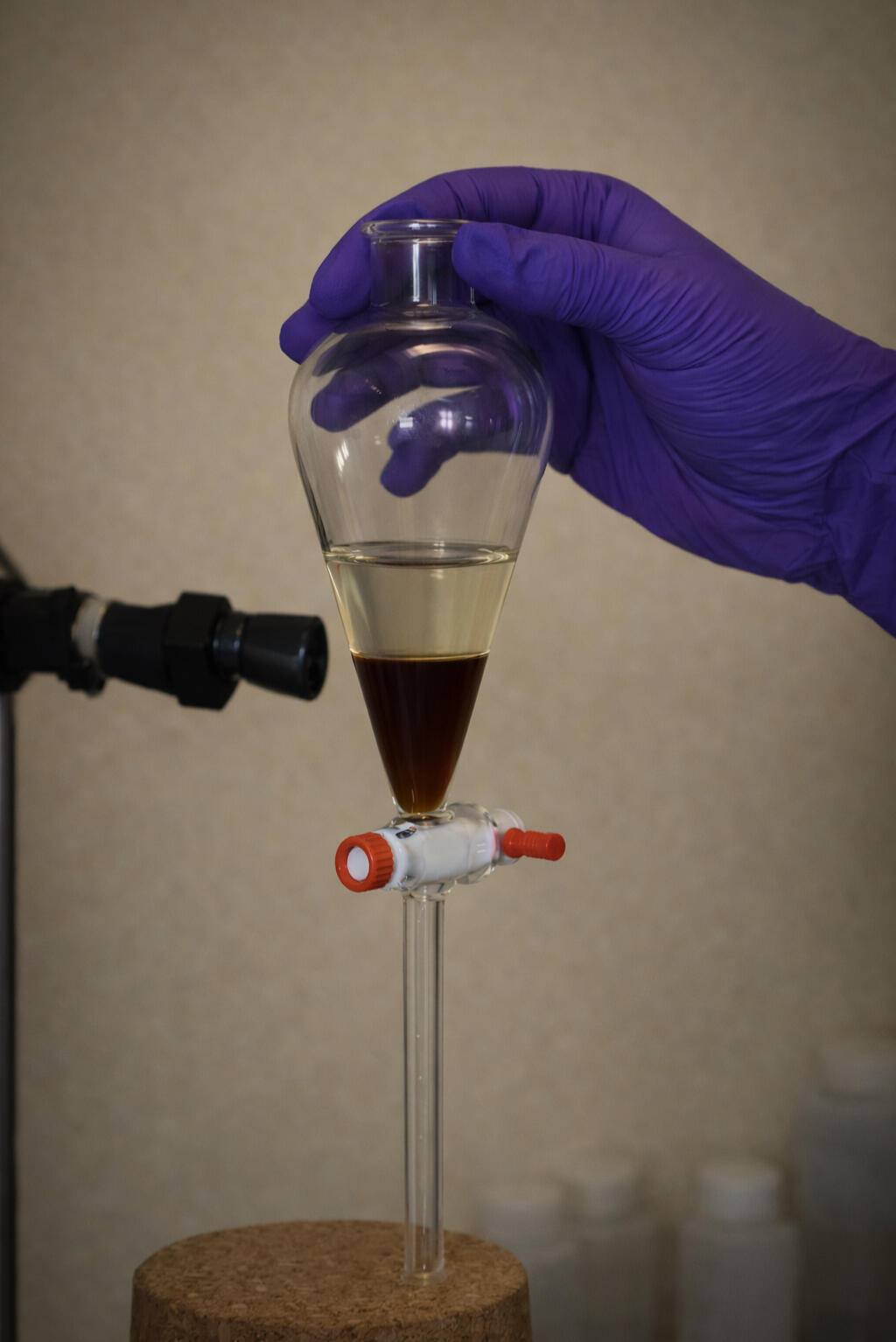
ISOLATION OF CAFFEINE
Caffeine is extracted from tea leaves using hot water followed by liquid–liquid extraction into an organic solvent after converting acidic impurities into water-soluble salts. The caffeine was then purified by solvent removal and sublimation, and its identity is confirmed by melting point determination.
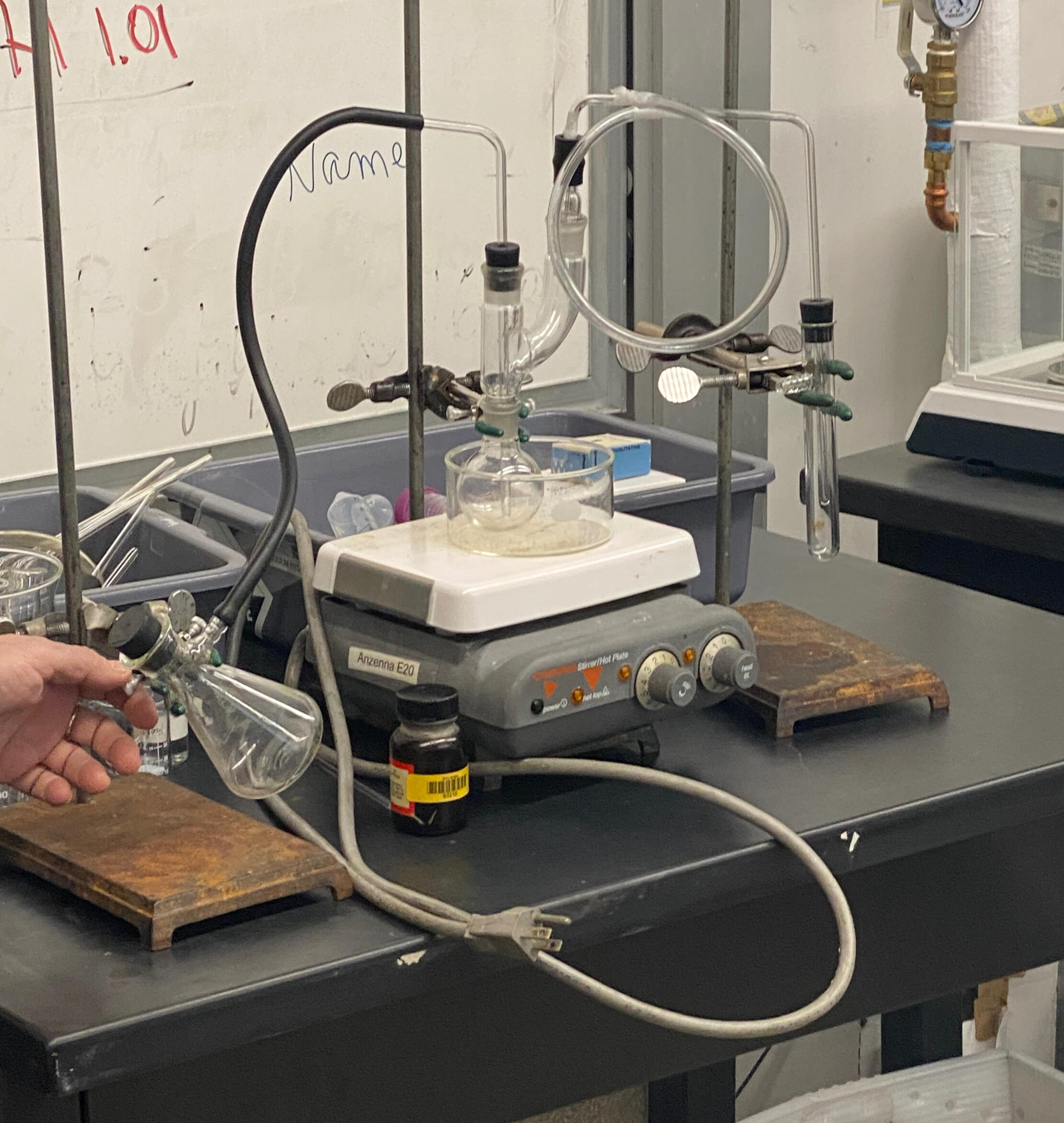
HYDROGENATION
Converted methyl oleate, an unsaturated fatty acid ester, into methyl stearate, a saturated ester, by catalytic hydrogenation using palladium on carbon and in situ–generated hydrogen gas.
The solid product is isolated by filtration and recrystallization, and the loss of unsaturation is confirmed by melting point determination and bromine unsaturation tests.
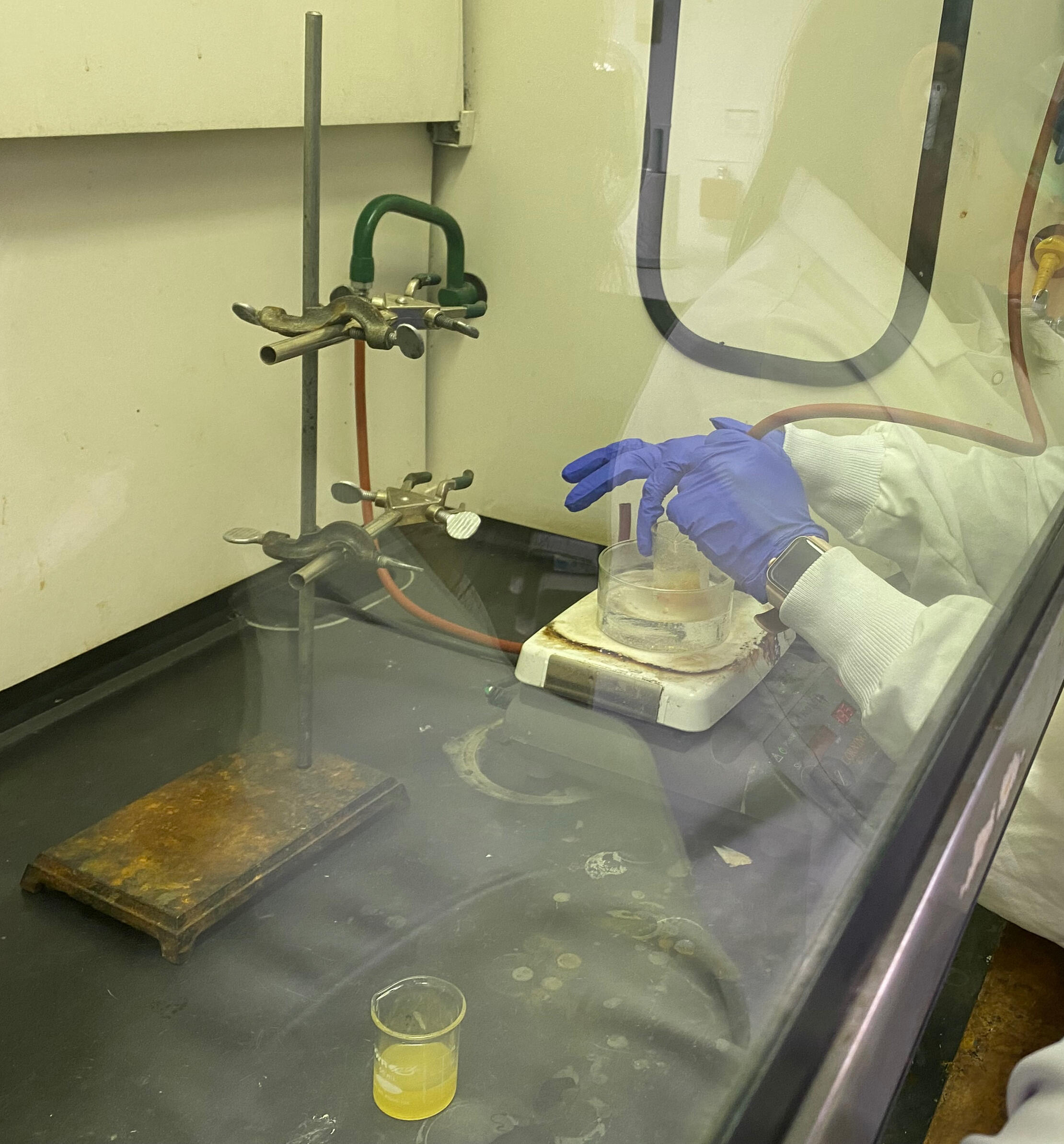
ALDEHYDE TO DIENE
Synthesized 1,4-diphenyl-1,3-butadiene using a Wittig reaction between cinnamaldehyde and a phosphonium ylide, which formed a conjugated alkene system with preferential formation of the trans,trans isomer. The product was isolated and purified by crystallization, analyzed by TLC, and optionally characterized by NMR or UV–Vis spectroscopy.
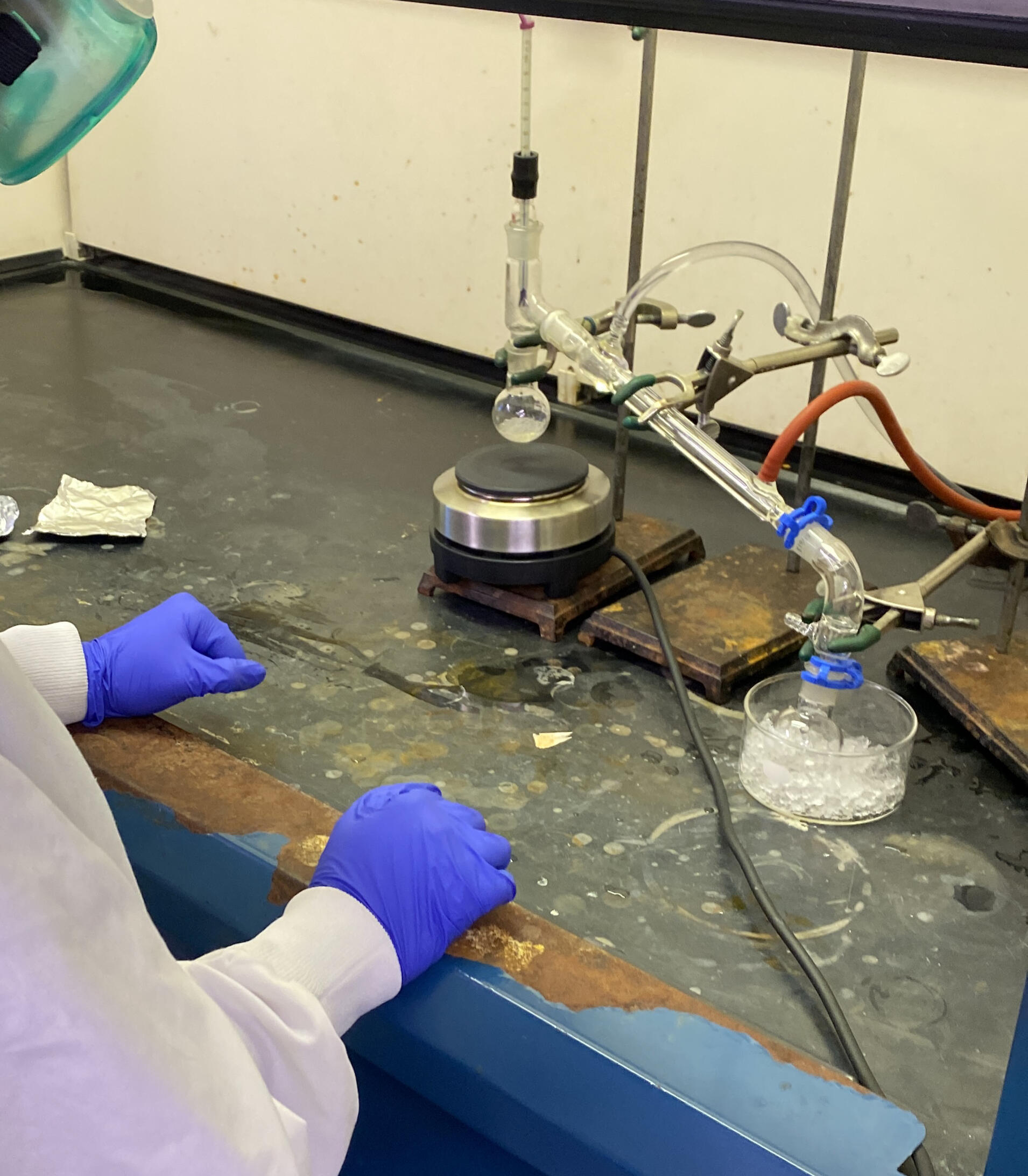
n-butyl SYNTHESIS FOR GRIGARD REAGENTS
Synthesized n-butyl bromide by converting n-butyl alcohol into an alkyl halide using sodium bromide and sulfuric acid, which generate hydrobromic acid in situ and proceed via an SN2 mechanism.
The product was purified by liquid–liquid extraction, drying, and simple distillation, then identified by boiling point and IR spectroscopy.
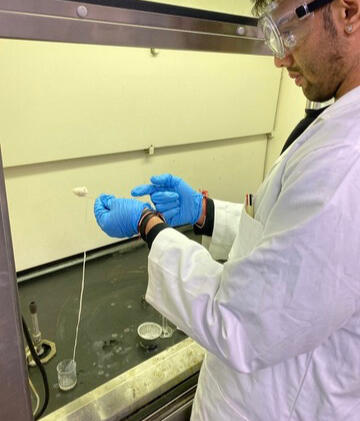
POLYMER SYNTHESIS
Synthesized representative polymers—polyesters, nylon, and polystyrene—to illustrate condensation and addition polymerization, including linear and cross-linked structures. Polyester was formed by reacting phthalic anhydride with diols, nylon was produced by interfacial condensation of a diacid chloride with a diamine, and polystyrene was made by free-radical polymerization of styrene, with the products analyzed using infrared spectroscopy.
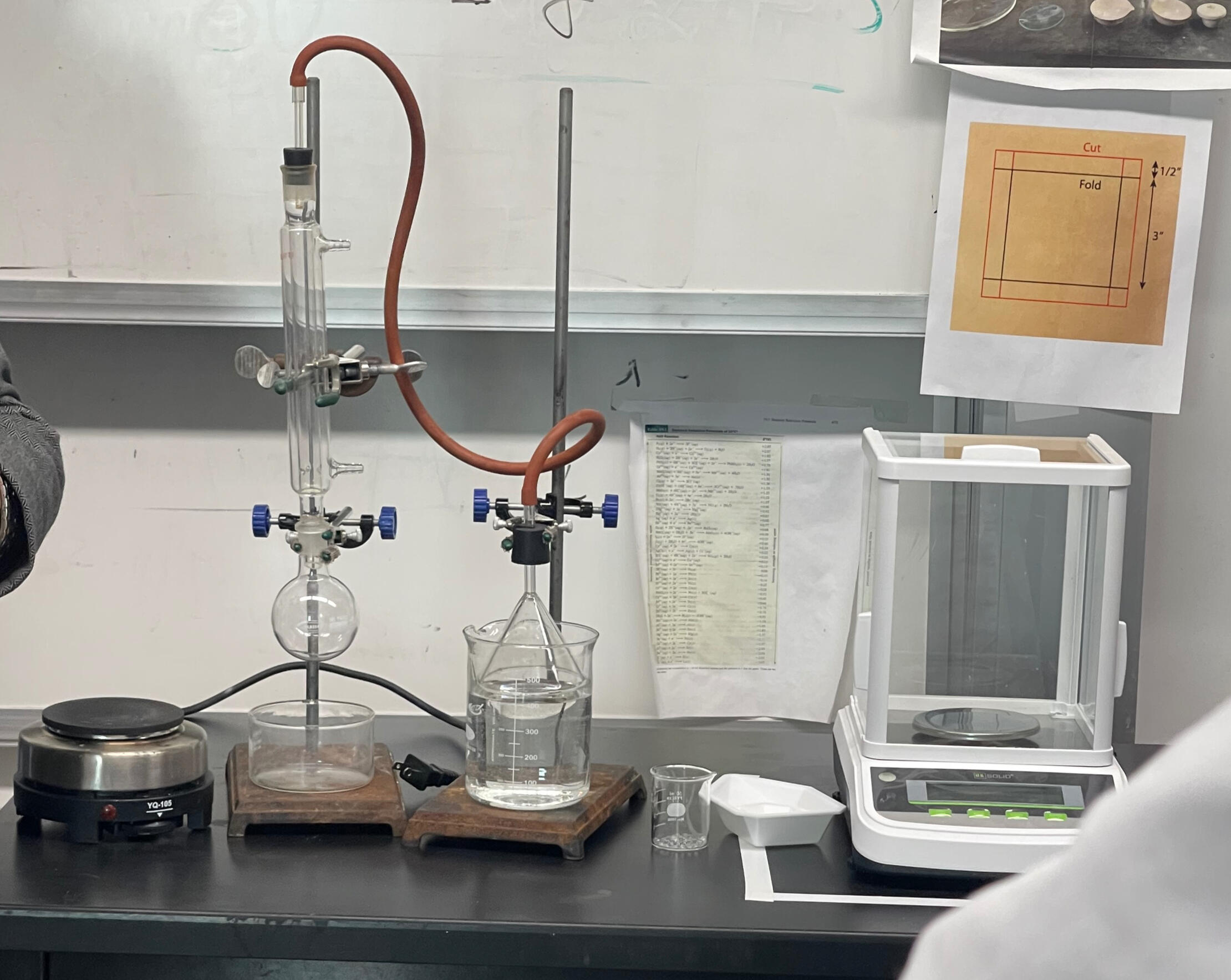
GRIGNARD REAGENT
Grignard reagent (phenylmagnesium bromide) from bromobenzene and magnesium under anhydrous conditions, then reacts it with either benzophenone to form the tertiary alcohol triphenylmethanol or with carbon dioxide (dry ice) to form benzoic acid after acidic workup. The product was isolated by acid–base extraction, purified by crystallization, and characterized by melting point and IR spectroscopy.
SAPONIFICATION
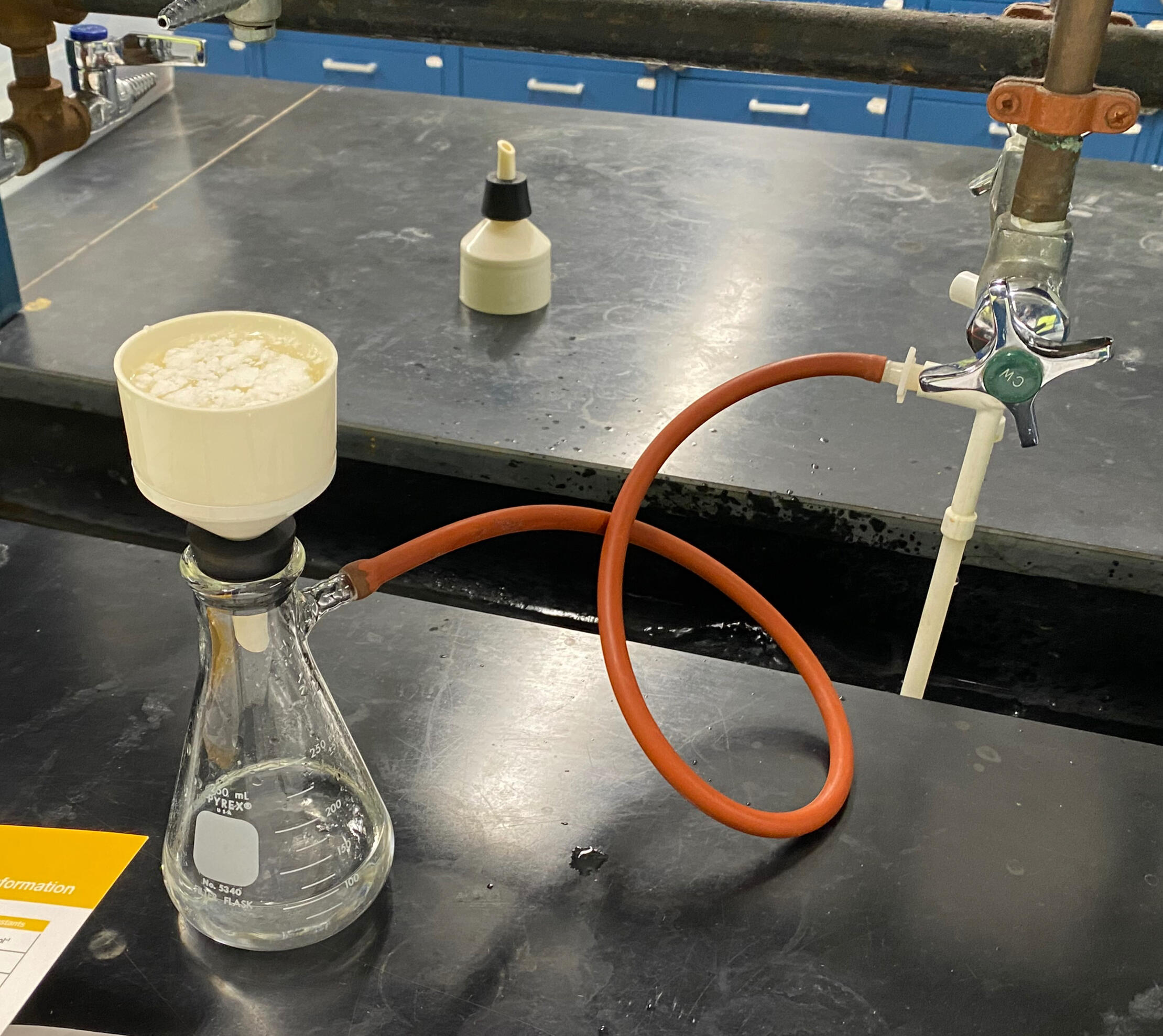
Soap and detergent were prepared by first making soap through saponification of a triglyceride with sodium hydroxide to form fatty acid salts and glycerol, followed by isolation by salting out and filtration. A synthetic detergent was then prepared by sulfonation of lauryl alcohol with chlorosulfonic acid and neutralization to give sodium lauryl sulfate, and the cleaning properties of soap versus detergent are evaluated in different water conditions.
LUMINOL SYNTHESIS
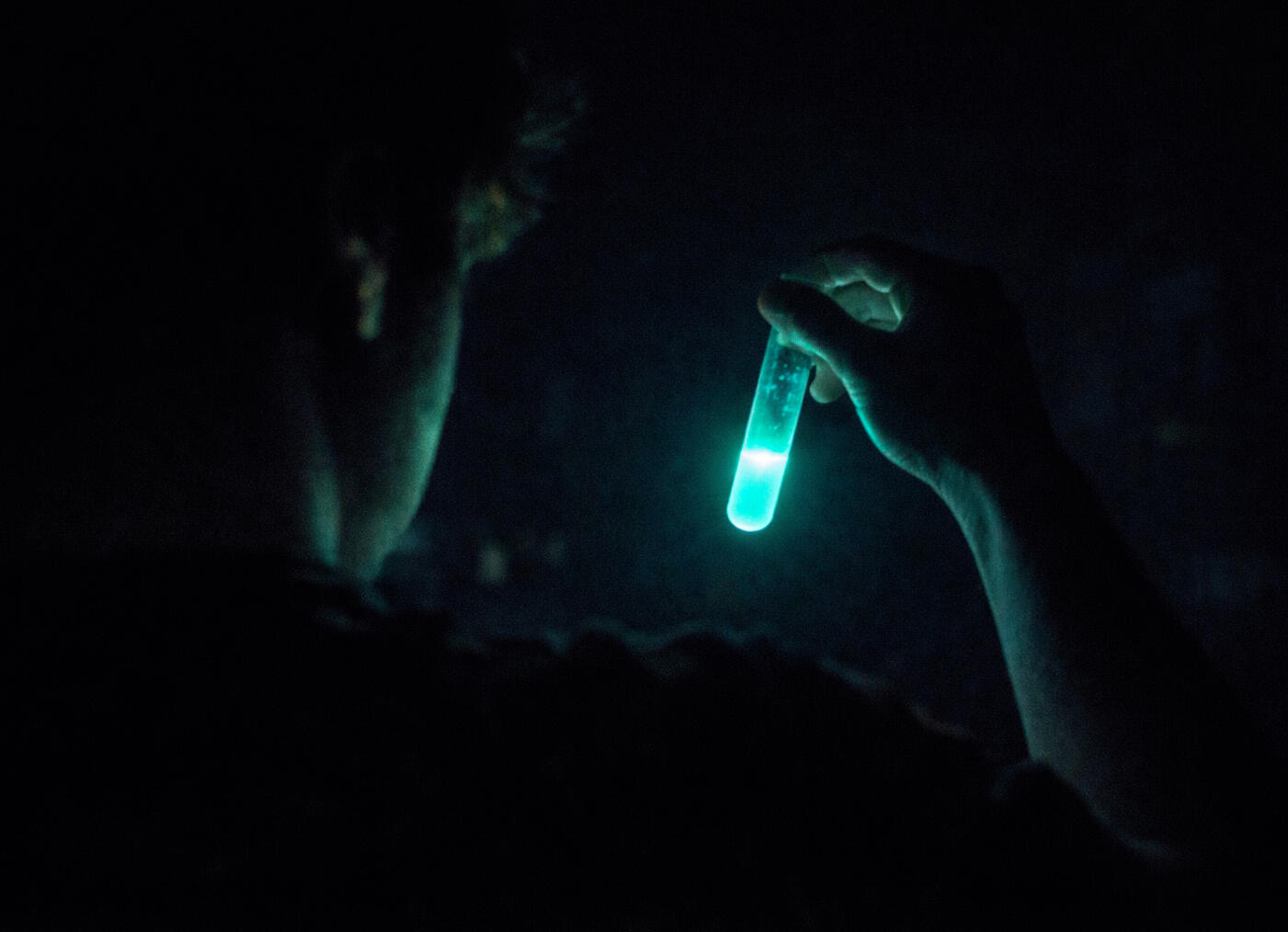
Synthesized luminol (5-aminophthalhydrazide) from 3-nitrophthalic acid via hydrazide formation and nitro-group reduction, then demonstrates chemiluminescence by oxidizing luminol in basic solution to produce an electronically excited 3-aminophthalate dianion.
The excited product relaxes to the ground state with visible light emission, illustrating energy transfer, intersystem crossing, and fluorescence principles.
LABORATORY EXPERIENCE
This page illustrates some of the biology labs that I have performed.
CRISPR
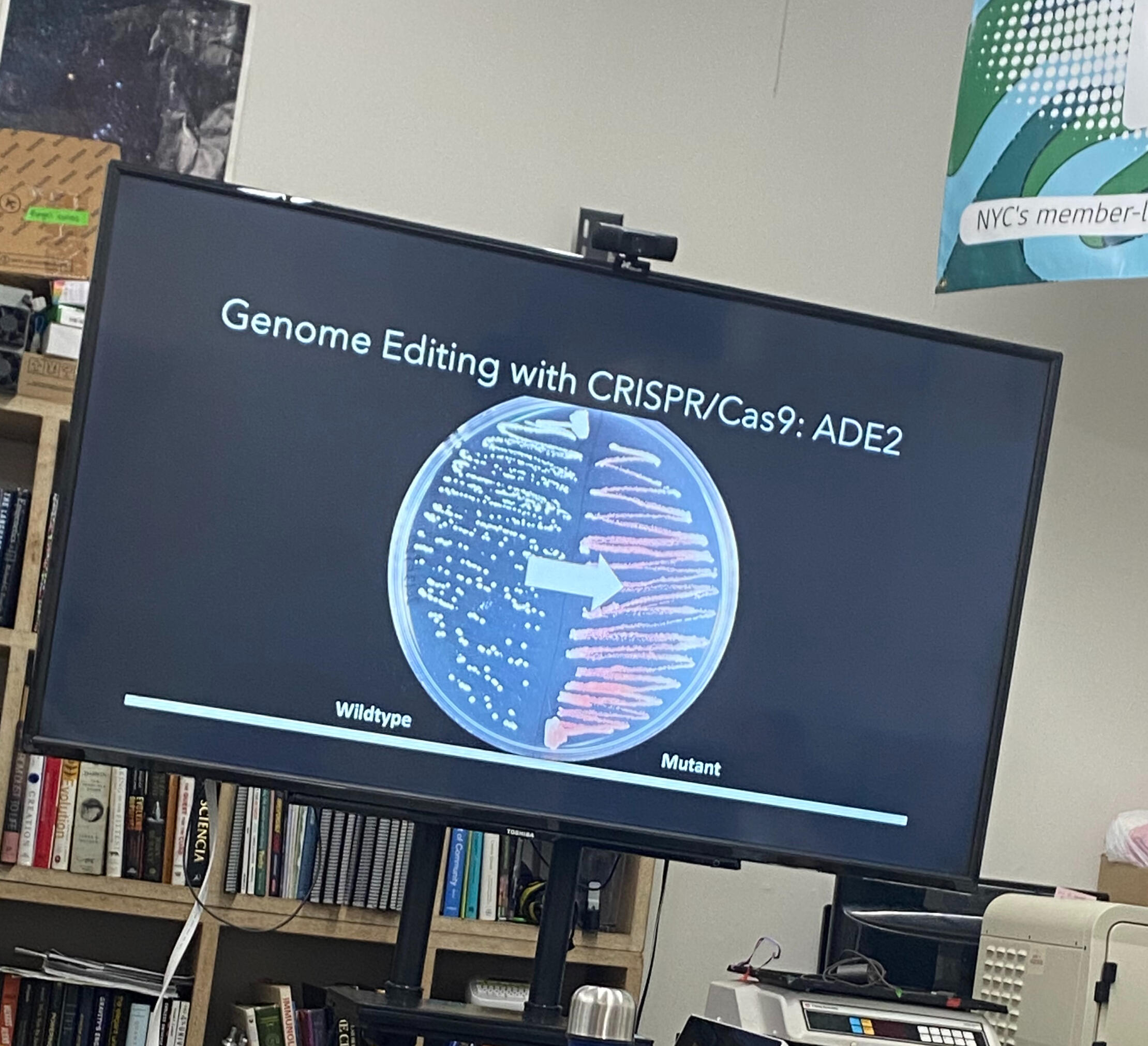
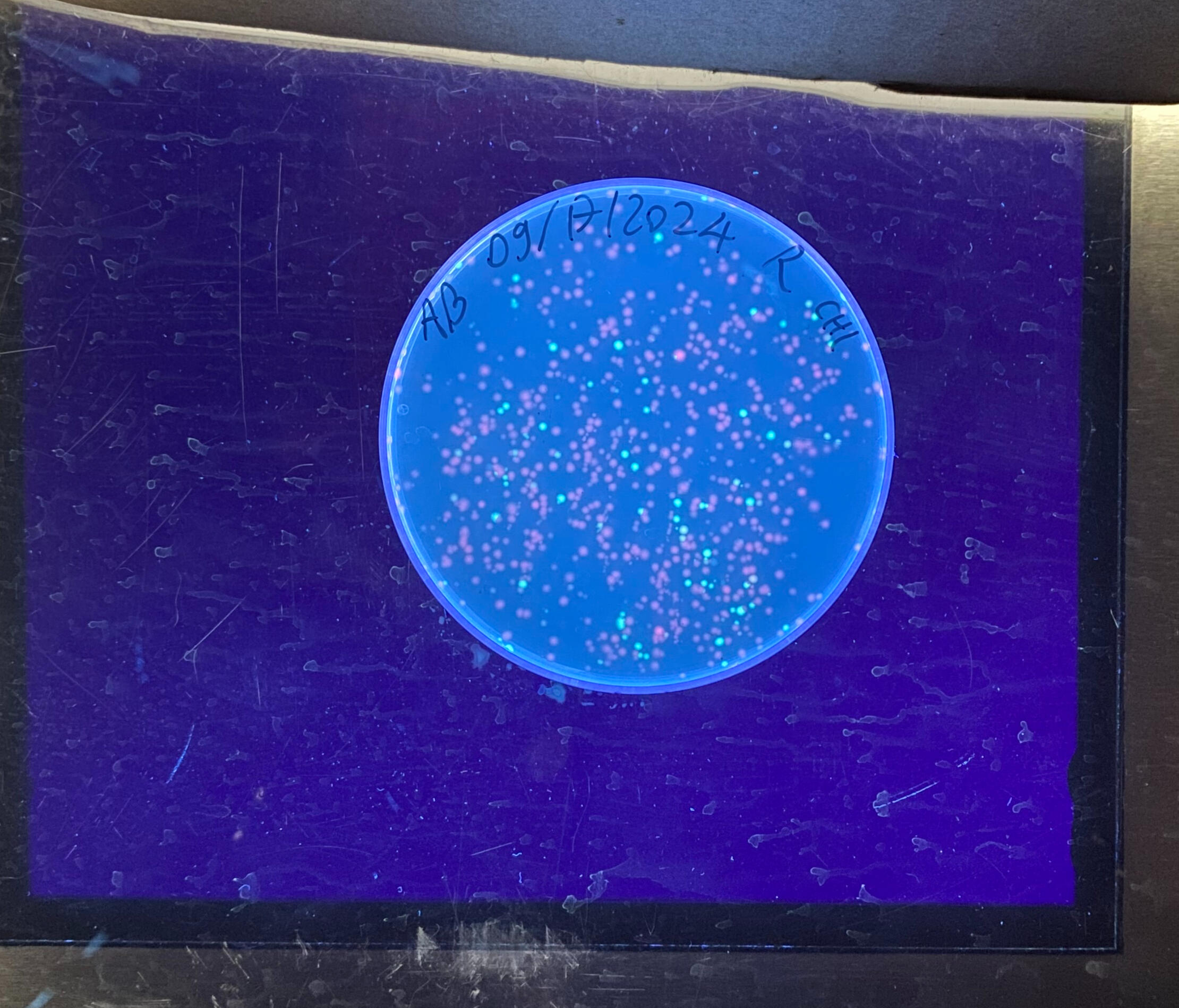
Conducted CRISPR-related molecular biology experiments involving DNA purification, oligonucleotide processing, Golden Gate cloning, plasmid assembly, transformation into competent E. coli, selective colony growth, and evaluation of recombinant genetic constructs for genome editing applications.
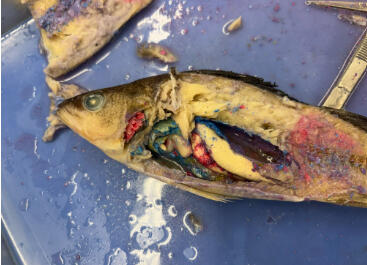
PERCH FISH DISSECTION
Examined structures such as the fins, scales, gills, heart, liver, stomach, intestines, swim bladder, kidneys, reproductive organs, and skeletal system to study fish anatomy and function.
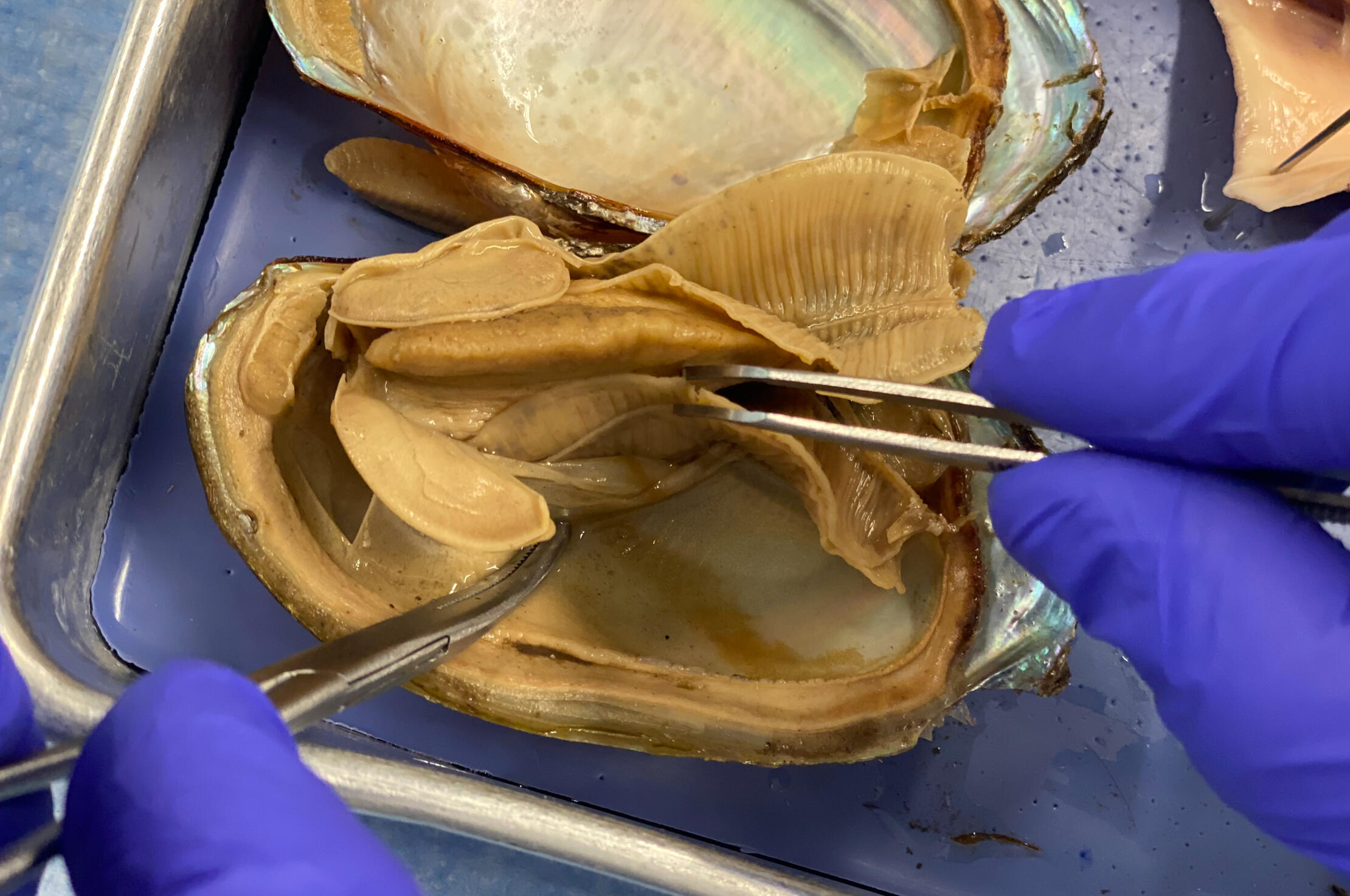
OYSTER DISSECTION
Oyster dissection lab involved examining the anatomy of a bivalve mollusk, including the shell, mantle, gills, adductor muscles, labial palps, digestive gland, stomach, intestine, gonads, and foot to study oyster structure and function.
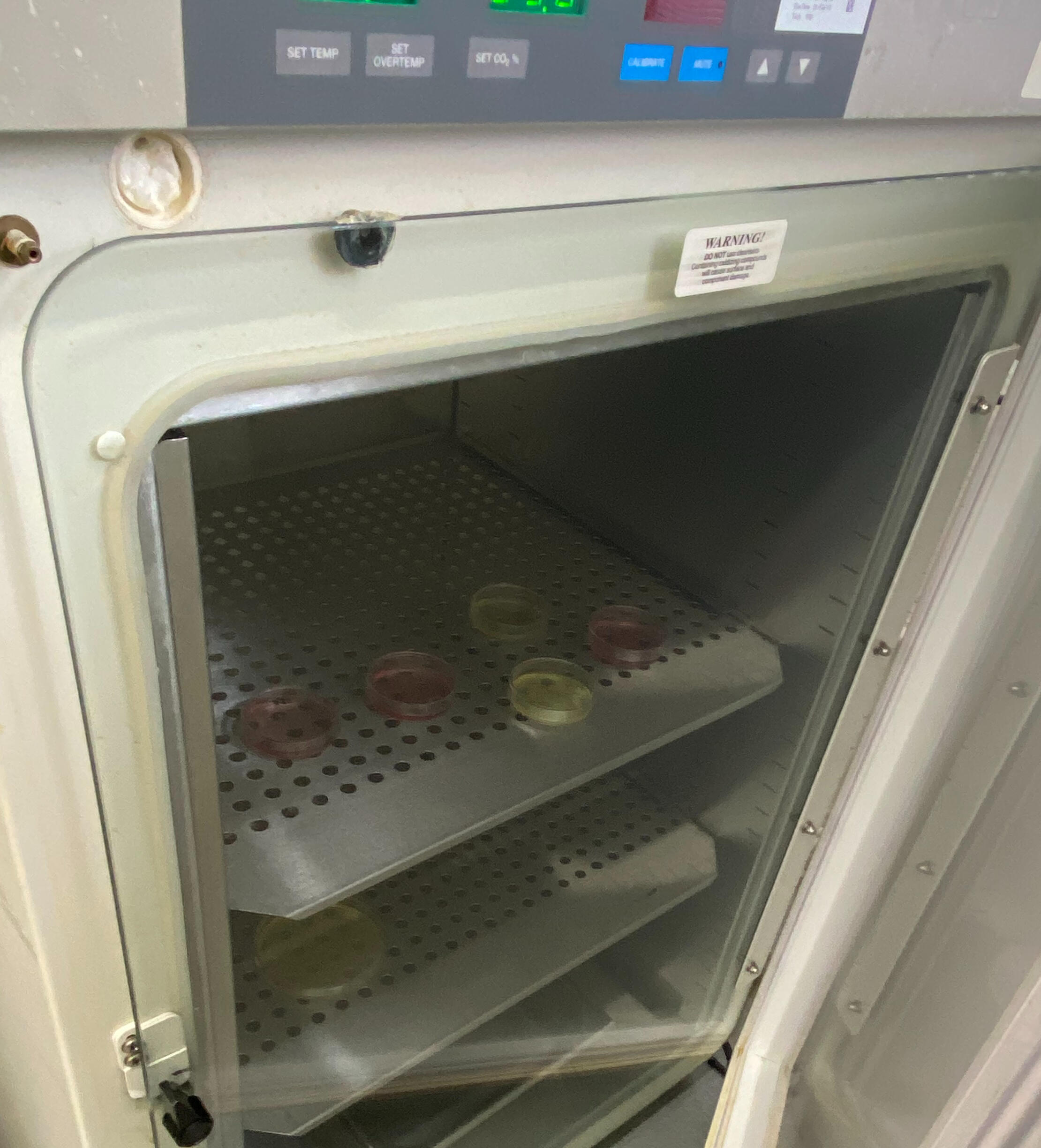
CO2 INCUBATION FOR CLONNING
The avian embryology lab involved incubating developing chicken embryos under controlled temperature, humidity, and gas conditions (including monitored CO₂ environments when applicable), while observing embryonic growth, tissue development, viability, and developmental stages rather than performing true chicken cloning procedures. Also perfomed the decelul
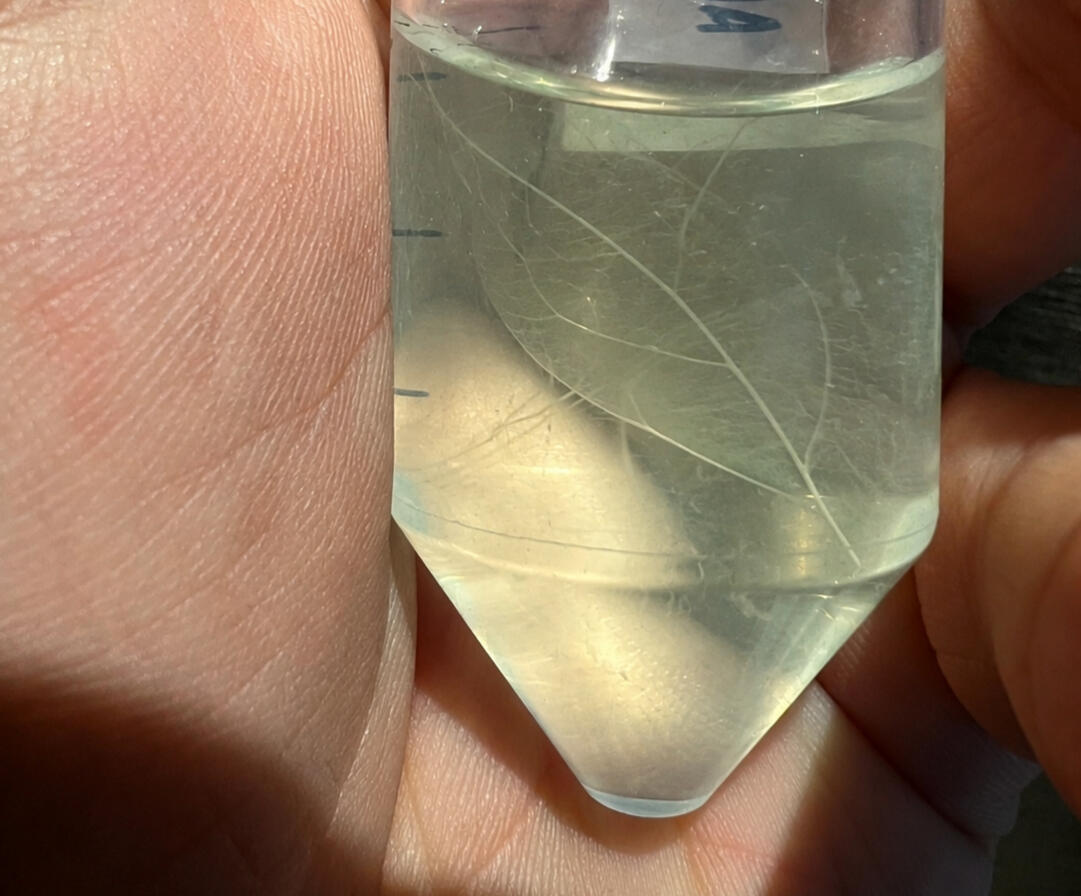
LEAF DECELLULARIZATION
Removed plant cells from leaves using chemical treatments (commonly detergents such as SDS) to leave behind the cellulose vascular scaffold, which was then examined as a potential biomaterial for tissue engineering, cell attachment, and future growth of mammalian cells due to its vein-like structure and porous support network.
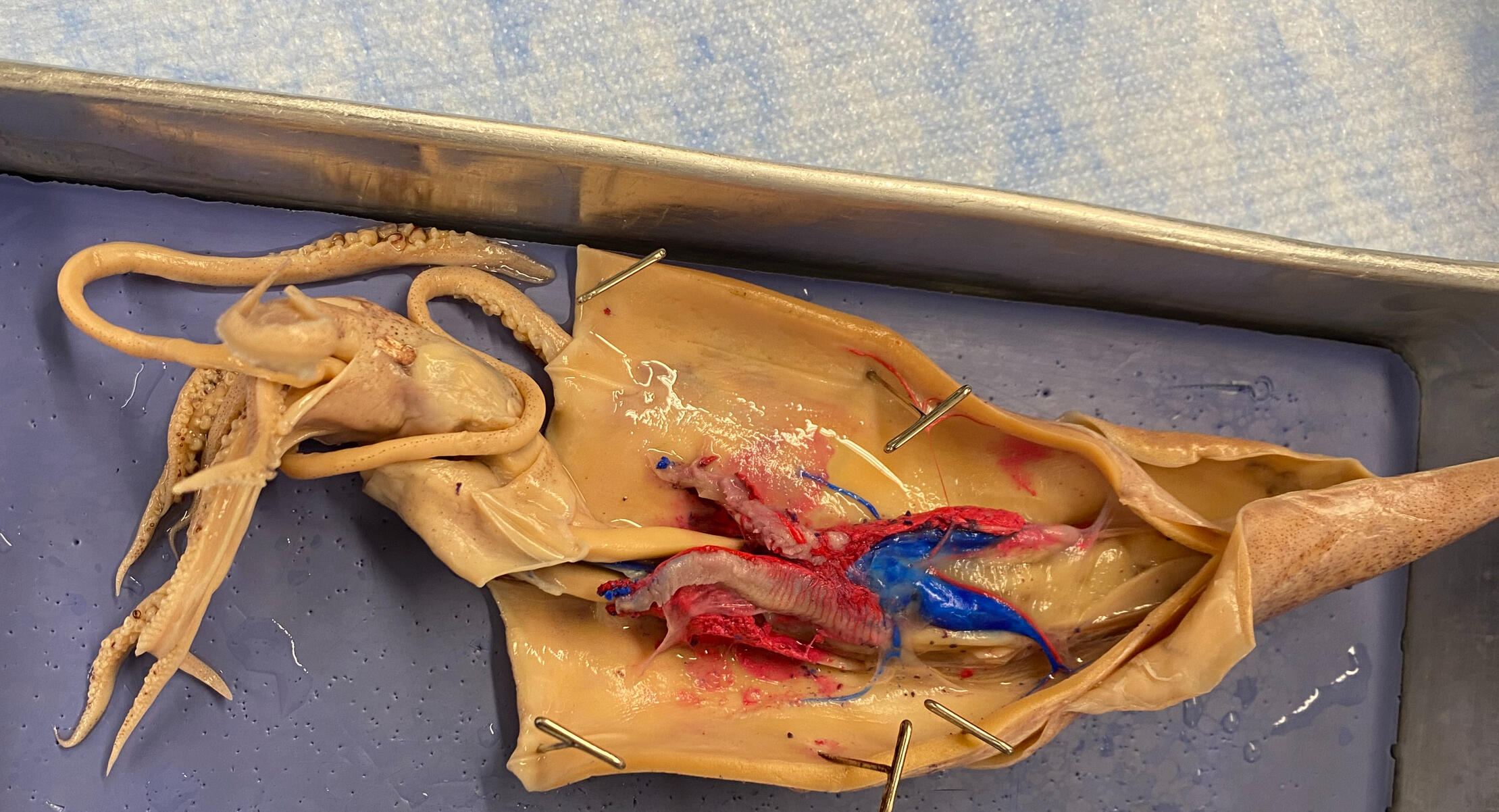
SQUID DISSECTION
The squid dissection lab involved examining the anatomy of a cephalopod mollusk, including the mantle, fins, arms, tentacles, suckers, beak, siphon, gills, branchial hearts, systemic heart, digestive gland, stomach, ink sac, gonads, brain, and nervous system structures to study squid physiology and function.
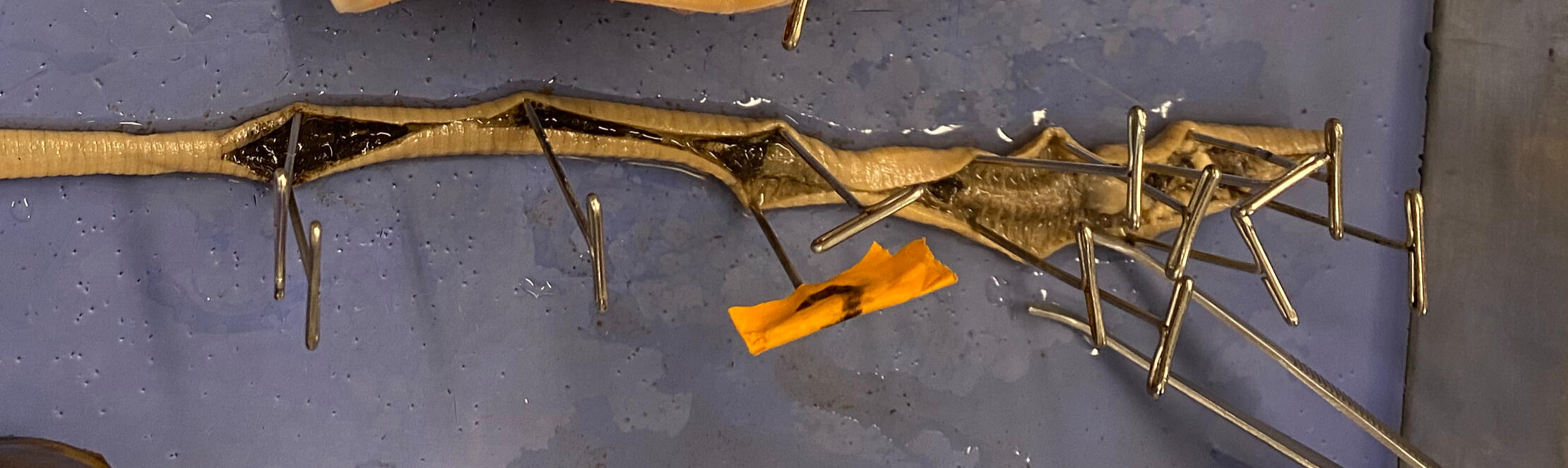
EARTHWORM DISSECTION
The earthworm dissection lab involved examining the anatomy of an annelid worm, including the prostomium, mouth, pharynx, crop, gizzard, intestine, aortic arches (“hearts”), dorsal and ventral blood vessels, seminal vesicles, seminal receptacles, nephridia, clitellum, and segmented body structure to study earthworm physiology and function.
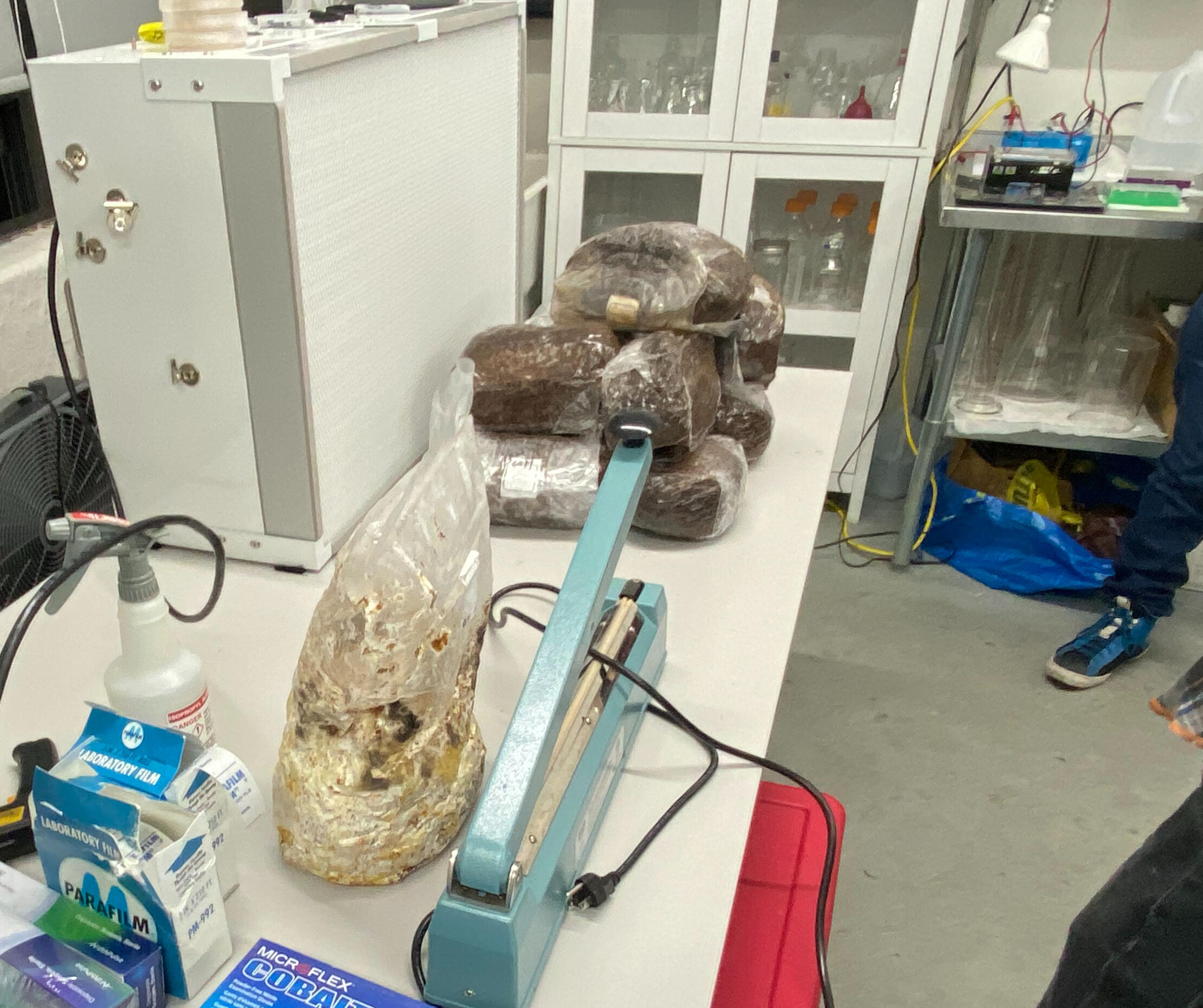
MUSHROOM CULTIVATION
Performed a two-week mushroom cultivation lab involved growing and monitoring Maitake and Lion's Mane mushrooms by preparing growth substrates, inoculating cultures, maintaining controlled temperature and humidity conditions, observing mycelial colonization, recording growth rates and morphology, and analyzing fruiting body development, contamination, and cultivation performance over time.
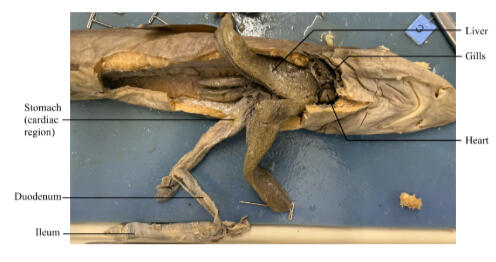
SHARK DISSECTION
Examined anatomical structures such as the fins, gills, heart, liver, stomach, intestines, spiral valve, kidneys, reproductive organs, and cartilaginous skeleton to study shark physiology and adaptations.
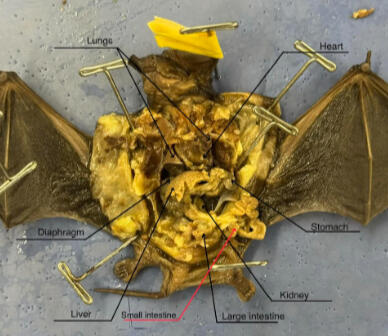
BAT DISSECTION
Examined the major anatomical parts including the wings (patagium), forelimbs and hindlimbs, head and sensory organs, muscles, heart, lungs, liver, stomach, intestines, kidneys, reproductive organs, and skeletal structure to study their anatomy and adaptations for flight.
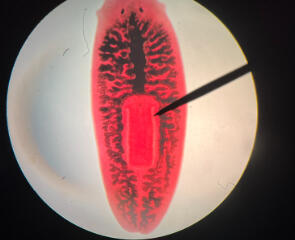
PLANARIA
Performed a lab involving observing microscope slides and live growing specimens to study their anatomy, movement, regeneration abilities, and responses to environmental conditions.
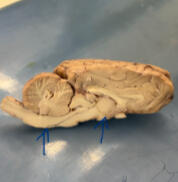
SHEEP'S BRAIN
Examined external and internal brain structures, such as the cerebrum, cerebellum, brainstem, corpus callosum, and ventricles, to study mammalian nervous system anatomy.
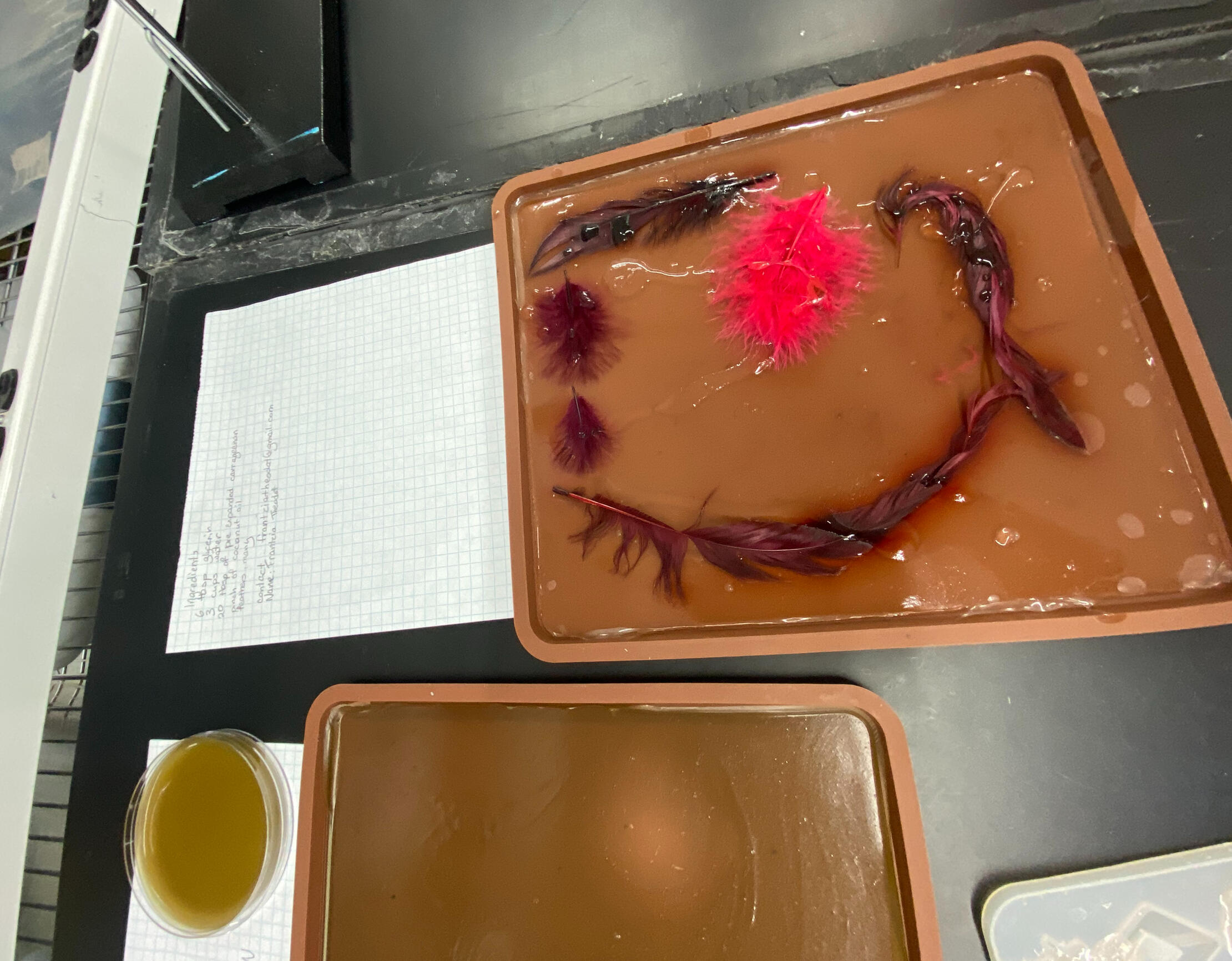
BIOMATERIALS
Studied biomaterials jewelry lab involved designing and fabricating jewelry pieces using biological and bio-inspired materials while analyzing material properties, biocompatibility, texture, aesthetics, sustainability, and fabrication methods such as molding, casting, shaping, resin embedding, and surface treatment techniques.
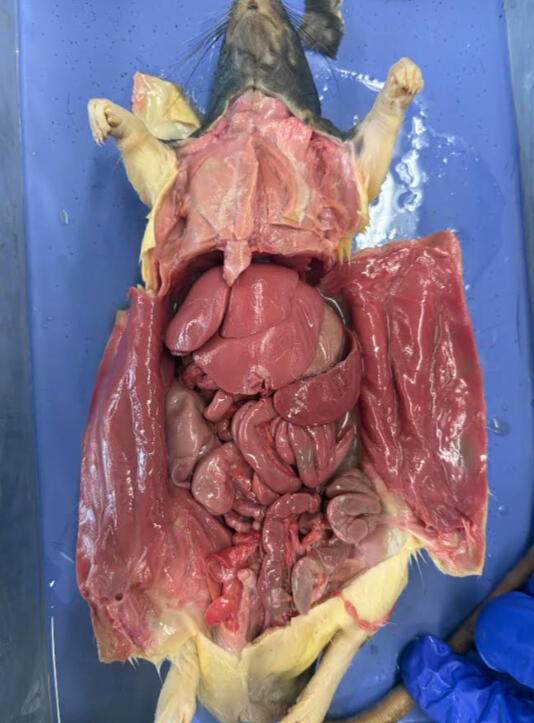
RAT DISSECTION
Examined external features and internal organs, including the heart, lungs, liver, stomach, intestines, kidneys, reproductive organs, and skeletal muscles, to study mammalian anatomy and physiology.
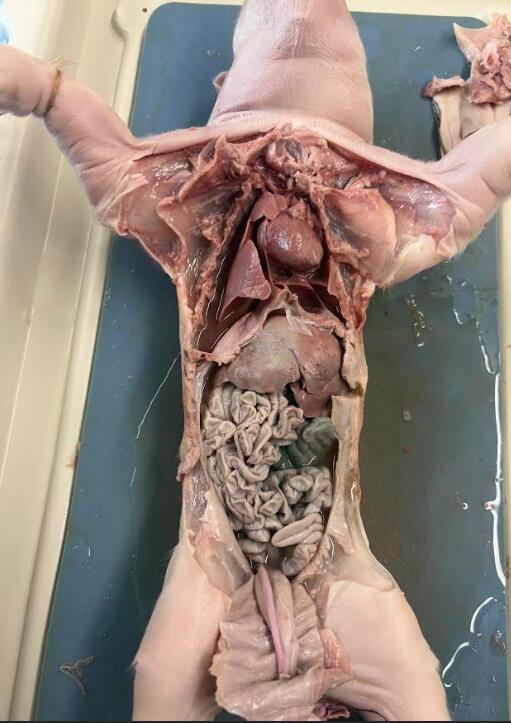
PIG DISSECTION & MUMMIFICATION
Dissected pigs and examined the external anatomy and internal organ systems, including the heart, lungs, liver, digestive tract, kidneys, and reproductive structures, to study mammalian physiology and development.
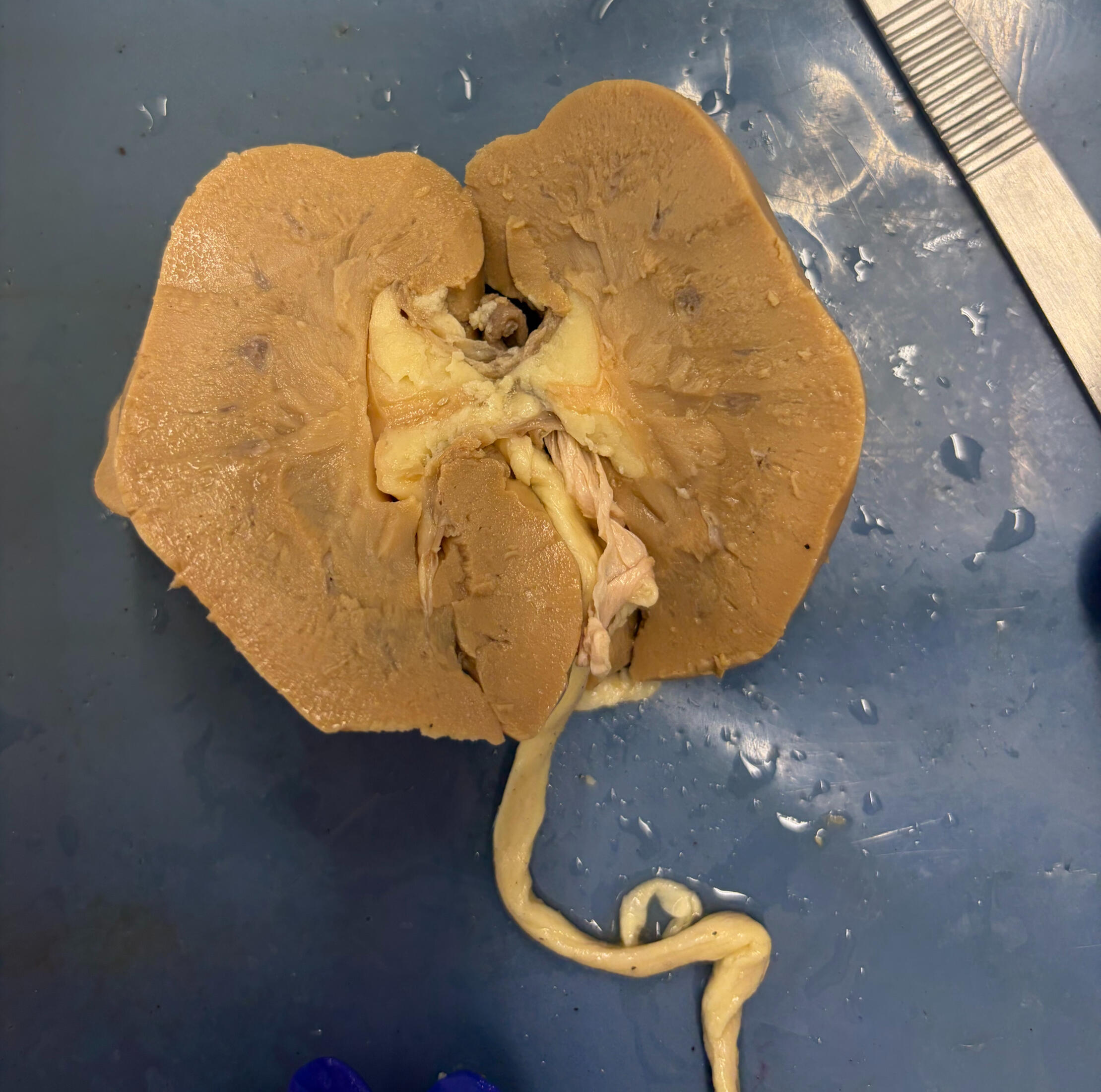
LIVER DISSECTION
Examined the external structure, lobes, blood vessels, and internal tissue organization to study liver anatomy and its role in metabolism, detoxification, and digestion.
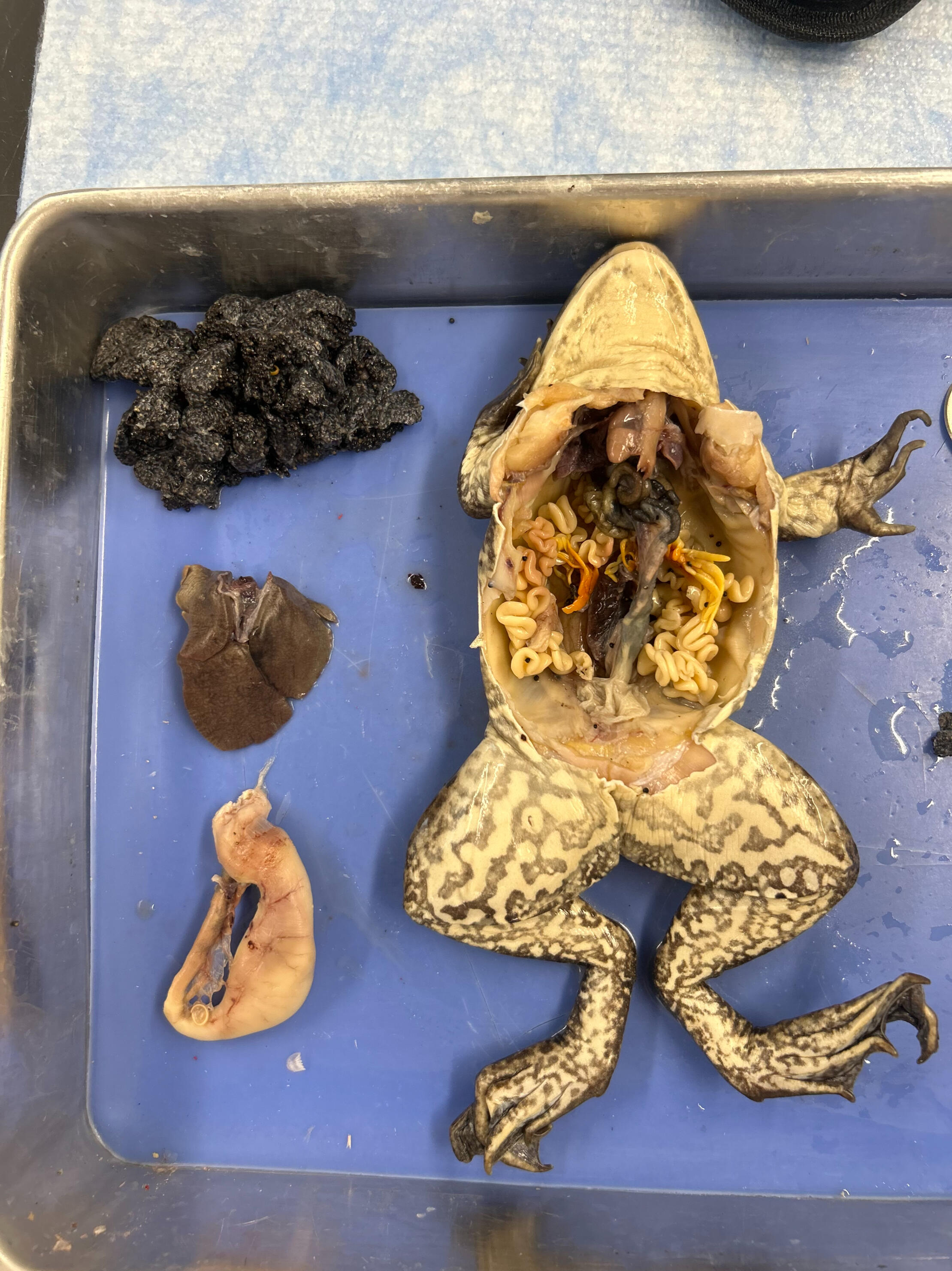
FROG DISSECTION
Studied external anatomy and internal organs, including the heart, lungs, liver, stomach, intestines, kidneys, and reproductive system, to study vertebrate anatomy and physiology.
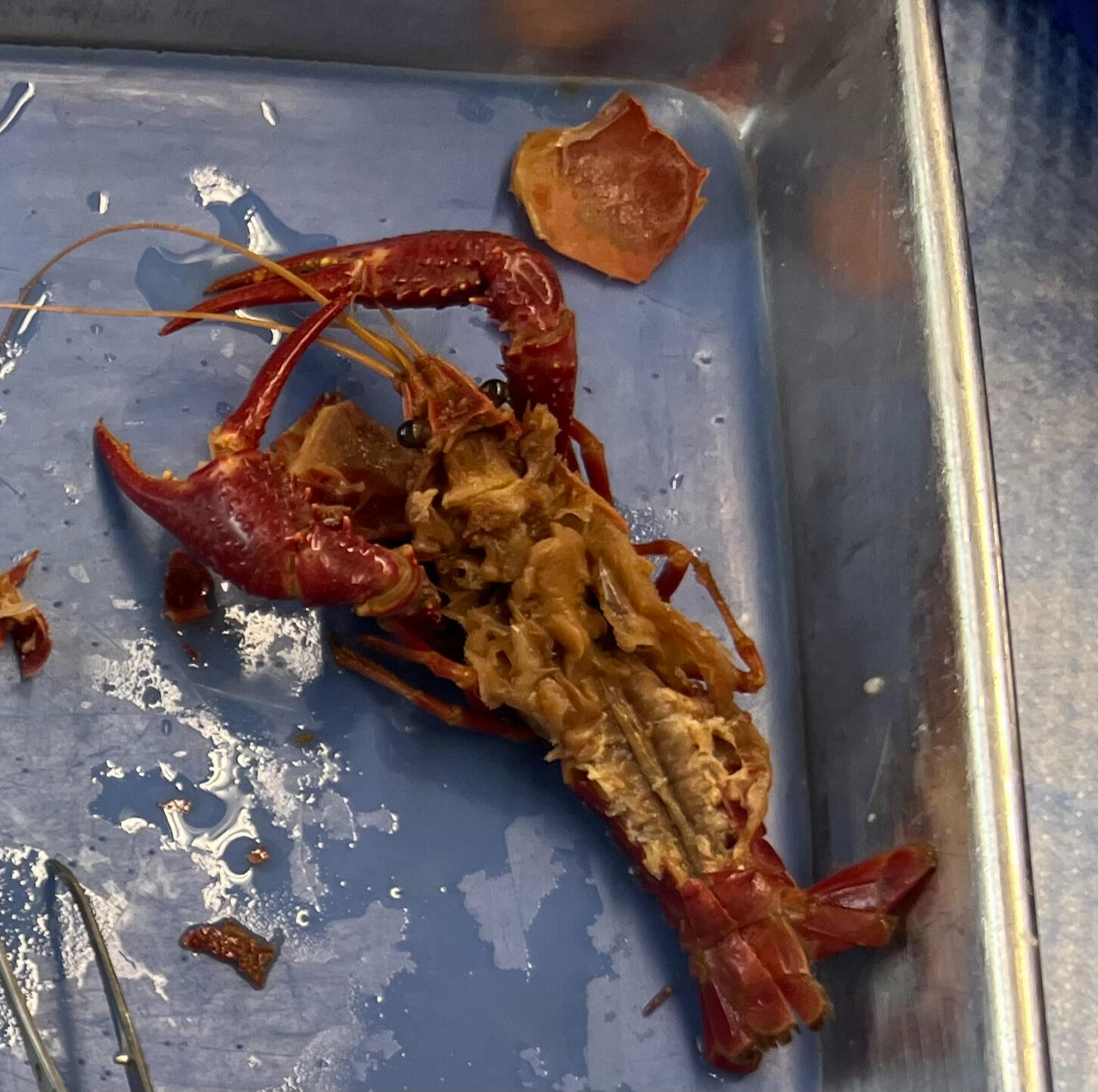
LOBSTER DISSECTION
Analyzed external structures and internal organs, including the exoskeleton, gills, digestive system, heart, muscles, and nervous system, to study crustacean anatomy and adaptations.
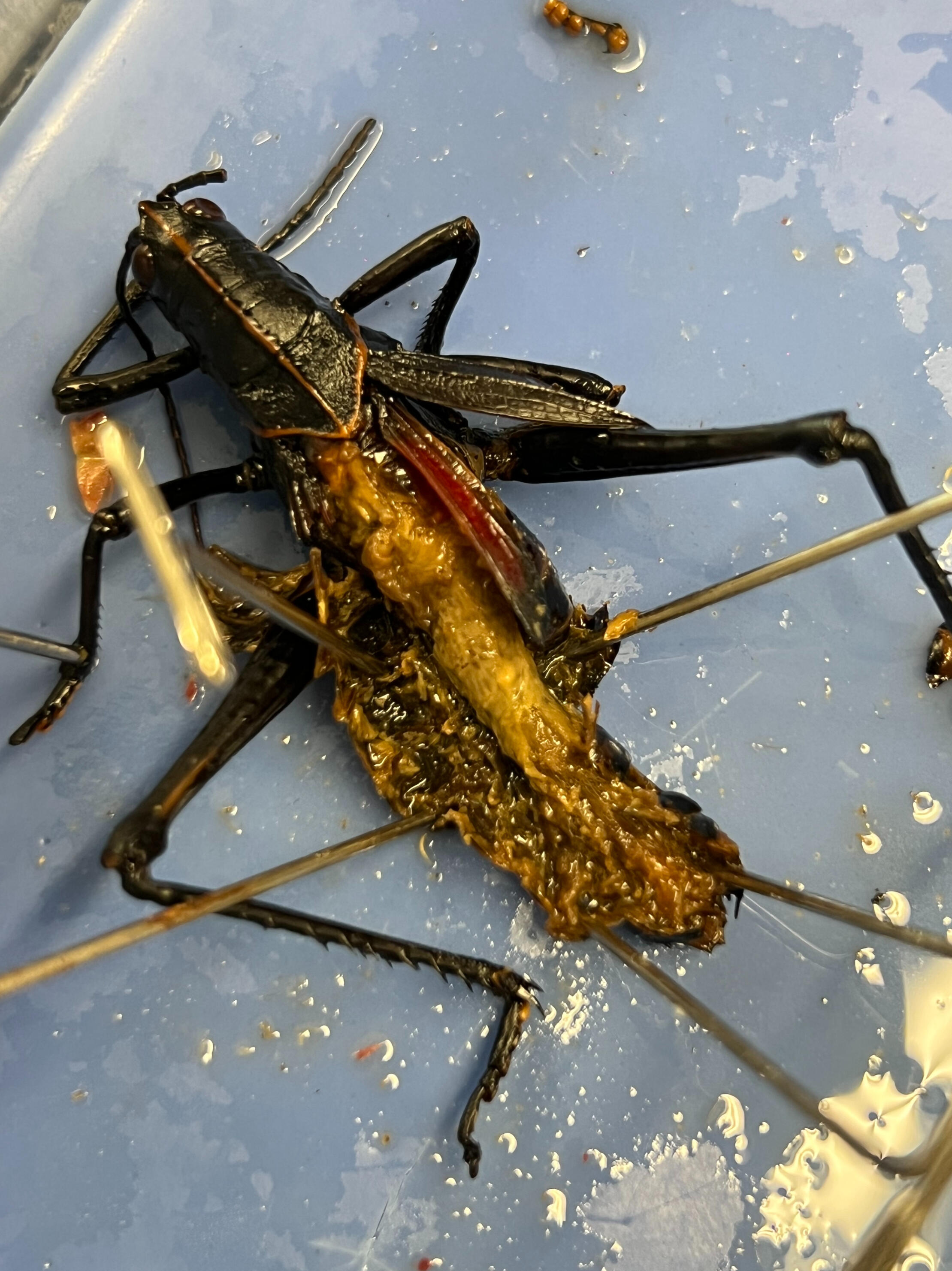
GRASSHOPPER DISSECTION
Observed external features and internal structures such as the exoskeleton, digestive system, tracheal tubes, reproductive organs, and nervous system to study insect anatomy and physiology.
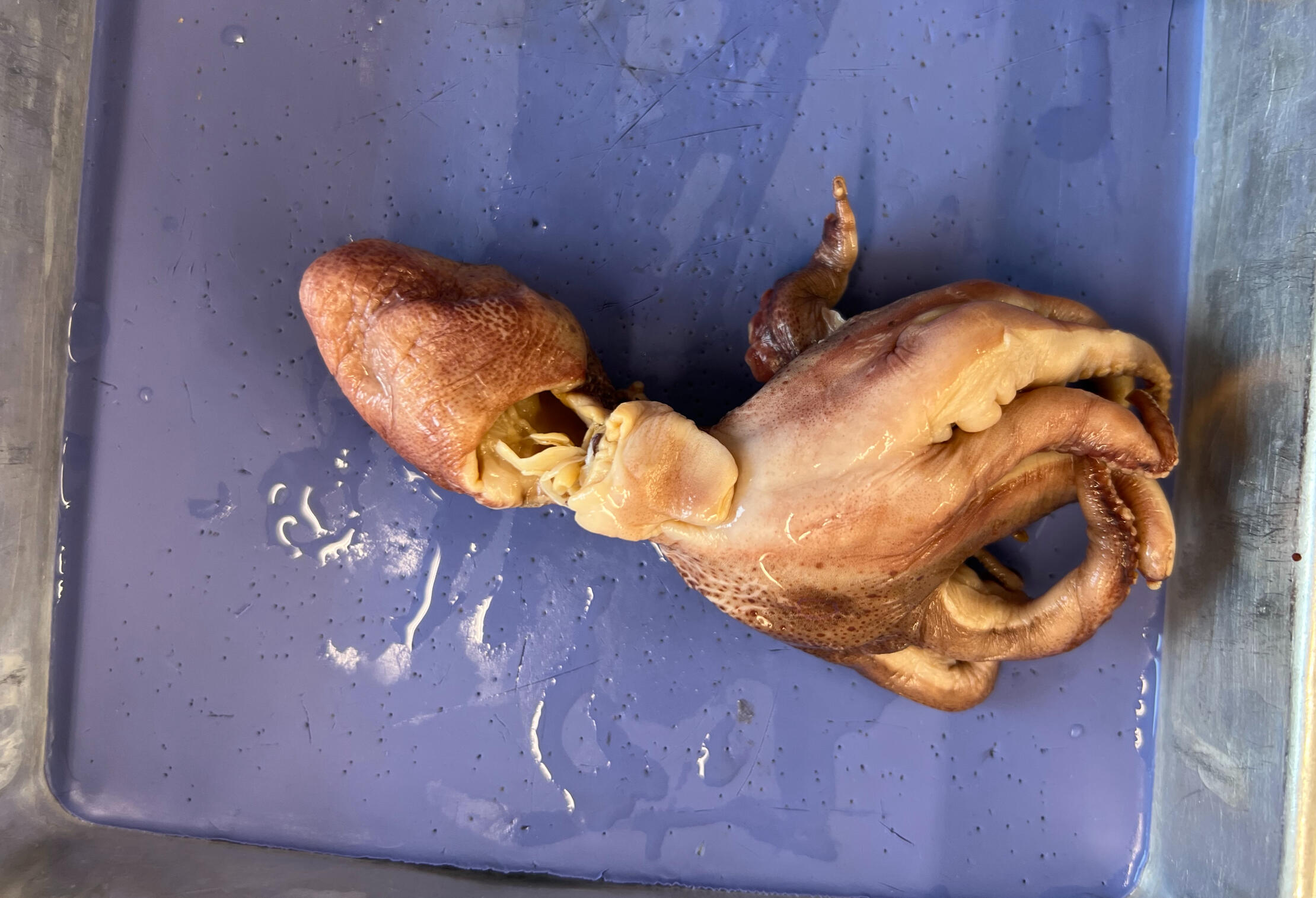
OCTOPUS
Examined external and internal anatomy, including the mantle, arms, suckers, beak, siphon, gills, branchial hearts, systemic heart, digestive tract, ink sac, gonads, brain, and nervous system structures.
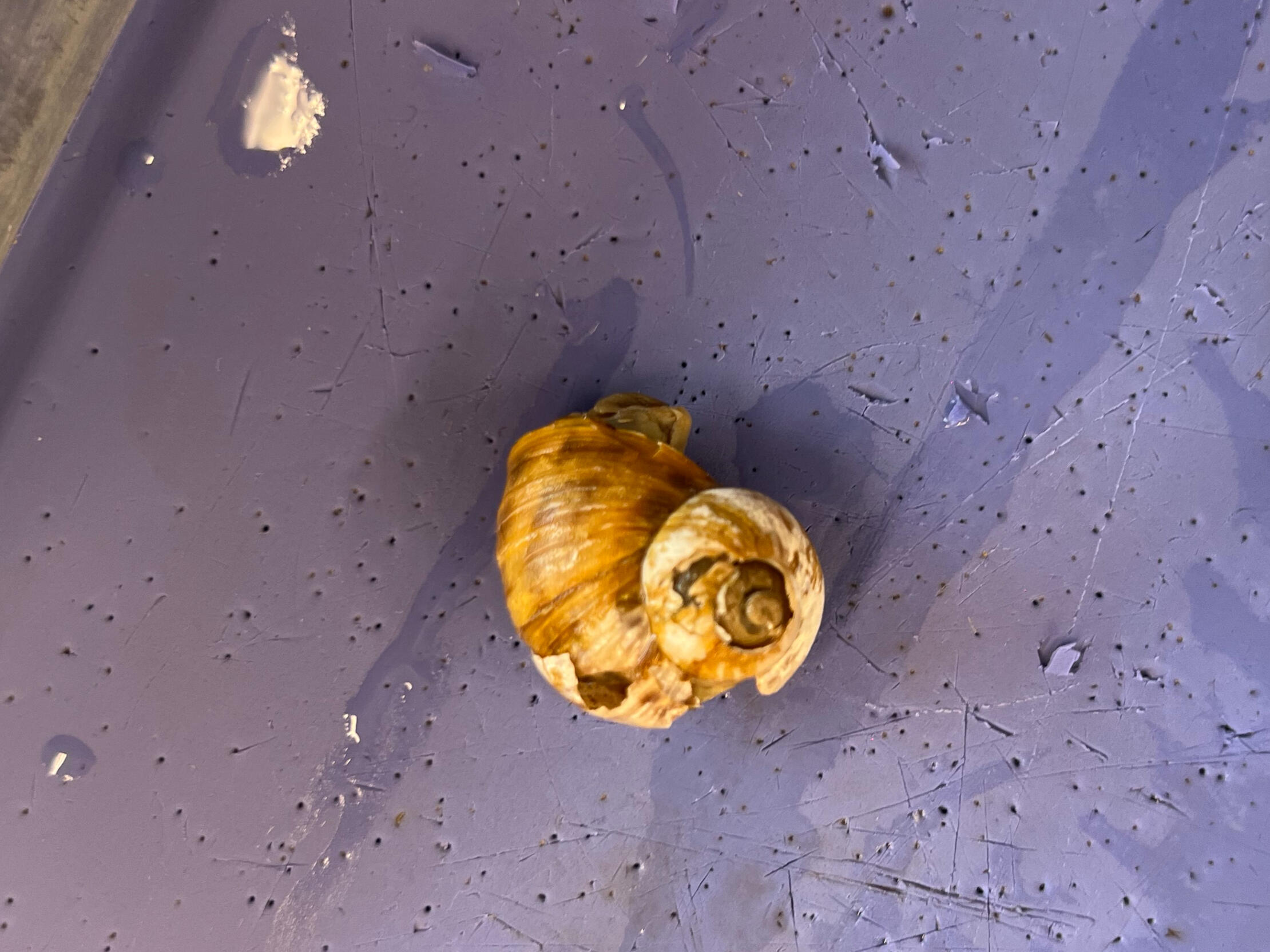
SNAIL
Studied the anatomy of a gastropod mollusk, including structures such as the shell, mantle, muscular foot, tentacles, radula, digestive gland, stomach, intestine, heart, and respiratory organs to study molluscan body organization and function.
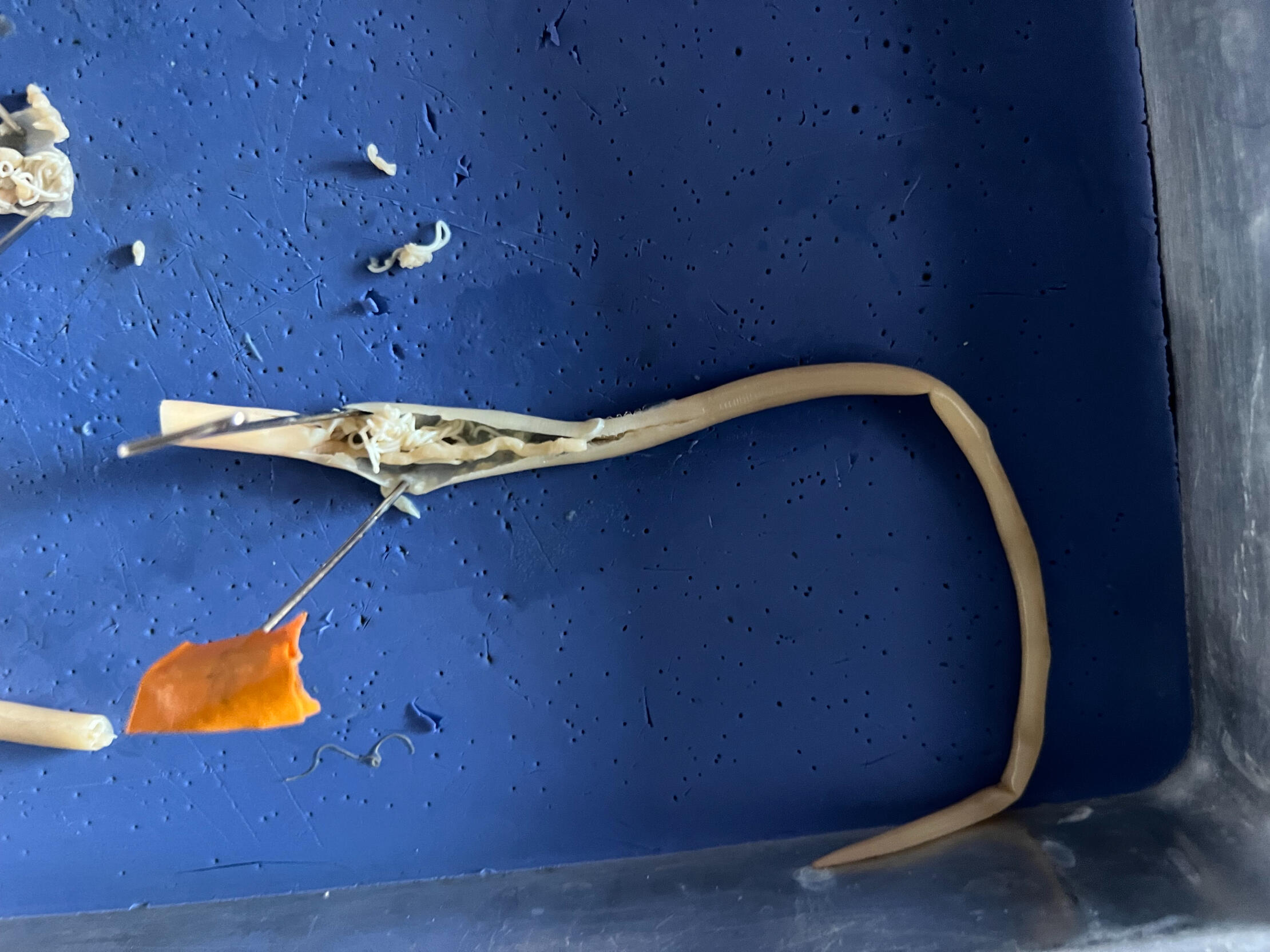
ASCARIS DISSECTION
Dissected male and female ascaris and examined external and internal anatomy, including the mouth, cuticle, reproductive organs (testis, vas deferens, uterus, ovaries), intestine, genital pores, and differences in body shape and tail structure between the sexes.
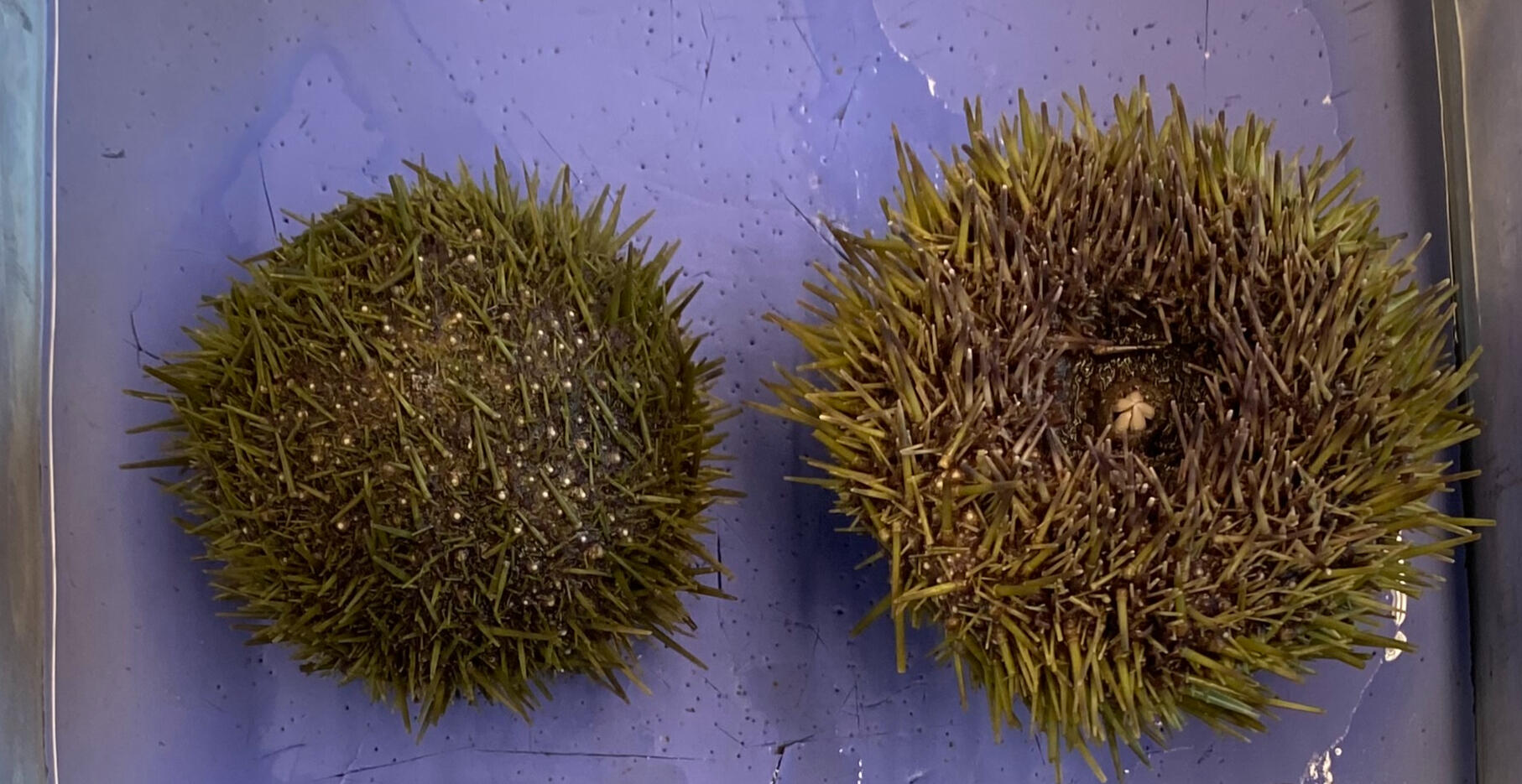
SEA URCHINS
Studied Sea urchins are marine invertebrates belonging to the phylum Echinodermata and class Echinoidea. They are related to starfish and sand dollars.
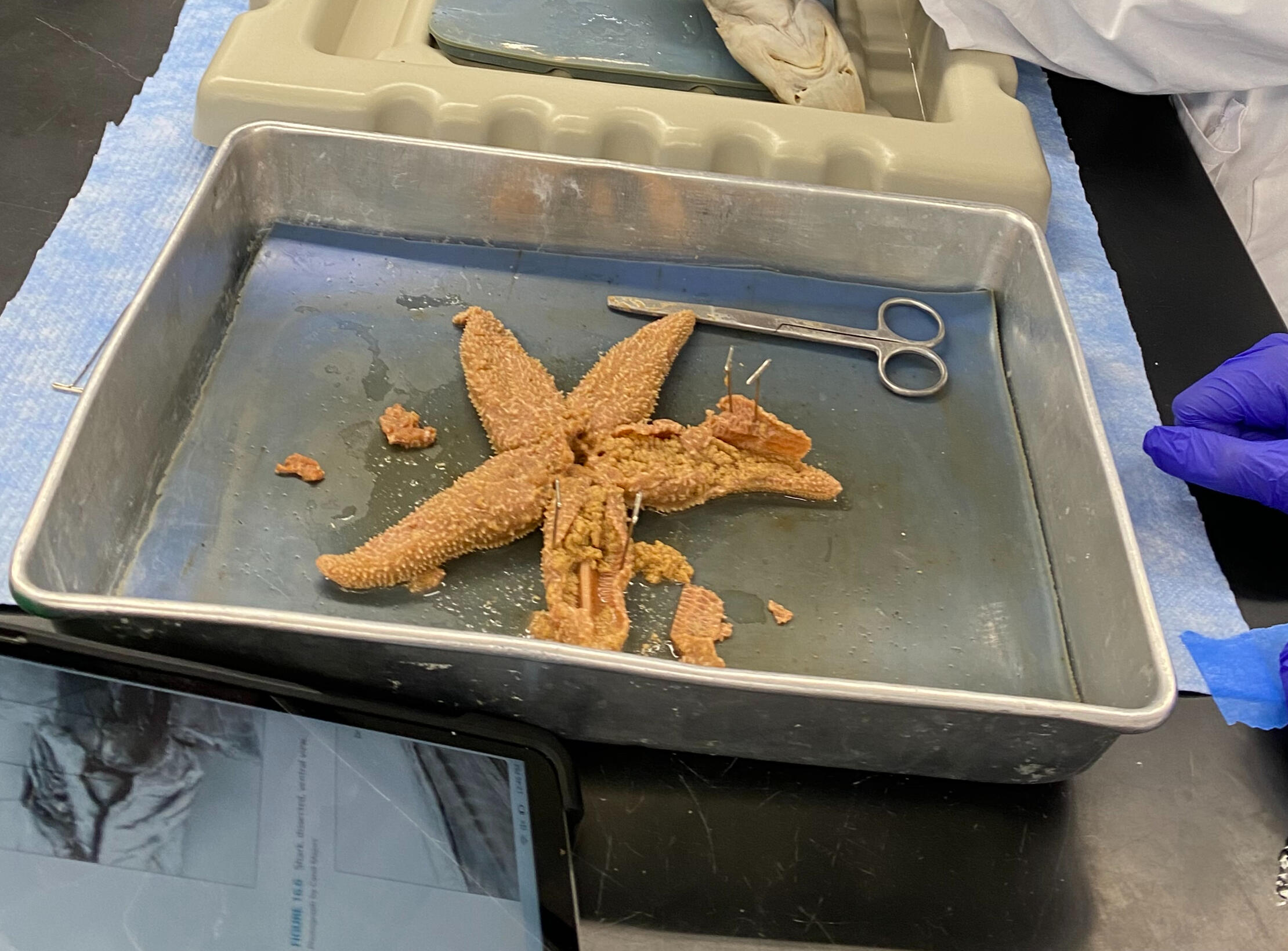
STARFISH
Dissected a starfish to analyse echinoderm anatomy, including the arms, central disc, tube feet, water vascular system, madreporite, radial canals, stomachs, pyloric caeca, gonads, and oral and aboral surfaces to study structure and function.
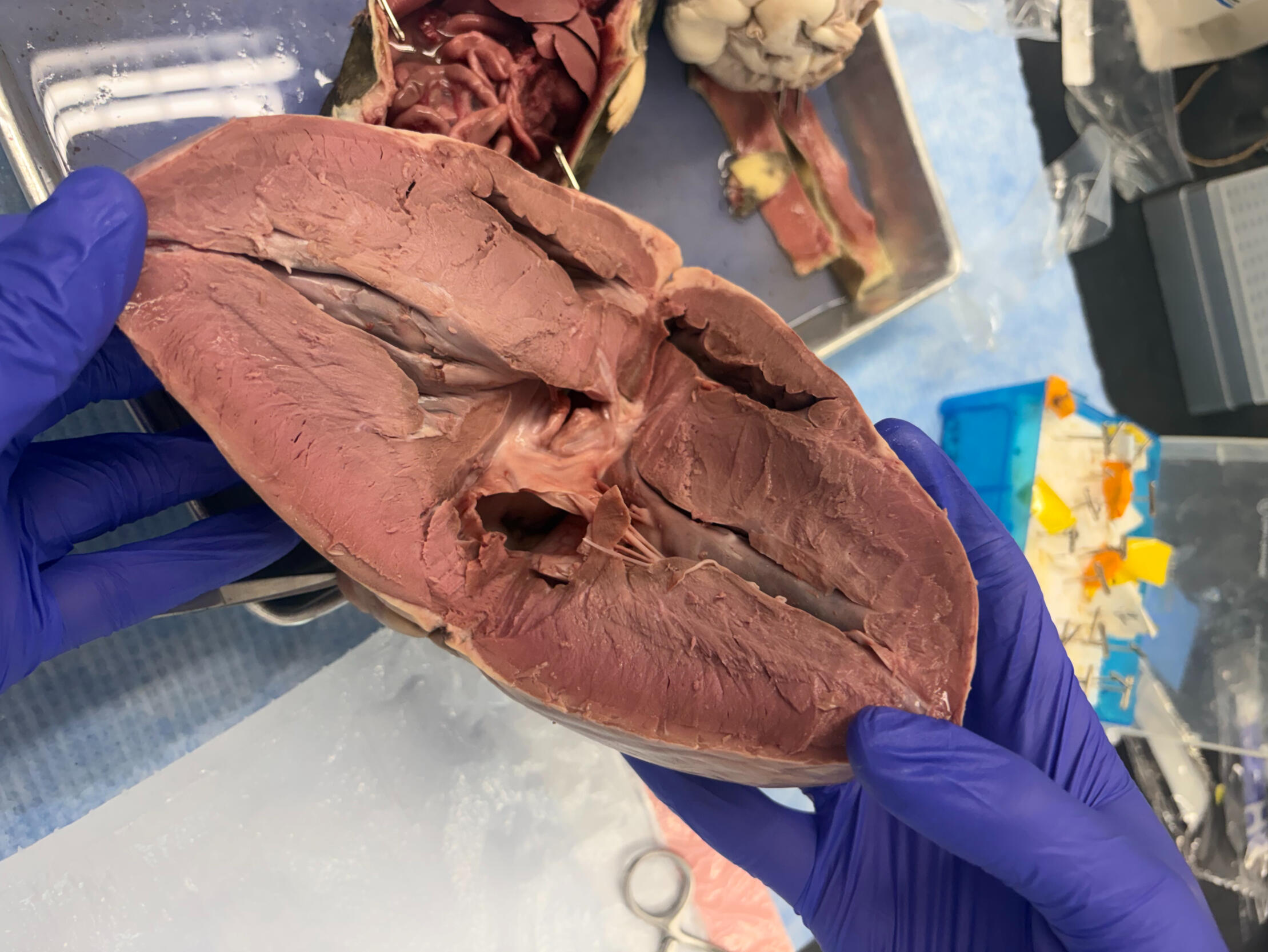
PIG HEART
Studied the anatomy of a preserved pig heart by identifying structures such as the aorta, pulmonary trunk, atria, ventricles, vena cava, coronary vessels, septum, and valves, while tracing the flow of blood and examining similarities between pig and human cardiovascular systems.
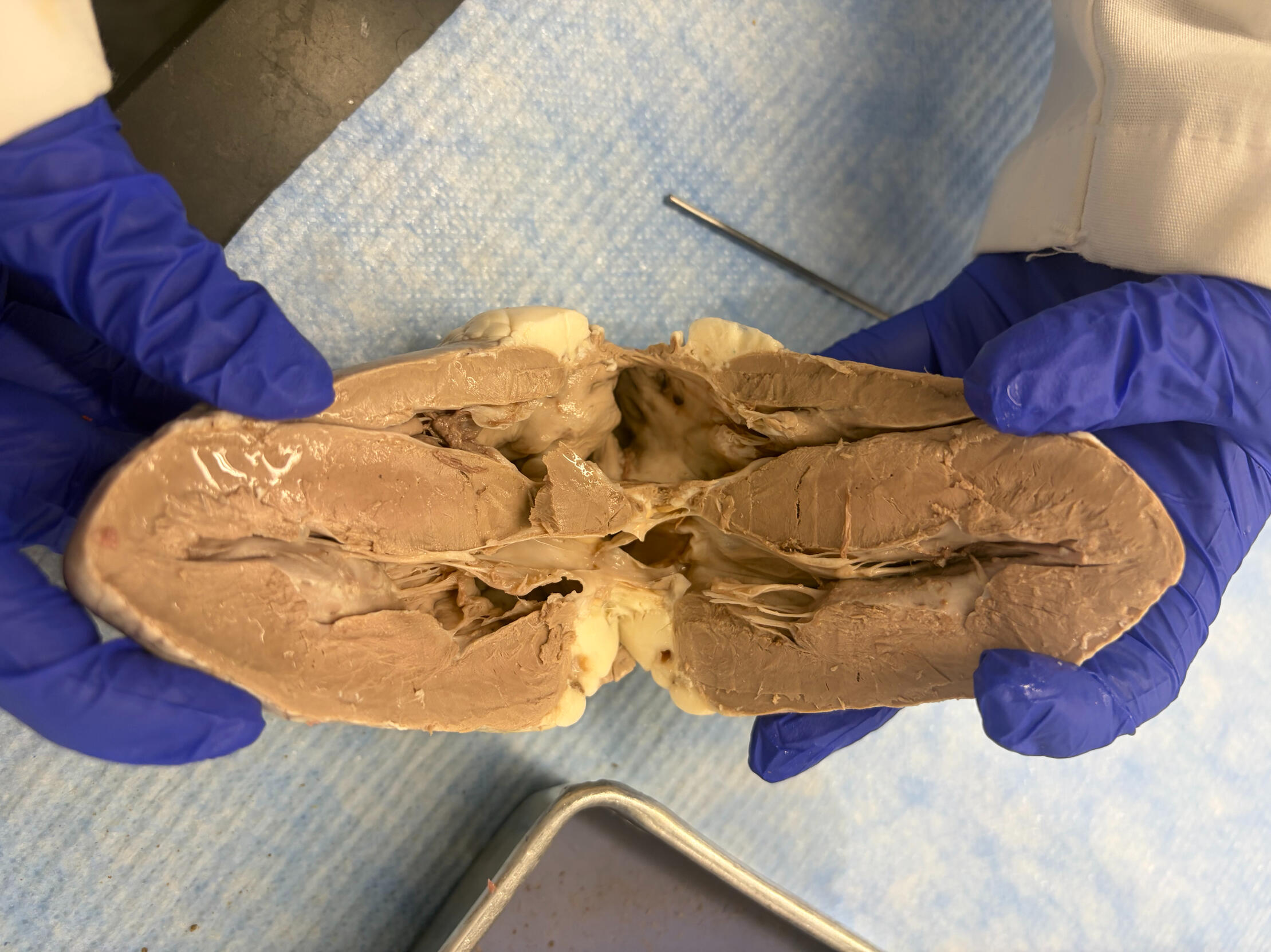
SHEEP HEART
Examined the anatomy of a preserved sheep heart to identify major structures such as the aorta, pulmonary artery, left and right ventricles, atria, septum, vena cava, and heart valves, while studying blood flow pathways and comparing mammalian cardiovascular structure and function.
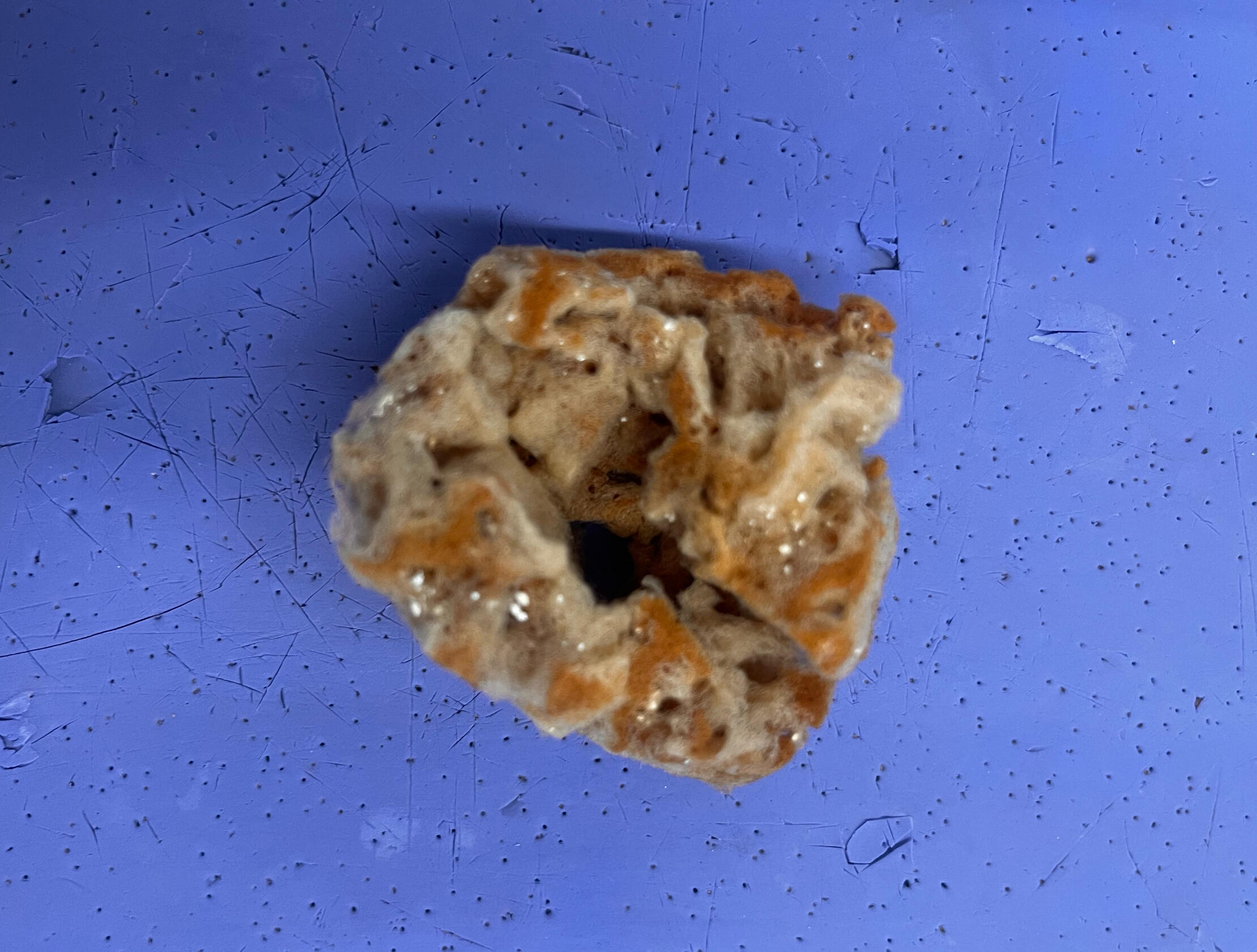
PORIFERA
Examined sponges (phylum Porifera) to study their body structure, symmetry, pores (ostia), water canal systems, and feeding mechanisms, often using preserved specimens and microscopy to observe features such as spicules, oscula, and internal support structures while discussing their role as simple filter-feeding aquatic animals.
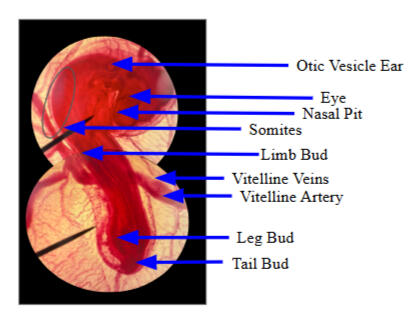
CHICK EMBRYO
Key features observed included the eye, otic vesicle (future ear), nasal pit, somites, limb buds, tail bud, and the vitelline artery and veins that transport nutrients from the yolk sac to the growing embryo. The presence of distinct limb buds and multiple somites indicated active organ and body segmentation development, while the extensive blood vessel network demonstrated the embryo's increasing metabolic demands.
Welcome to My Project's Page!
Many of these projects were only possible because of effective team efforts, supportive mentors and investors.
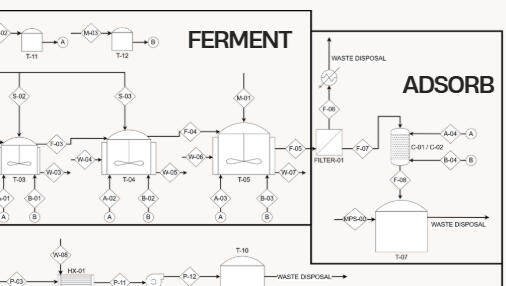
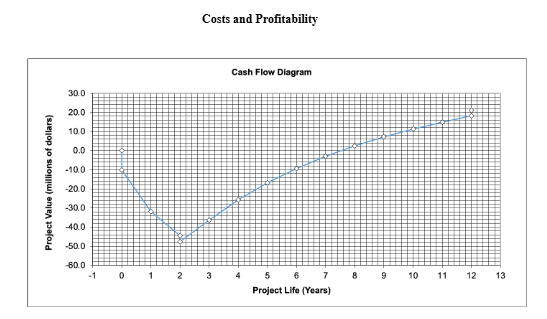
Design of Antibiotic Manufacturing Plant
Novobiocin
Product Development and Business plans for the manufacturing of Novobiocin for current market strategies.
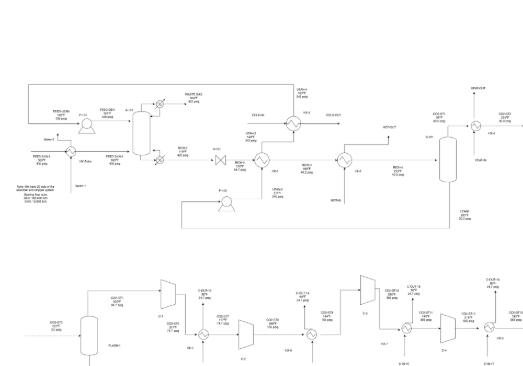
CO₂ Capture System & Recycling with DEA
The objective of this design is to capture and condition carbon dioxide from a syngas stream produced by a gasification unit. The plant basis is 320,000 lb/h of syngas containing 35 wt% CO₂ at 400 psig and 500°F. The capture system is required to remove 95% of the carbon dioxide from the syngas. Chemical absorption using a 45 wt% aqueous diethanolamine (DEA) solvent is employed.
Library Video Game
Worked on Developing a Game on Unity where one could circulate around the library and interact with its main spaces to boost library awareness.
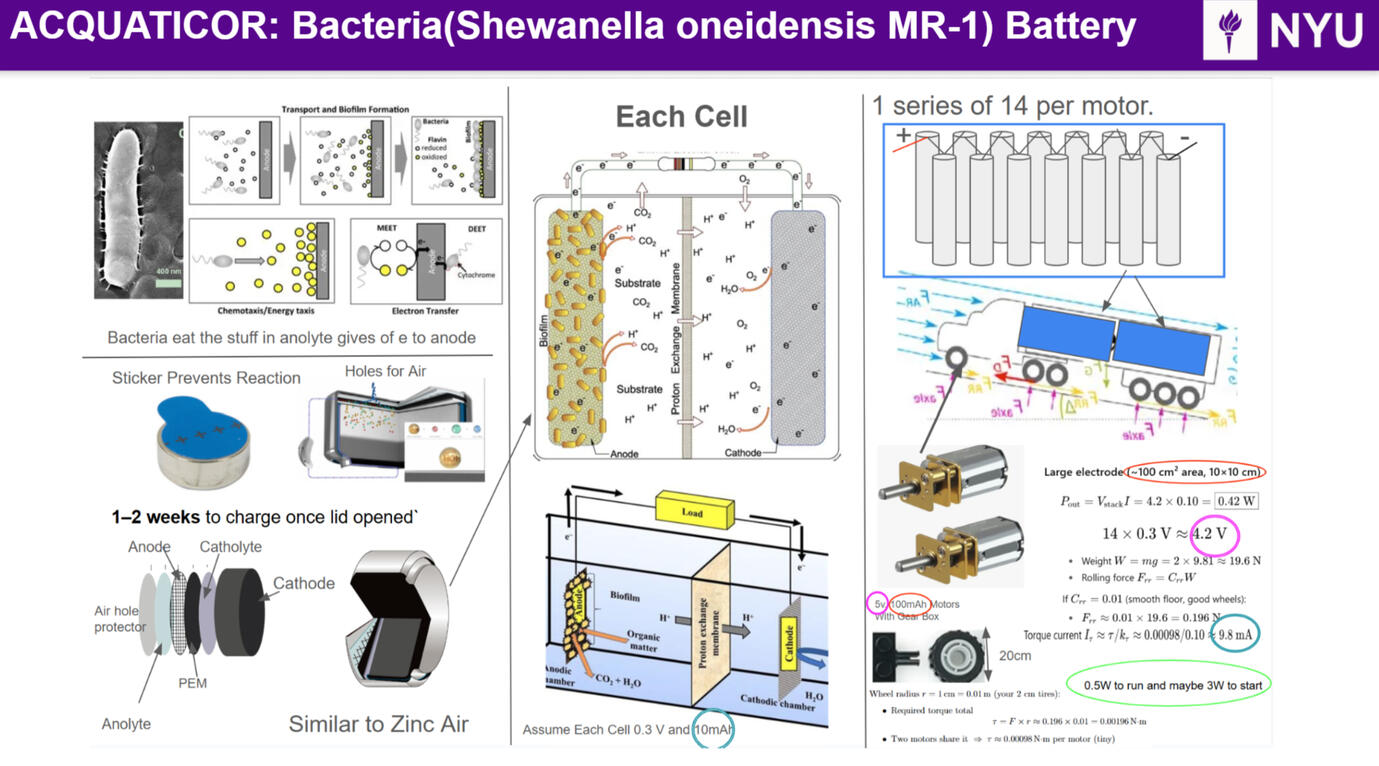
Bacteria Based Battery
Created a Design of a battery powered by Shewanella Oneidensis MR-1.
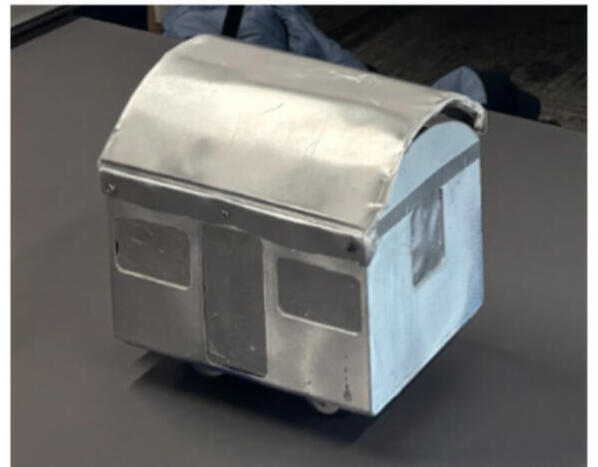
NYU CHEM-E-CAR
MID ATLANTIC AICHE 2025-2026
TEAM LEAD. CURRENTLY WORKING ON THE DESIGN FOR THIS YEAR'S CHEM E CAR
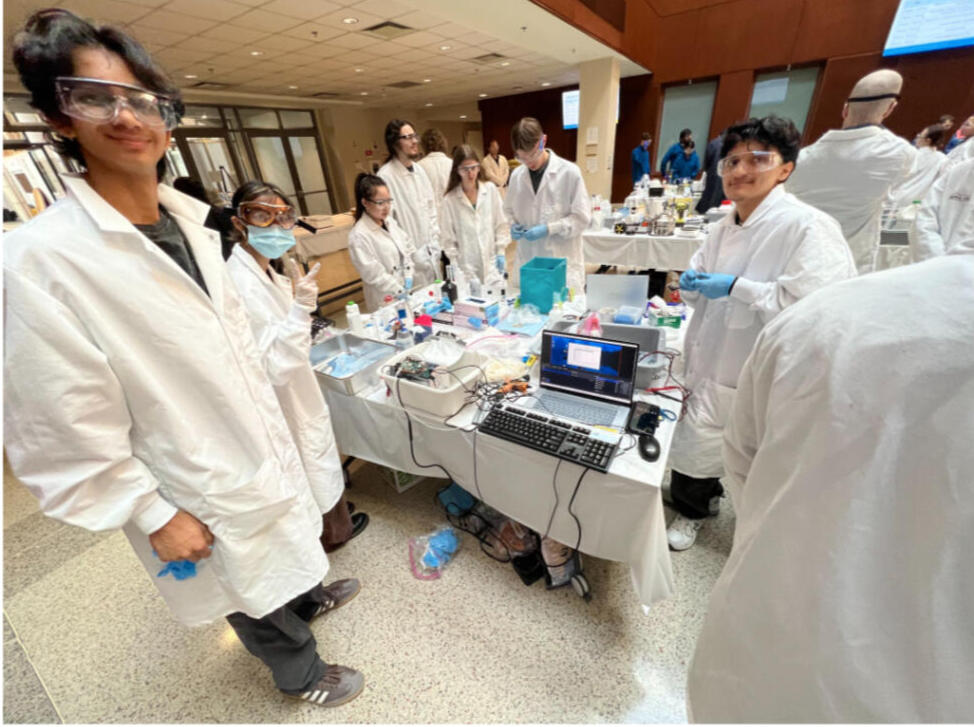
NYU CHEM-E-SPORTS
2025 ANNUAL NATIONAL AICHE CONFERENCE
THE COMPETITION INVOLVED RUNNING DIFFERENT SIMULATIONS OF ISSUES THAT HAVE OCCURED IN CHEMICAL PLANTS IN THE PAST AND FIXING THE ON THE SPOT VIRTUALLY BY CLOSING VALVES, TURNING PUMPS OFF, REGULATION DISTILLATE & MORE.
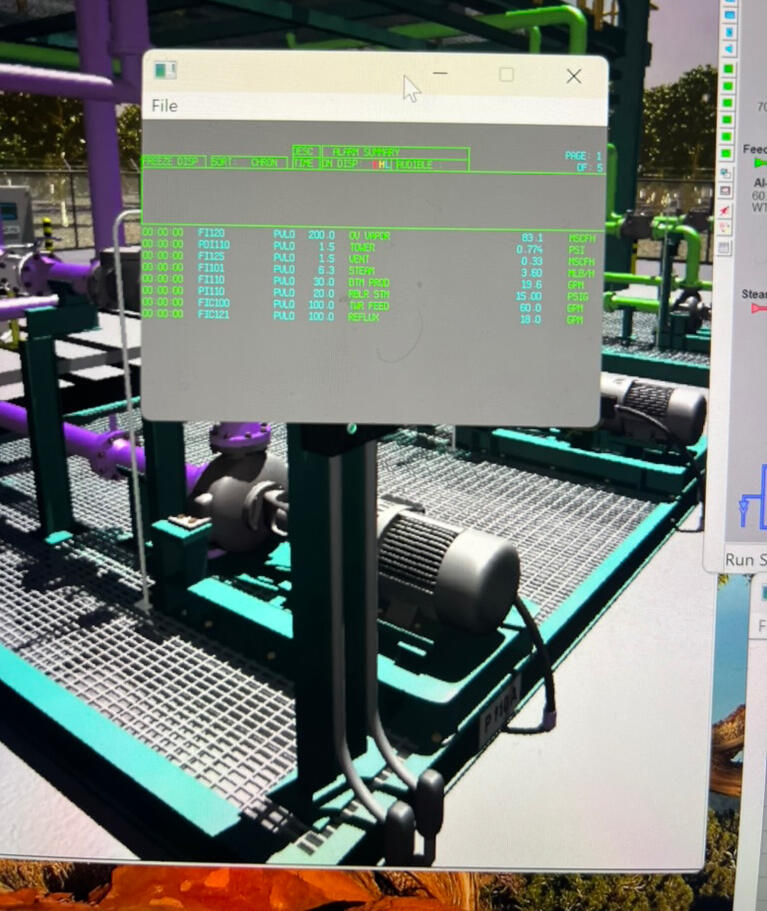
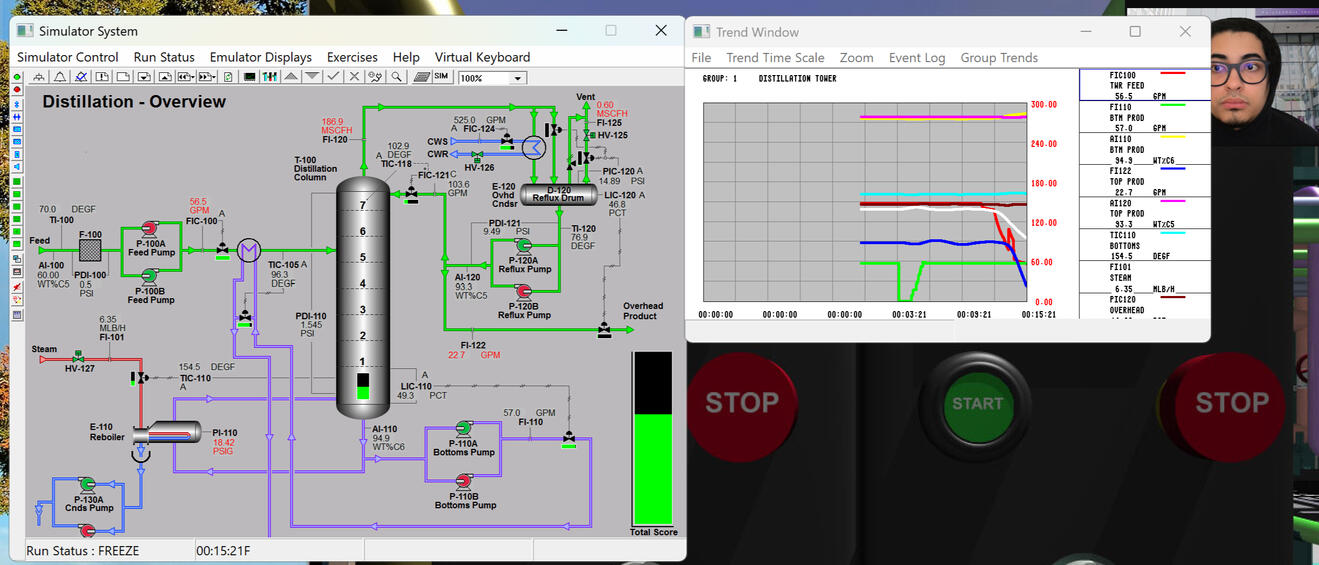
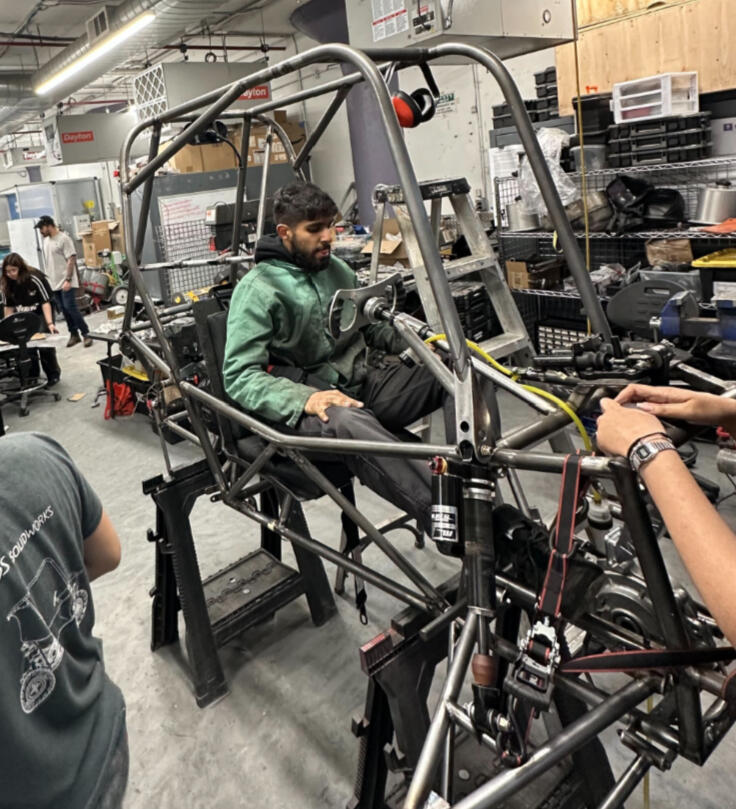
Installed Brake Pedal Switches and safety engine stop switches and other electronics and sensors for data acquisition.
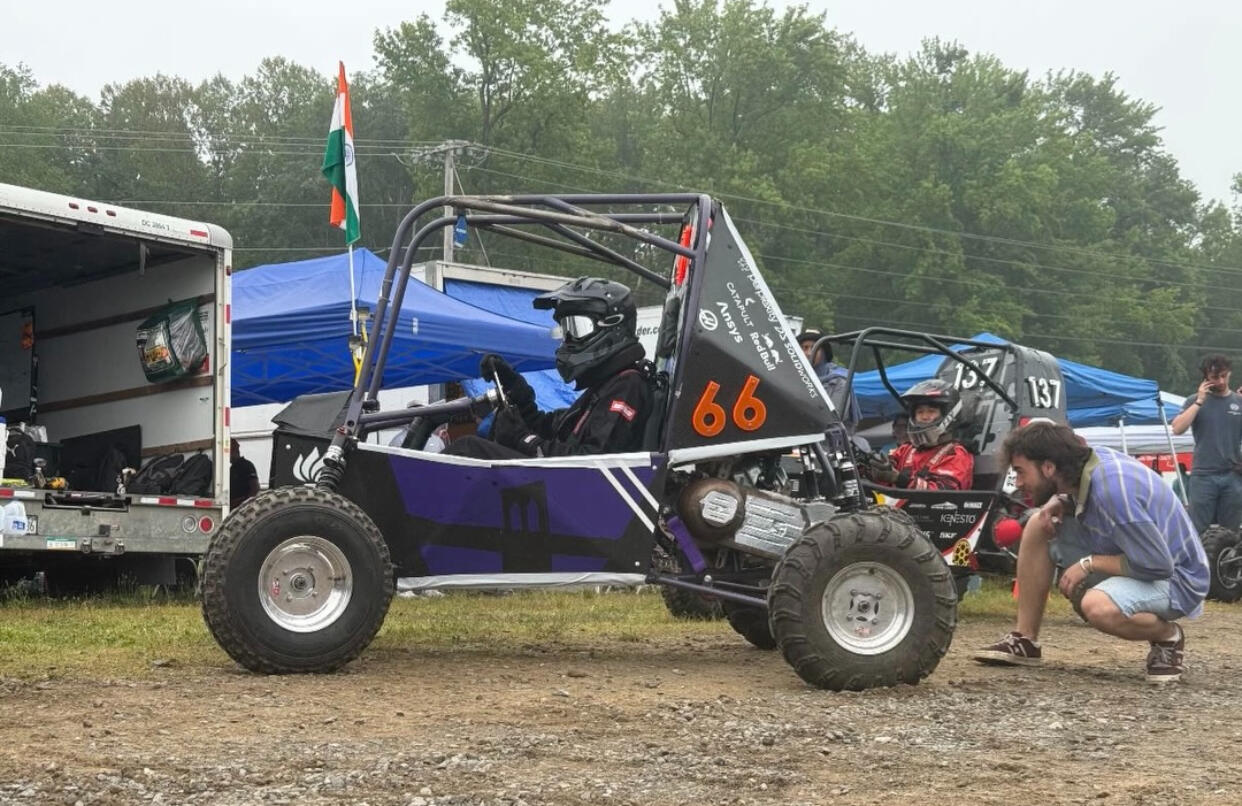
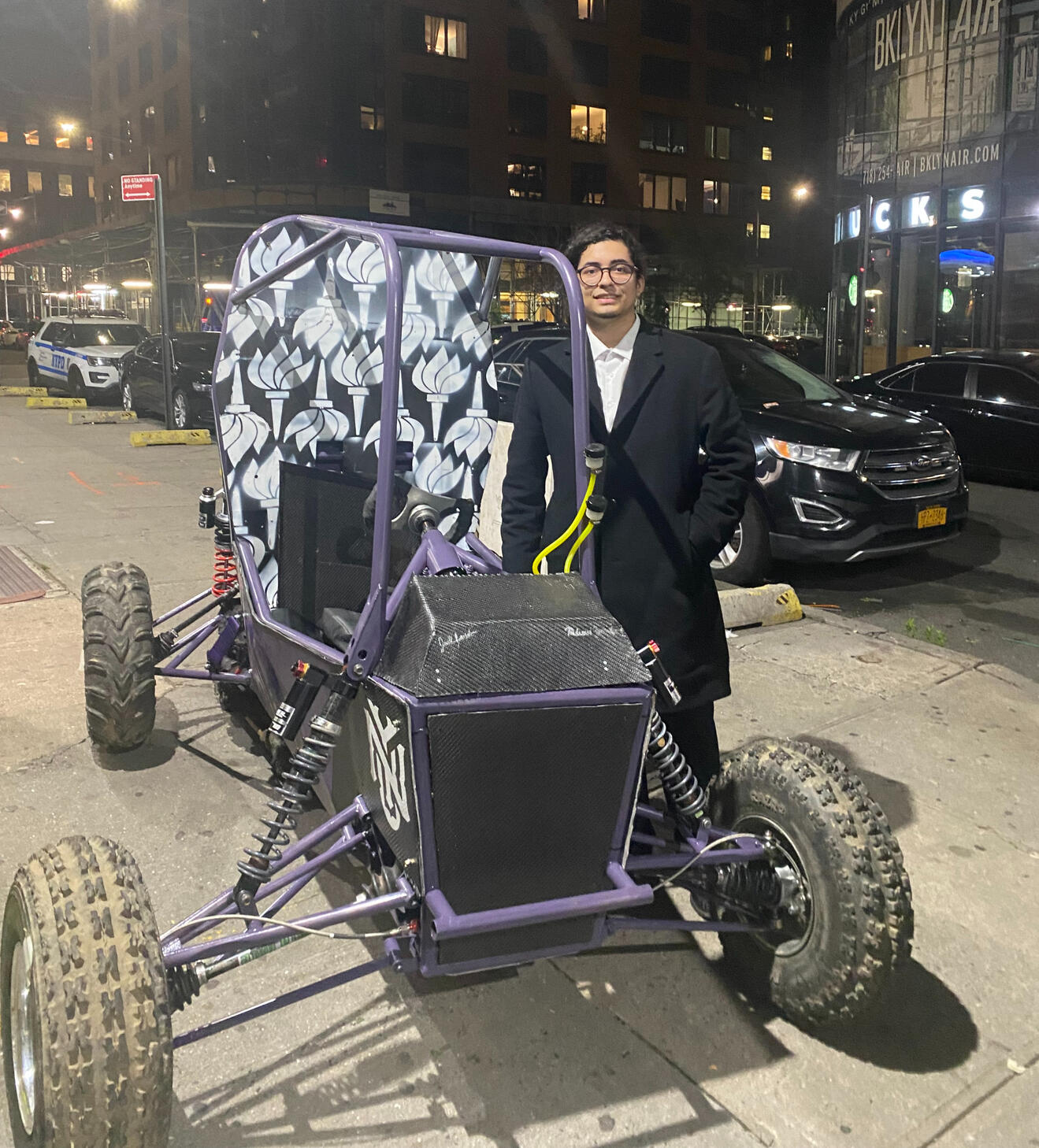
NYU CHEM-E-CAR
2024-2025
CHEM-E-CAR MID-ATLANTIC REGIONALS 2025
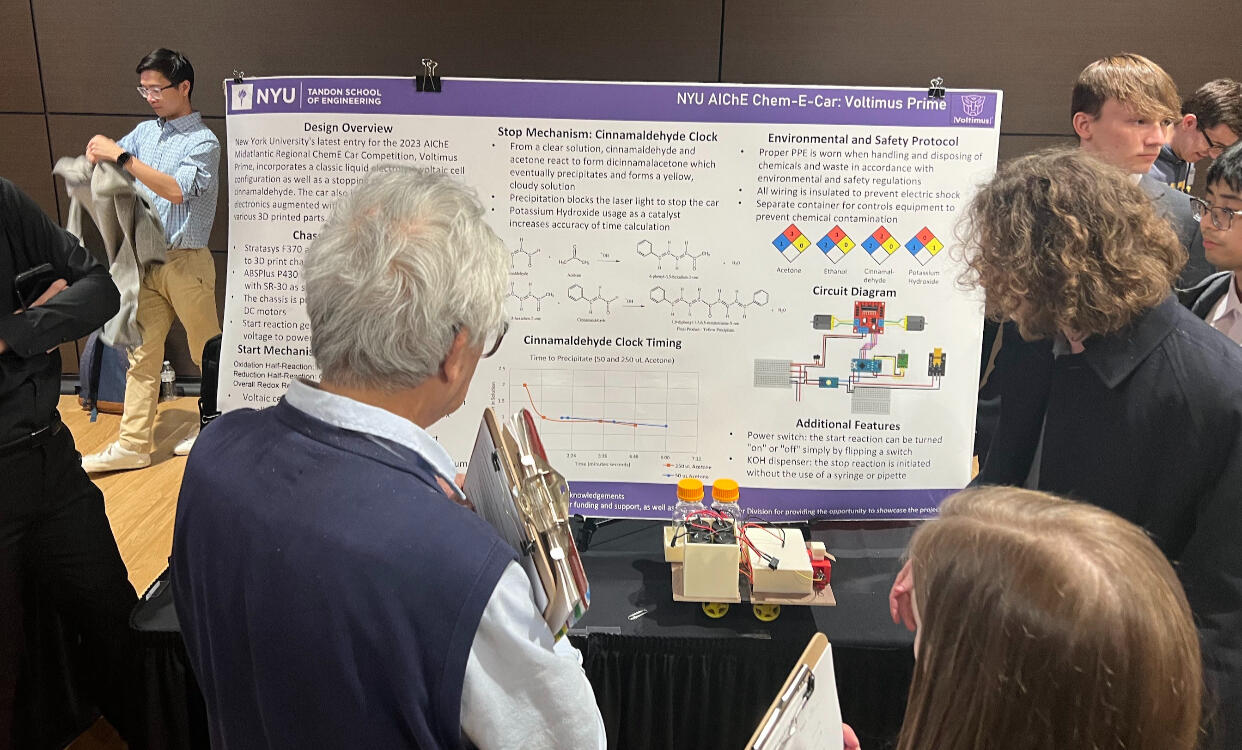
Zinc Ion Battery System with ten Cells. Two motors, 5 cells per motor. Stopping Mechanism was based on a change in oppacity detected by a spectrometer
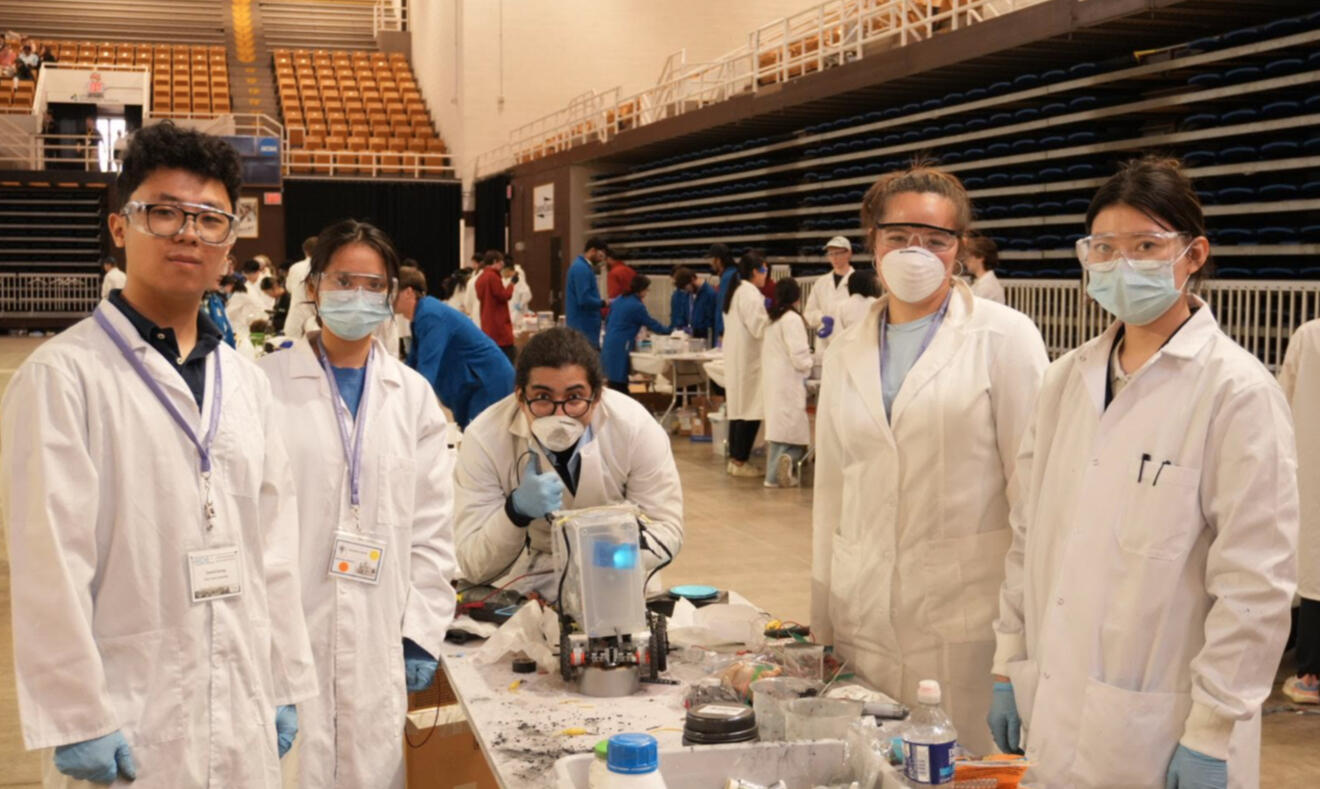
We participated in the Virtual Qualifying Pitch. Where only twenty teams were selected to move forward to the National Competition.
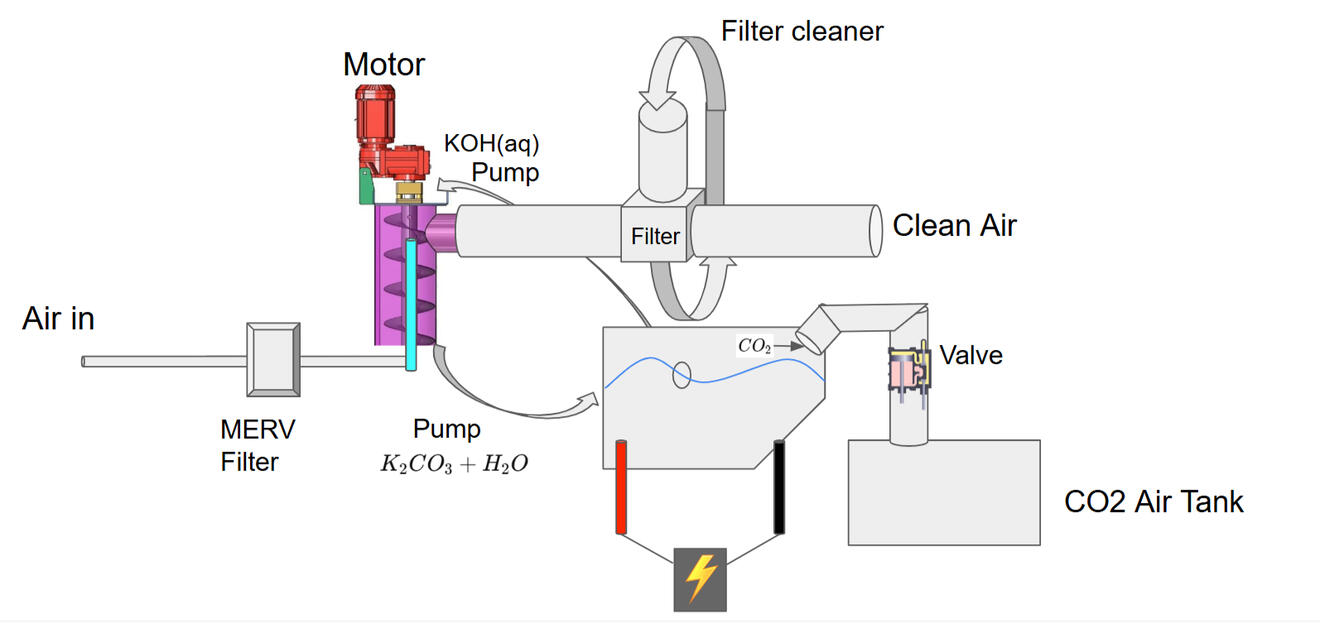
We planned to use KOH regeneration via Electrolysis to capture CO2 from the Air for our Chem E Cube. Given that we didn't make it pass the twenty teams we don't have any plans to build the cube this year. Maybe try again in next year.
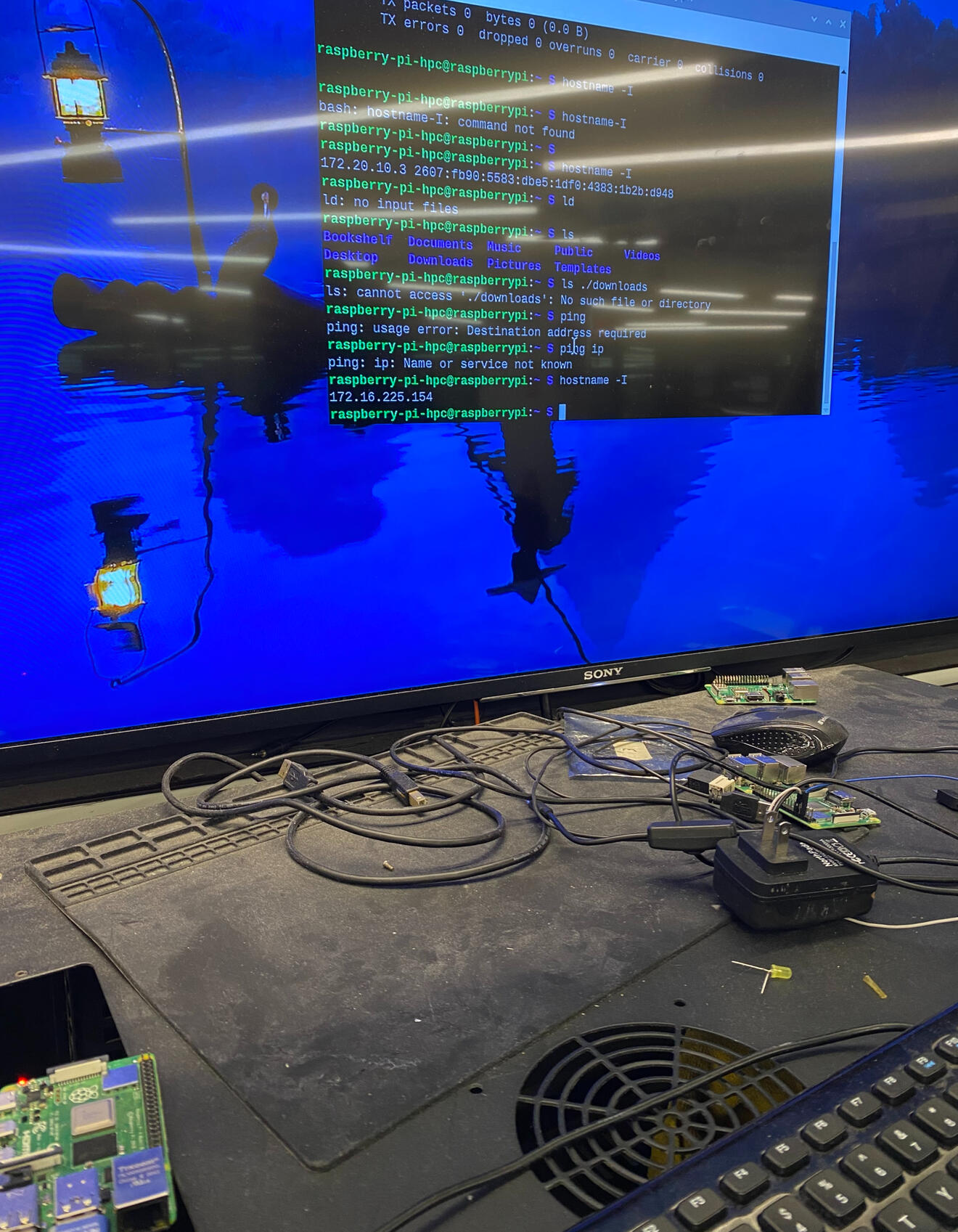
HPC - High Process Computing
SCC - Student Cluster Competitions
2023 SCC
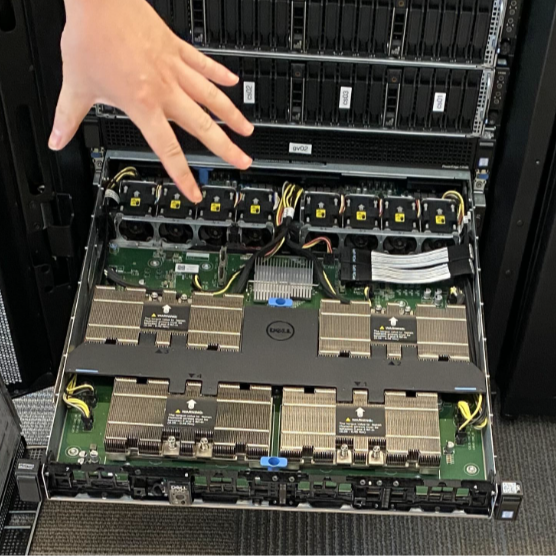
Designing Cluster for optimal efficiency and costs.
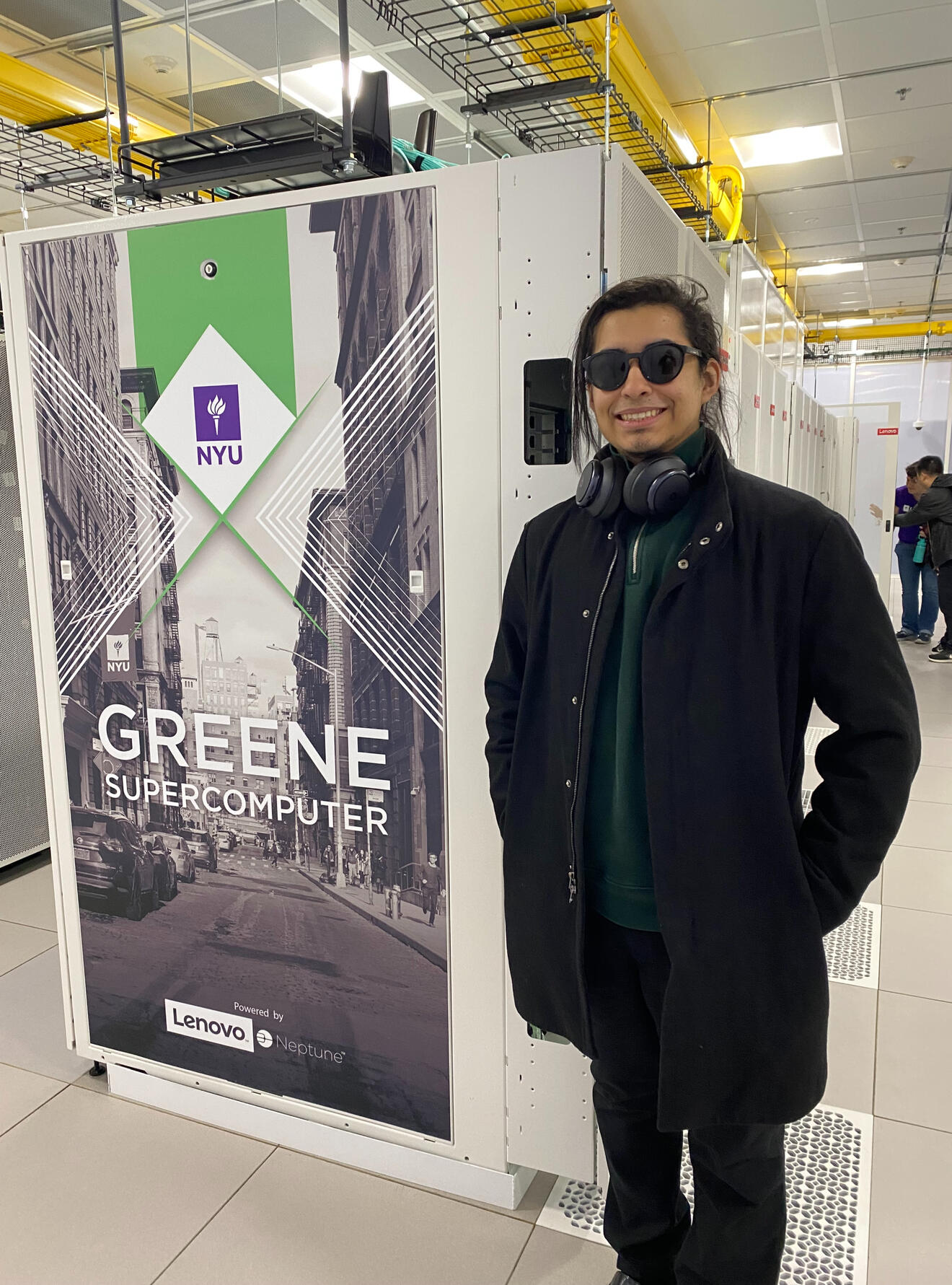
Test Cluster using built software. Measure Flop rate and conduct research.
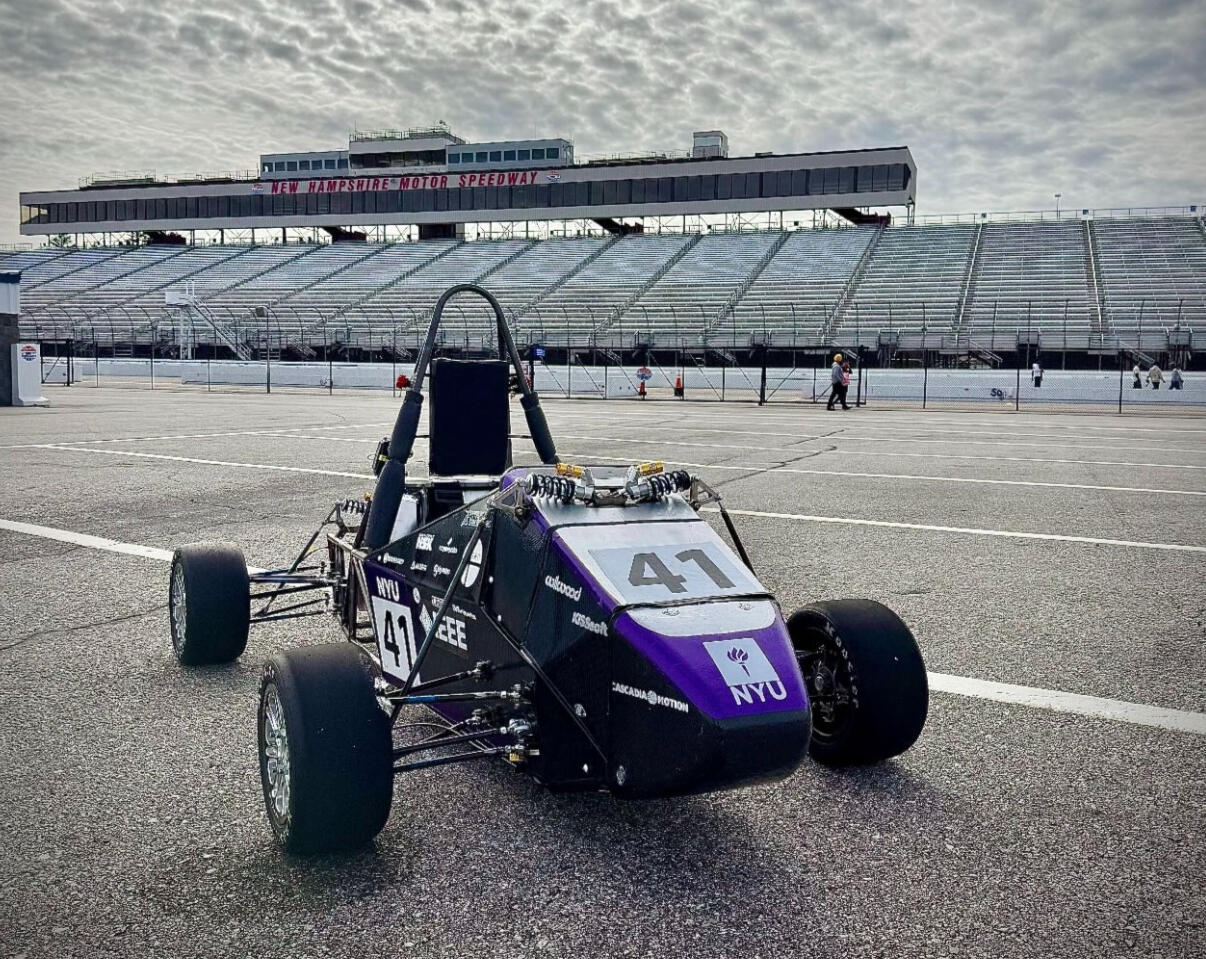
Assisted on NYU's FSAE team launch.
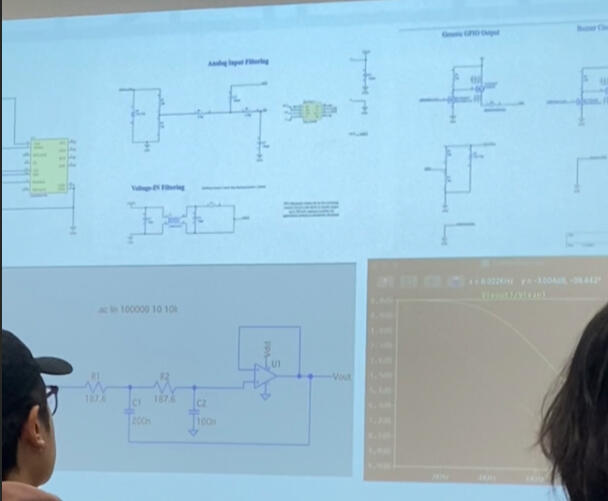
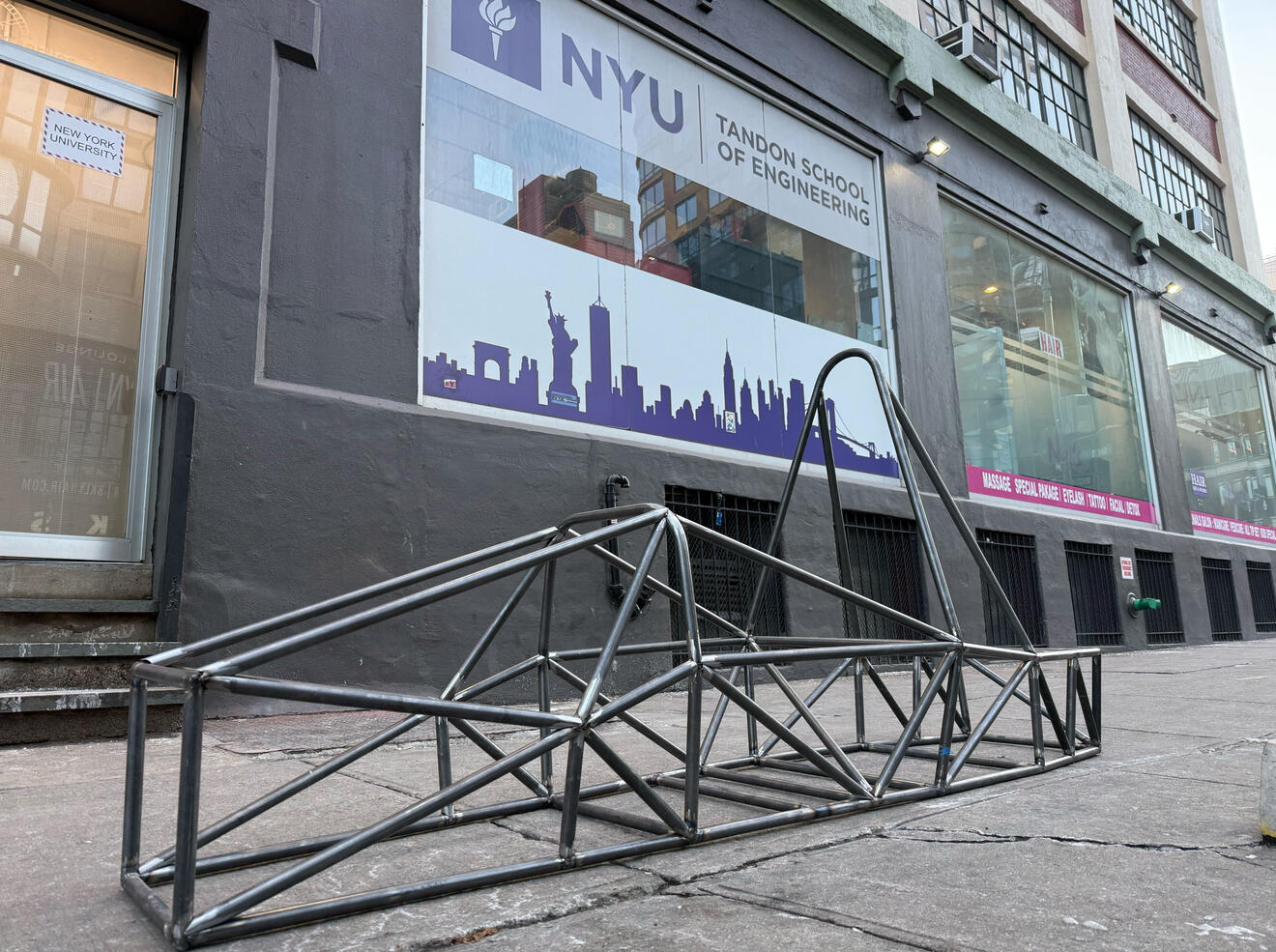
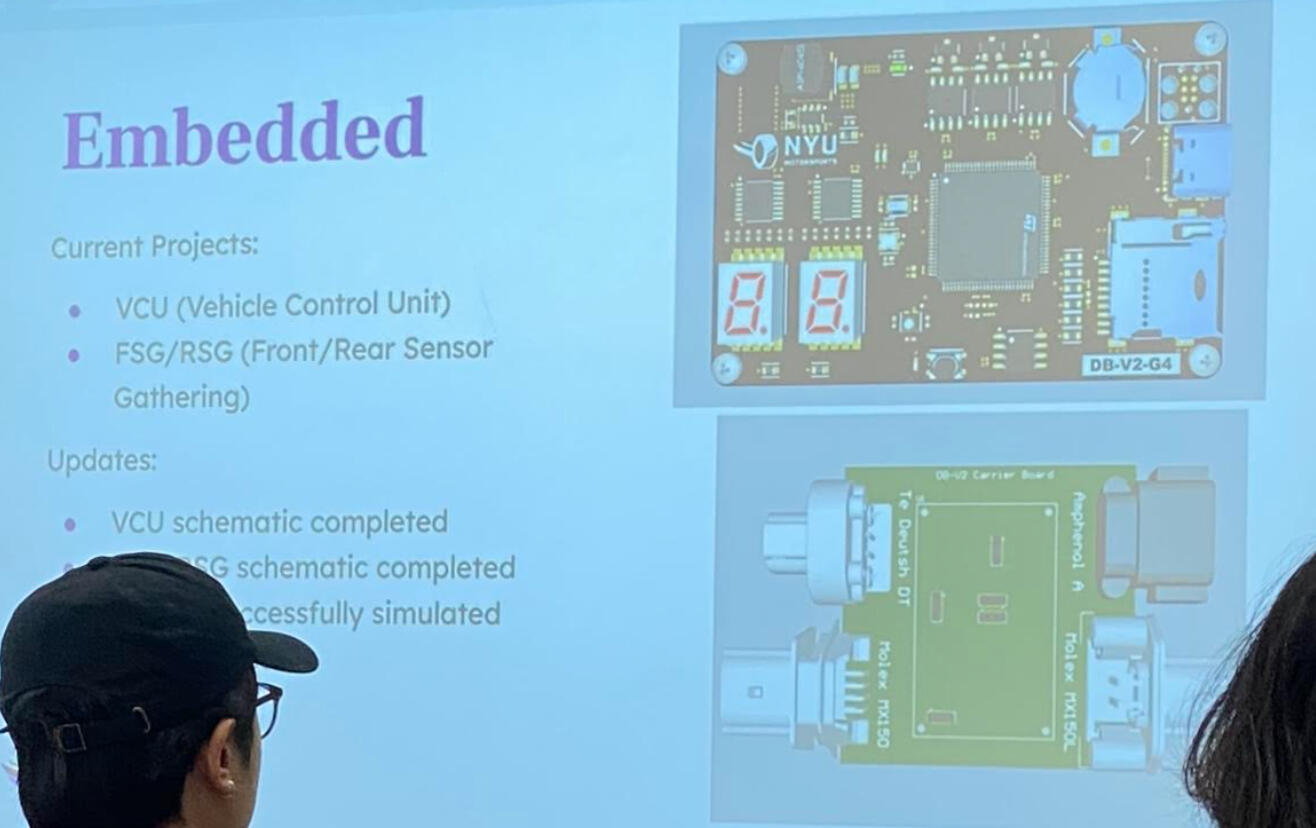
Worked on circuit diagrams, soldering and coding. Assisted in the development of a data acquisition and reverse engineering other cars.
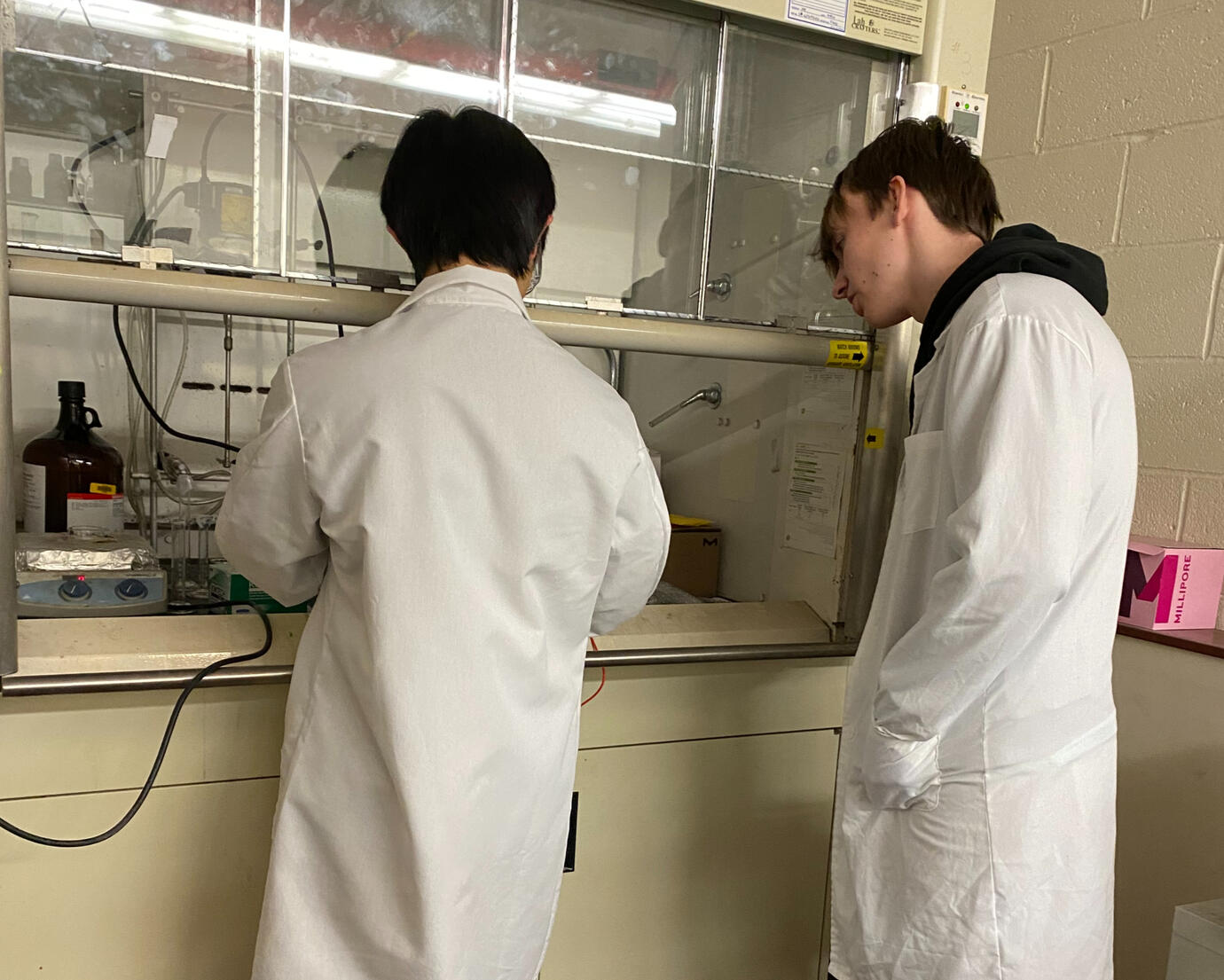
The goal is to create a chemical reaction capable of producing movement in a small vehicle and one to stop the movement. Member of the controls subteam. Currently designing the vehicle.
Inspired by transformers.
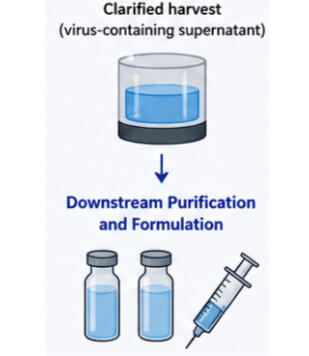
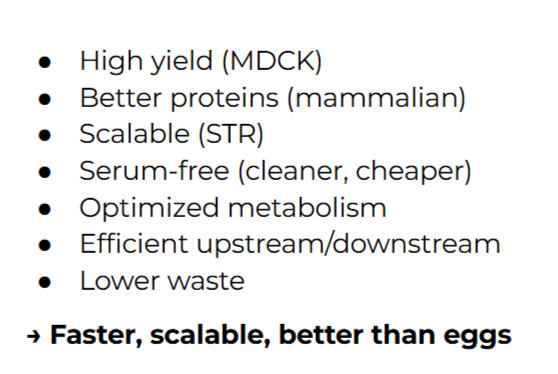
Cell-Based Flu Vaccine
Designed a bioprocess that replaces traditional egg-based flu vaccine production with mammalian cell culture production, specifically using MDCK (Madin-Darby Canine Kidney) cells.
ROTC
Electrical Data Asssistance 2023
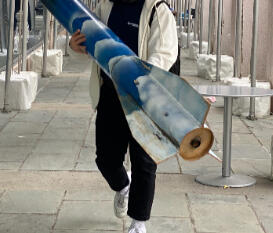
I wasn't a member of the ROTC team, however, when they needed some assistance around the garage, I was always ready to help out, especially when analyzing data or sanding some components.
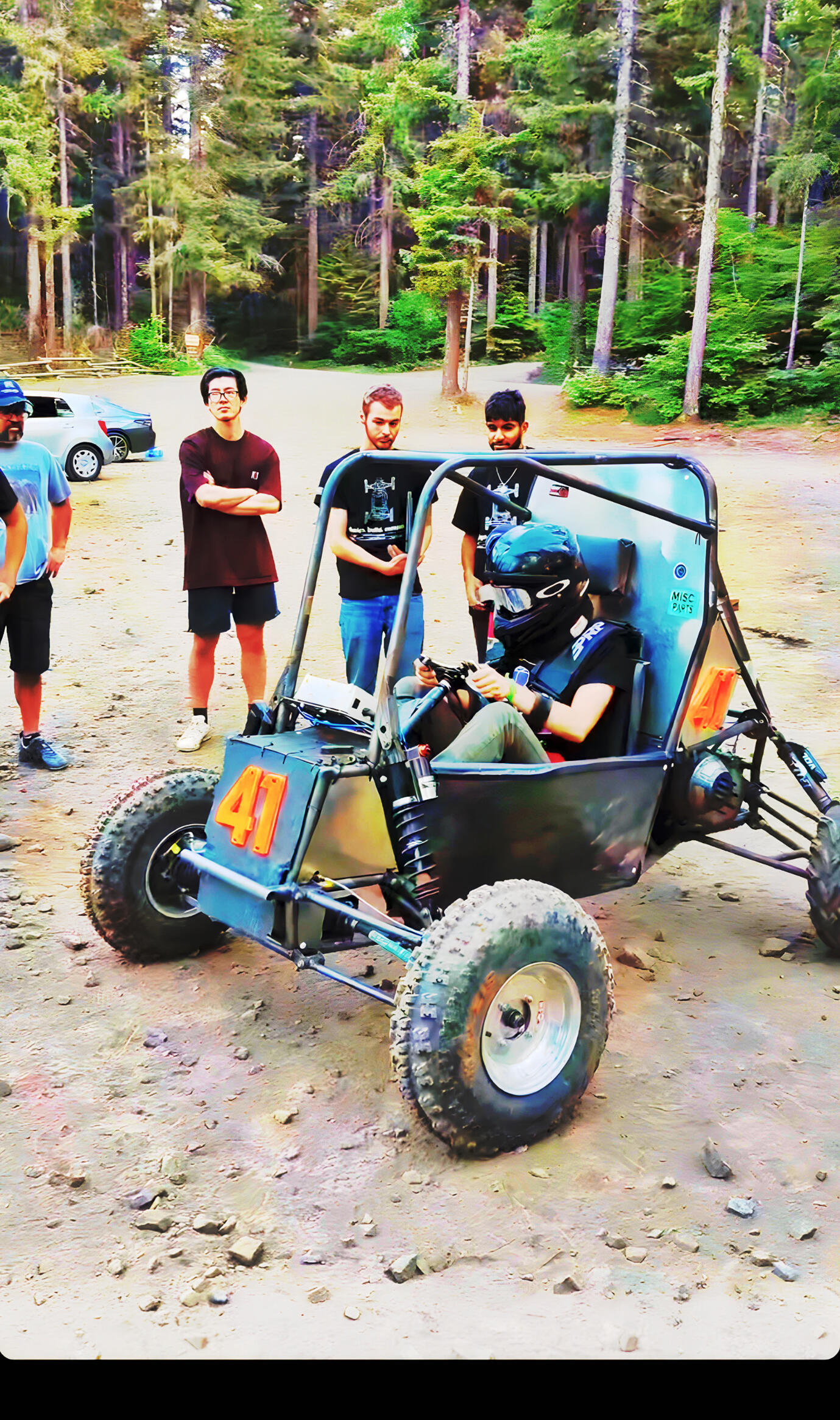
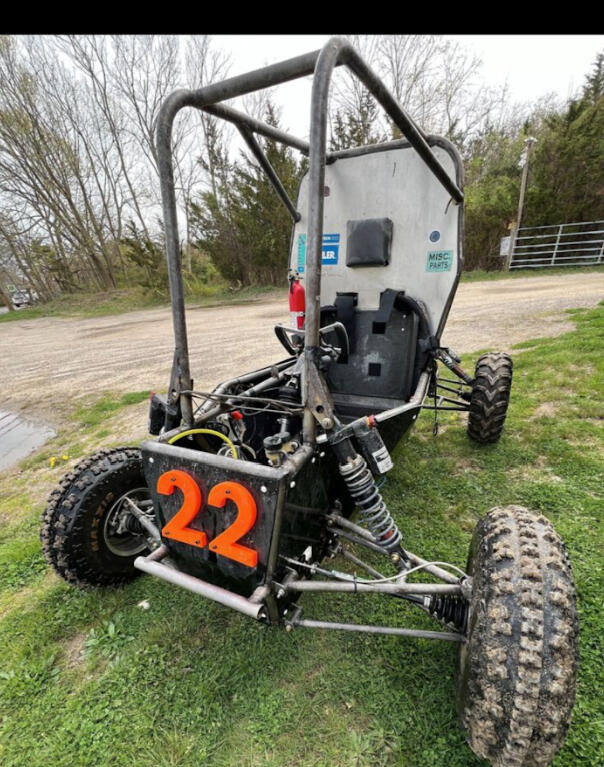
BAJA SAE Motor Sports electrician at NYU Tandon. Assisted in building a rough terrain vehicle for the 2022-2023 SAE competition.
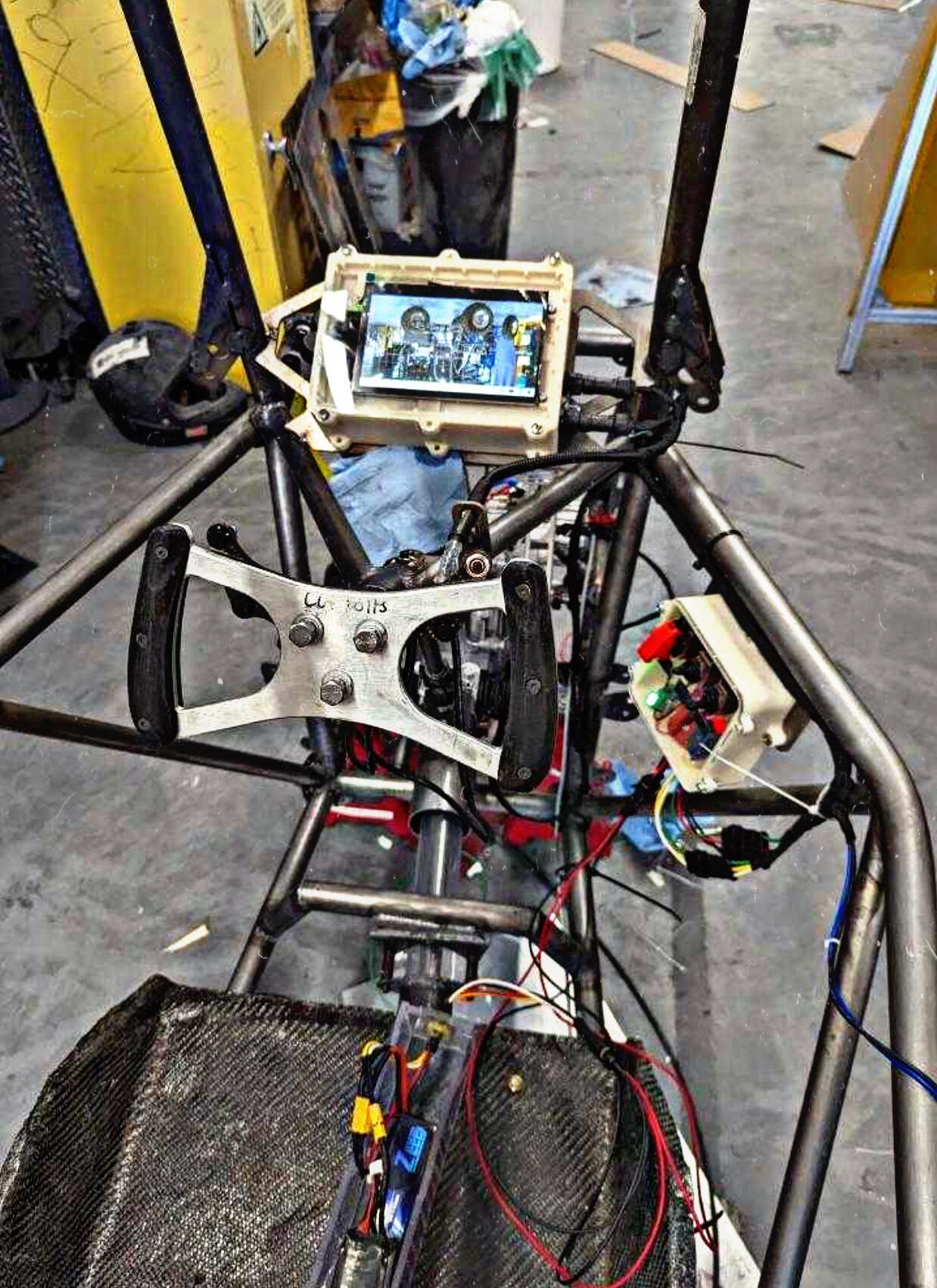
Worked on circuit diagrams, soldering and coding. Assisted in the development of a data acquisition system through live telemetry.
Steel Bridge VIP
Steel Bridge Assistance 2023
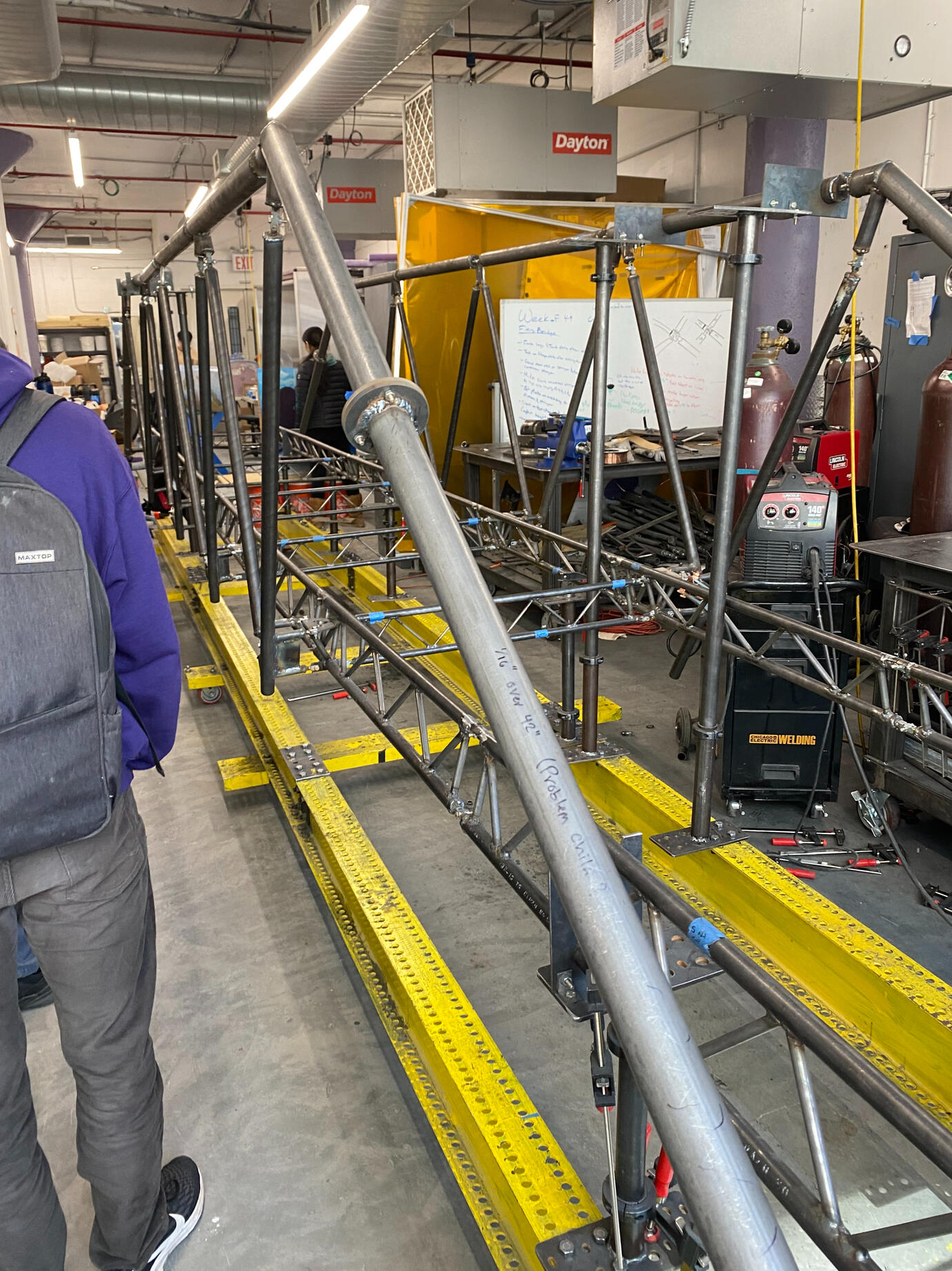
Briefly assisted steel bridge team finalize their welds as they drew near their competition date.
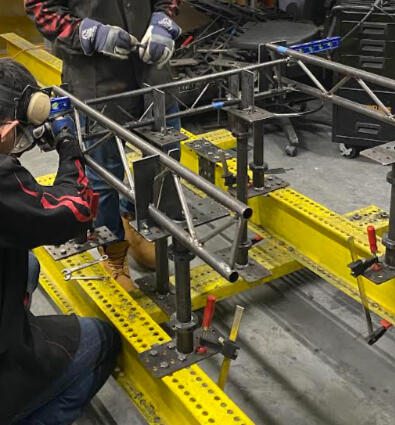
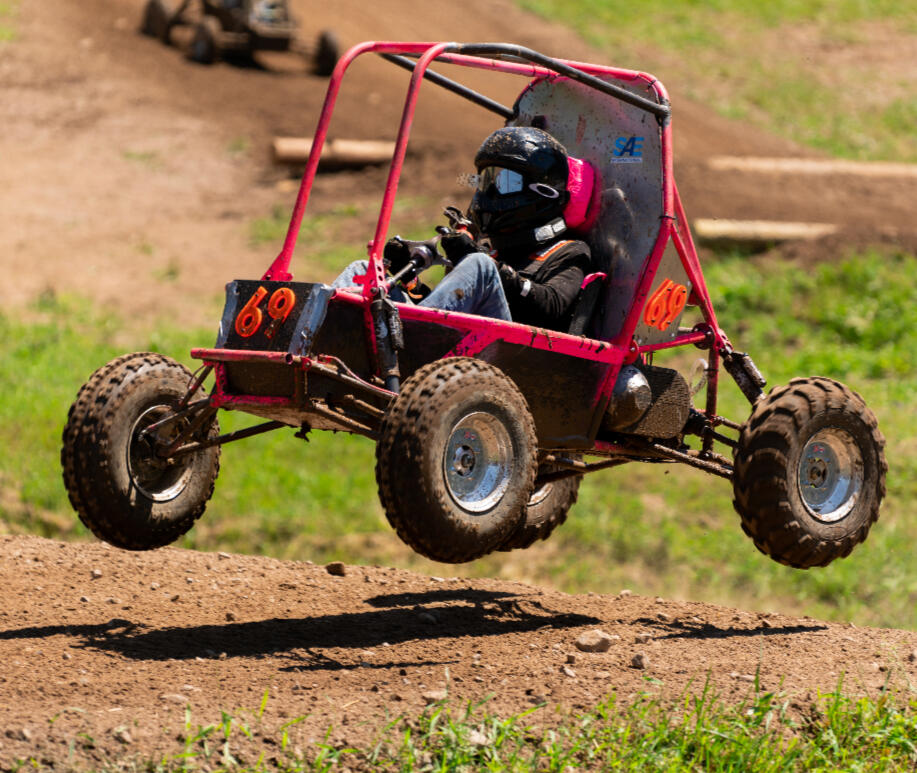
BAJA SAE Motor Sports electrician at NYU Tandon. Assisted in building a rough terrain vehicle for the 2021-2022 SAE competition.
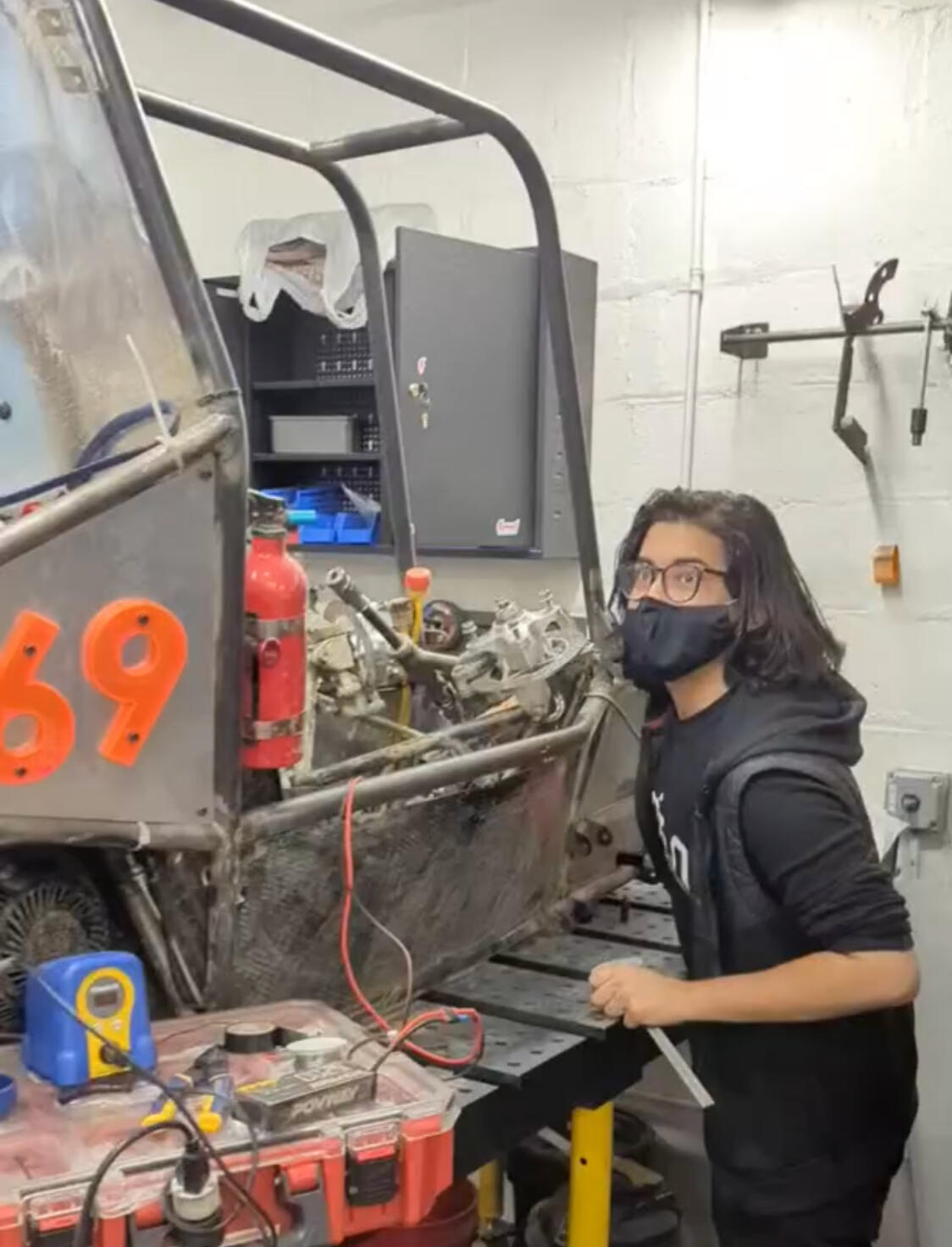
Worked on circuit diagrams, soldering and coding. Assisted in the development of a data acquisition system through live telemetry.
TECHNICIAN
2017-2021
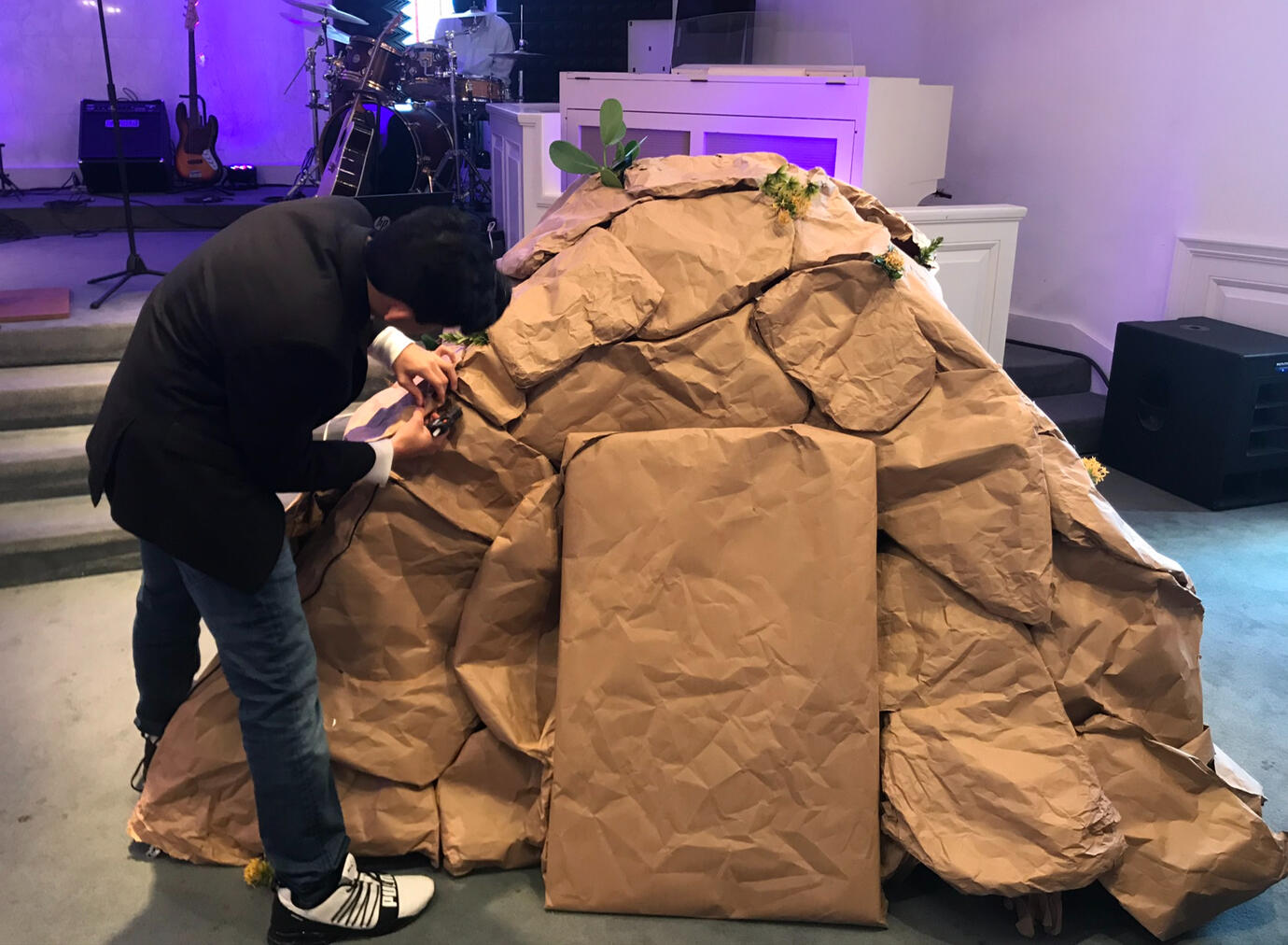
I worked as a technician at CEM. I would build sets for plays, as well as tune instrumental equipment, take care of lighting, video streaming, and fix computer related issues.
TEAM INERTIA
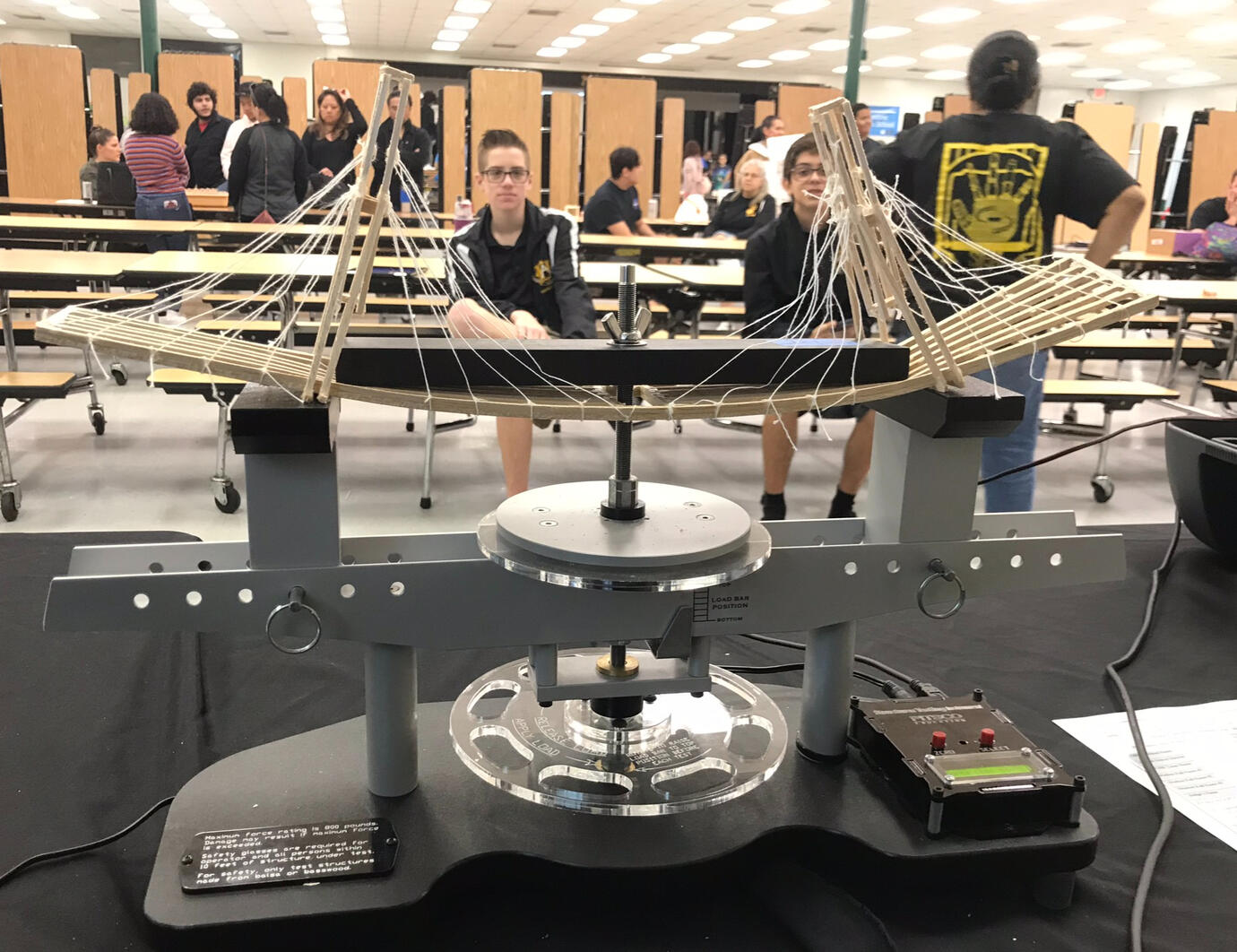
AASHTO 11th-12th High School Bridge Competition
2020-2021
SUSPENSION BRIDGE
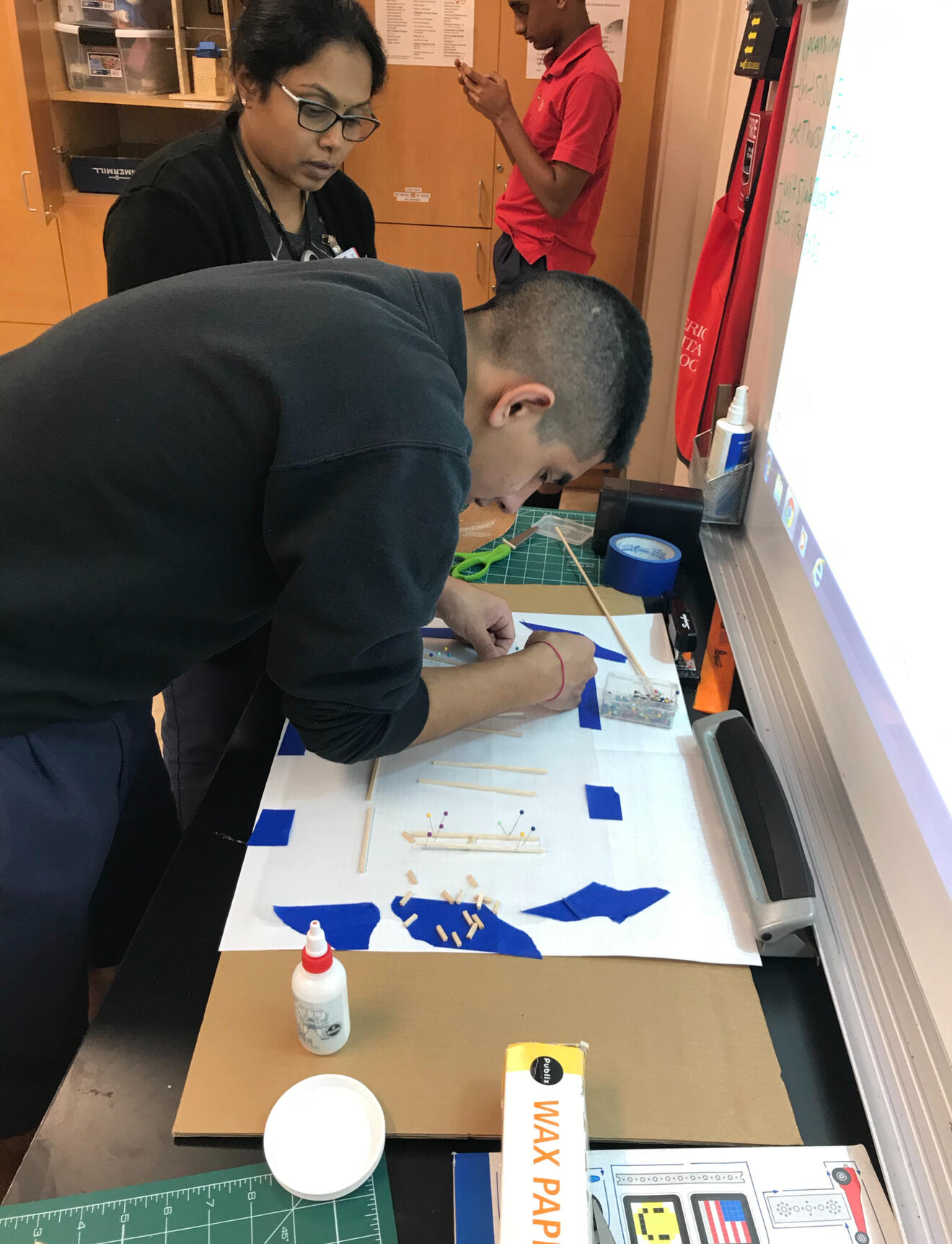
Balsa wood bridge made under competition guidelines. The bridge team won the county competition and qualified for national.
TEAM INERTIA
SECME BROWARD COMPETITION
2020-2021
HURRICANE HOUSE
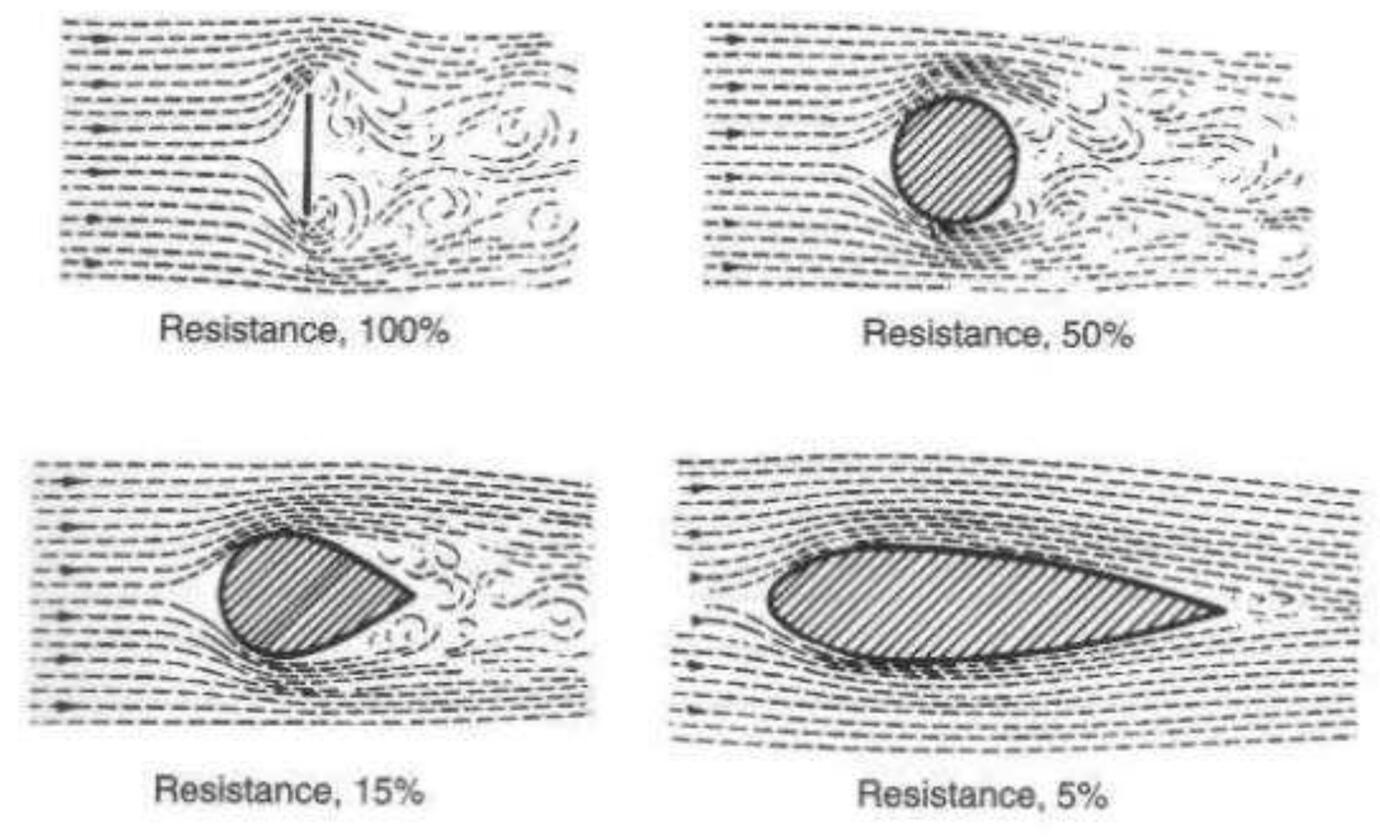
Designed a hurricane-proof home with a team. Made a 3D model of the home and explained all its features. The team chose a round design due to being more less wind resistant from all sides. The house included an underground water vaporization system. The water would fall in from floods and be evaporated by a pressure system.
NINJINEERS
INFINITE RECHARGE
FRC TEAM 2383
2020-2021
"We went to compete at the FRC Orlando Regional but unfortunately the competition was canceled due to the outbreak of the COVID-19 Pandemic. Therefore, Phantom never got the chance to compete in a competition."
PHANTOM
NINJINEERS
FIRST INNOVATION CHALLENGE
FRC TEAM 2383
2020-2021
PLAYGROUND FOR THE BLIND
Design something for your community.
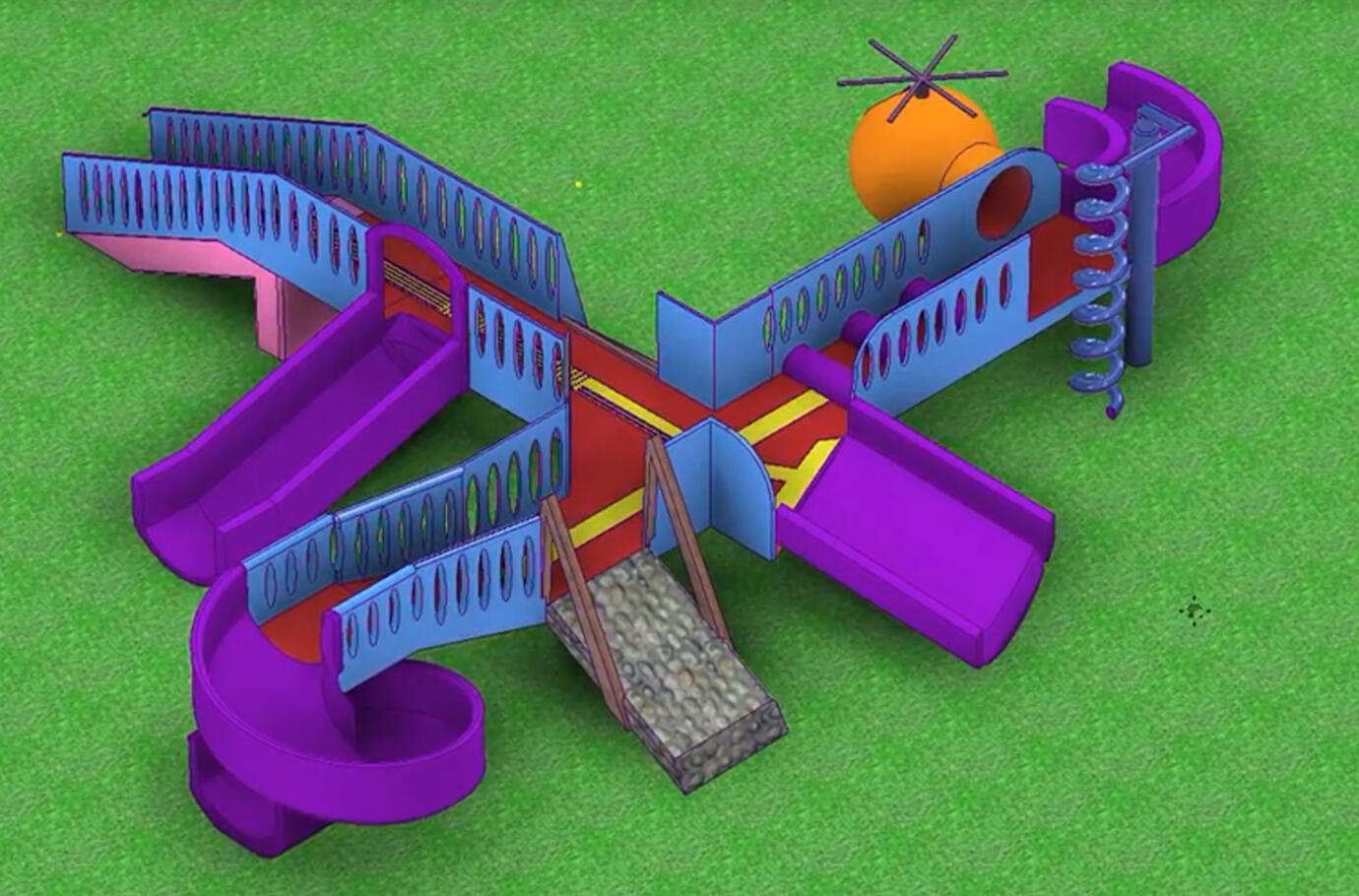
The playground included Tenji blocks and handle bars.
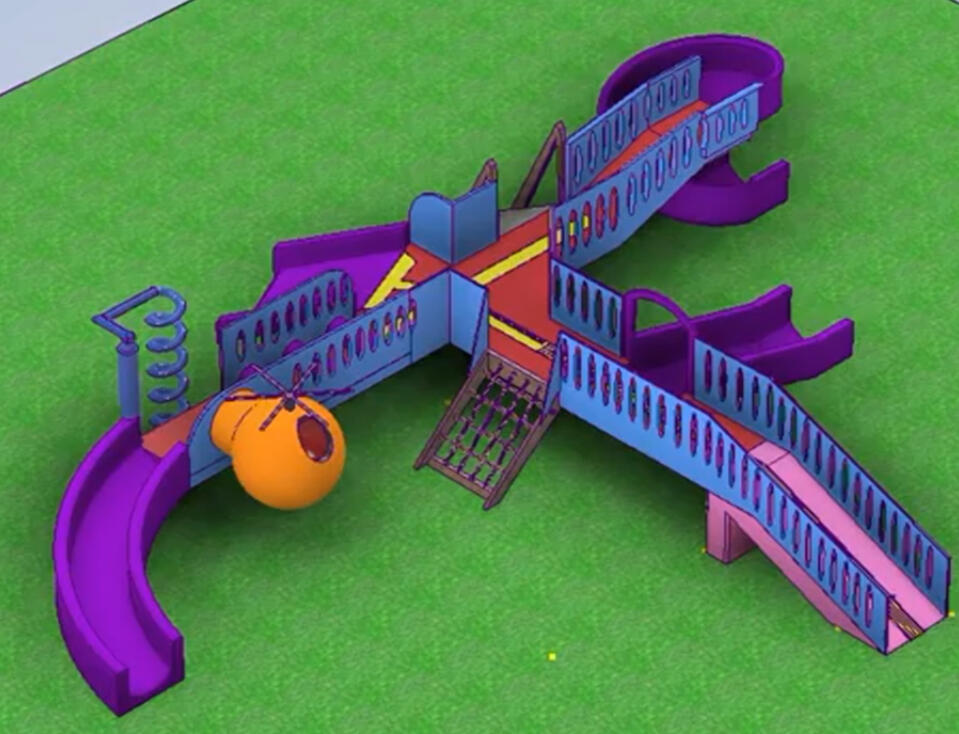
Made on Invertor Autodesk.
RISING NINJAS
FTC TEAM 16391
2020-2021
STEEL SAMURAI
Mentored high school freshmen in designing and building FTC competition robots.
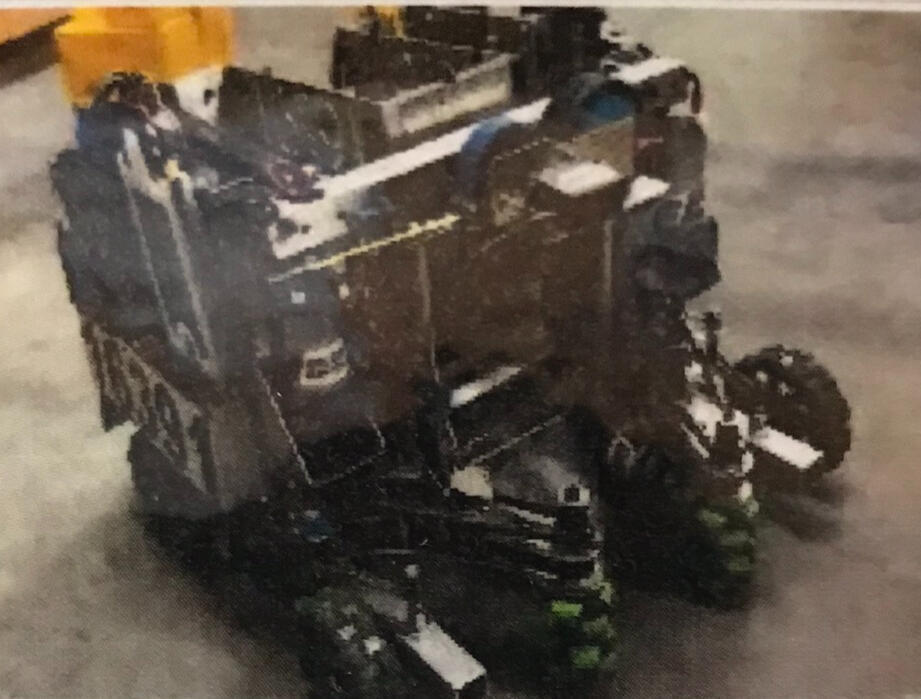
NINJINEERS
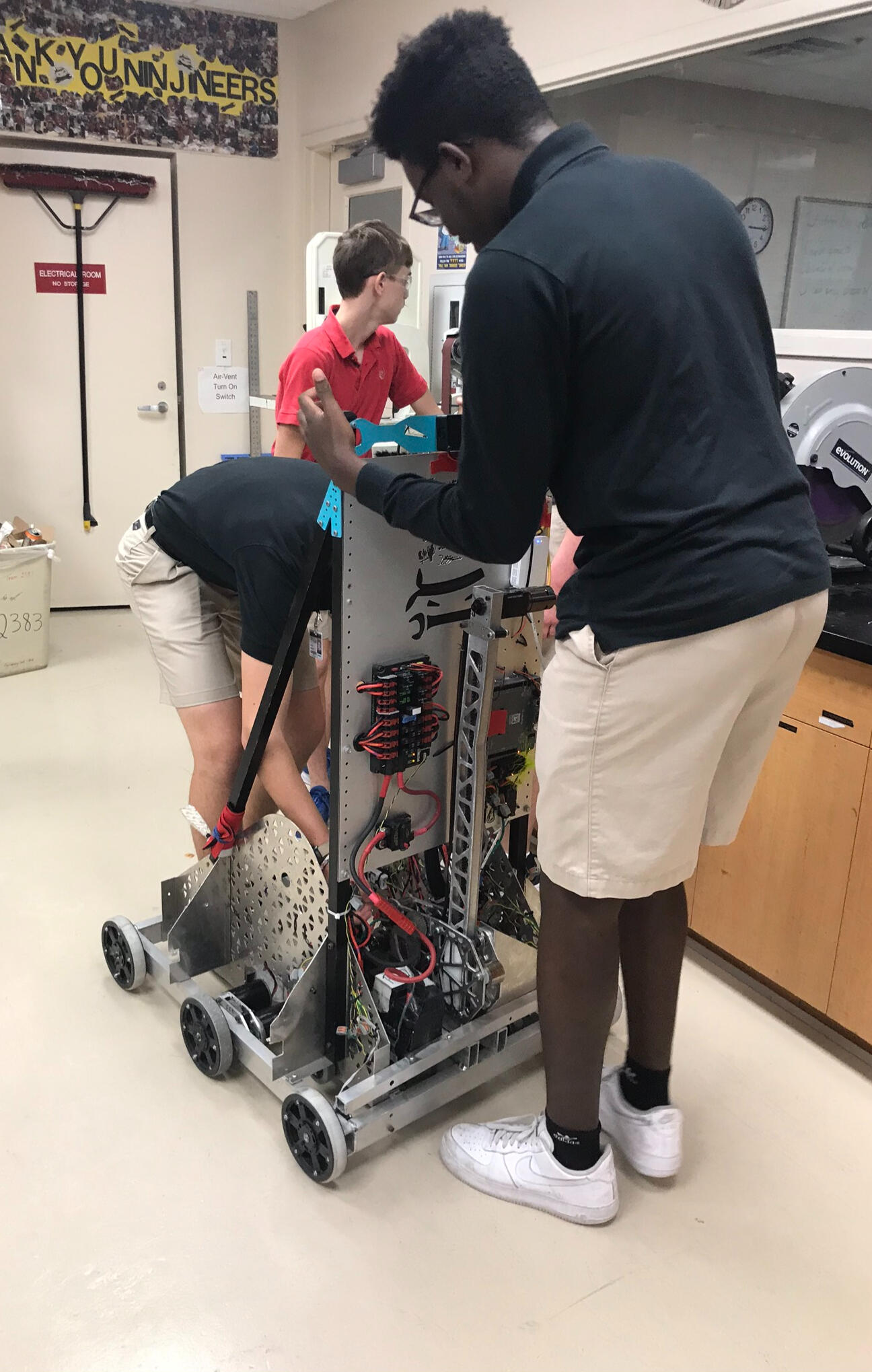
DESTINATION: DEEP SPACE
FRC TEAM 2383
2019-2020
In-house competition. Assisted in Design process and testing.
SUBZERO
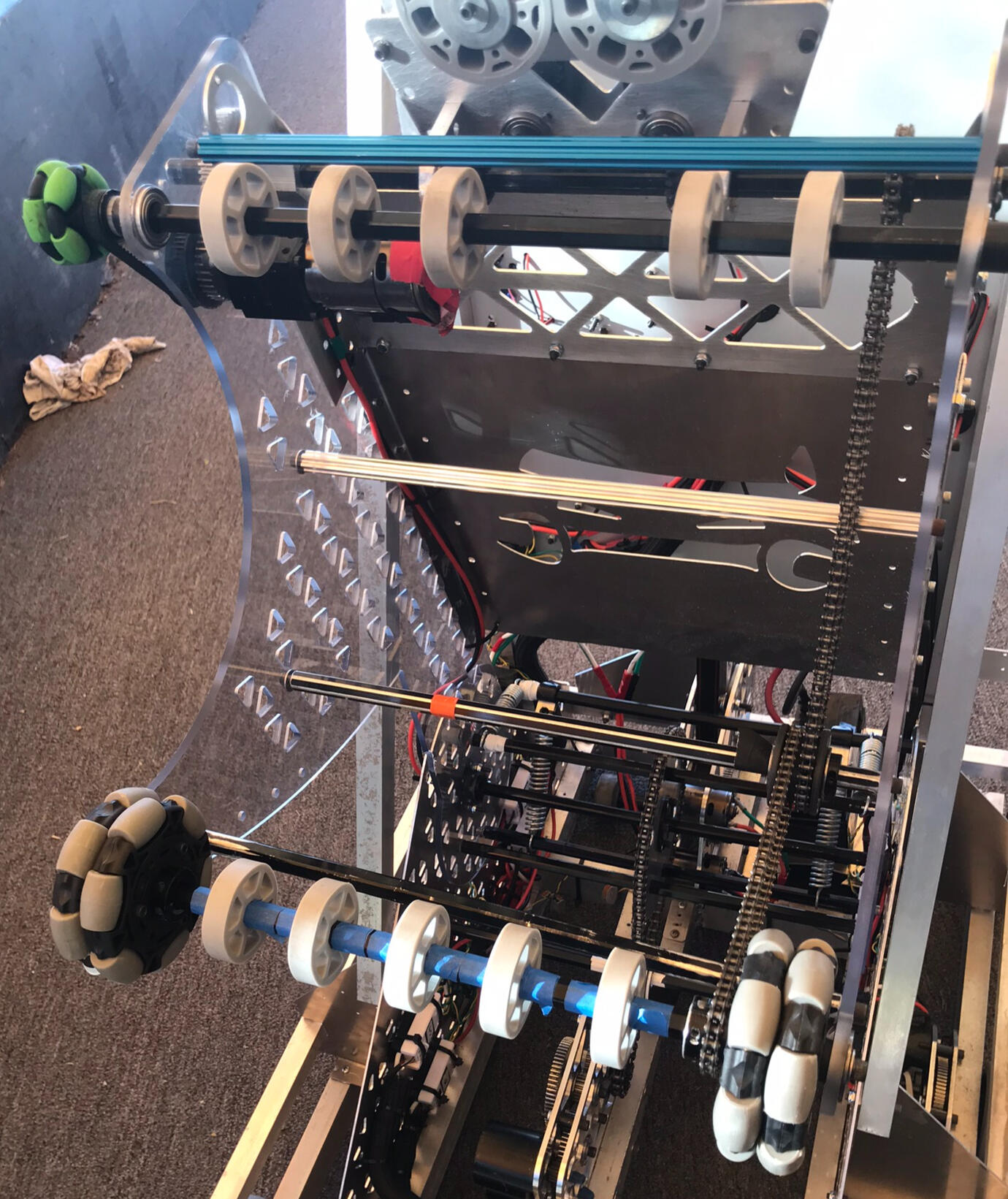
Parts CNC in-house
Competition Awards rank among Scorpion's awards. Both robots competed.
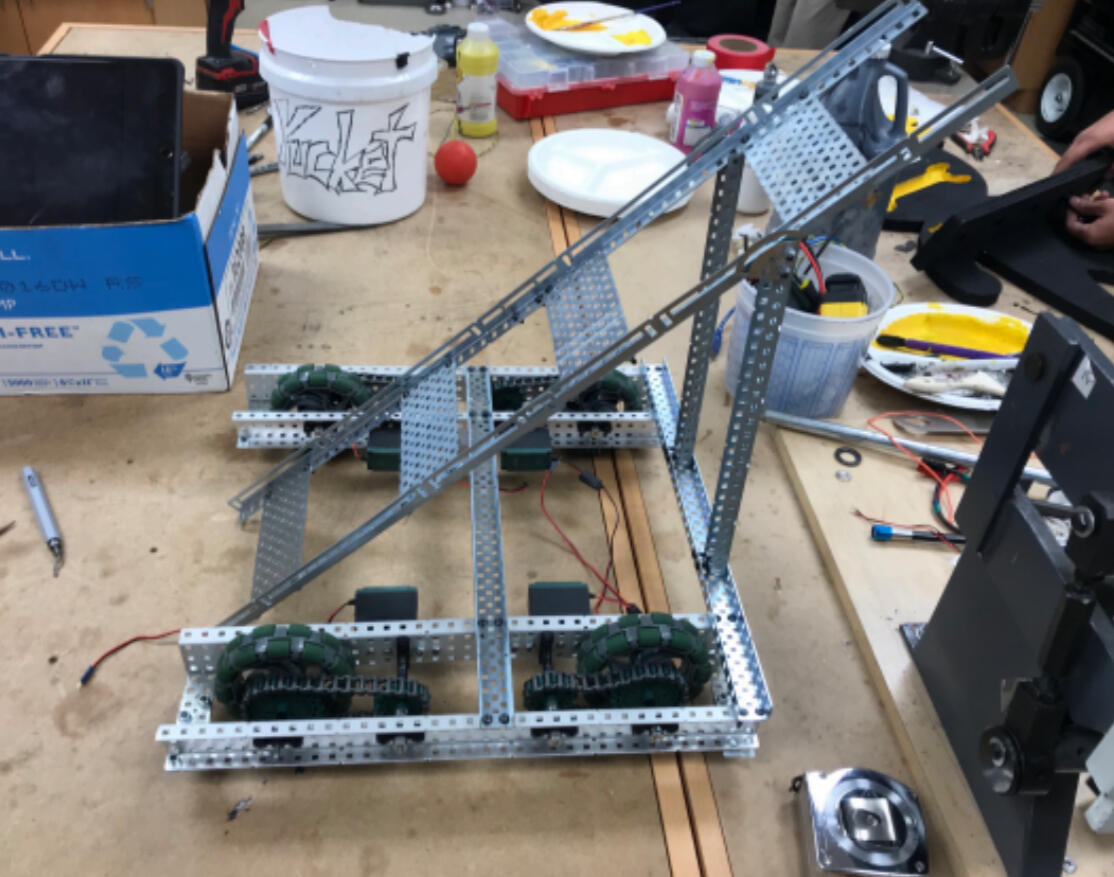
TEAM INERTIA
VEX TOWER TAKEOVER
2019-2020
TAD COMES BACK
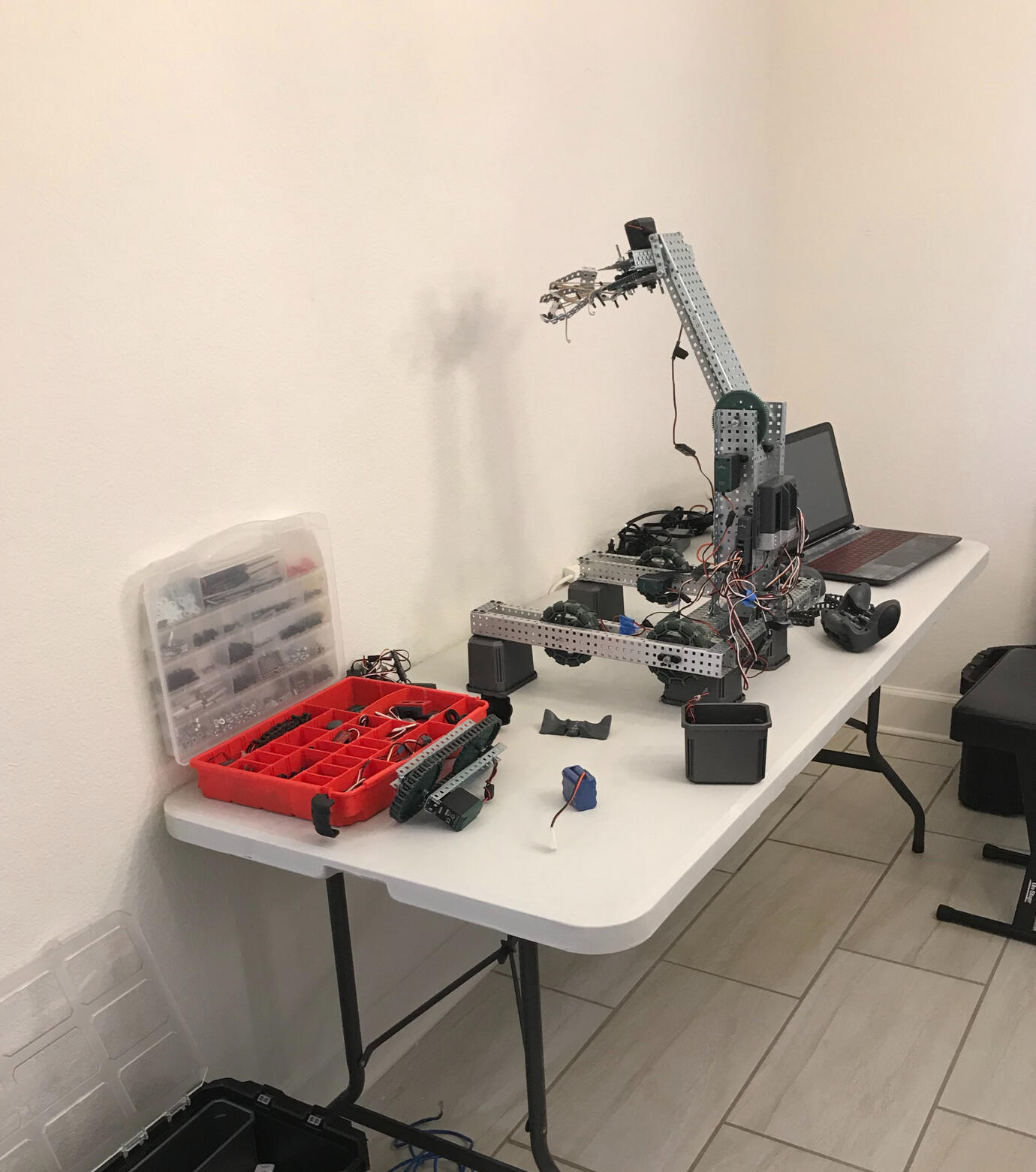
Built a robot for the VEX Worlds competition.
PRE-ENGINEERING
PLTW
December 2019
ELECTROLYSIS CAR
The goal of this project was to make a car move with the power of a battery made of water. The battery was created by electrolysis; where ions were formed when it was charged in a power supply.
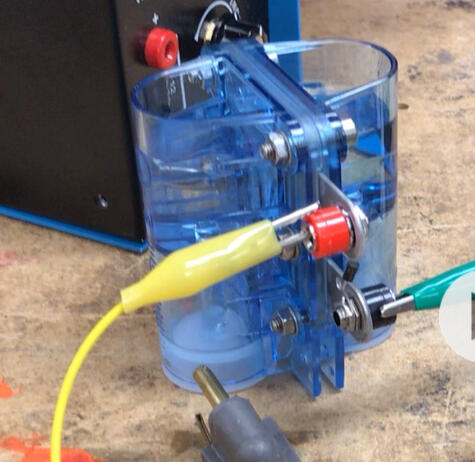
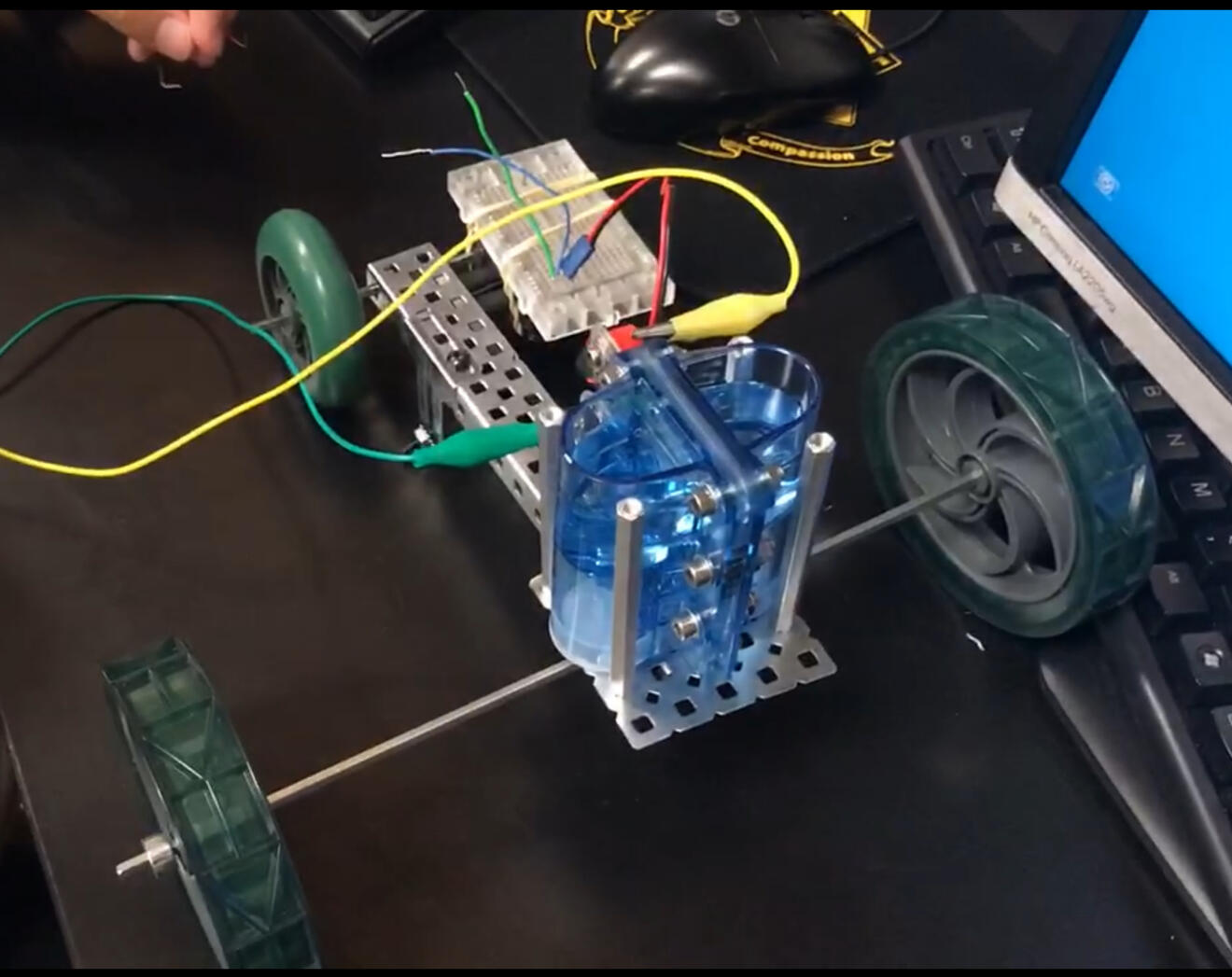
Later on, a solar panel was added to increase the battery life. Partner "Austin"
ENGINEERING FAIR
16th Anual Science and Engineering Fair
2018-2019
THERMAXLON
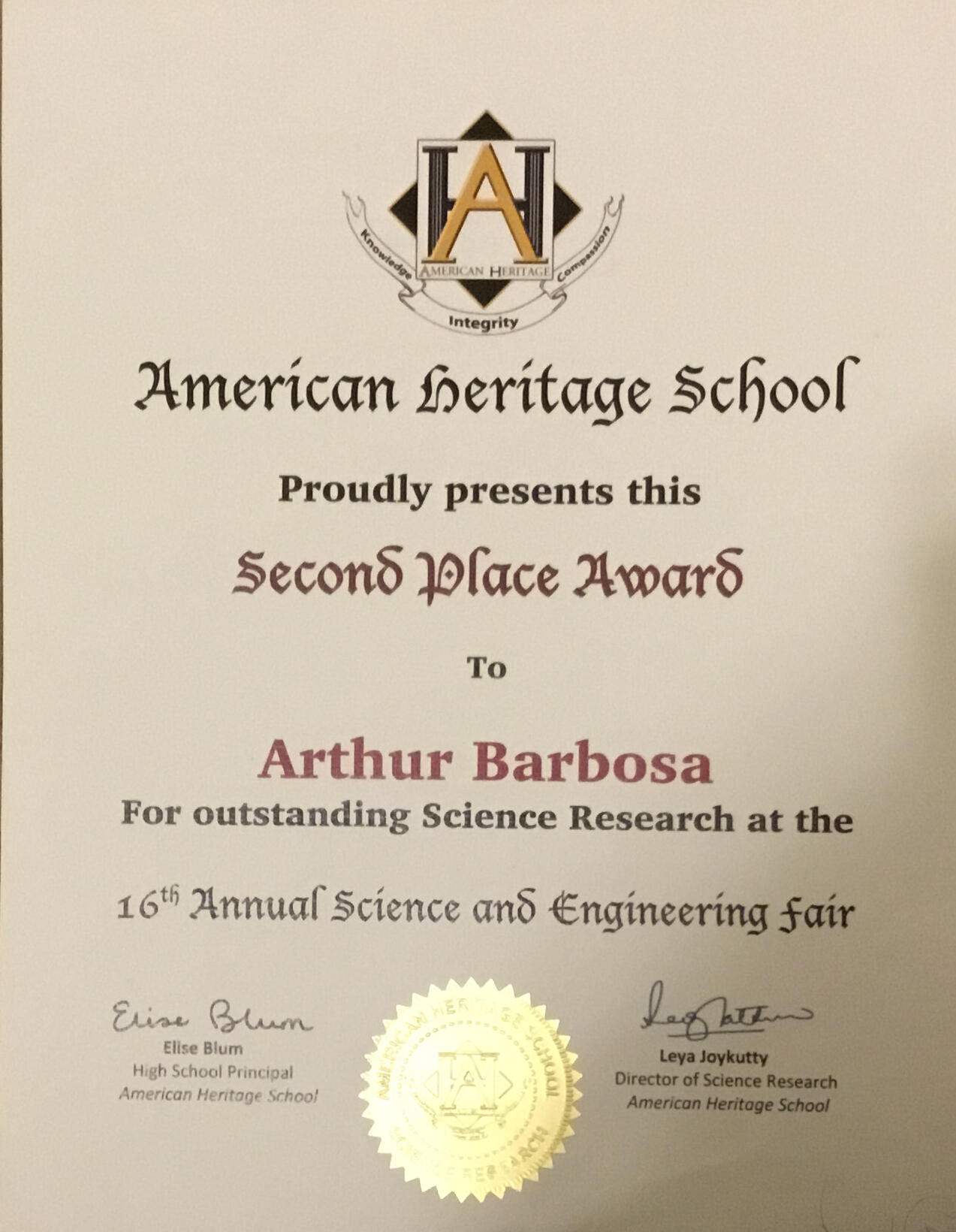
Designed, tested, and manufactured a food container that is imperatively better than any option in the market. The project won second place in the school.
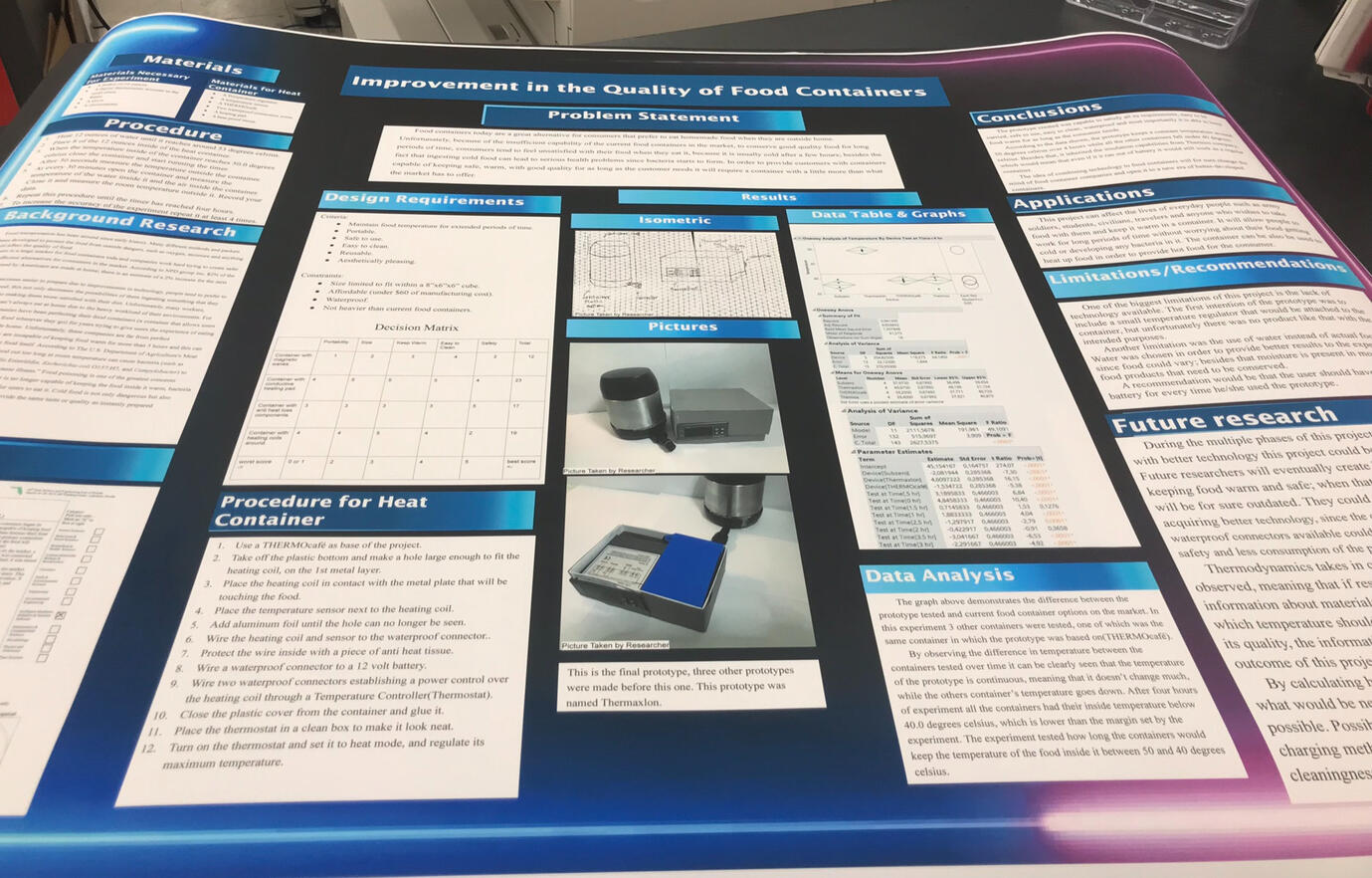
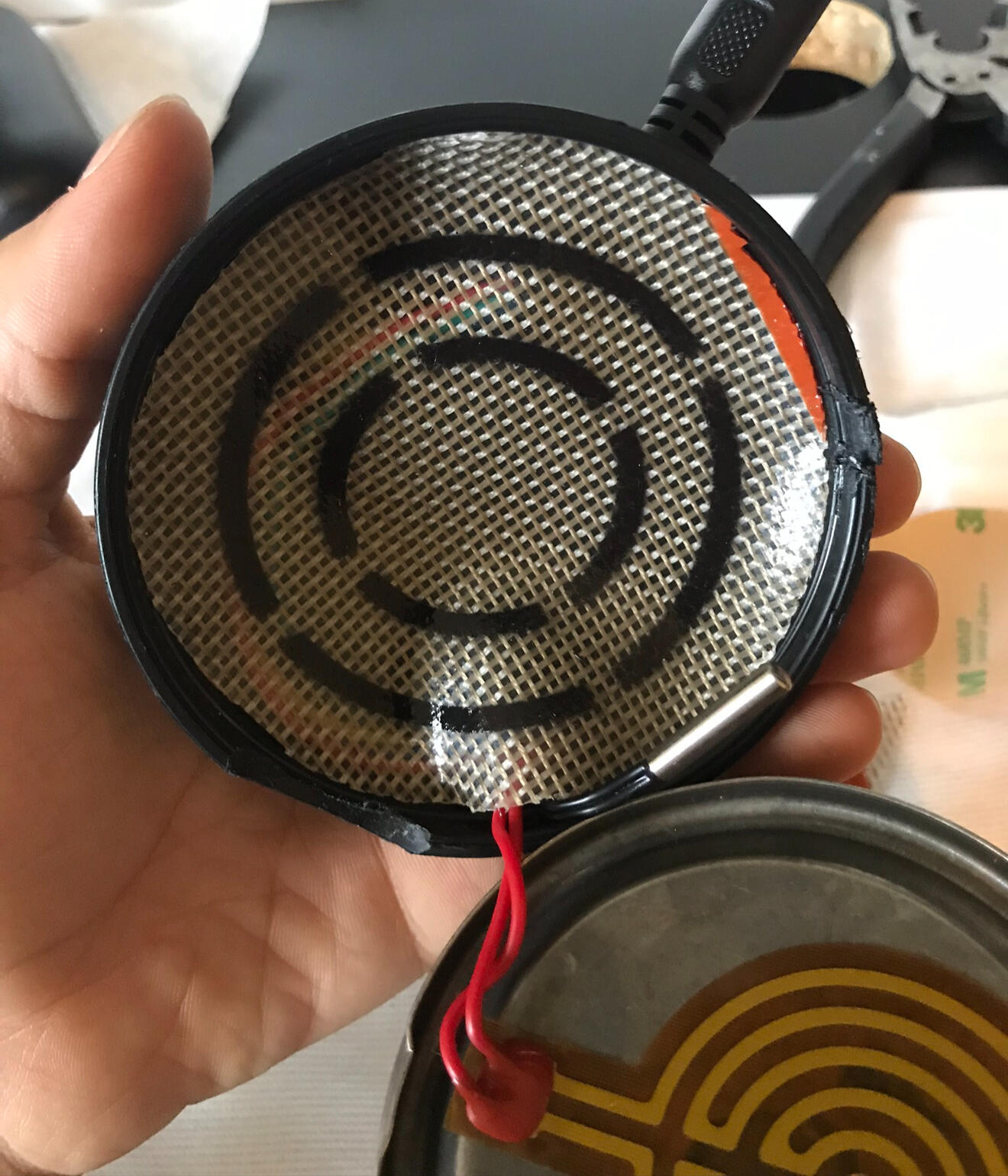
NINJINEERS
SUMMER CLASS
FRC TEAM 2383
2019-2020
Programmed and built a fully operational chassis. Set automation according to automation guidelines. Code was mostly java.
TIER 1
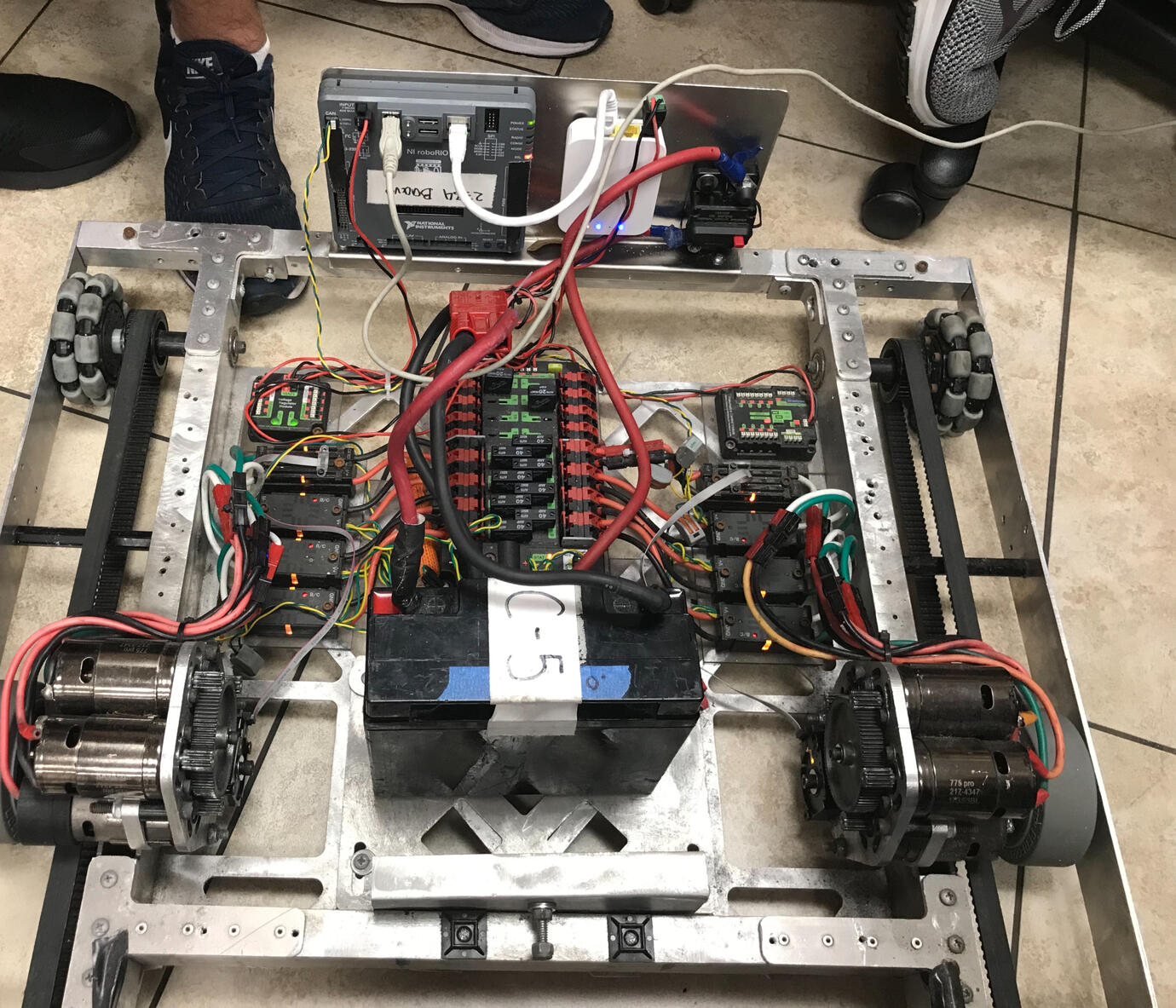
Chassis was assembled with a team.
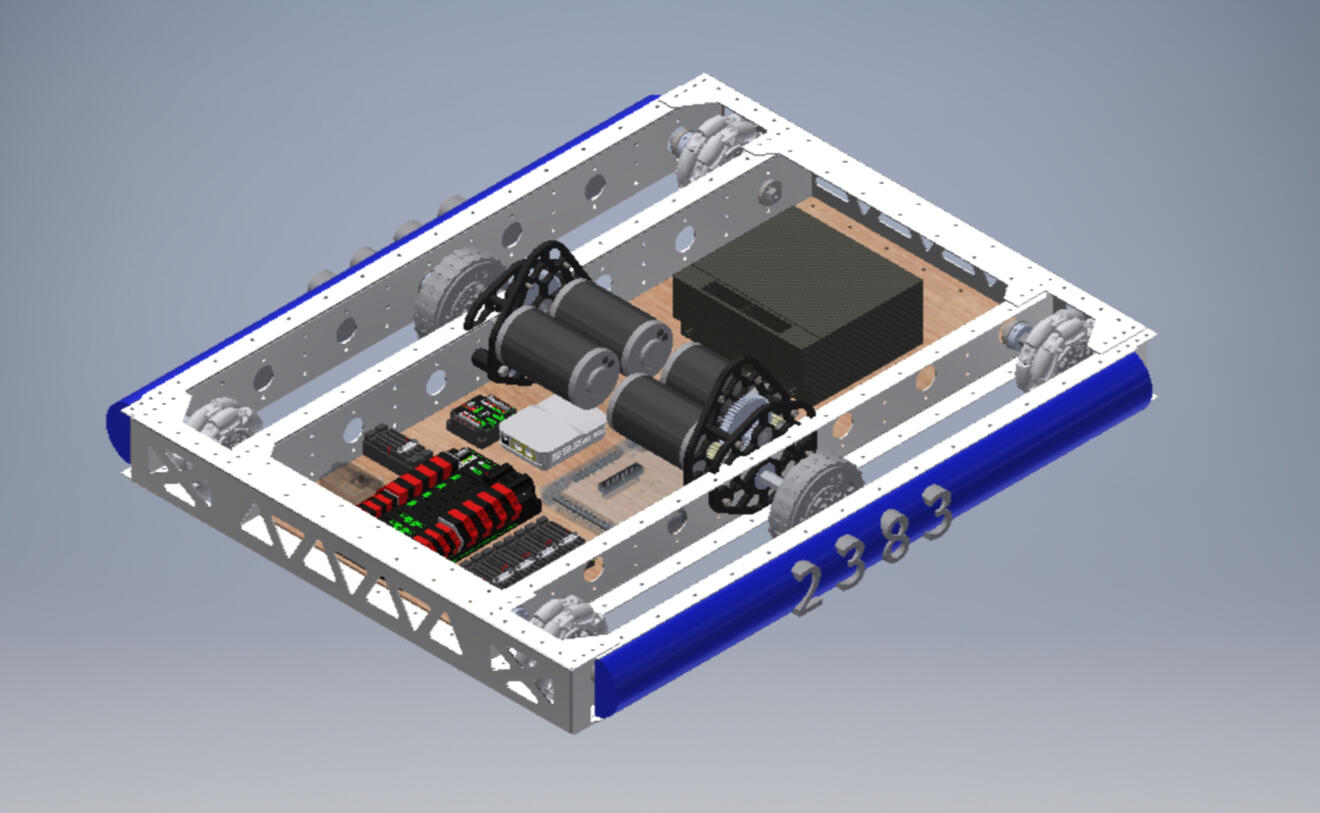
TEAM INERTIA
SECME BROWARD
2019-2020
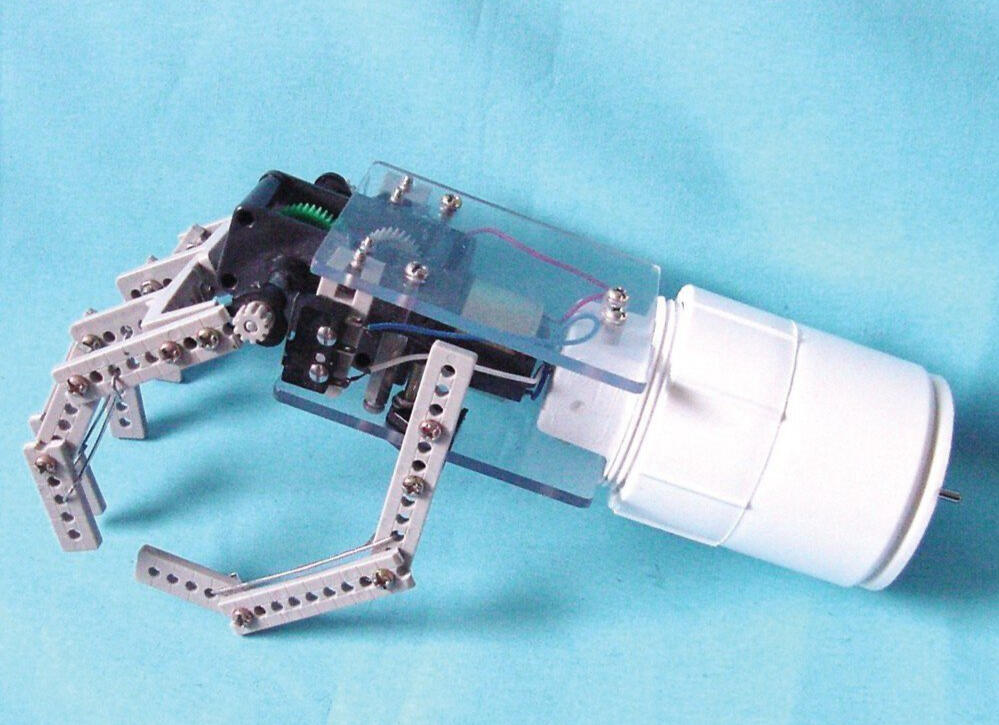
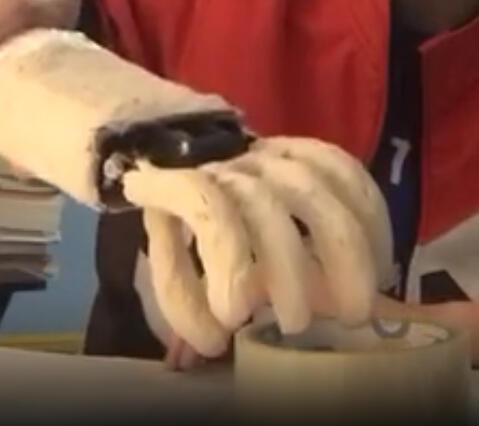
BIONIC HAND
Mentored a group of students to build a bionic hand for SECME Broward competitions. A variety of tests were conducted to prove the hand's functional ability.
NINJINEERS
DESTINATION: DEEP SPACE
FRC TEAM 2383
2019-2020
SCORPION
Assisted in Design process and testing.
Results:
FRC Miami Valley RegionalRank 6 with a record 9-5-0FRC Orlando RegionalRank 5 with a record of 8-5-0
Industrial Design Award sponsored by General MotorsFRC South Florida RegionalRank 2 with a record of 13-2-0
Industrial Design Award sponsored by General Motors
WildcardFRC World Championships (Houston)Record of 10-3-1
Competed in the Turning DivisionFRC ROBOTICON Tampa Bay
NINJINEERS
TEAM 2383
Summer Robotics 2019
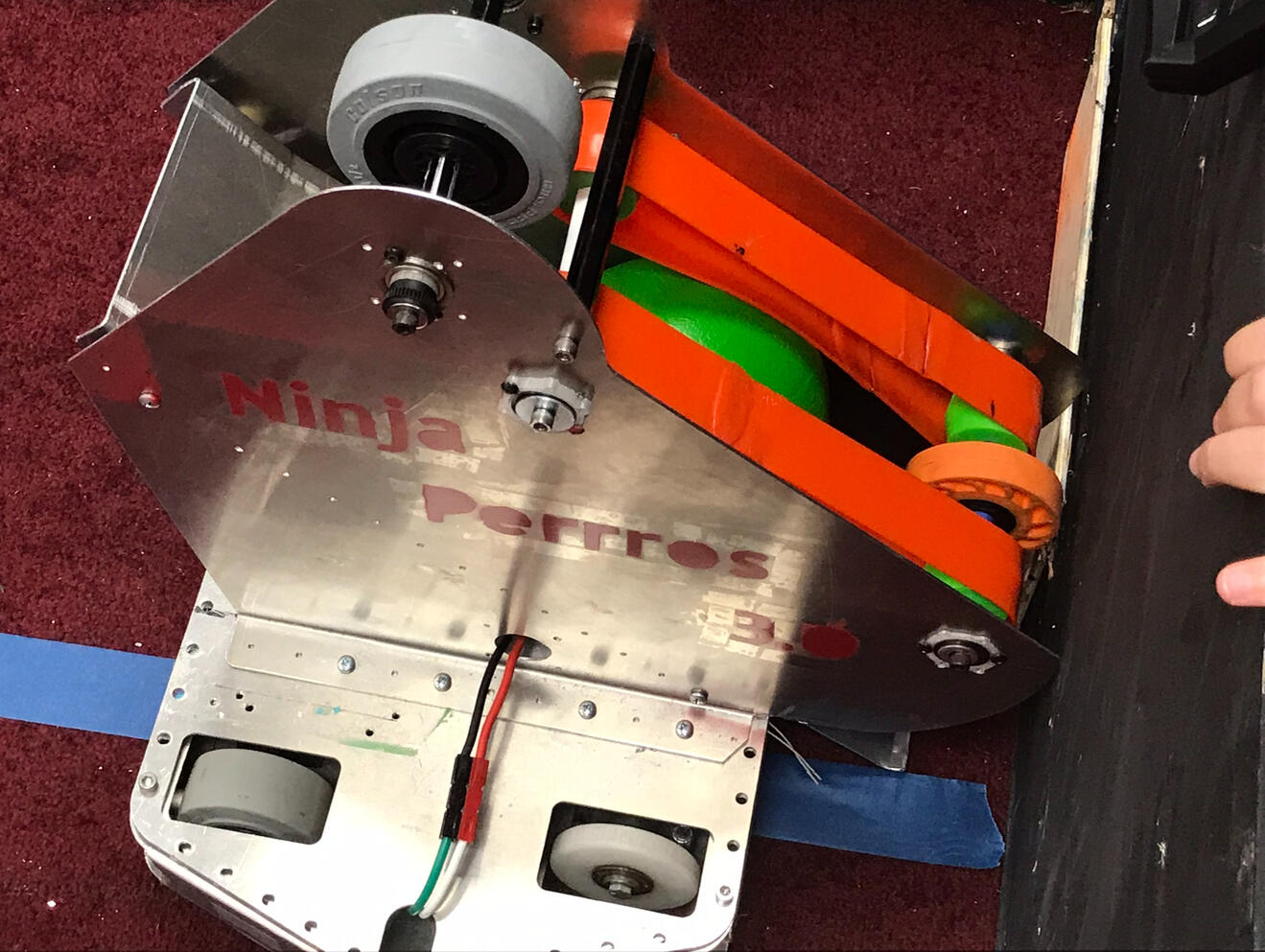
NINJADOGS 3.0
Mentored a team of young kids on how to use 3d modeling software as well as help them build a basketball shooting robot for an in-house competition. Team was placed winner of the 2019 summer robotics competitions.
NINJINEERS
TEAM 2383
Summer Robotics 2019
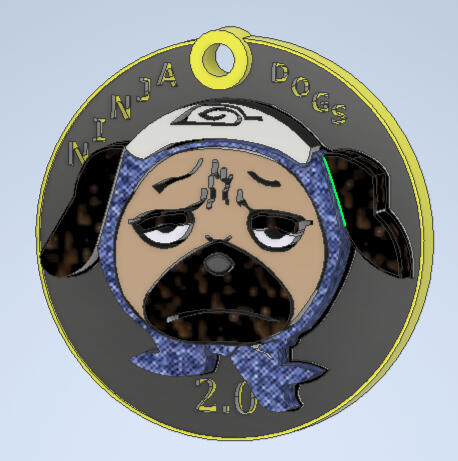
NINJADOGS 2.0
Mentored a team of young kids on how to use 3d modeling software, CNC, as well as help them build a basketball shooting robot for an in-house competition. Team was placed winner of the 2019 summer robotics competitions.
NINJINEERS
FIRST POWER UP
FRC TEAM 2383
2018-2019
LAMBDA
Scout. Brainstorming & workshops. Fixed minibots during demonstration/public relations.
Results:
FRC Palmetto RegionalRegional Winners
Rank 14 with a record of 8-3-0FRC San Francisco RegionalRegional Finalists
Rank 11 with a record of 11-5-0
Gracious Professionalism Award sponsored by Johnson & JohnsonFRC South FloridaRegional Finalists
Rank 20 with a record of 10-7-0FRC World Championships (Houston)Division Semi-Finalists
Competed in Roebling Division
Rank 37 with a record 8-7-0
PRE-ENGINEERING
2018-2019
CO2 TANK CAR
Design a CO2 tank car and compete on a racing competition amongst your peers.
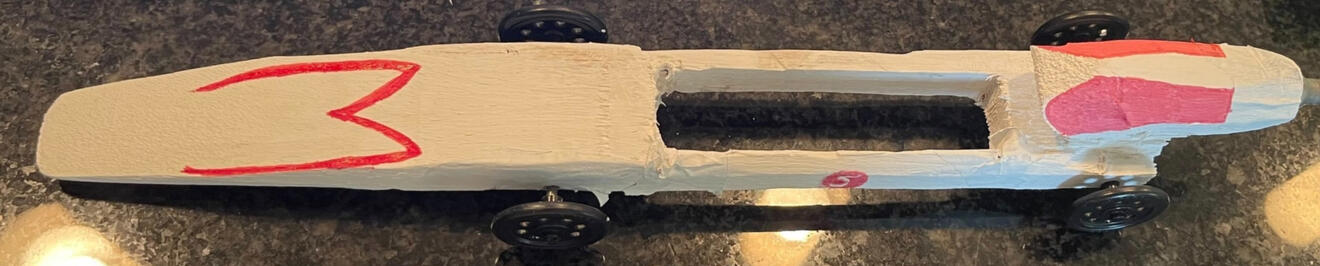
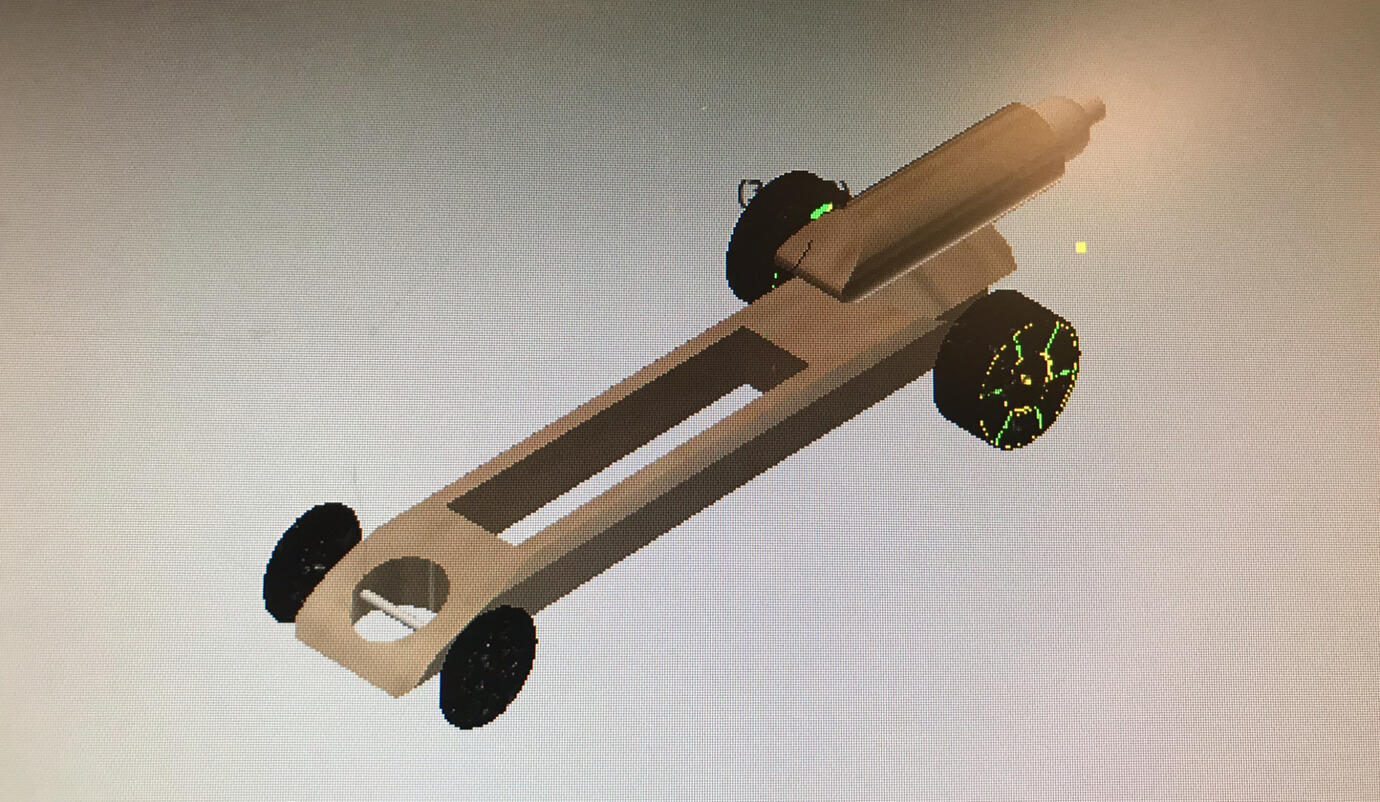
Initial Design
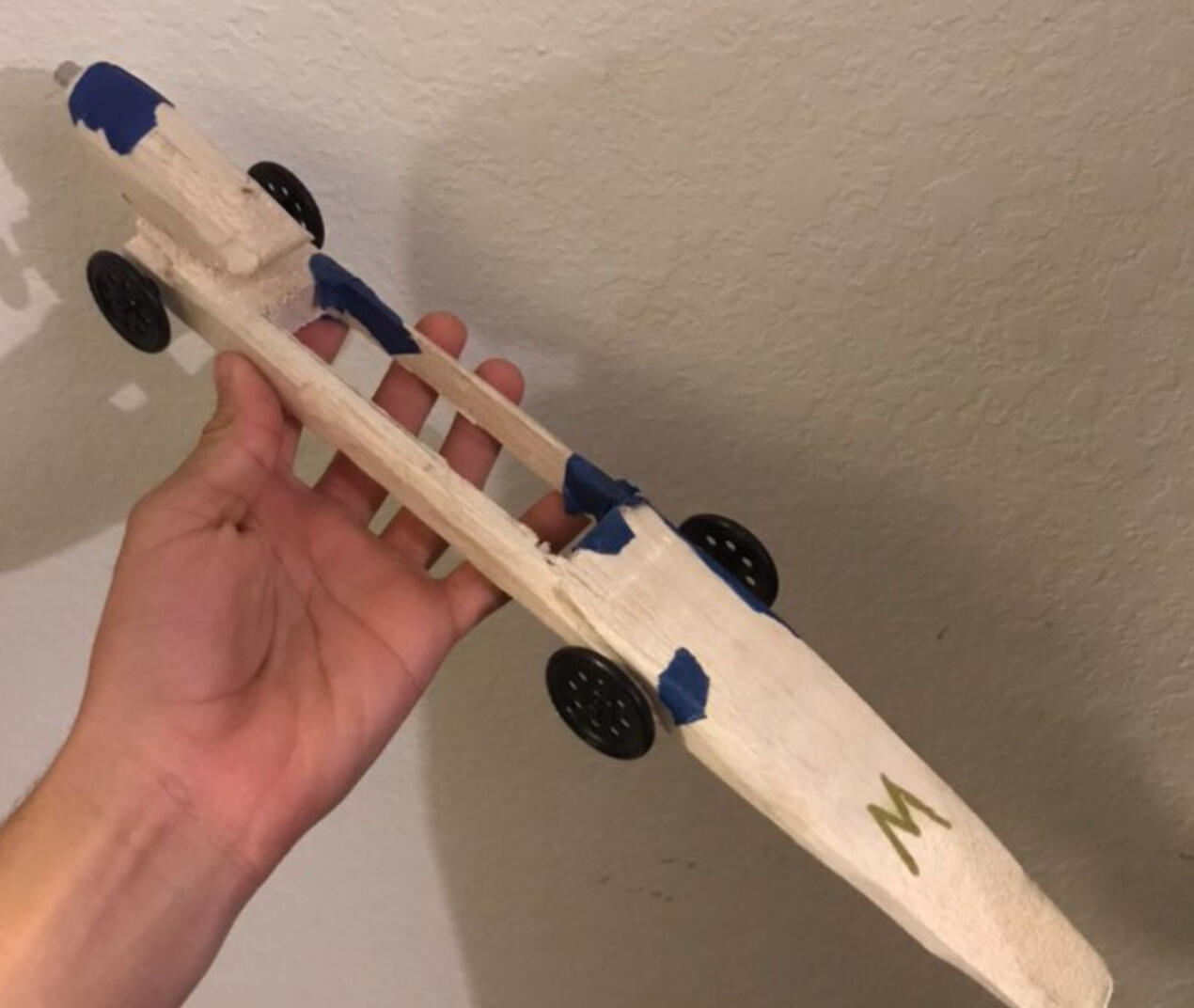
Modifications
PRE-ENGINEERING
April-2019
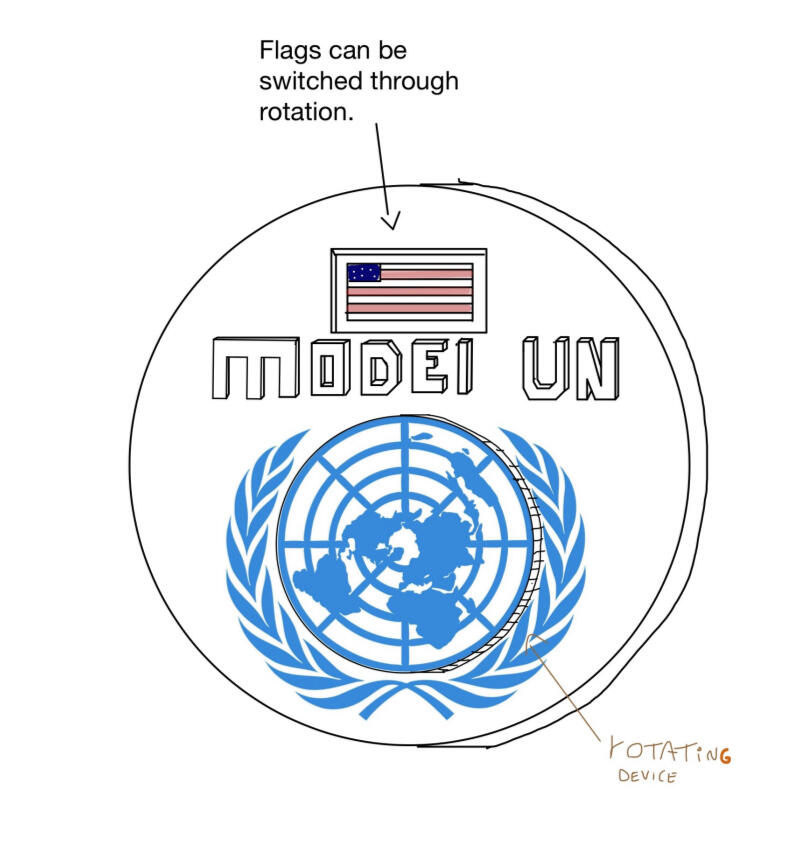
MODEL UN BOTTOM
Designed a bottom for the American Heritage School Model UN club.
TEAM INERTIA
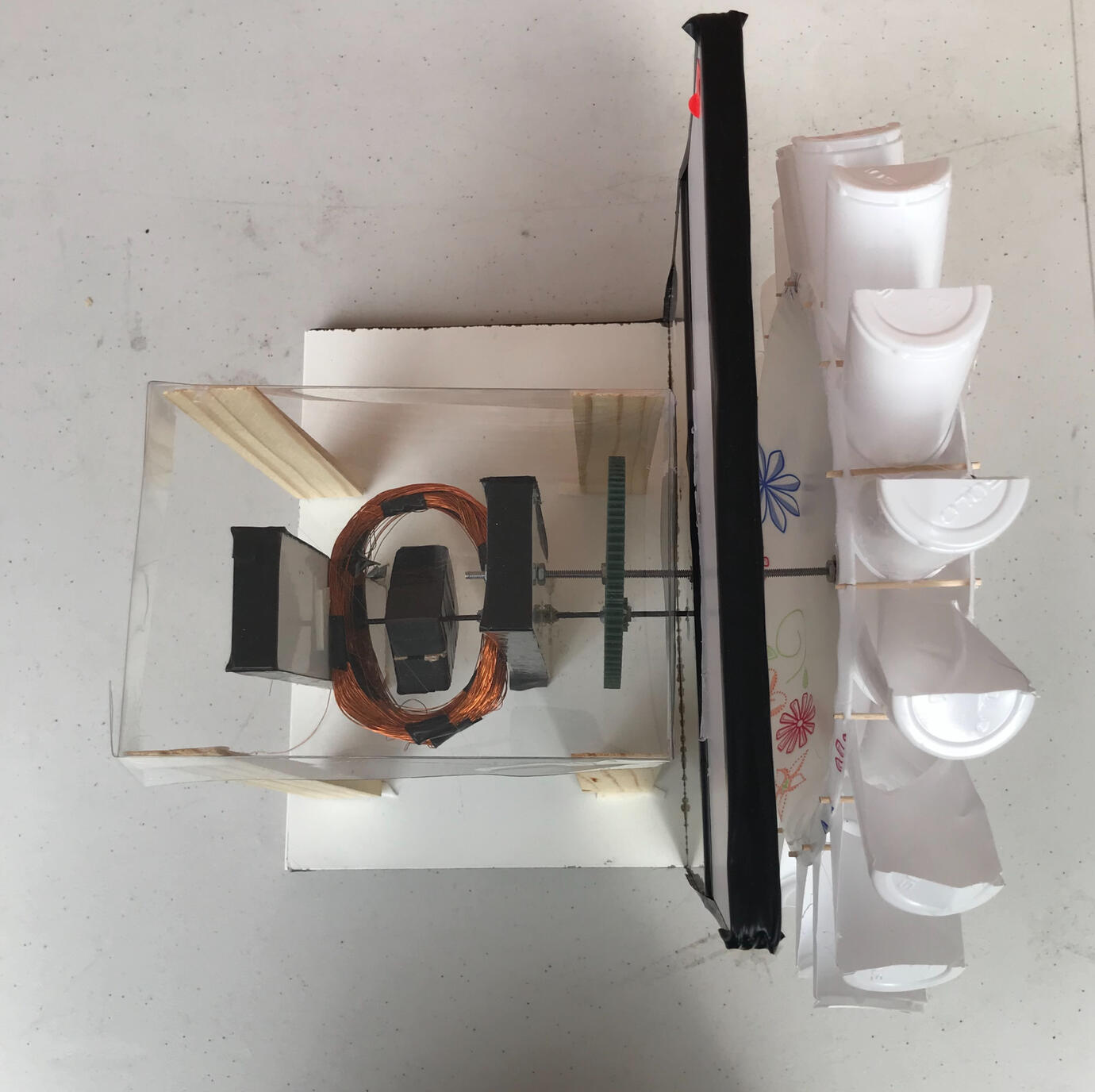
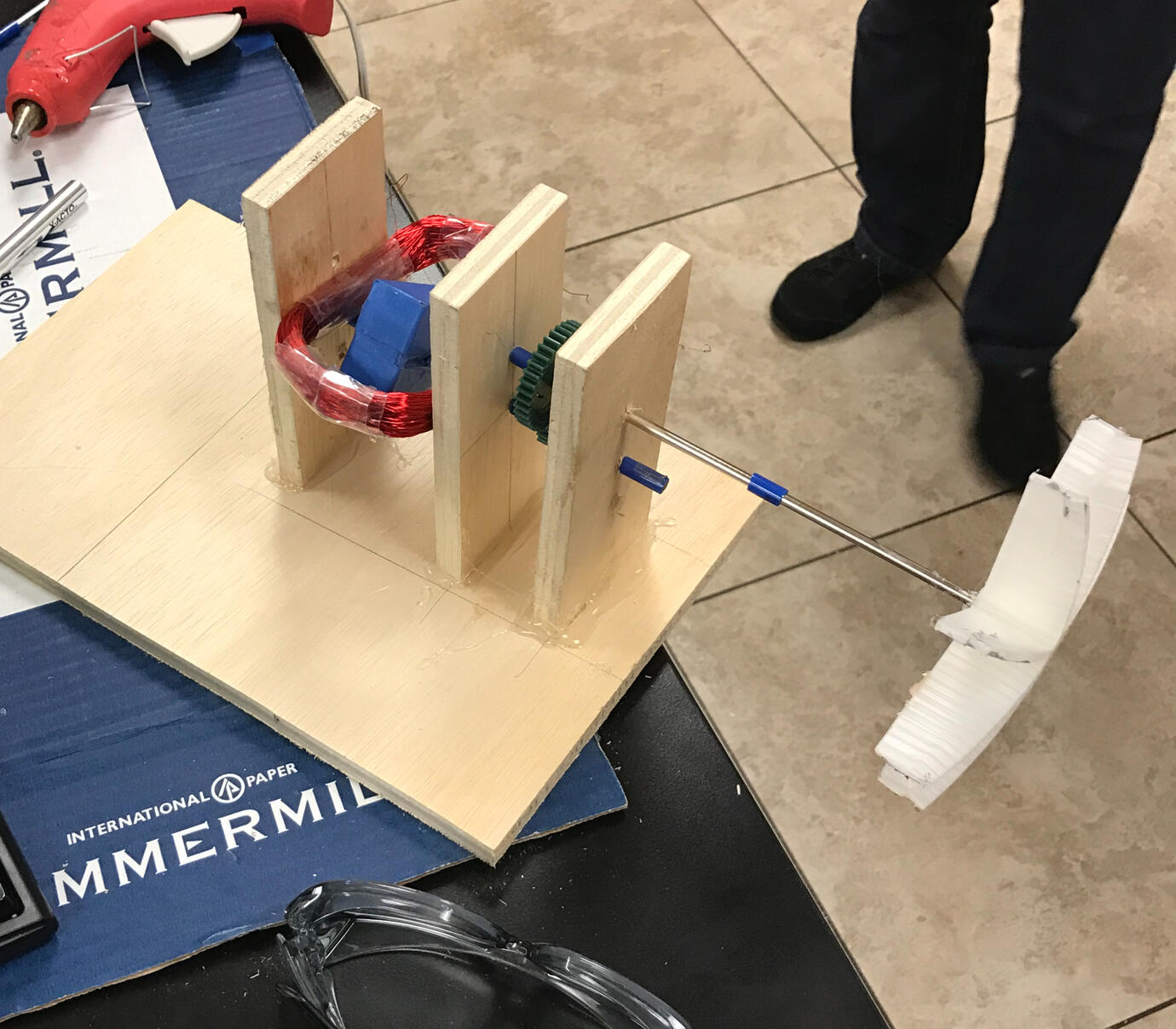
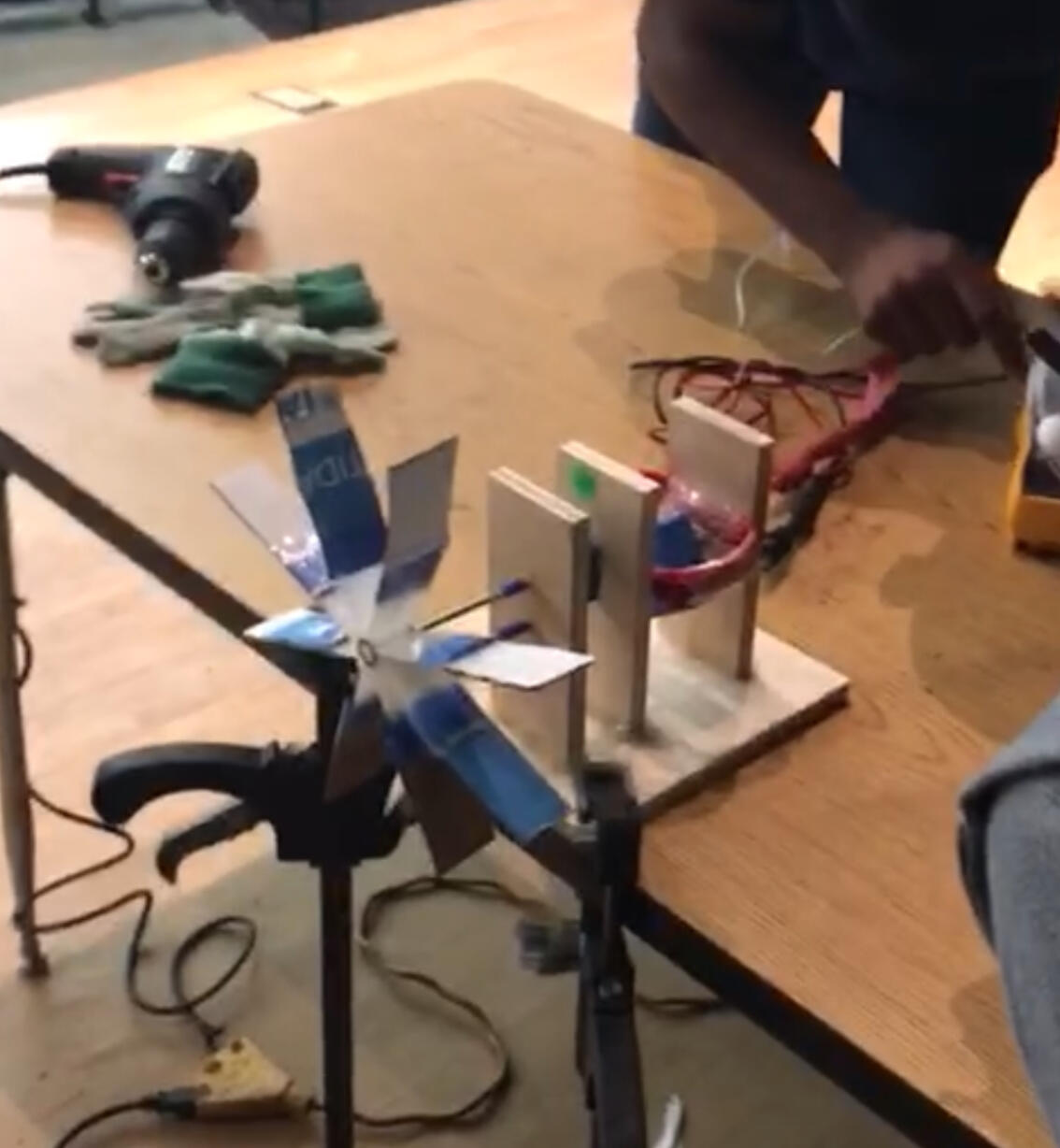
FPL Magnetic Generator
2018-2019
GENERATOR
Make a magnetic generator that would be powered by a flowing stream of water with a given amount of copper and a limited amount of magnets.
COMPUTER SCIENCE
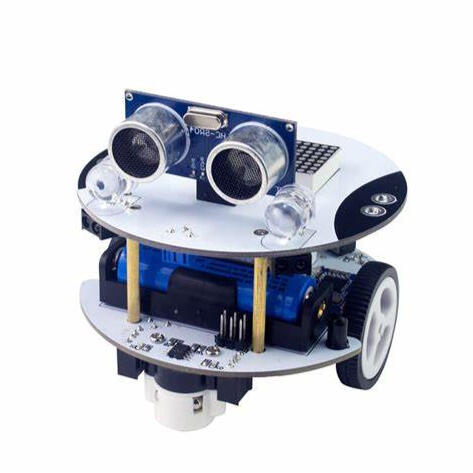
PYBOTS
Oct - Dec 2018
OPTIMUS PRIME
Made a program to solve mazes for an Arduino based robot "Qbot."
PRE-ENGINEERING
PLTW
2018-2019
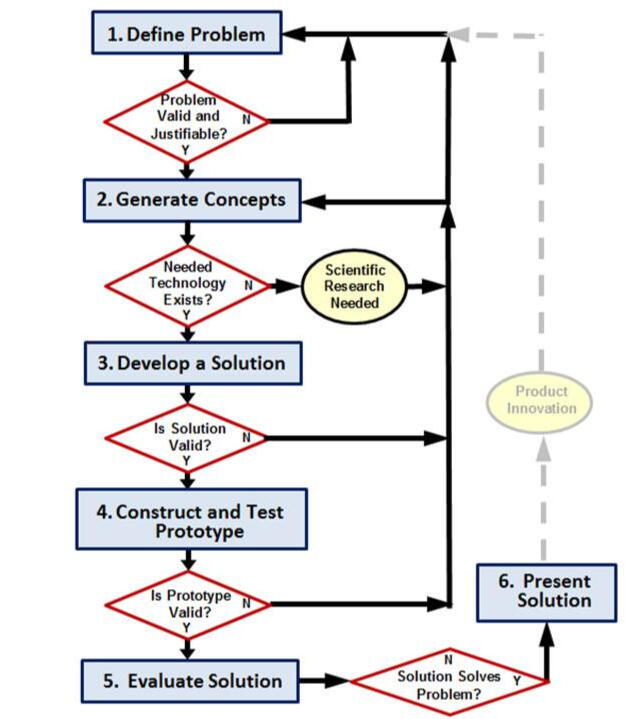
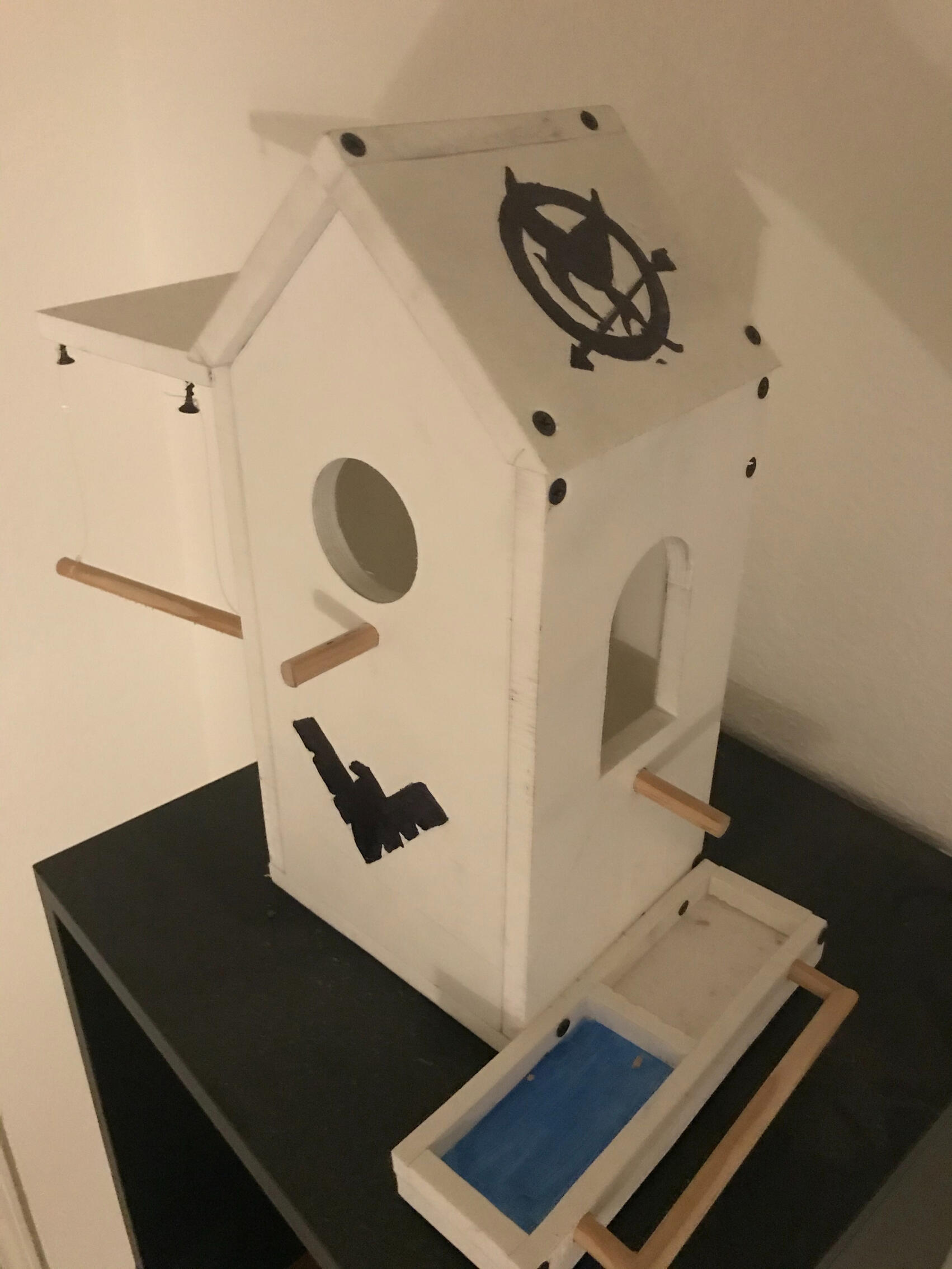
BIRDHOUSE
Made a birdhouse using iterative design process. Define a problem, Generate Concepts, Develop a Solution, Construct a prototype and test it, Evaluate the solution, Present the solution.
The birdhouse had a place for water as well as bird food and a swing to the left side of it.
NINJINEERS
SUMMER ROBOTICS
2017-2018
LEGO ROBOTICS
Mentored kids on how to use modeling software as well as assisted in building and programming an EV3 robot for in-house competitions.
TEAM INERTIA
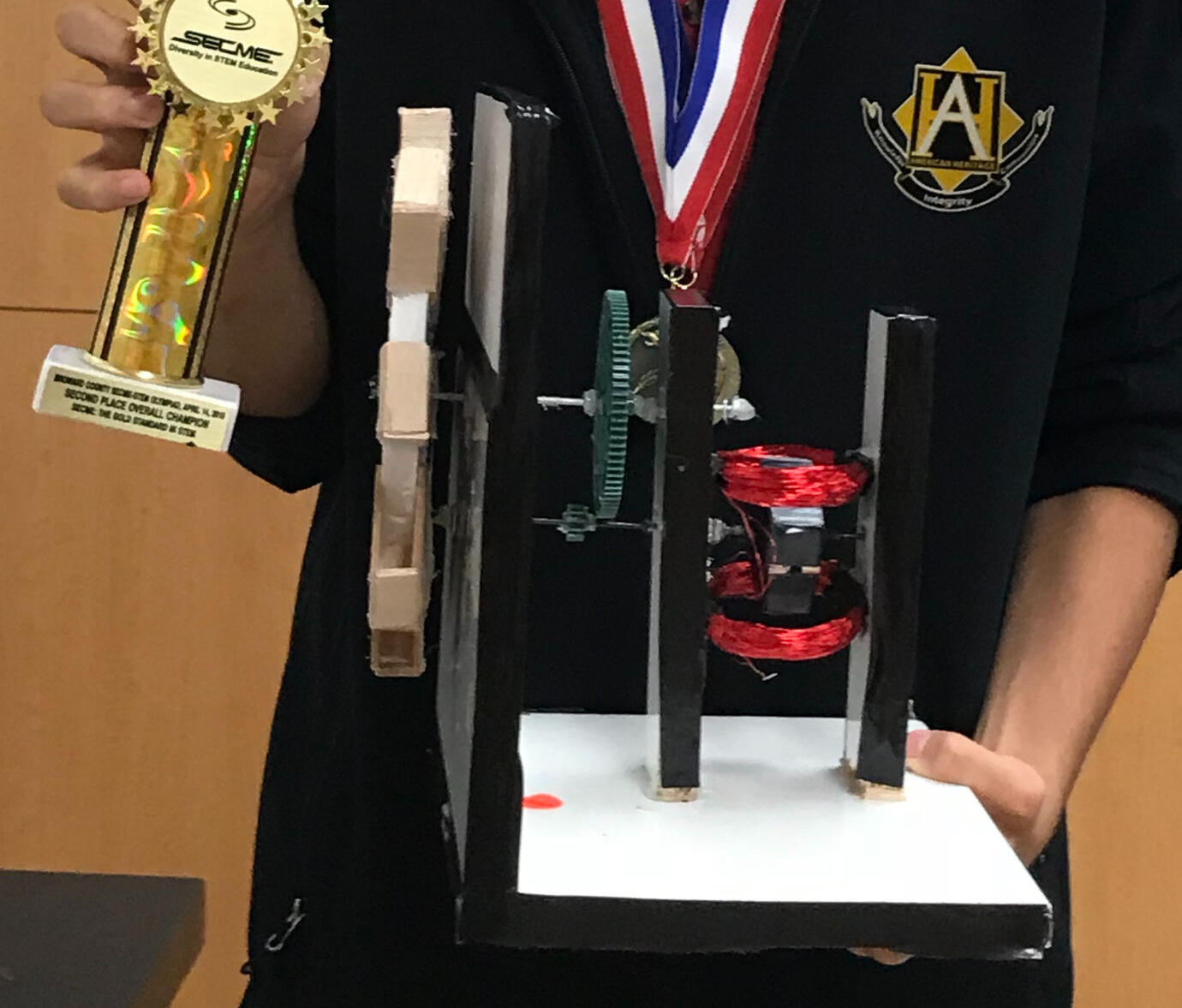
FPL Magnetic Generator
2017-2018
GENERATOR
Make a magnetic generator that would be powered by a flowing stream of water with a given amount of copper and a limited amount of magnets. 1st plane High School Competition.
TEAM INERTIA
VEX IN THE ZONE
2017-2018
TAD SON OF CHAD
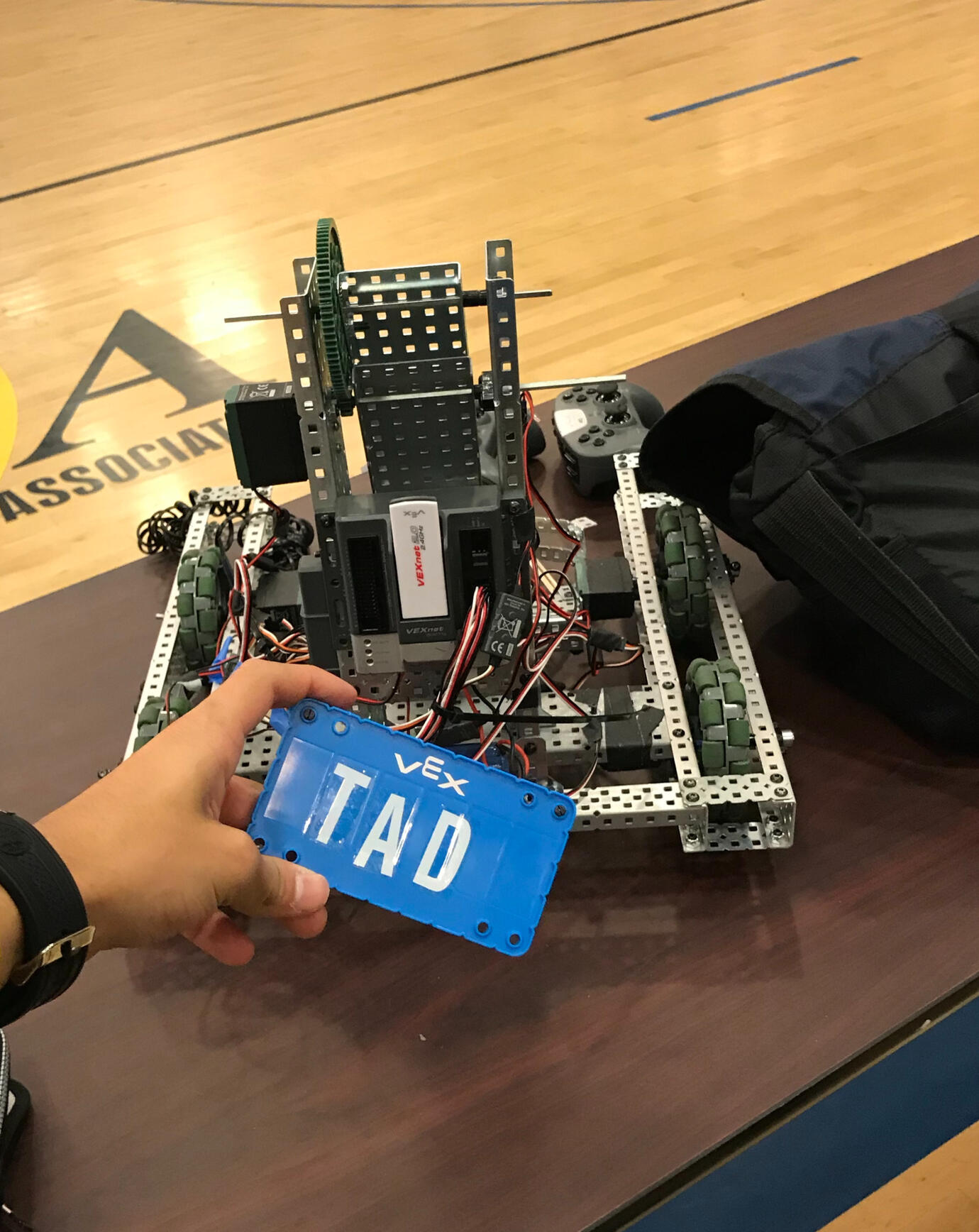
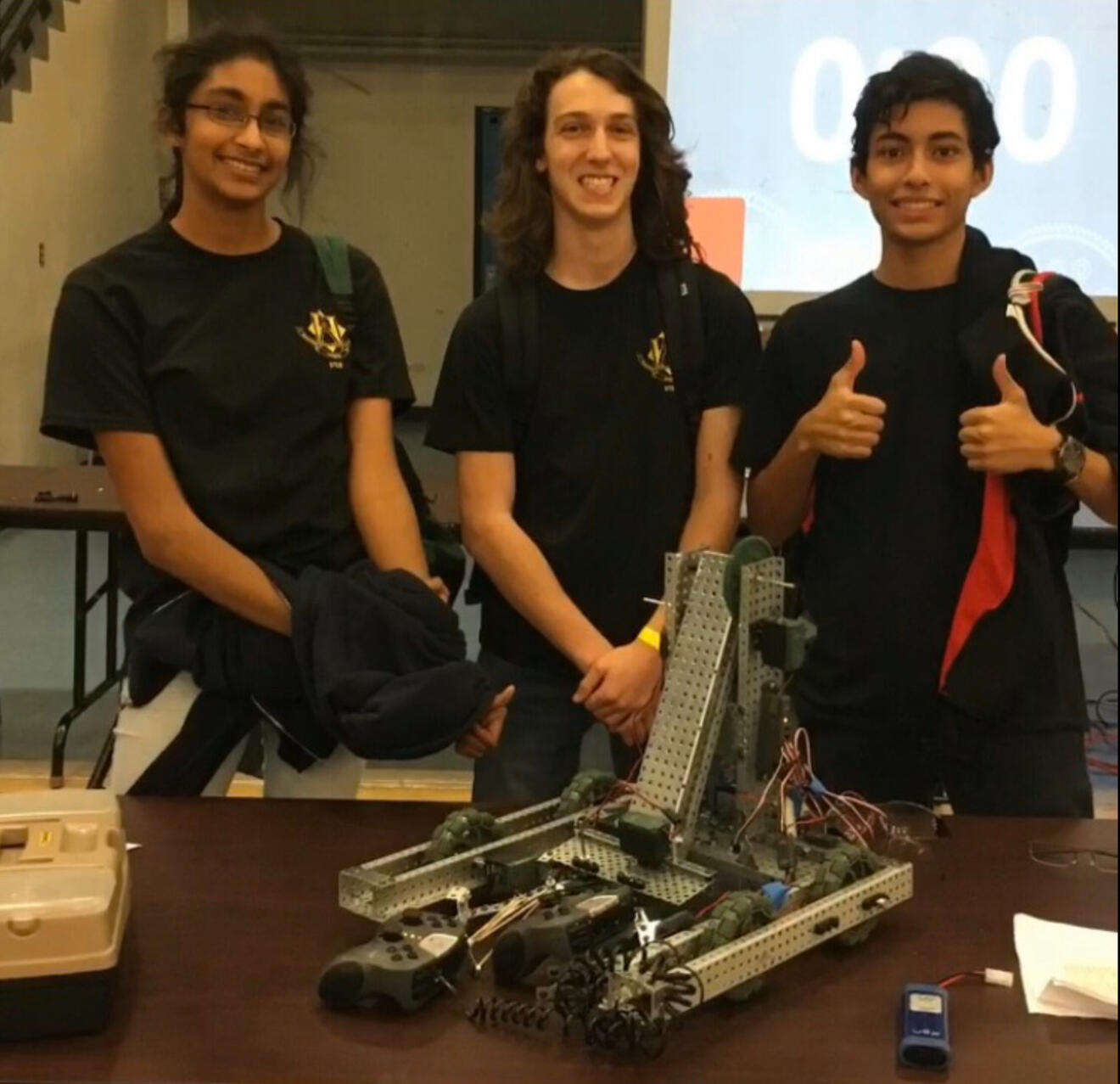
Built a robot for the VEX Worlds competition. Qualified for worlds on third place regional on Broward SECME competitions.
SELF-PROJECT
HOME
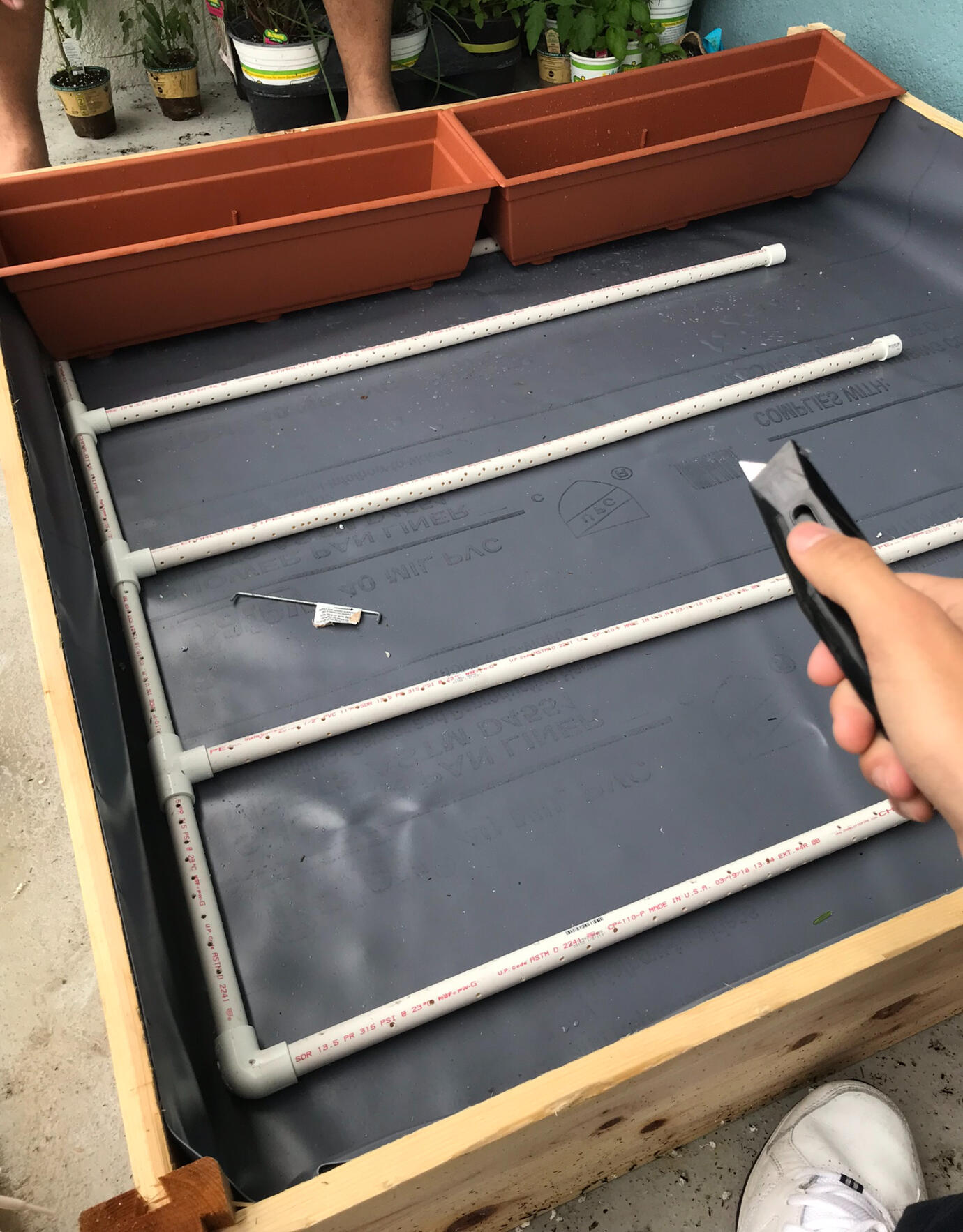
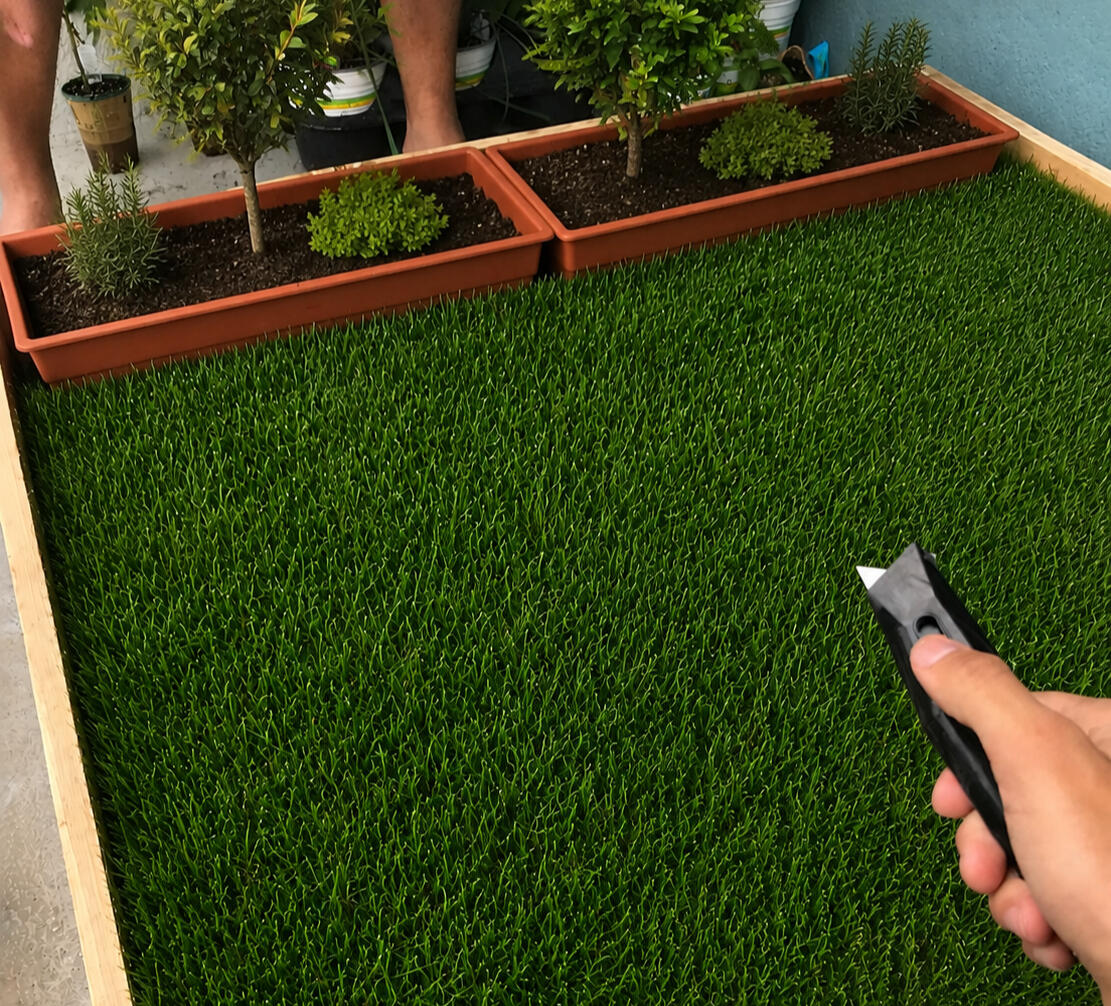
AUTOMATIC CLEAN
Built an automatic water system to clean pets' necessities. The system was filled with dirt, rocks, and grass after.
PRE-ENGINEERING
2017-2018
FLUTE: Reverse Eng.
Learned how to make flutes through reverse engineering. Full Assembly and technical drawings with uncertainties.
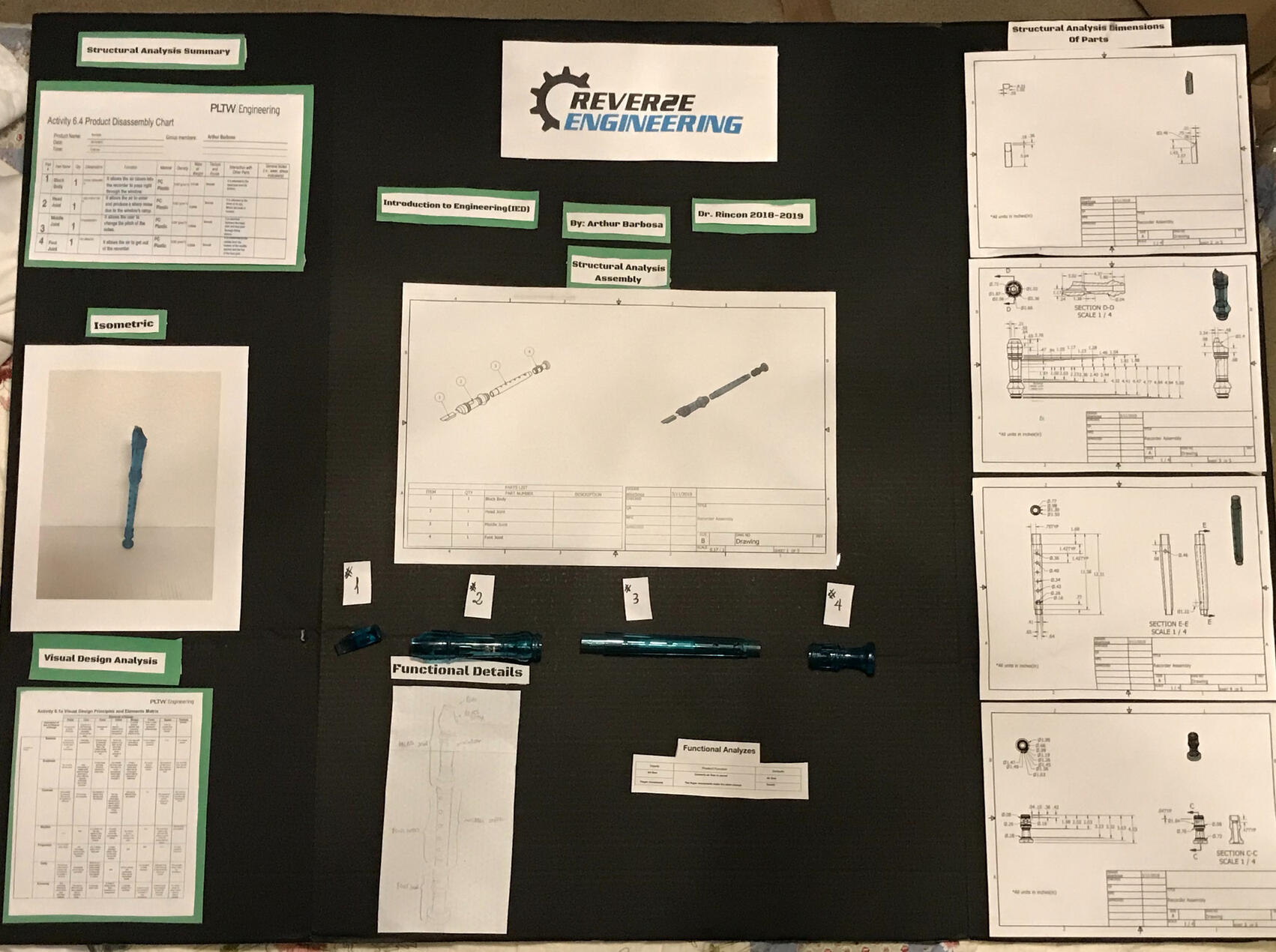
Board
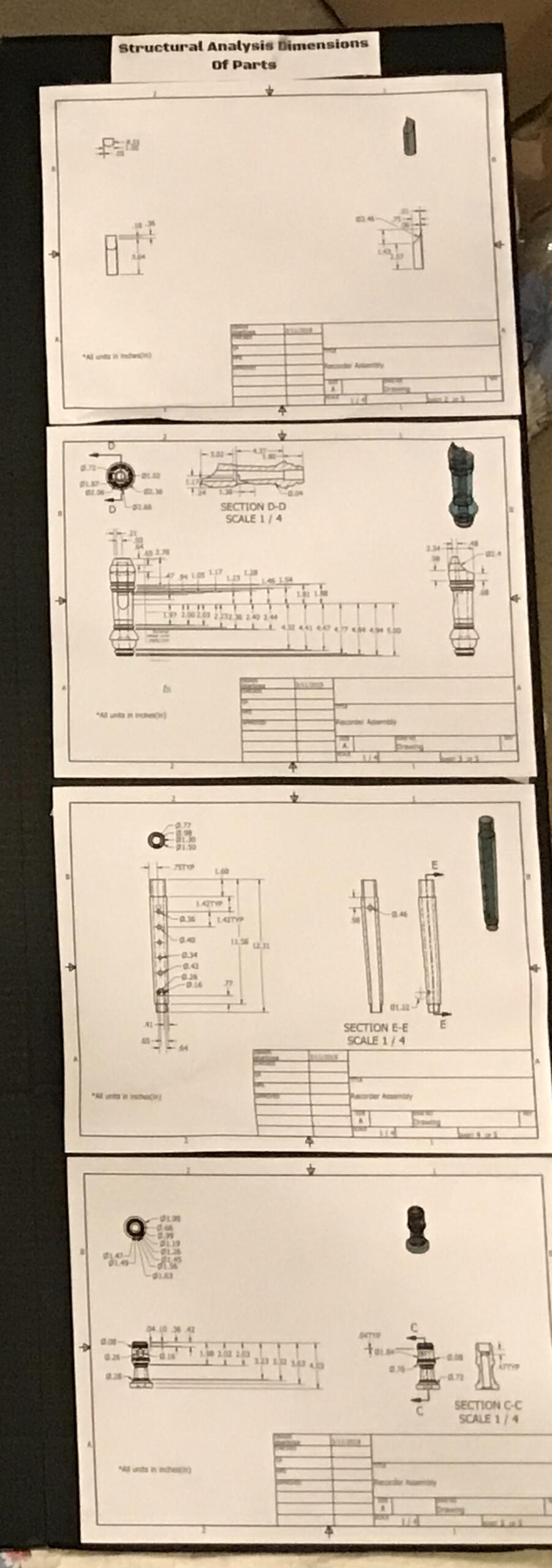
Technical Drawings
NINJINEERS
STEAMWORKS
FRC TEAM 2383
2017-2018
SHOGUN
Scout in Training. Brainstorming workshops.
Results:
FRC South Florida RegionalRank 17 with a record of 6-6-0
FIRST Dean's List Finalist Award (Sofia Leon)
Entrepreneurship Award sponsored by Kleiner Perkins Caufield and Byers
Woodie Flowers Finalist Award (Massimo Salafia)FRC Orlando RegionalRegional Finalists
Rank 25 with a record of 8-6-0FRC New York City RegionalRank 17 with a record of 9-6-0
Excellence in Engineering Award sponsored by Delphi
WaitlistFIRST World Championships (St. Louis)Competed in Hopper Division
Rank 29 with a record of 6-4-0
SCIENCE FAIR
15th American Heritage Science and Engineering Fair
2017-2018
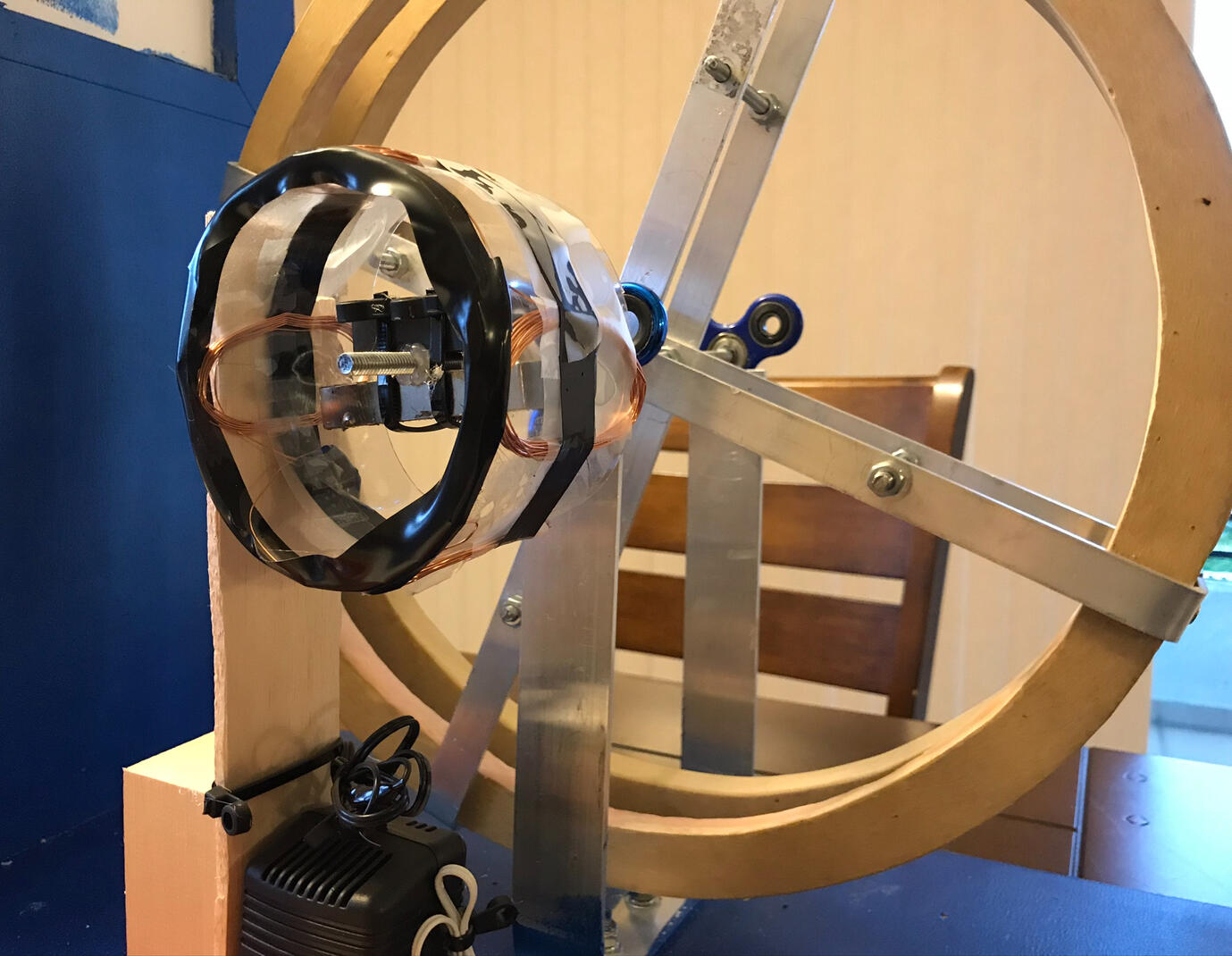
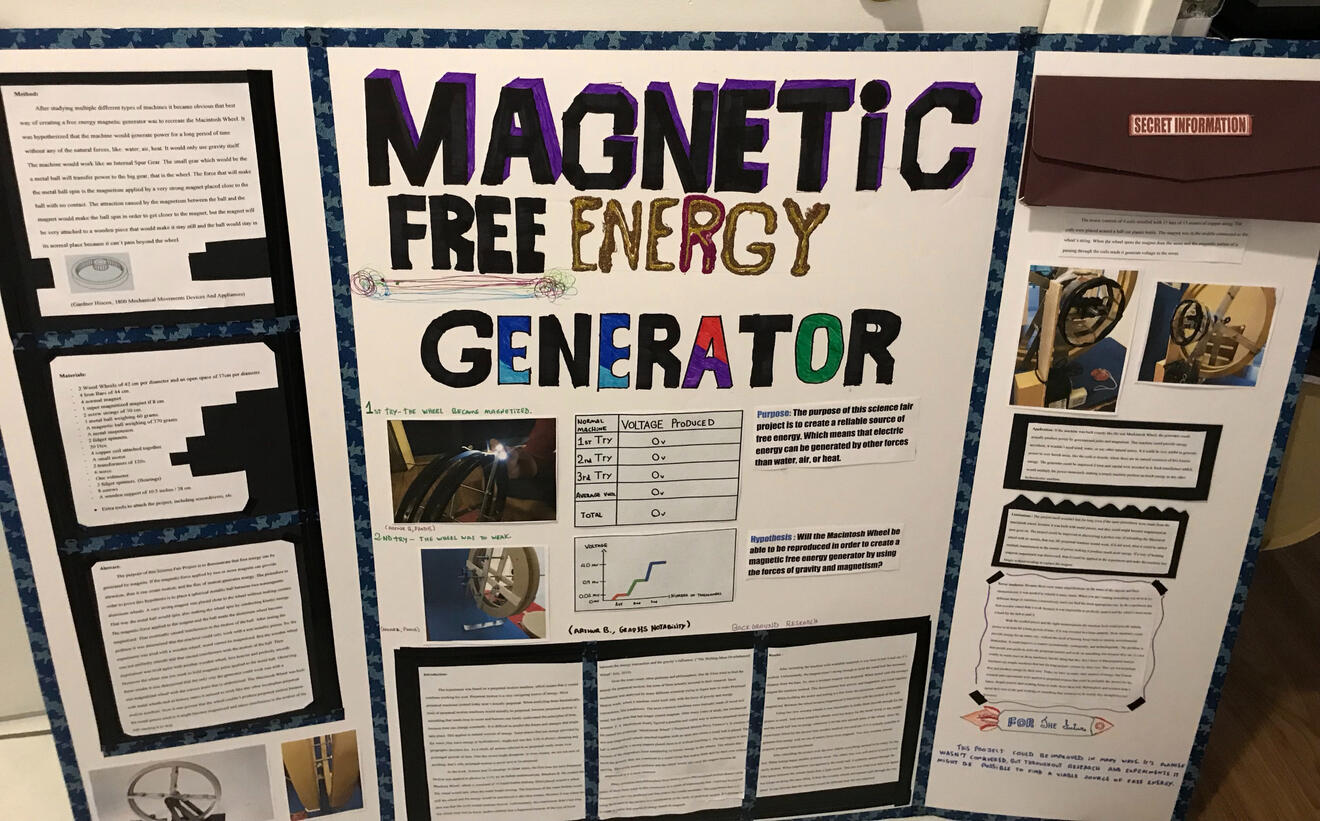
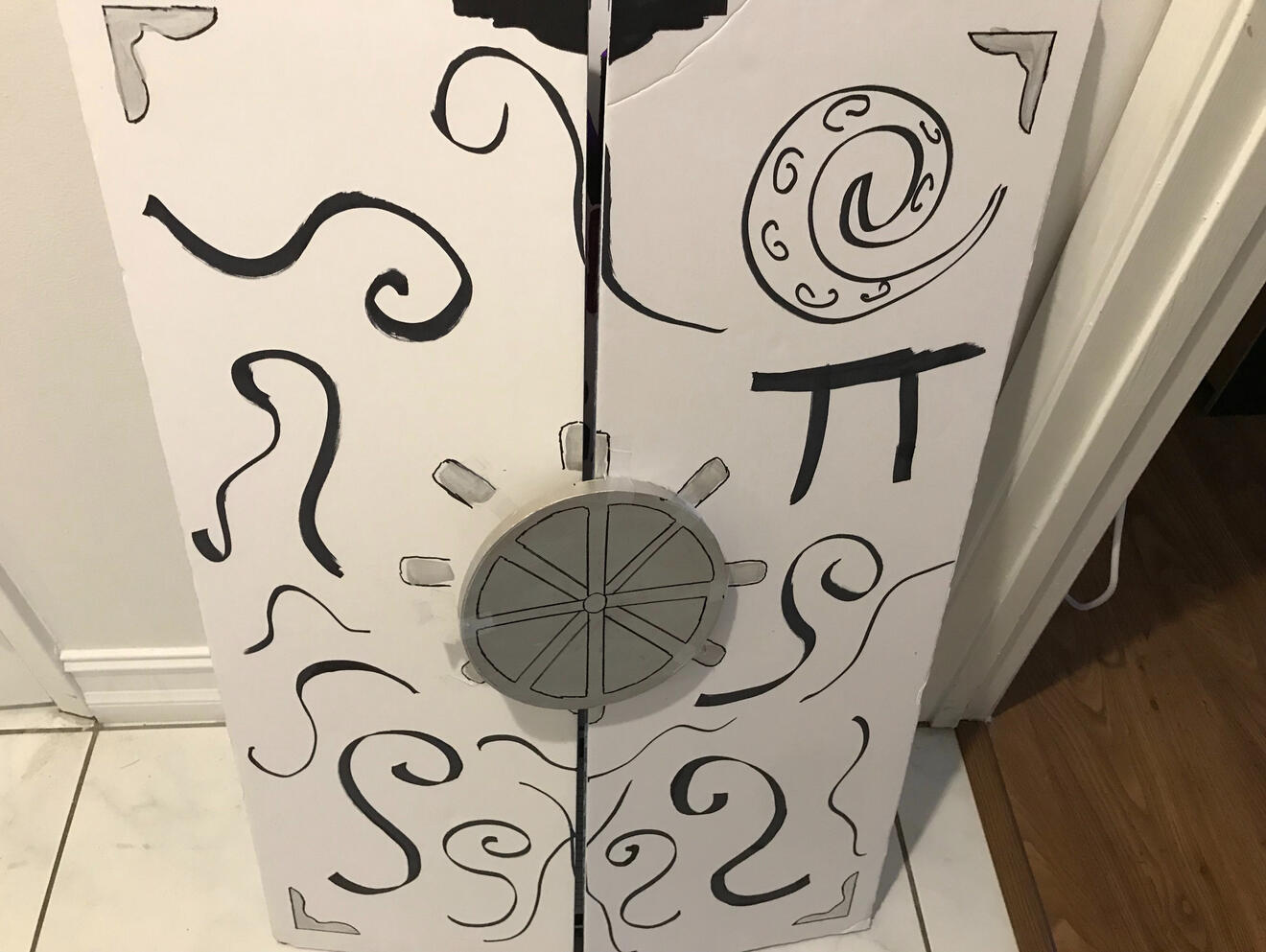
FREE ENERGY
Built and tested an alternative for energy production. Experiment tested for a method of infinite energy. Conclusion, infinite energy is quite hard to achieve, most data on the internet is fake.
TEAM 2383
SUMMER CAMP
2016-2017
SENIOR ROBOTICS
Assisted in the design of the field and building of robots for summer camp games to tutor kids. Map was based on the Power Up FRC competition.
RECYCLING
ART CLUB COMPETITION
March 2017
BOTTLE BOY
Bottle Boy, was inspired by the show "THE ARROW." Most parts were assembled with glue gun. The Art sculpture is a robot that moves its right arm and says the word "ok." The electronics of the robot are based on an EV3 lego kit that was repaired. All materials were recycled.
Art Club Recycling Week challenge.
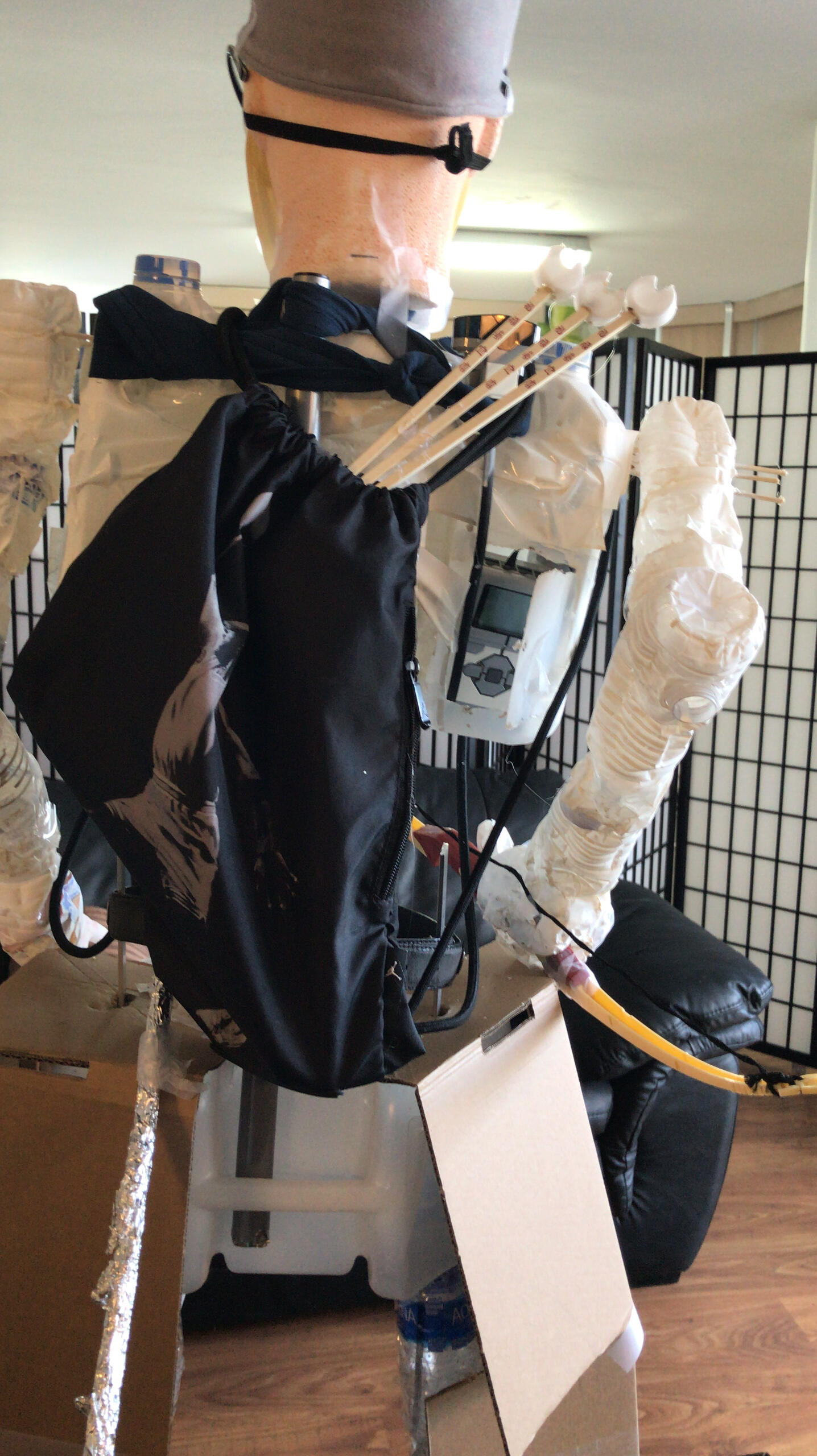
1st place winner in the art competition.
TEAM INERTIA
BROWARD COUNTY
2016-2017
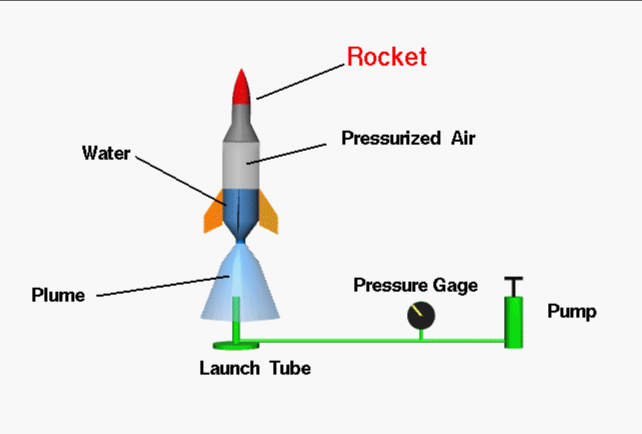
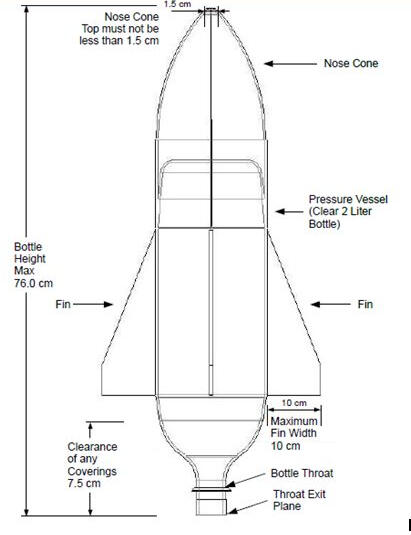
WATER BOTTLE ROCKET
Assisted in the design process of a water bottle rocket for competition.
TEAM INERTIA
BROWARD COUNTY
2016-2017
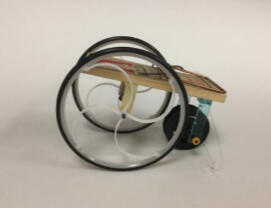
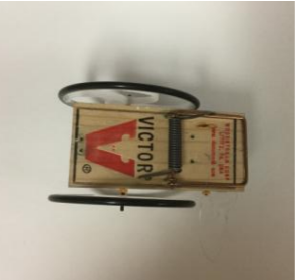
MOUSE TRAP CAR
Designed a mouse trap car with a junior high team for Broward SECME competitions.
TEAM INERTIA
BROWARD COUNTY
2016-2017
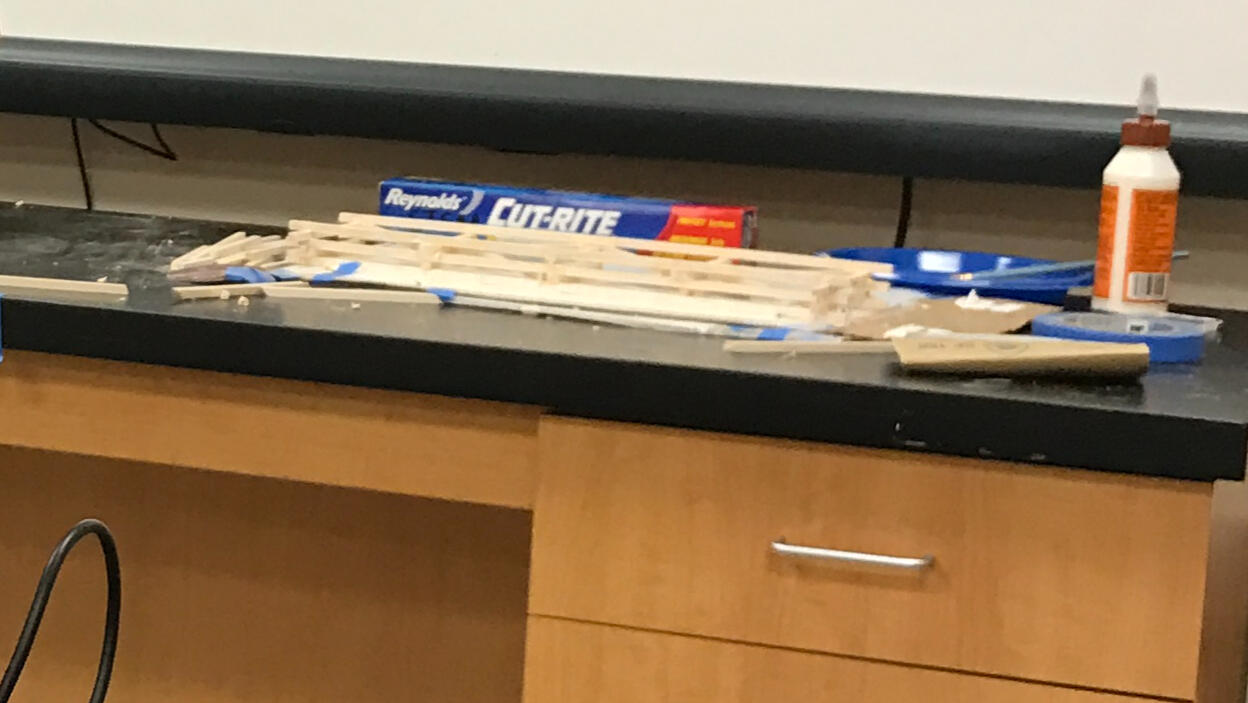
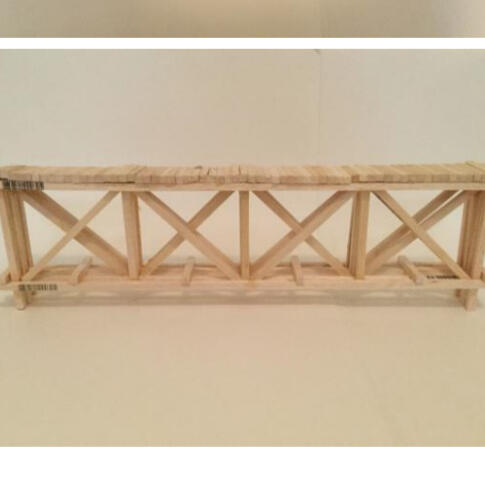
TRUSS BRIDGE
Assisted in the construction of a truss bridge for competition
TEAM INERTIA
BROWARD COUNTY
2016-2017
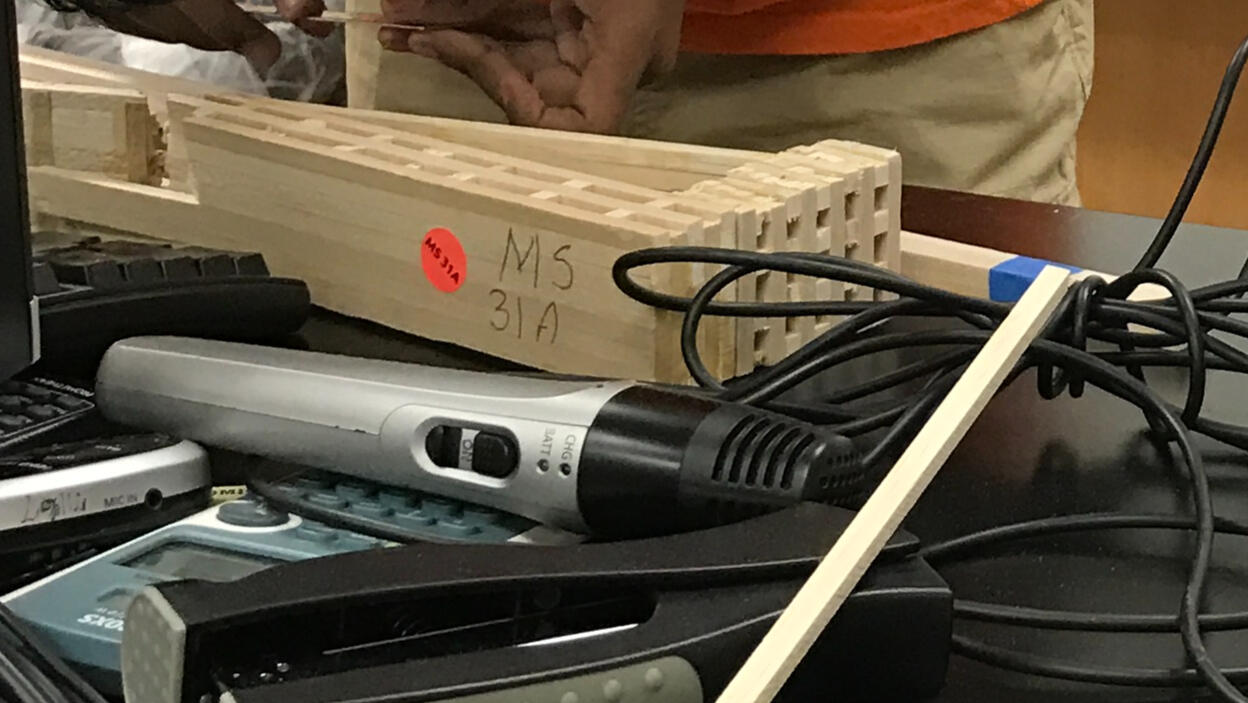
ARCH BRIDGE
The team designed and built an arch bridge for competition. Main contributor "Deepesh."
TEAM INERTIA
FPL Magnetic Generator
2016-2017
GENERATOR
Make a magnetic generator that would be powered by a jet stream of air with a given amount of copper and a limited amount of magnets. Team won 1st place in Junior High Competition.
NHD 2017
NATIONAL HISTORY DAY
2016-2017
SUPEREEVE
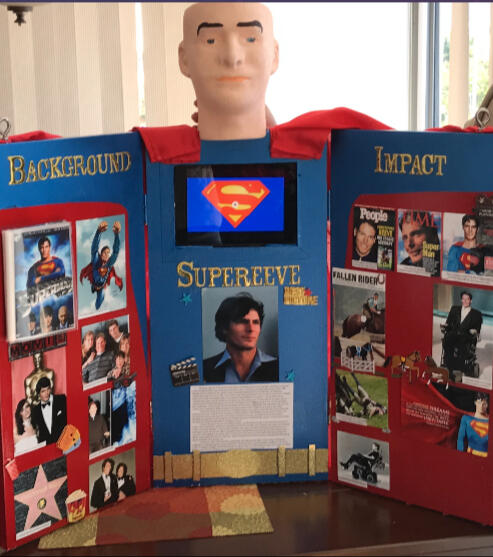
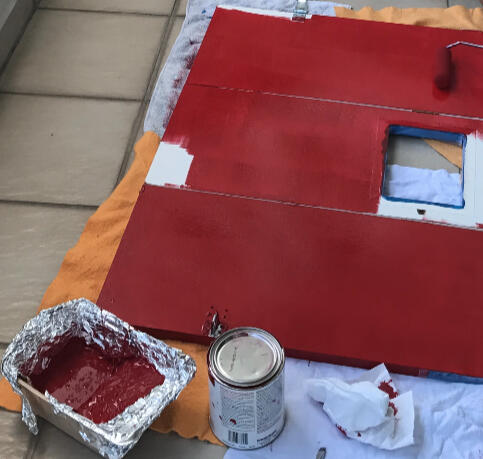
I wrote a research paper on the life of Christopher Reeve, the first actor of Superman for the National History Day competition. The following pictures are of my board used for presentation. The board had an ipad with a battery supply that would play a short continuous video about his life.
FASTEST-EV3-CAR
SIDE PROJECT 2017
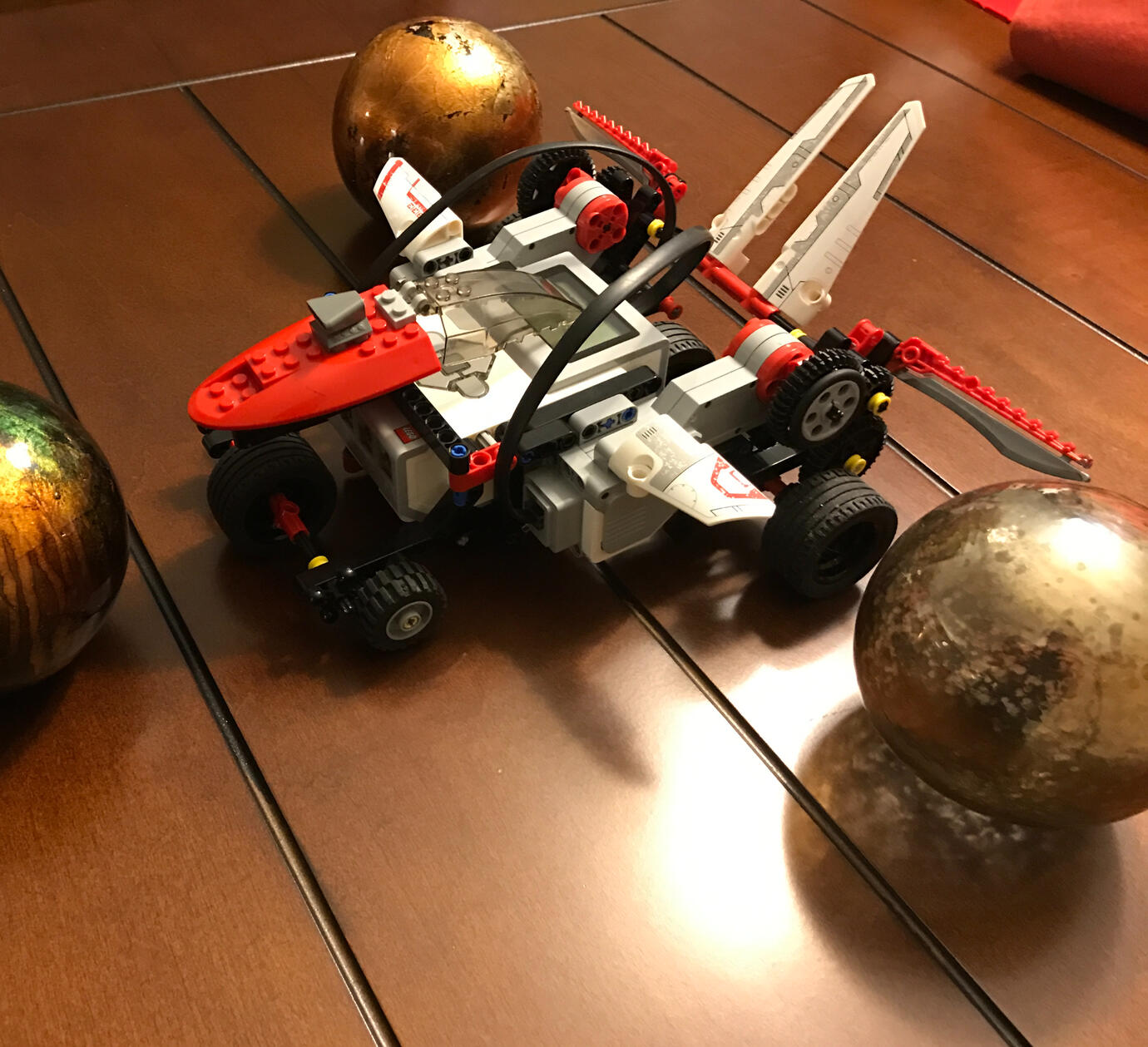
Attempted to create the fastest moving vehicle with the EV3 lego kit.
STEP-UP-APP
Feb - March 2020
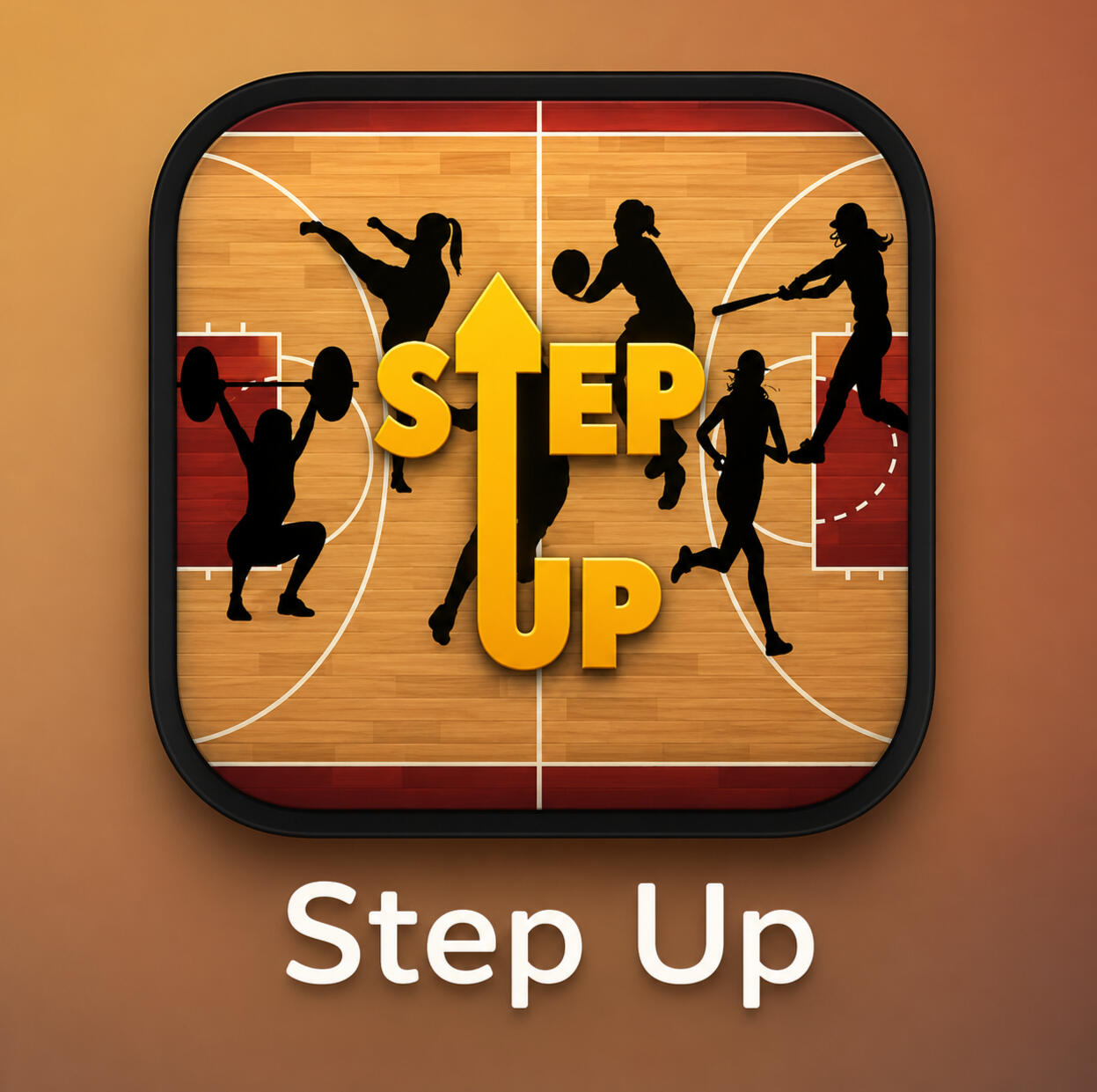
Worked on a team to design an App to encourage personal fitness with online competitive modes as well as social media motivation.
STAY HOME APP
March - April 2020
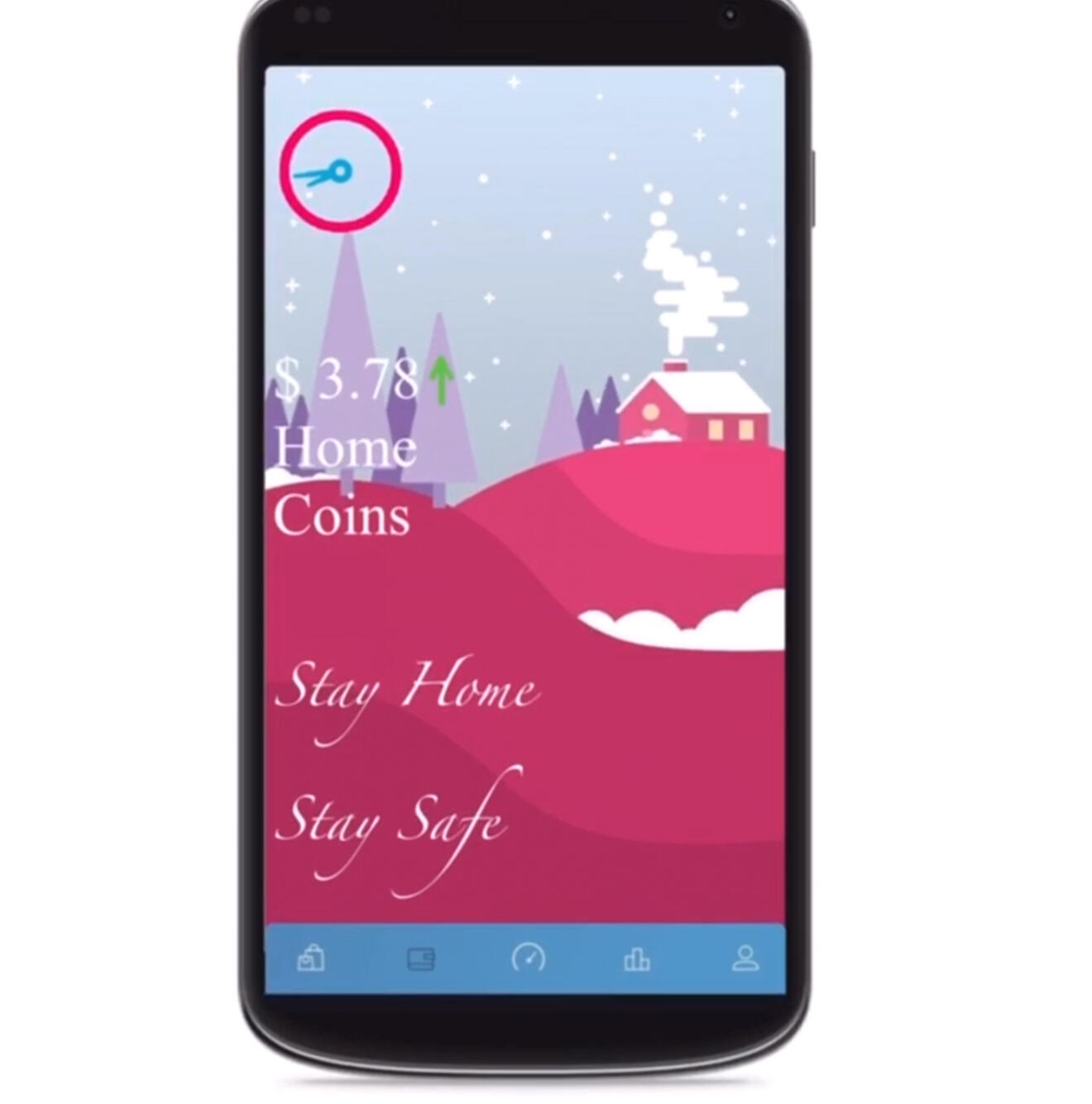
Worked on a team to design an app with the purpose of encouraging people to stay home during the pandemic lockdowns for an IBM pitch competition.

PRE-ENGINEERING
2019-2020
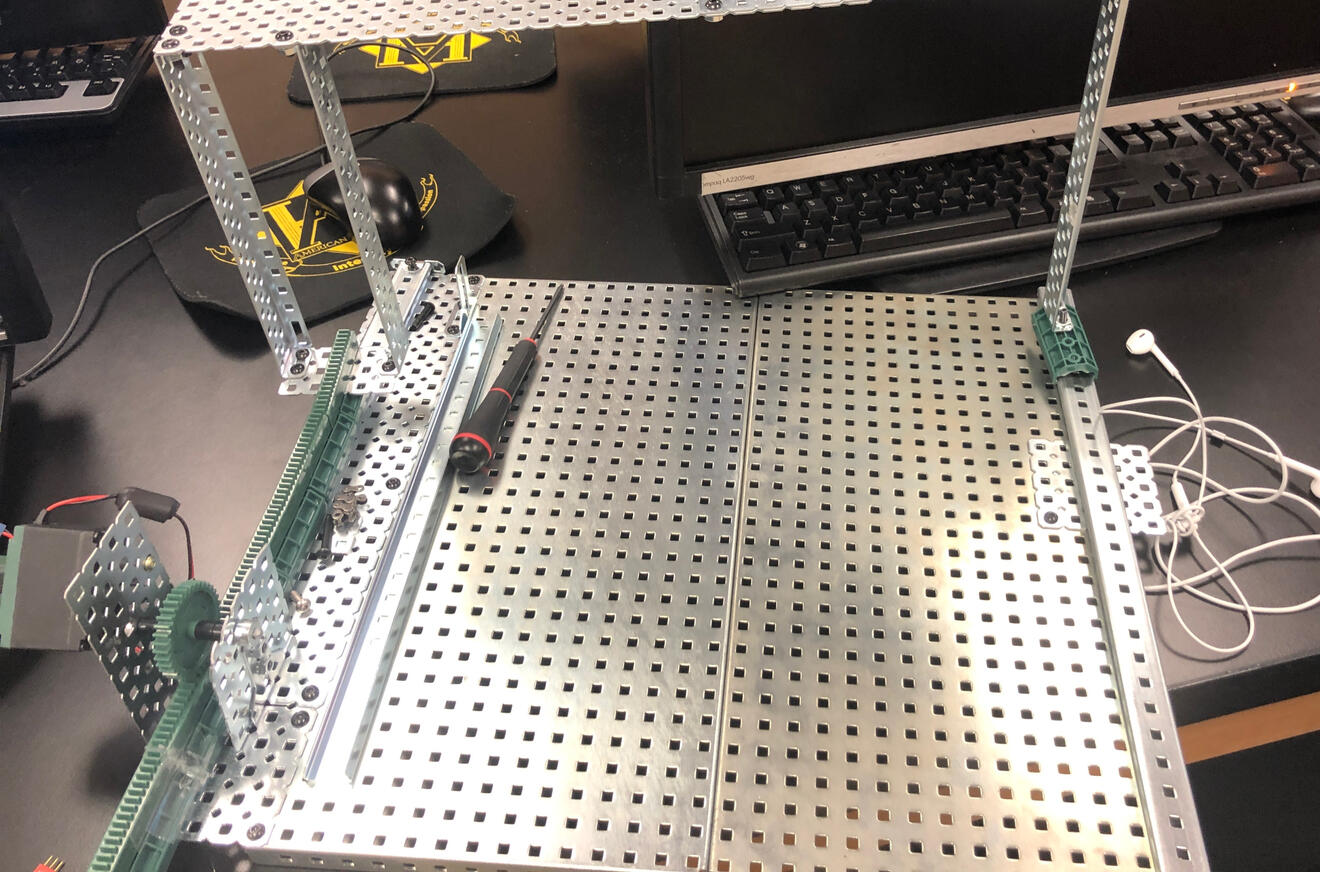
SIZE SORTING MACHINE
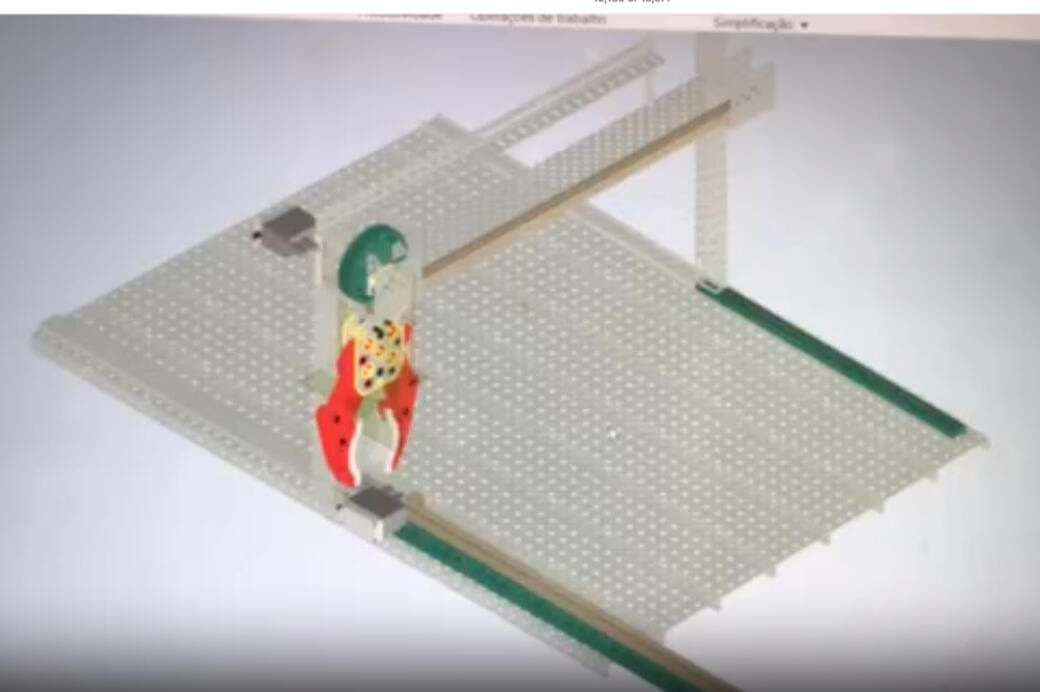
Designed a machine to play a game where it would need to sort blocks at a specific location.
NINJINEERS
FRC TEAM 2383
2018-2019
TIC TAC TOE GO
Designed a printable keychain to play tic tac toe. The goal was to sell them as means of acquiring funding for the team.
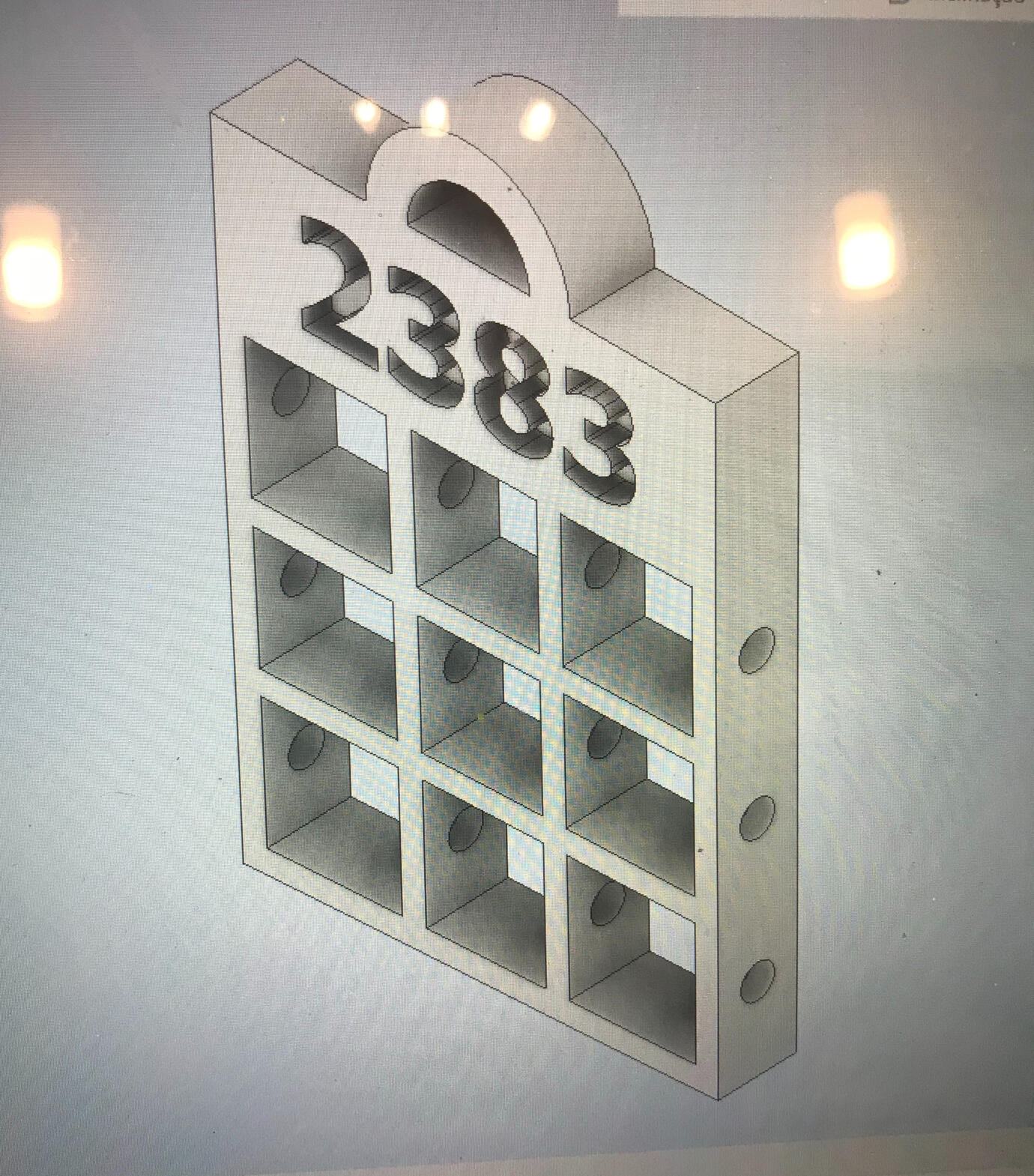
Blocks inside the main frame spin.
TEAM INERTIA
FPL Magnetic Generator
2019-2020
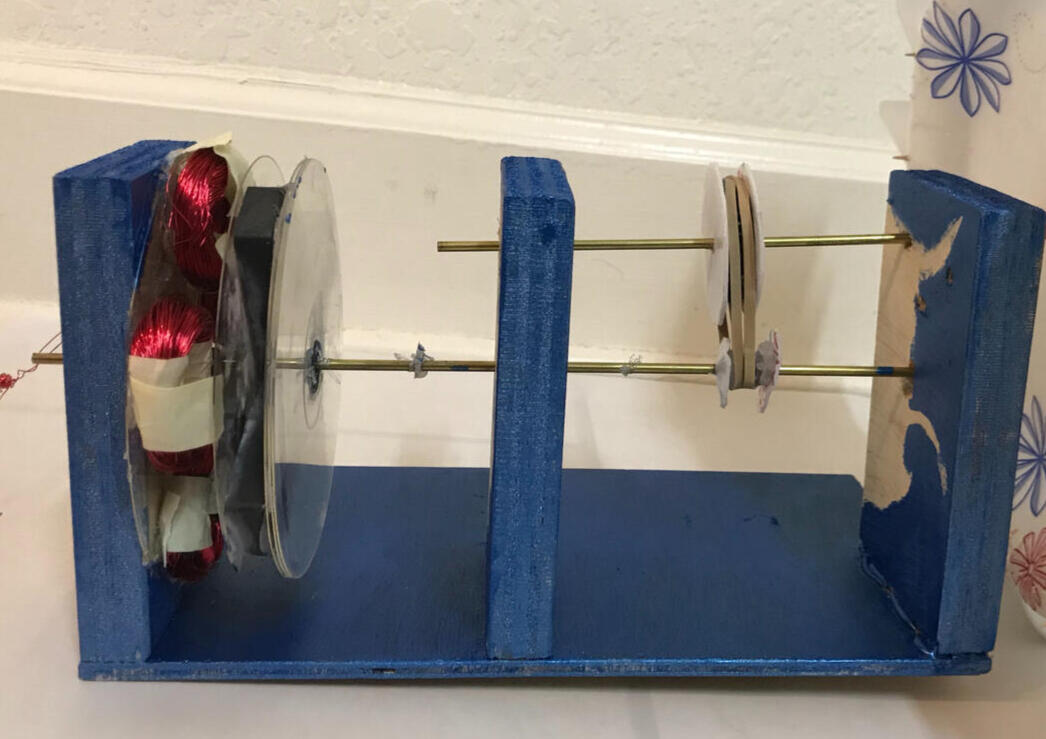
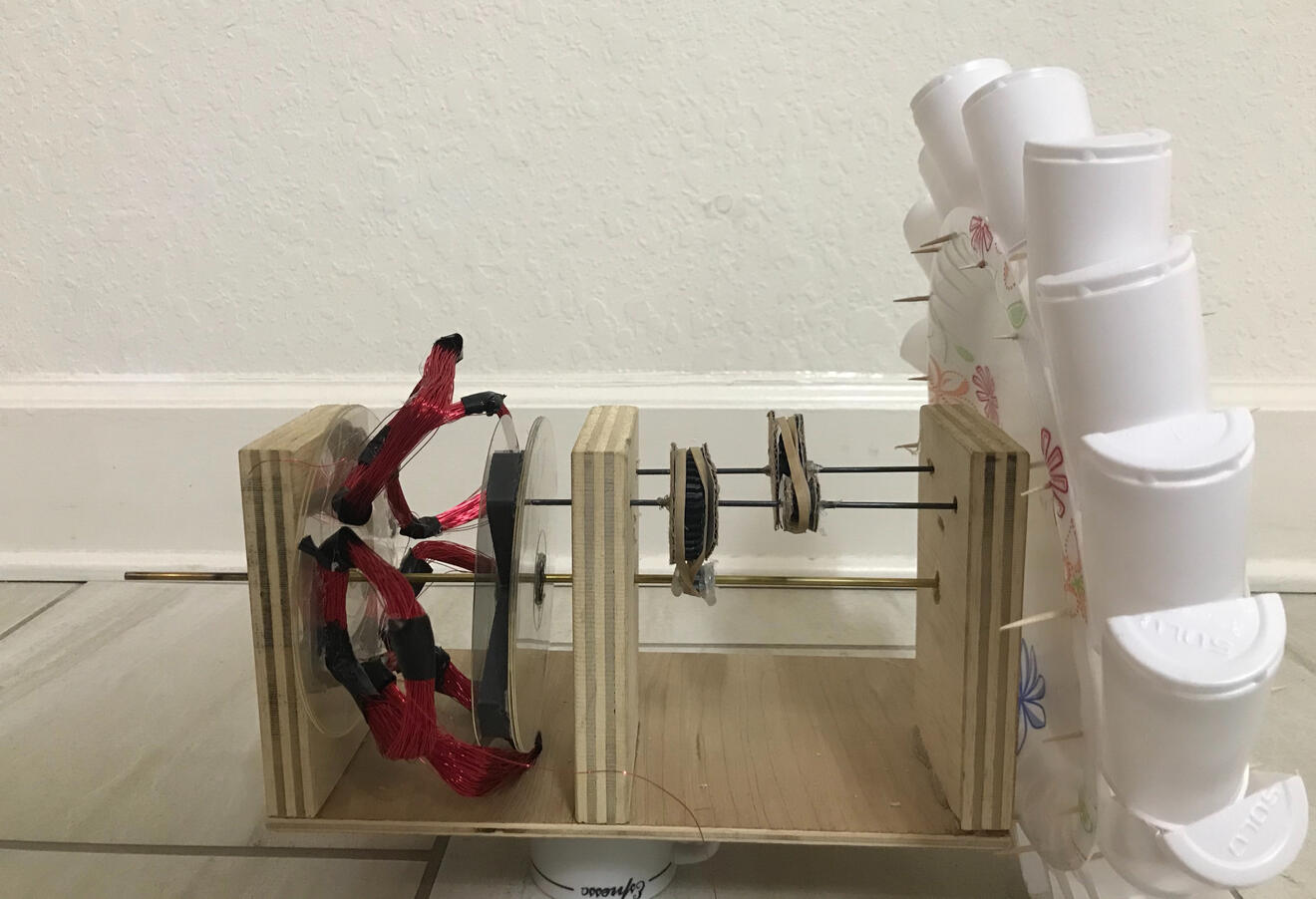
GENERATOR
Make a magnetic generator that would be powered by a flowing stream of water with a given amount of copper and a limited amount of magnets. A different Design was used for these models. Mostly for testing.
HIGHLIGHTS
This page illustrates some of my highlights!
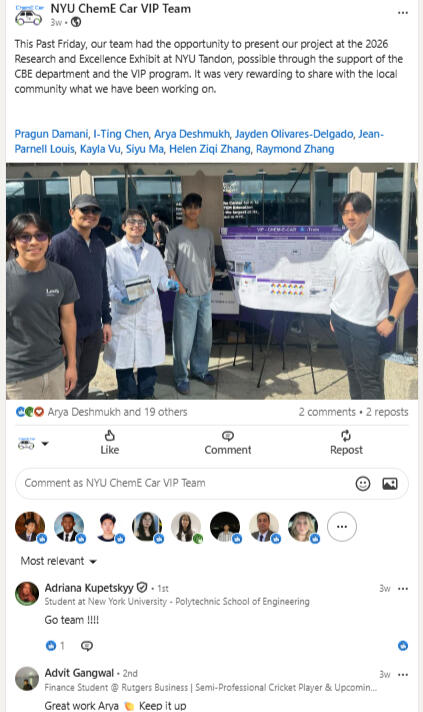
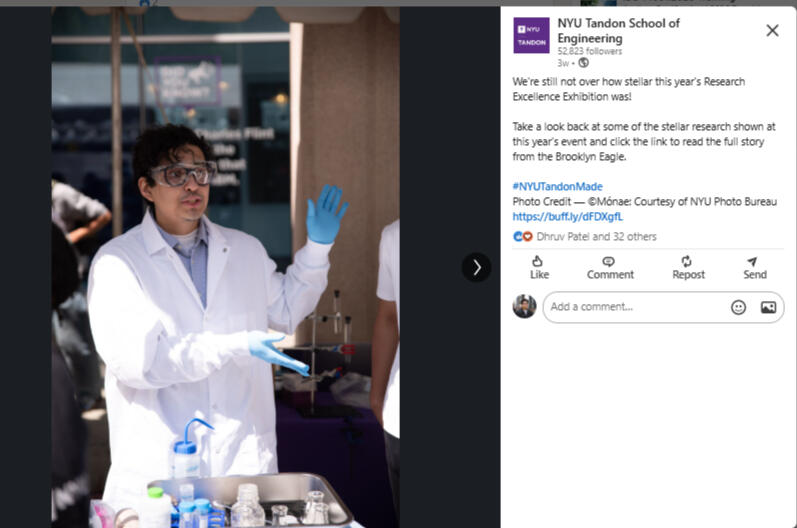
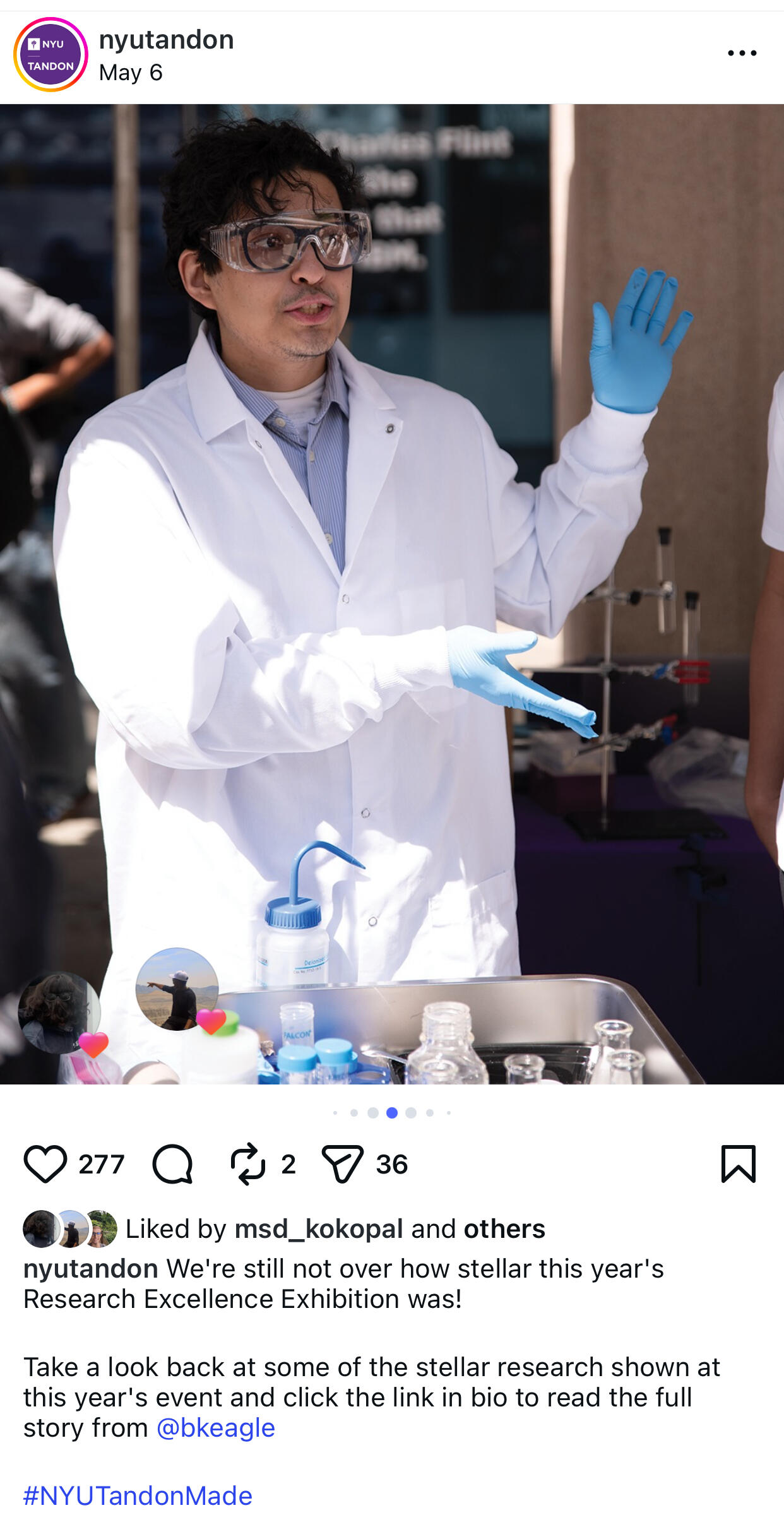
On April 14th, 2026 I was present at the 2026 Research Excellence Exhibit at NYU Tandon doing live demonstrations of basic chemical reactions involving fast electron donating reactions along with explaining what the NYU CHEM-E-CAR VIP TEAM is and how others can get involved.
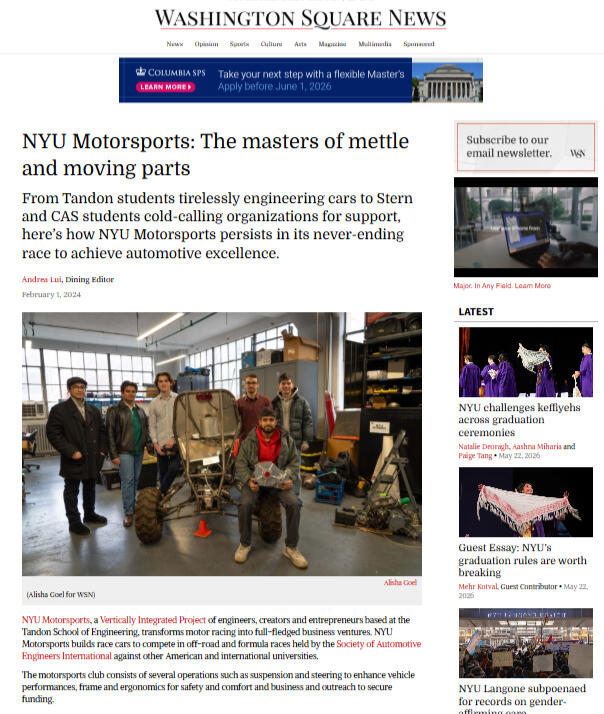
On February 1st, 2024 I conducted a tour around the NYU Maker Garage in Gold St, where the NYU Baja Motors Sports Team conducts its operations and provided an interview for the Washington Square news about the Electronics Subteam.
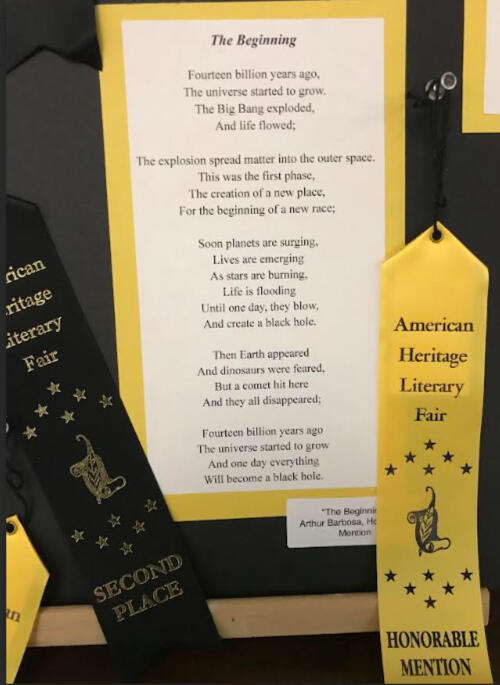
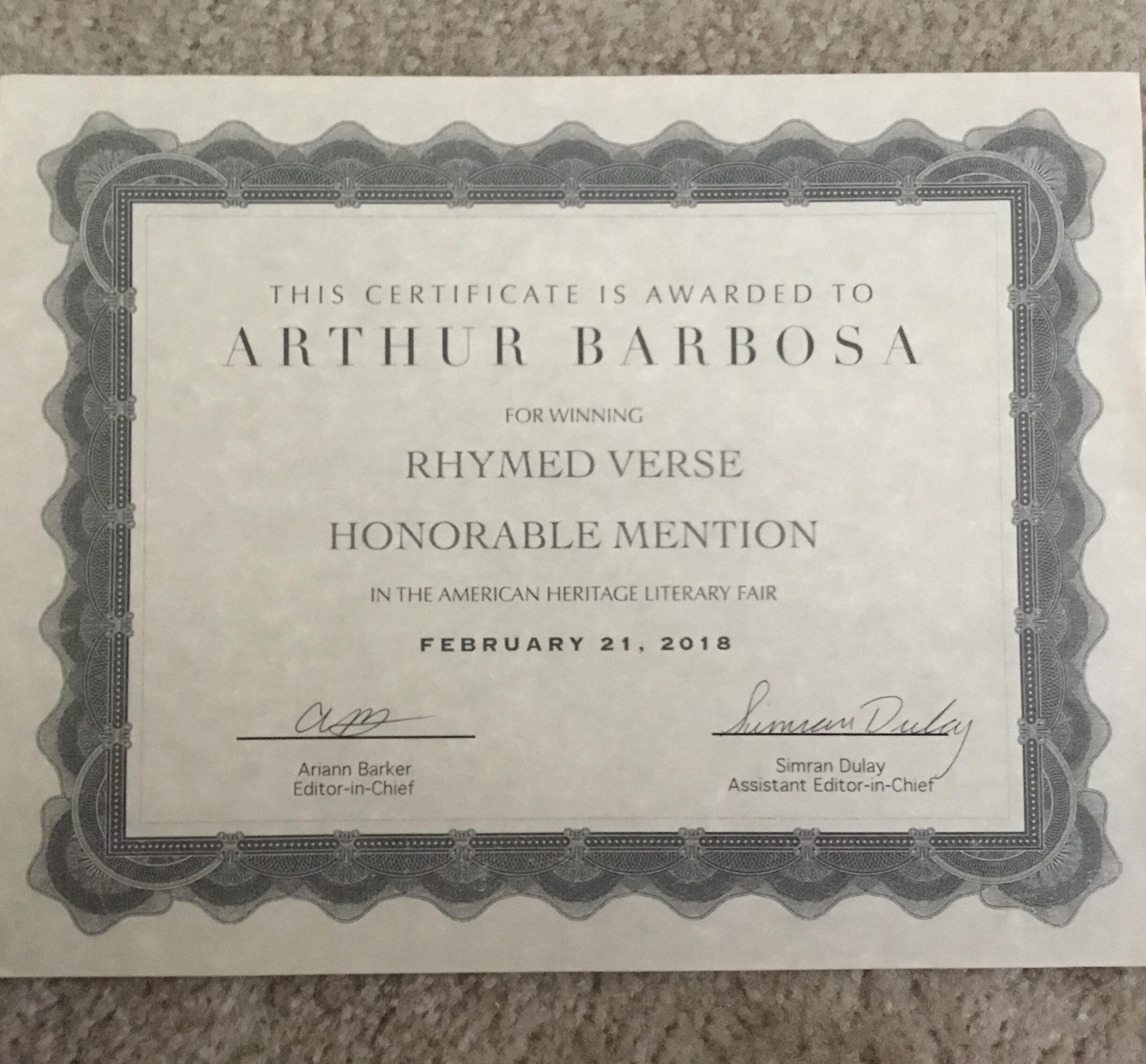
On February 1st, 2018 a poem I wrote received an honorable mention at American Heritage School's Literary Fair. The same poem was later published in the Teen Ink Magazine for that month.
EVENTS ATTENDED
This page illustrates some of the conferences and events I have been present in the past few years.
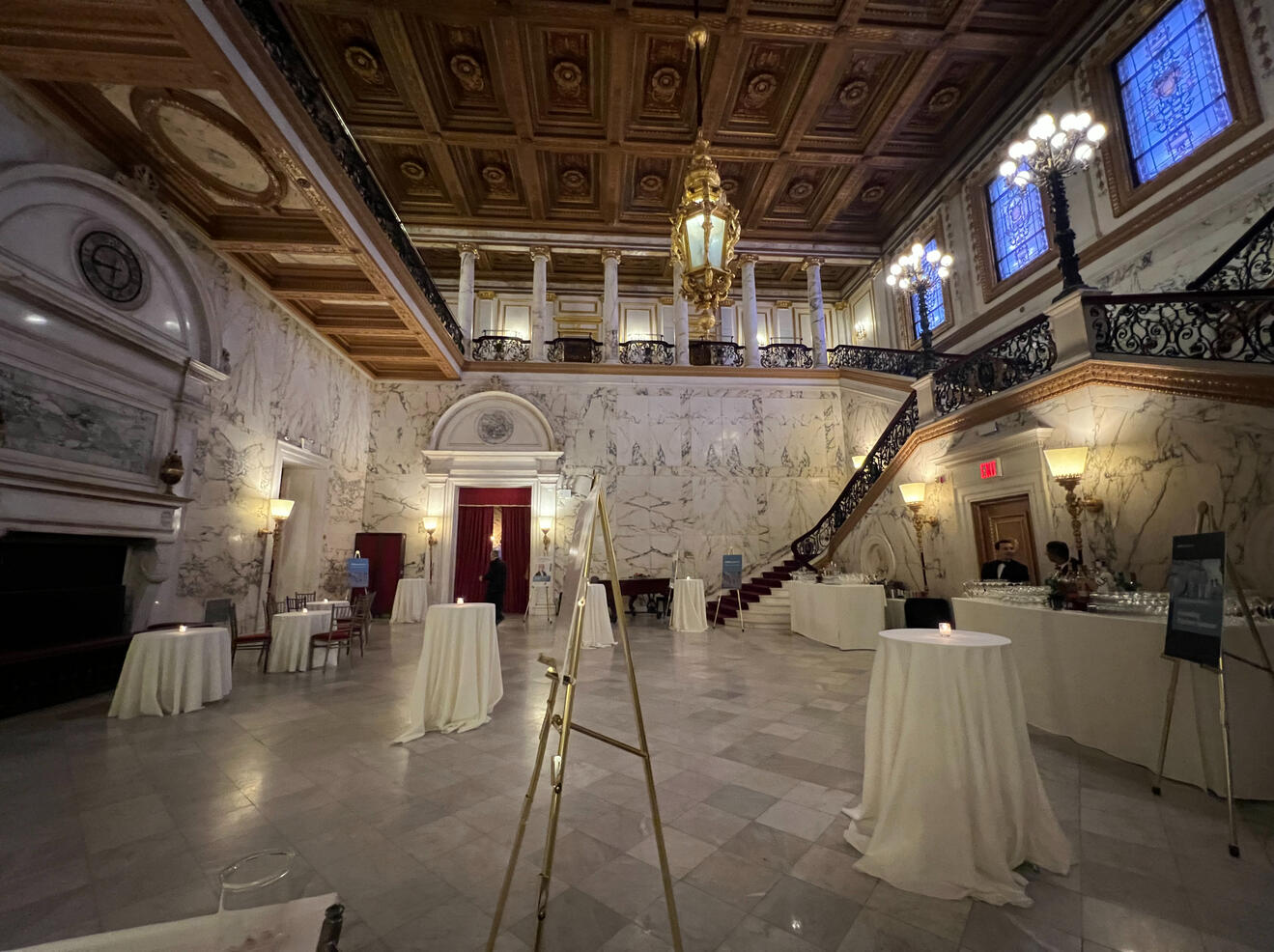

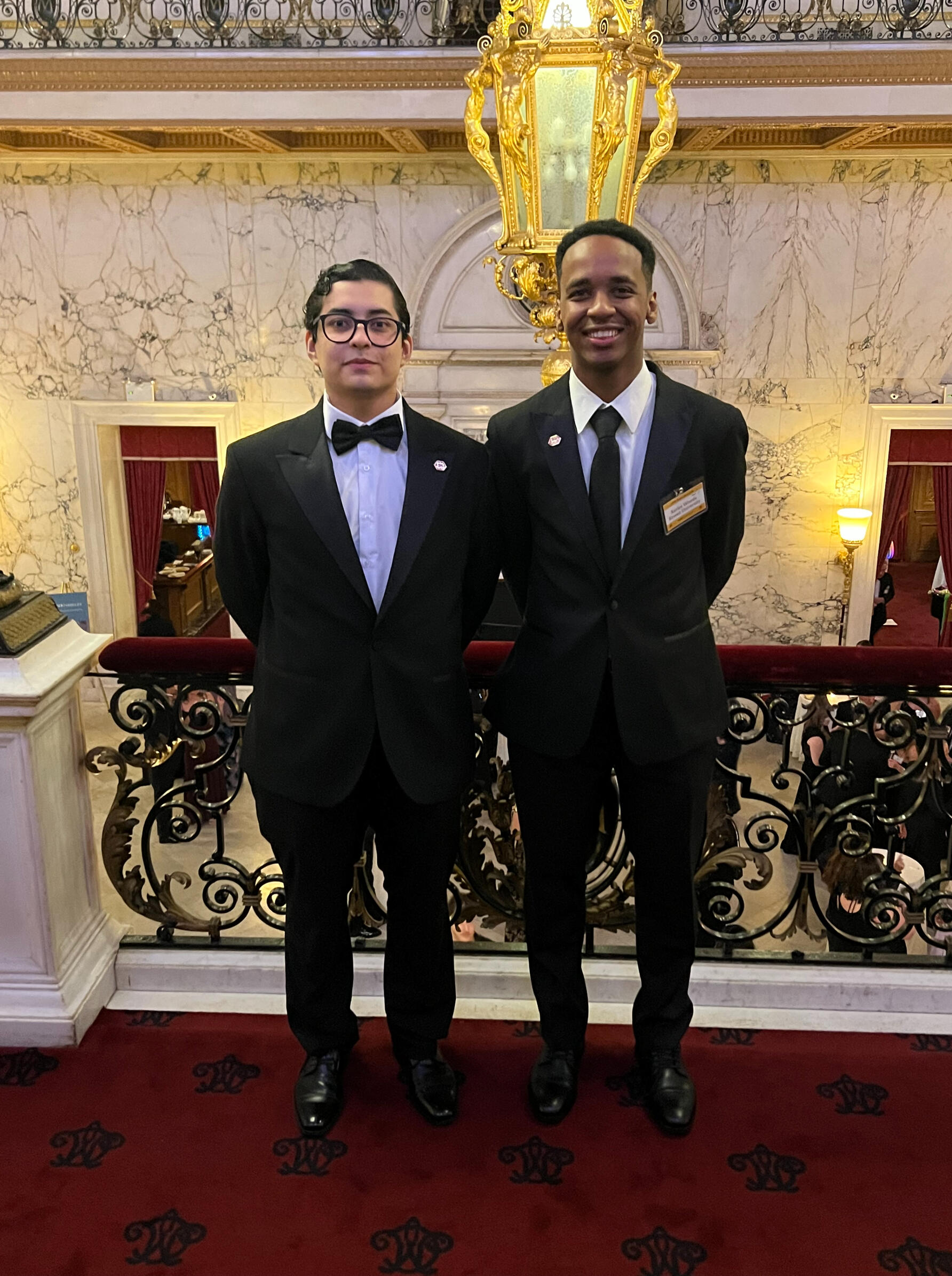
April 15th, 2026: Me? Again at the Kavaler Gala Award Ceremony! Thank you Dr. Rolland, Tommy, Kevin and the Chemist club chapter for another successful evening Congrats to Telly Zachariades for his achievements.
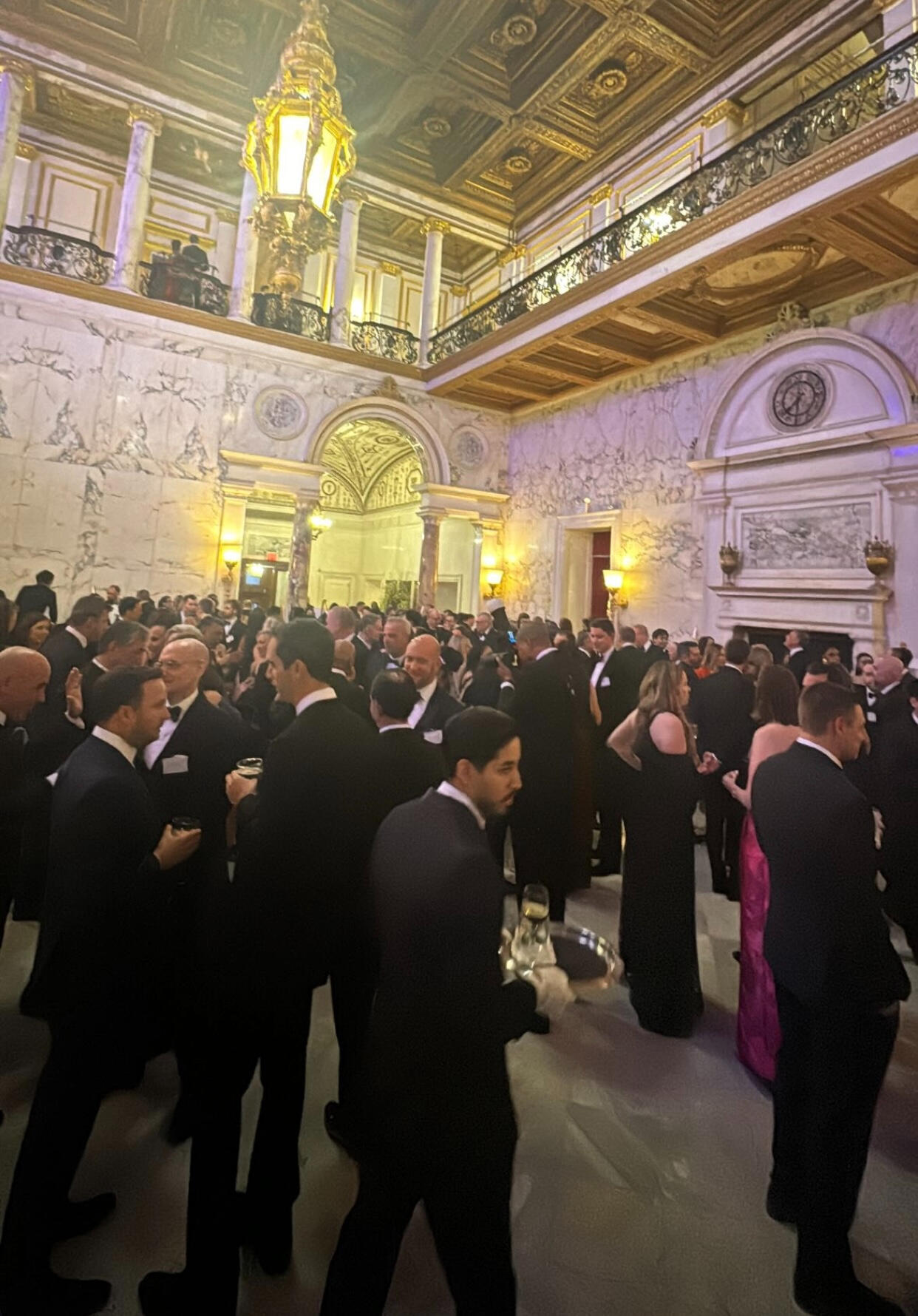
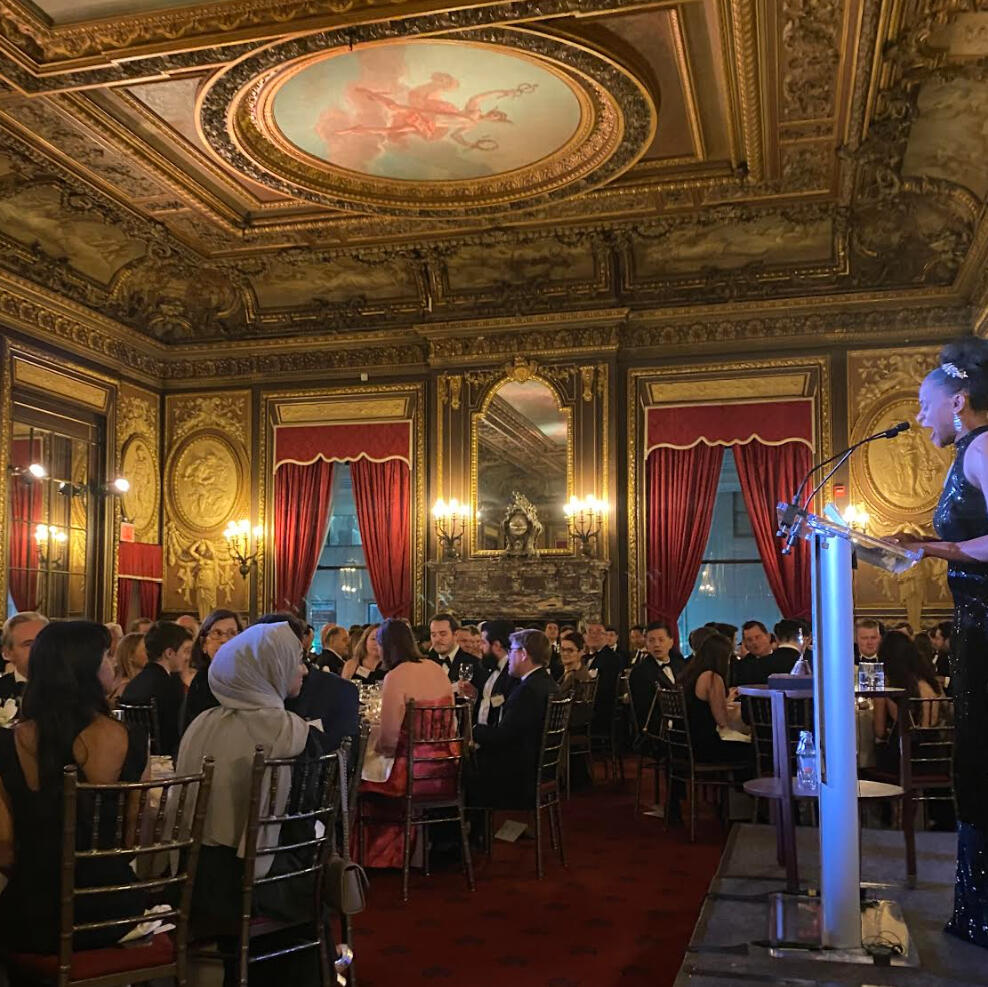
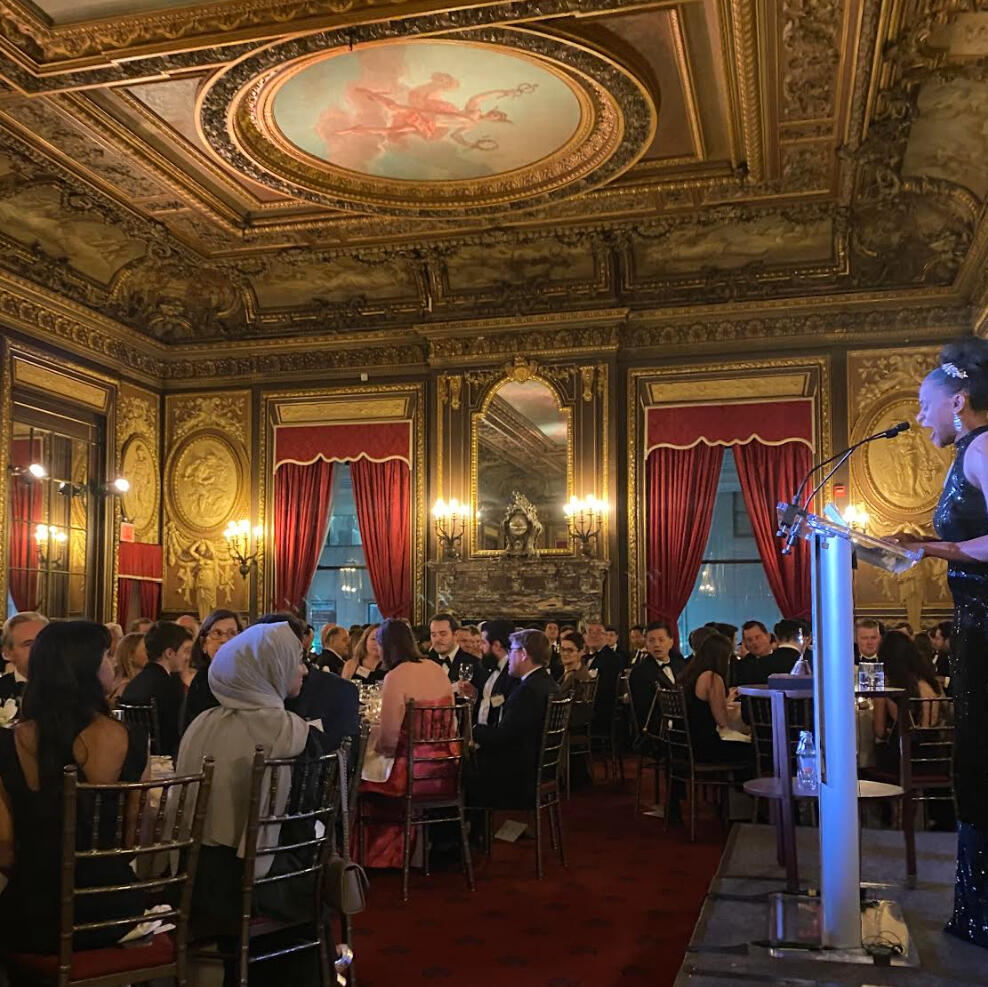
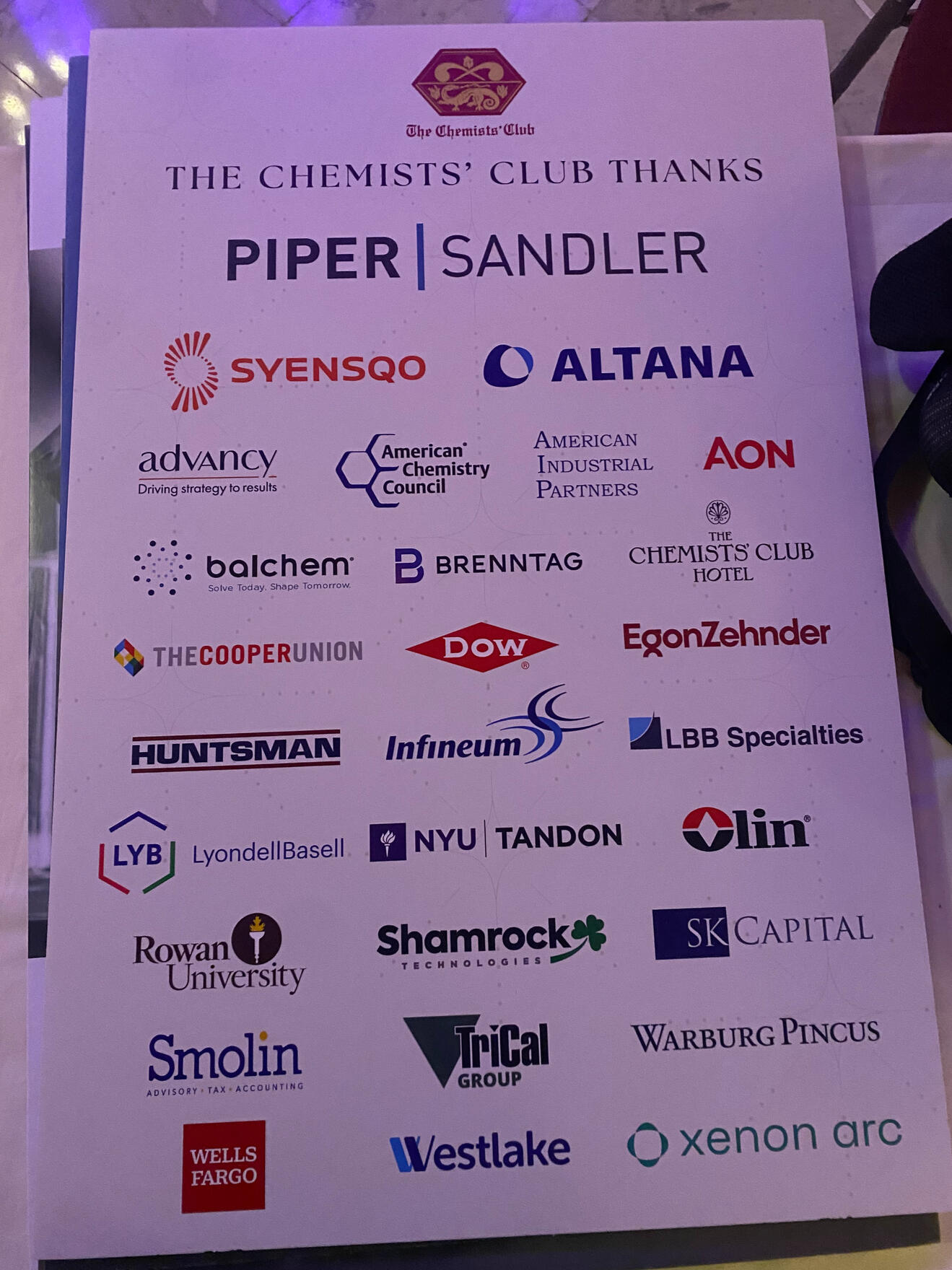

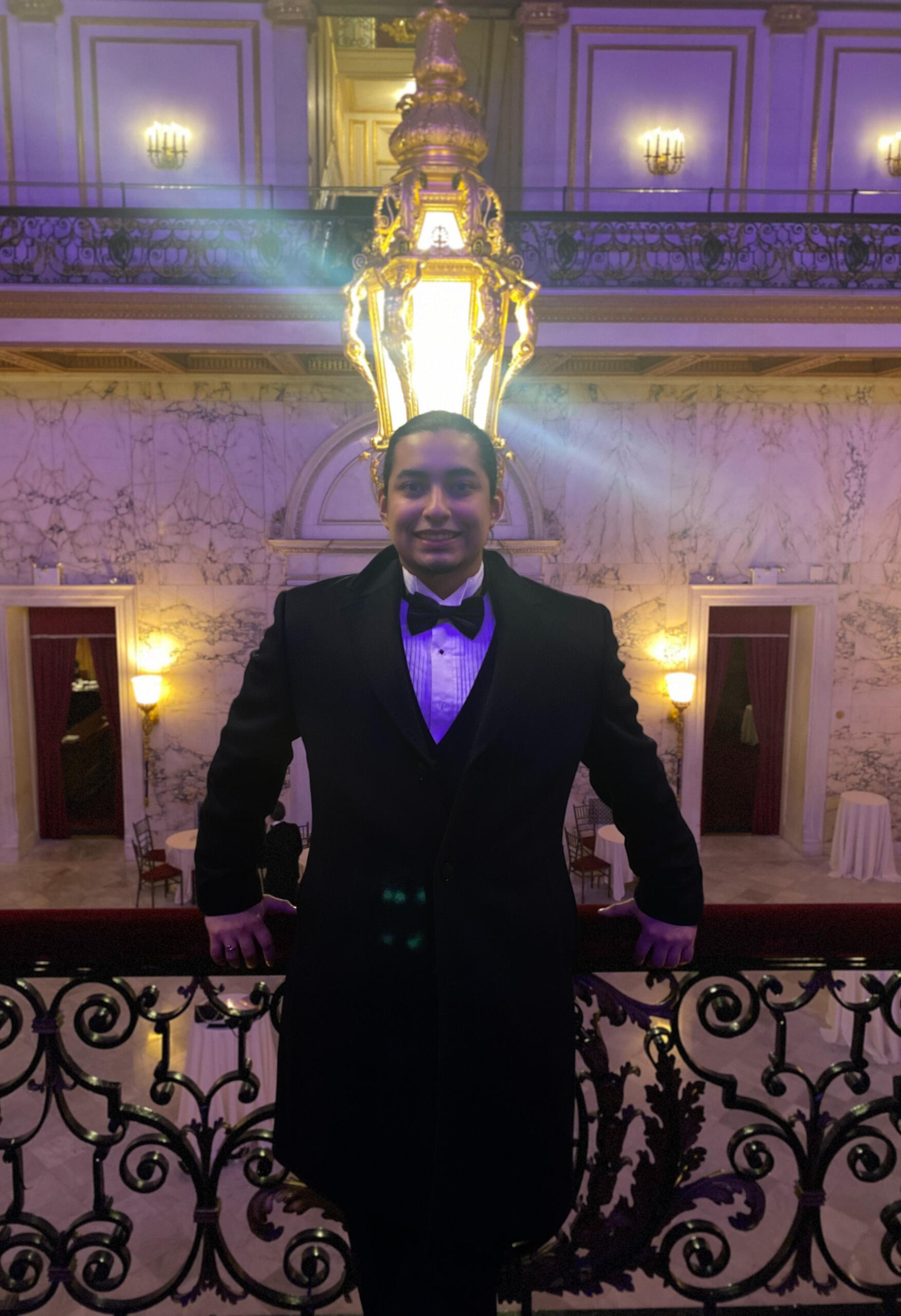
April 8th, 2025: What a fantastic evening at the Kavaler Gala Award Ceremony. Thank you Andrea and The Chemists Club for being such great hosts and Congrats to Dr. Ilham Kadri for her amazing achievements.
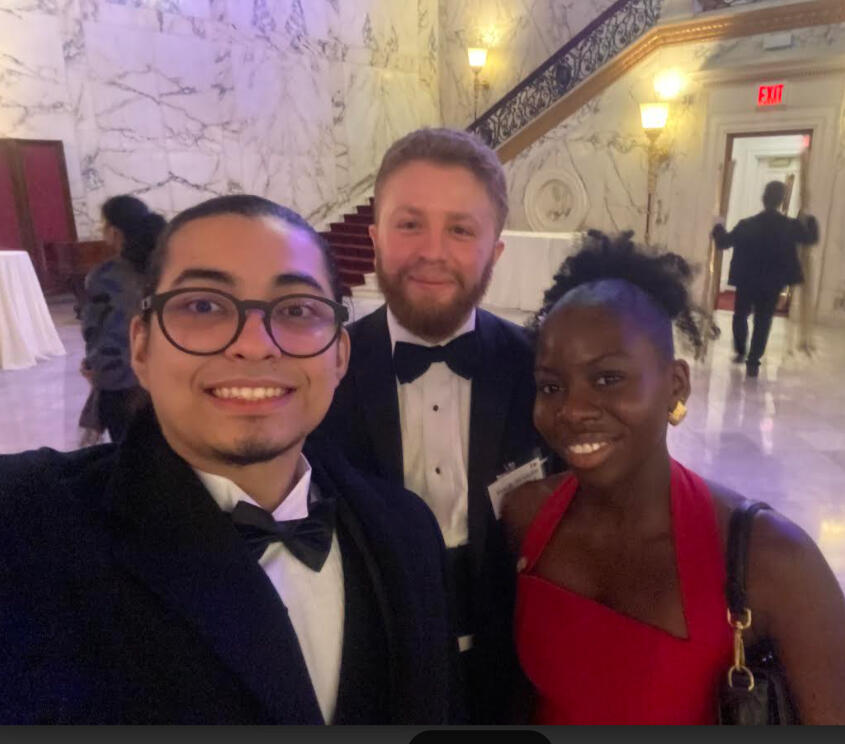
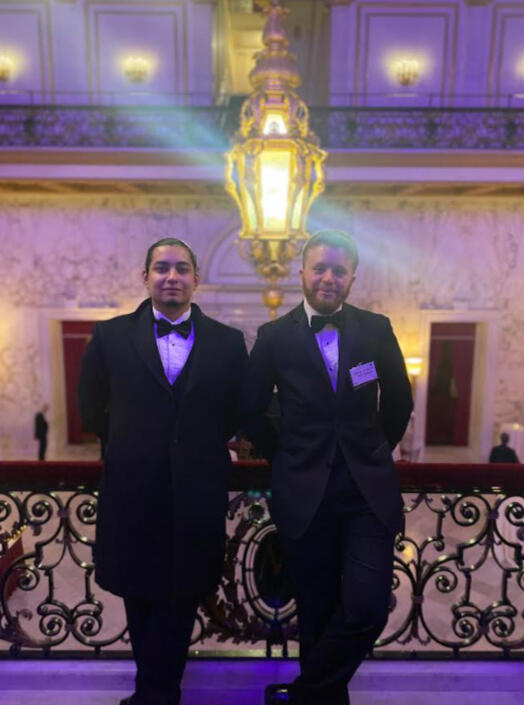
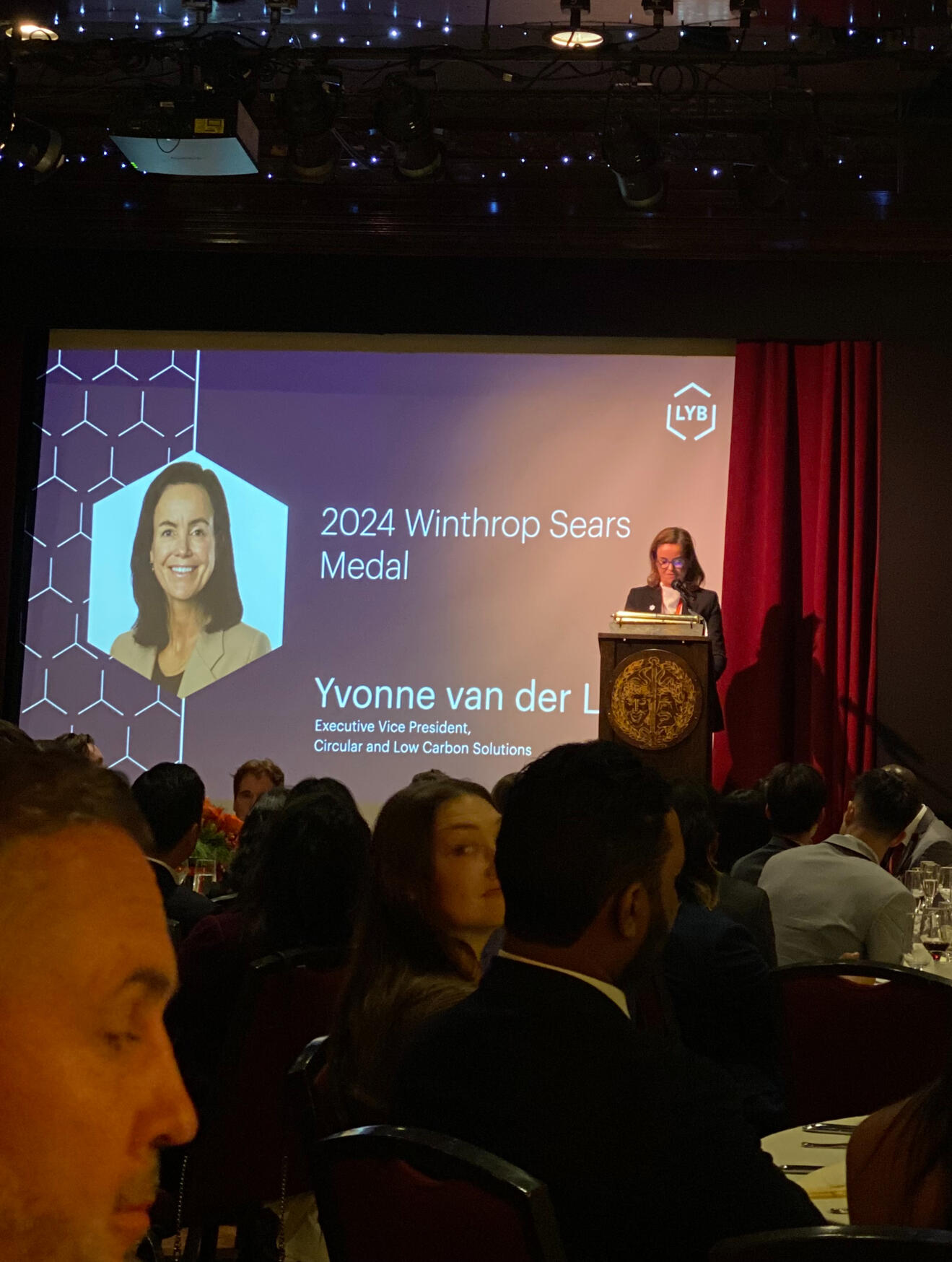
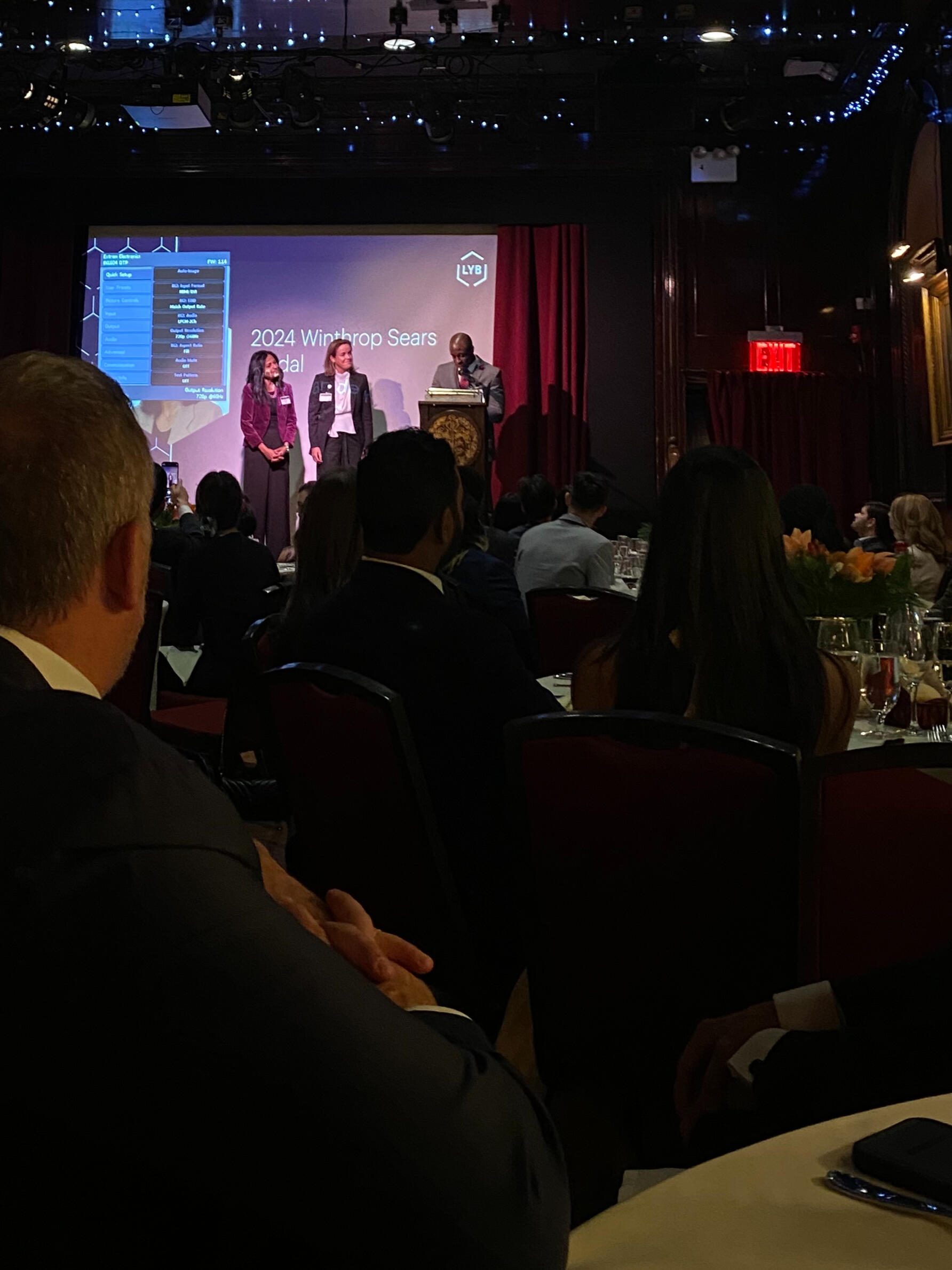

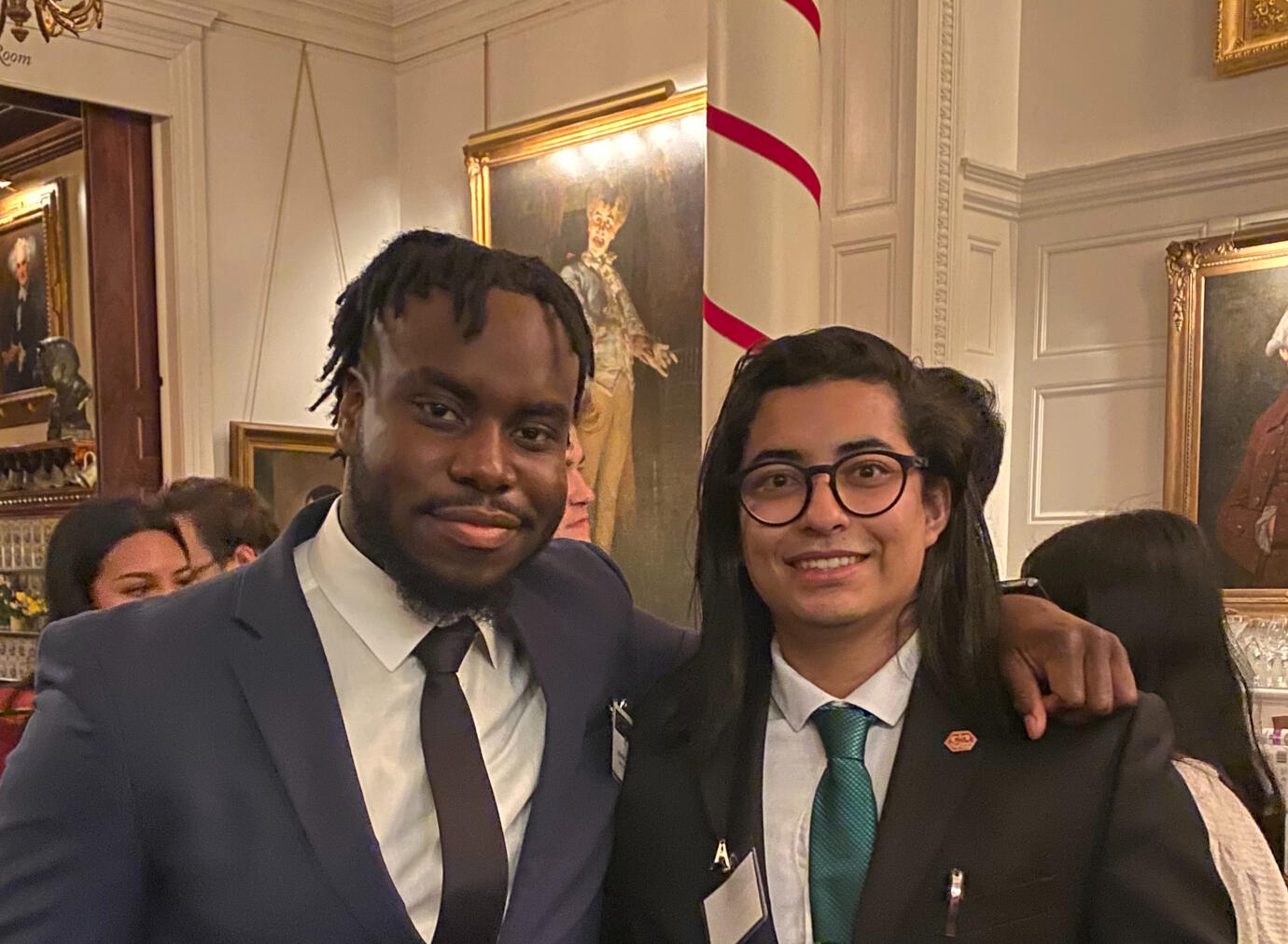
December 5th, 2024: What a fantastic evening at the Egg Nog Award Ceremony. Thank you Andrea and The Chemists Club for being such great hosts and Congrats to Dr. Yvonne Van de Laan for her fantastic achievements.
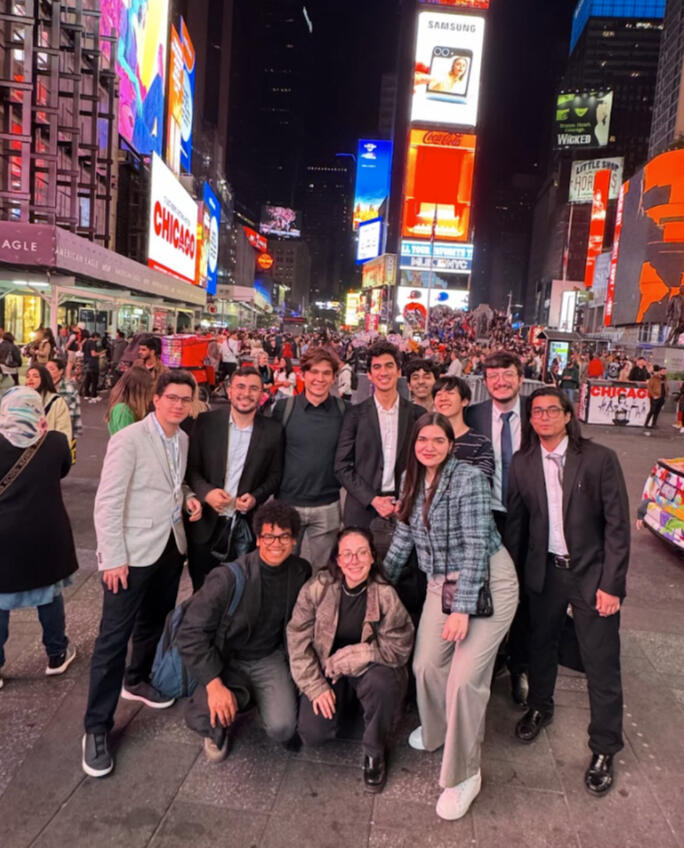
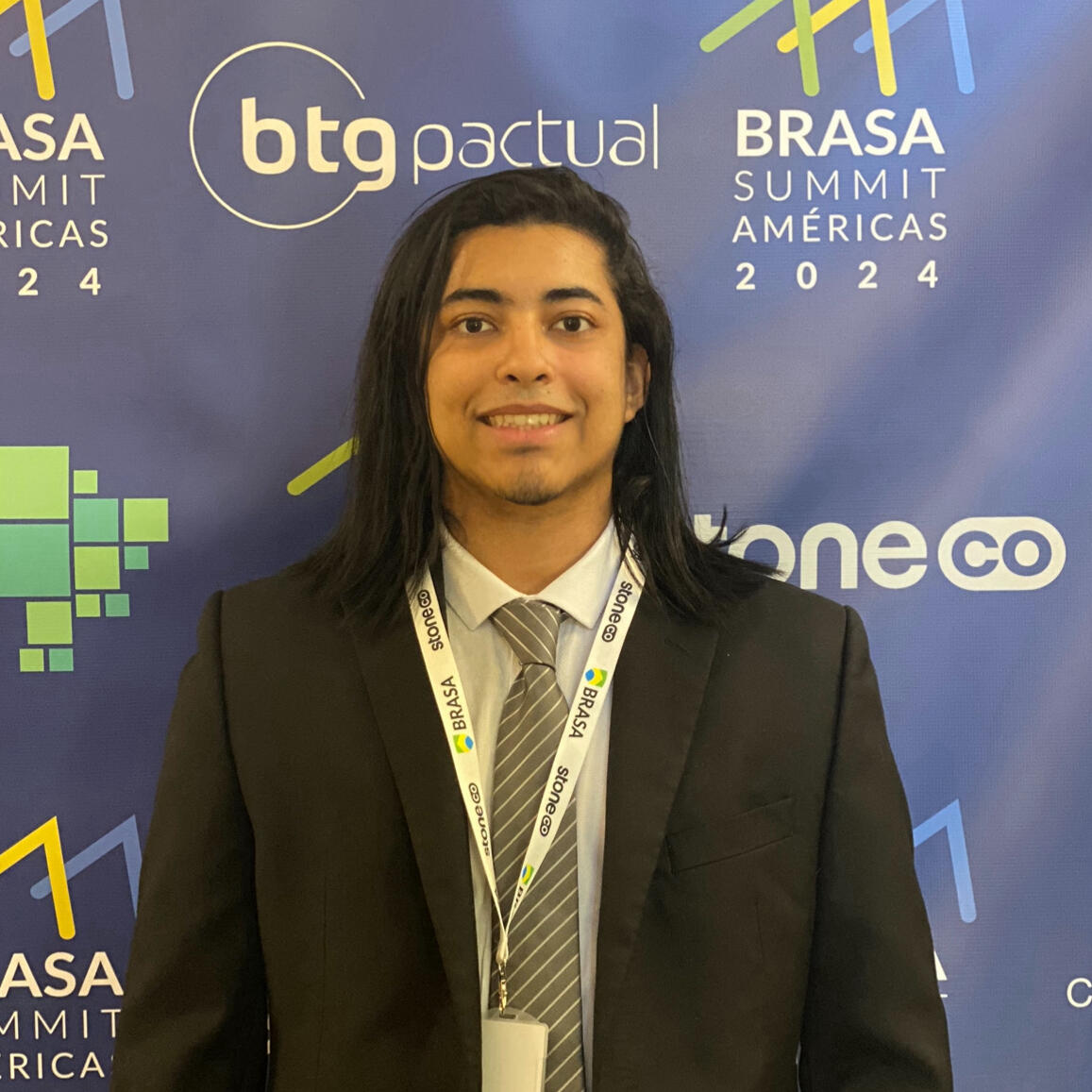
From Oct 19th till Oct 21st I had the opportunity to once again attend the BRASA SUMMIT AMERICAS. A joyful time with guest speakers, friends and workshops. 2025.
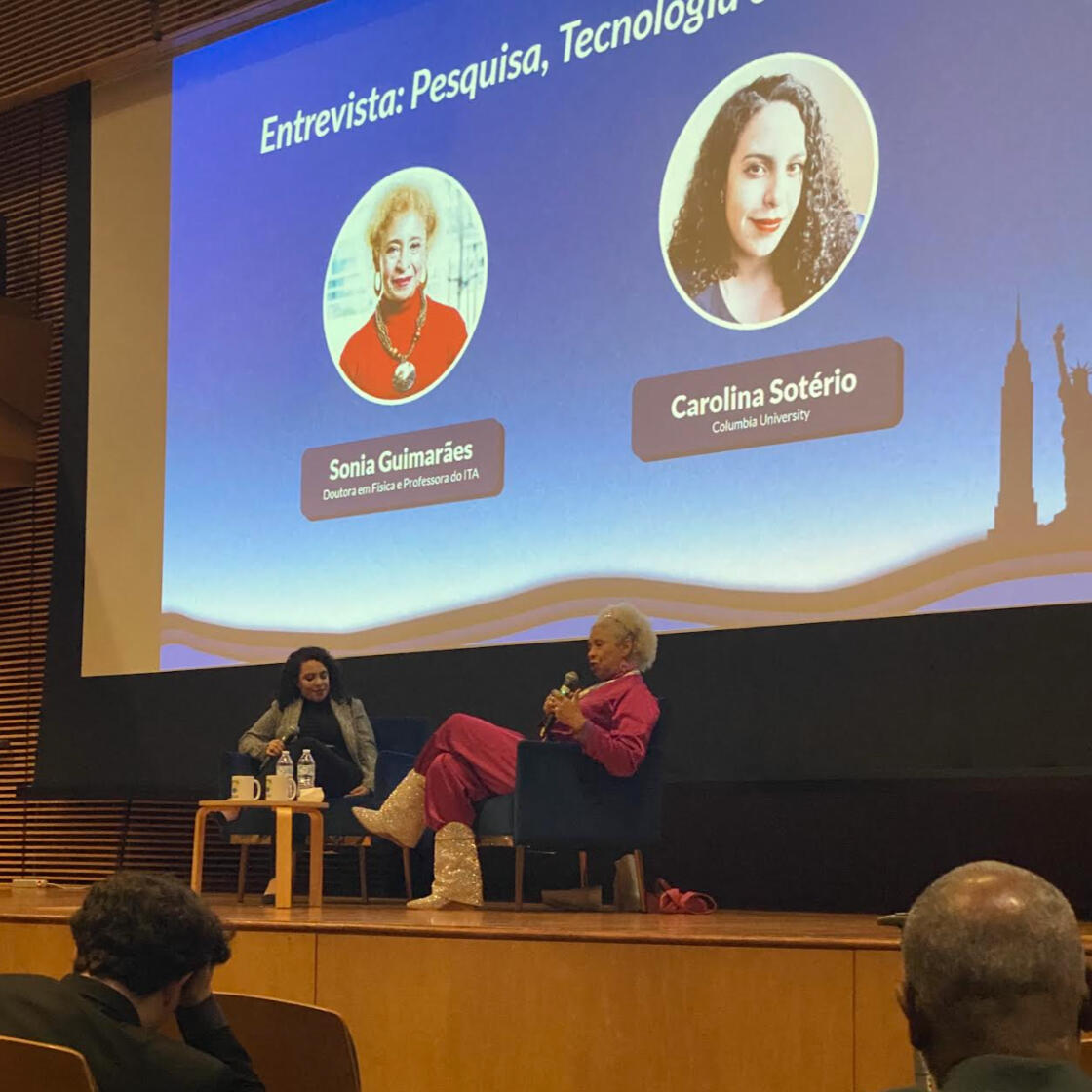
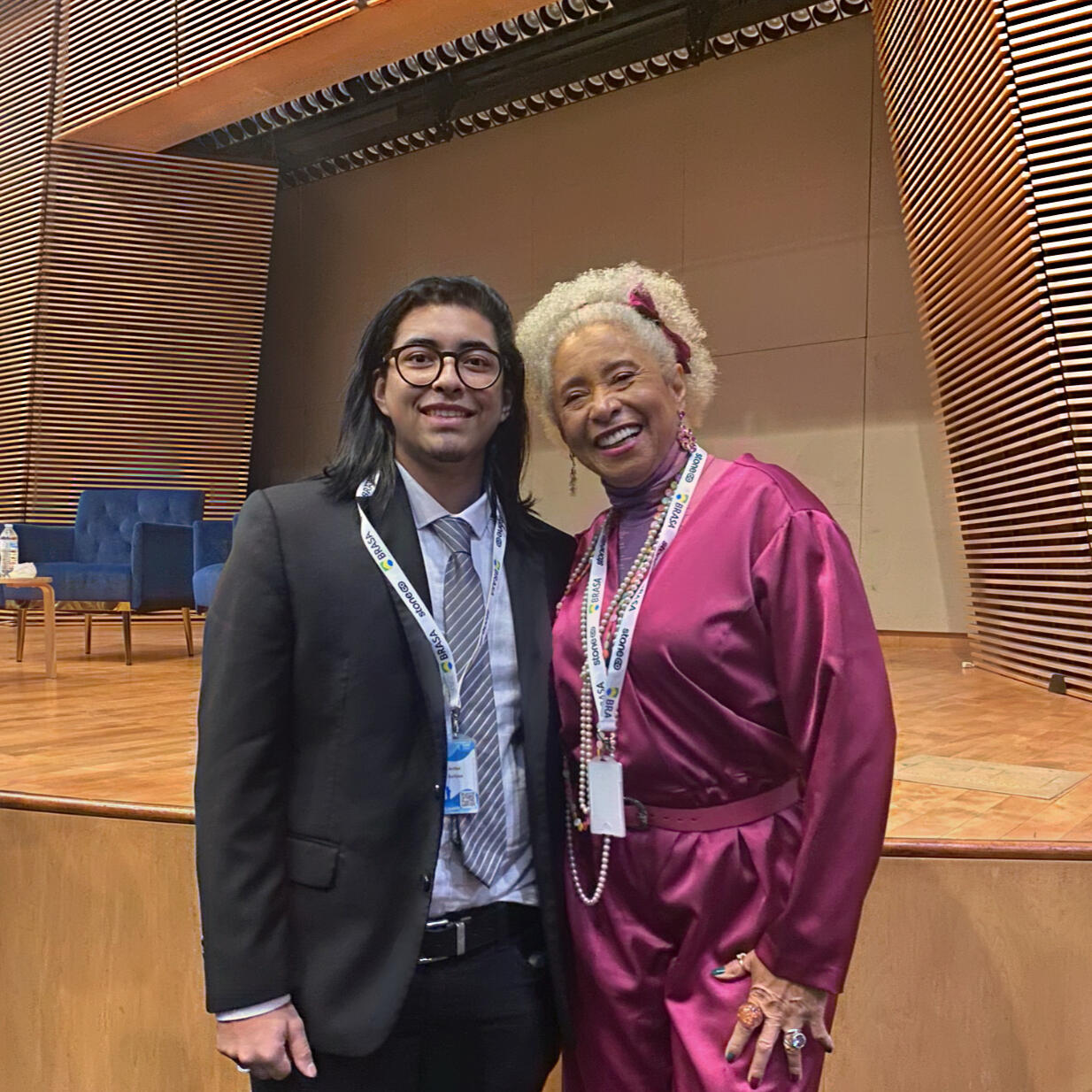
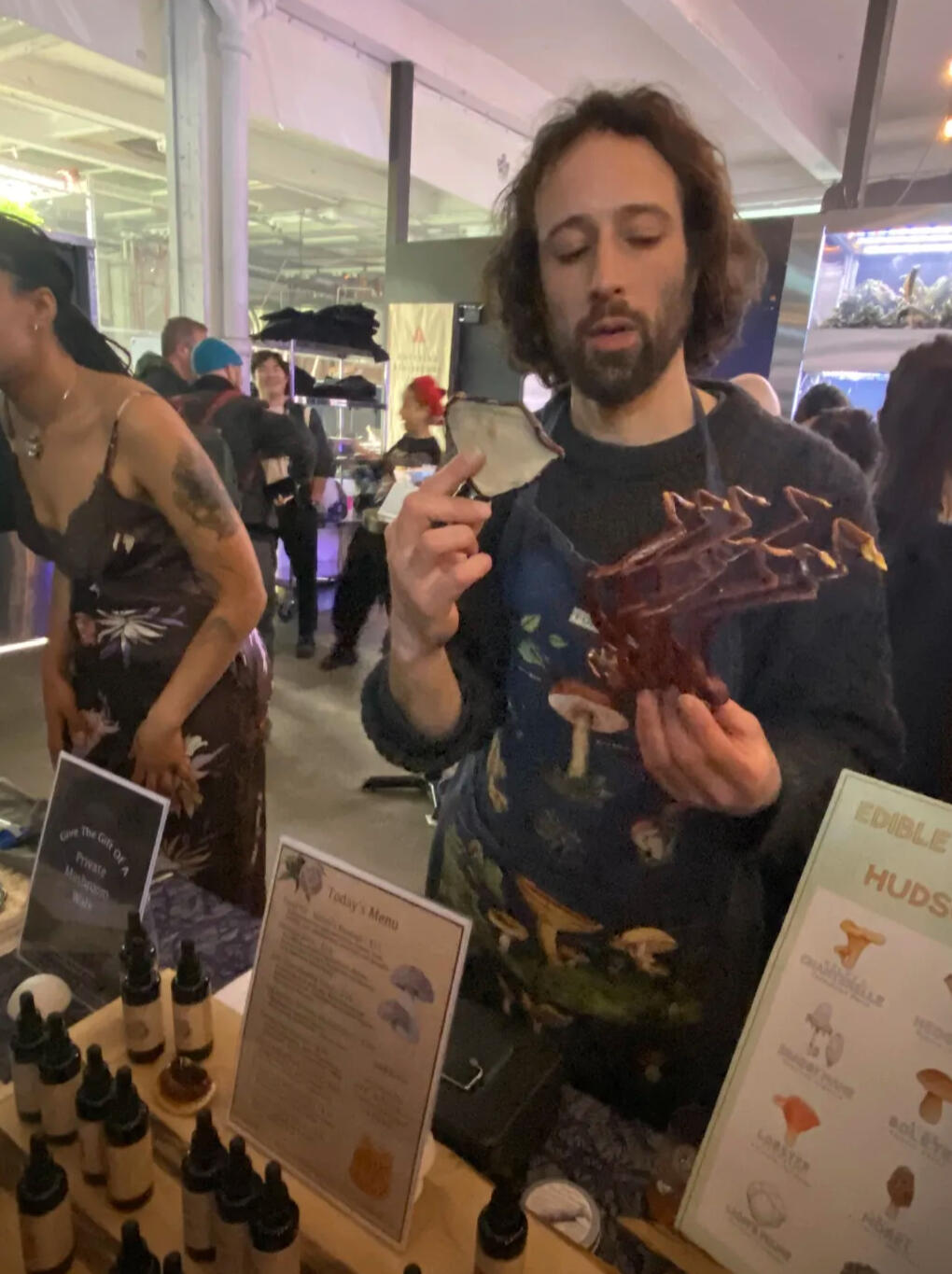
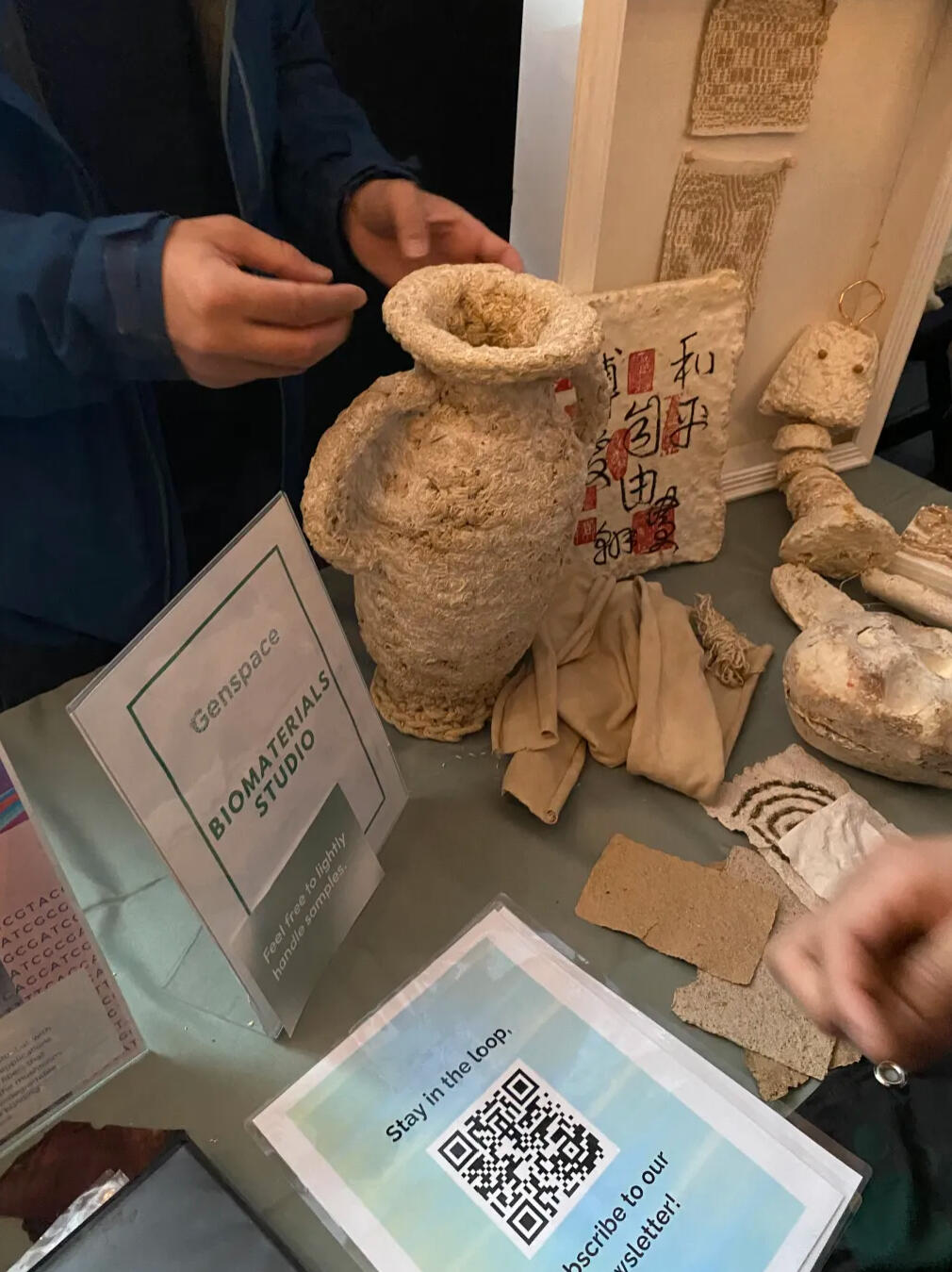
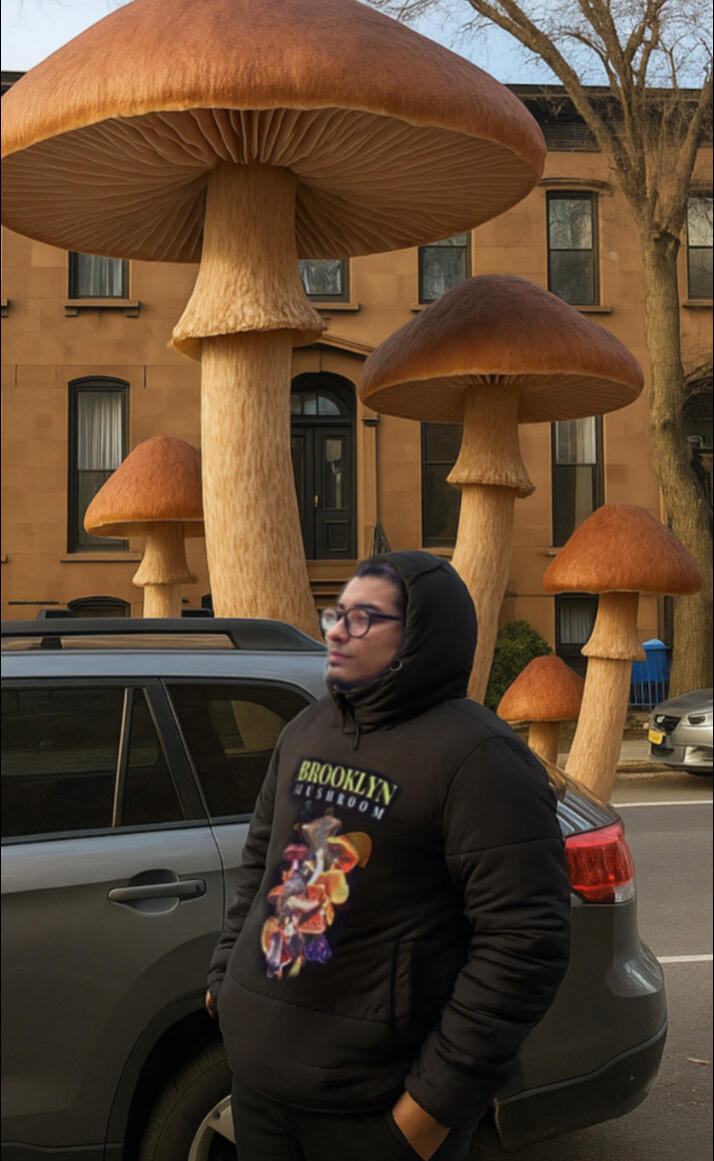
On March 1st, 2025 I had the amazing opportunity to attend the Fungi Festival 2025! It was a lot of fun! I ate a variety of dishes with different types of mushrooms, they were delicious and learned about mushroom bio art.
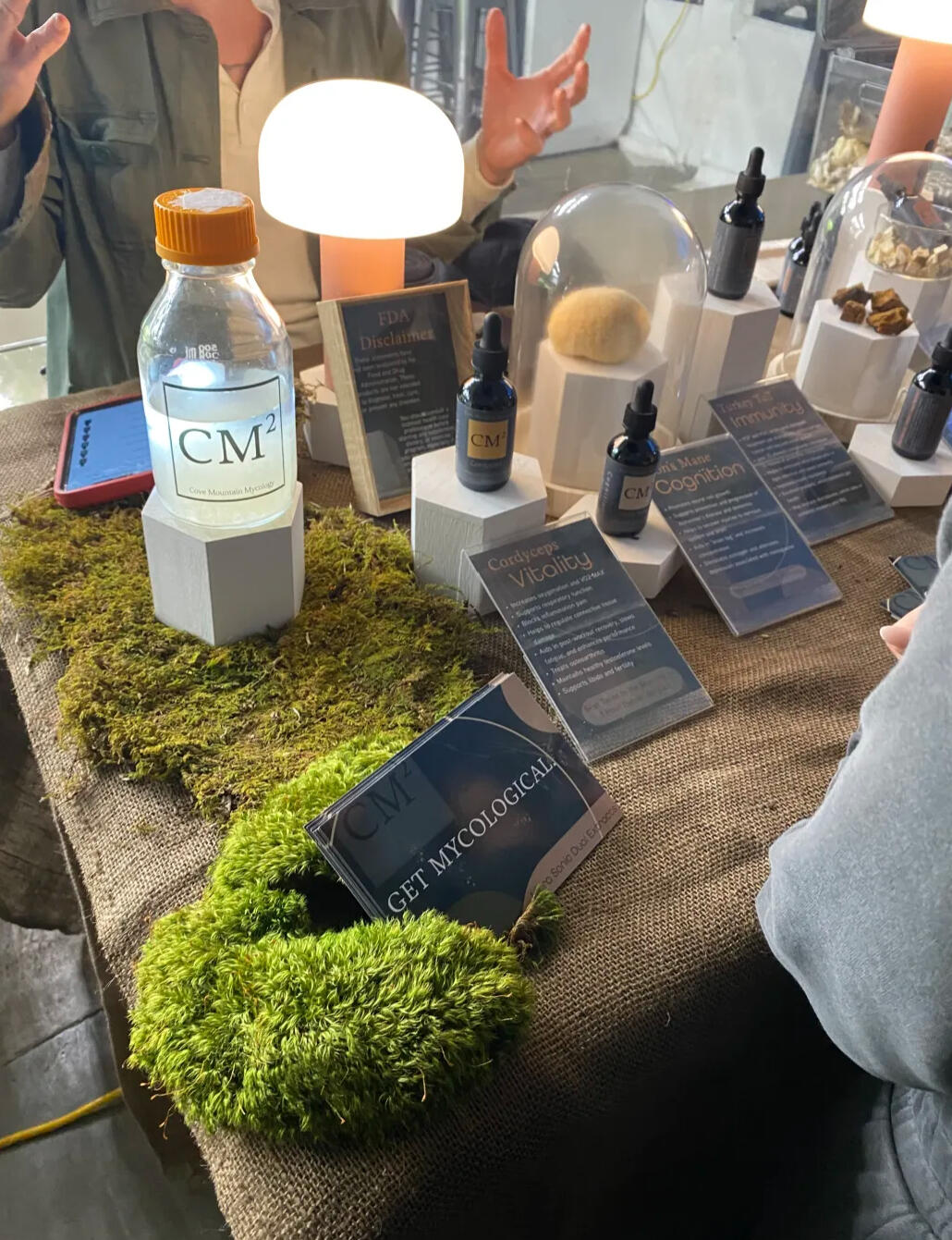
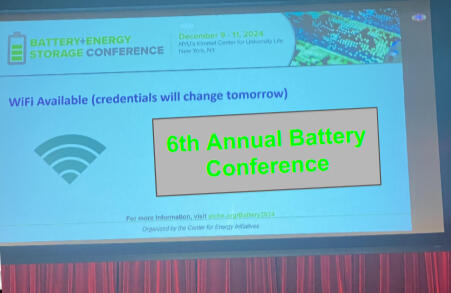
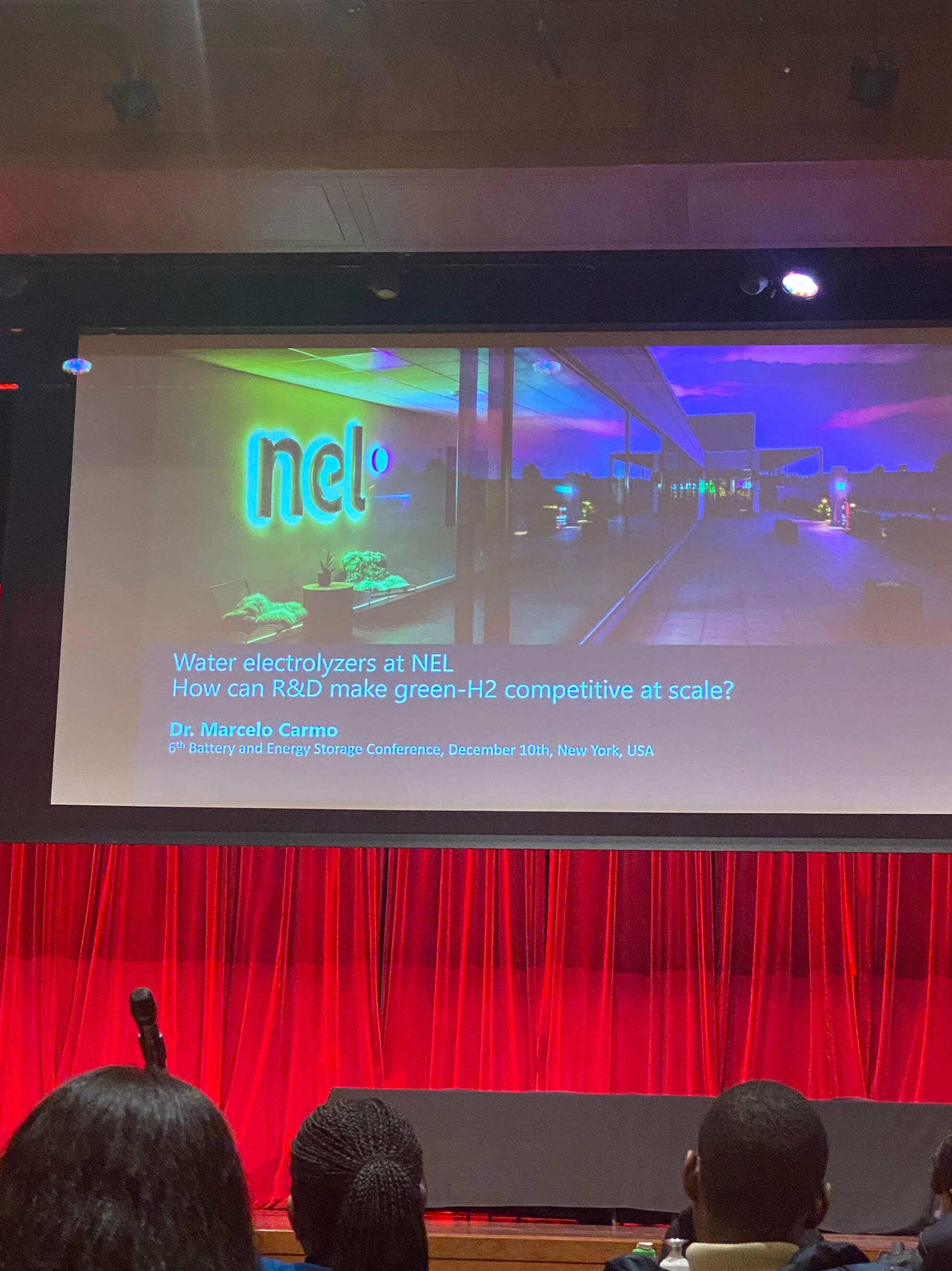
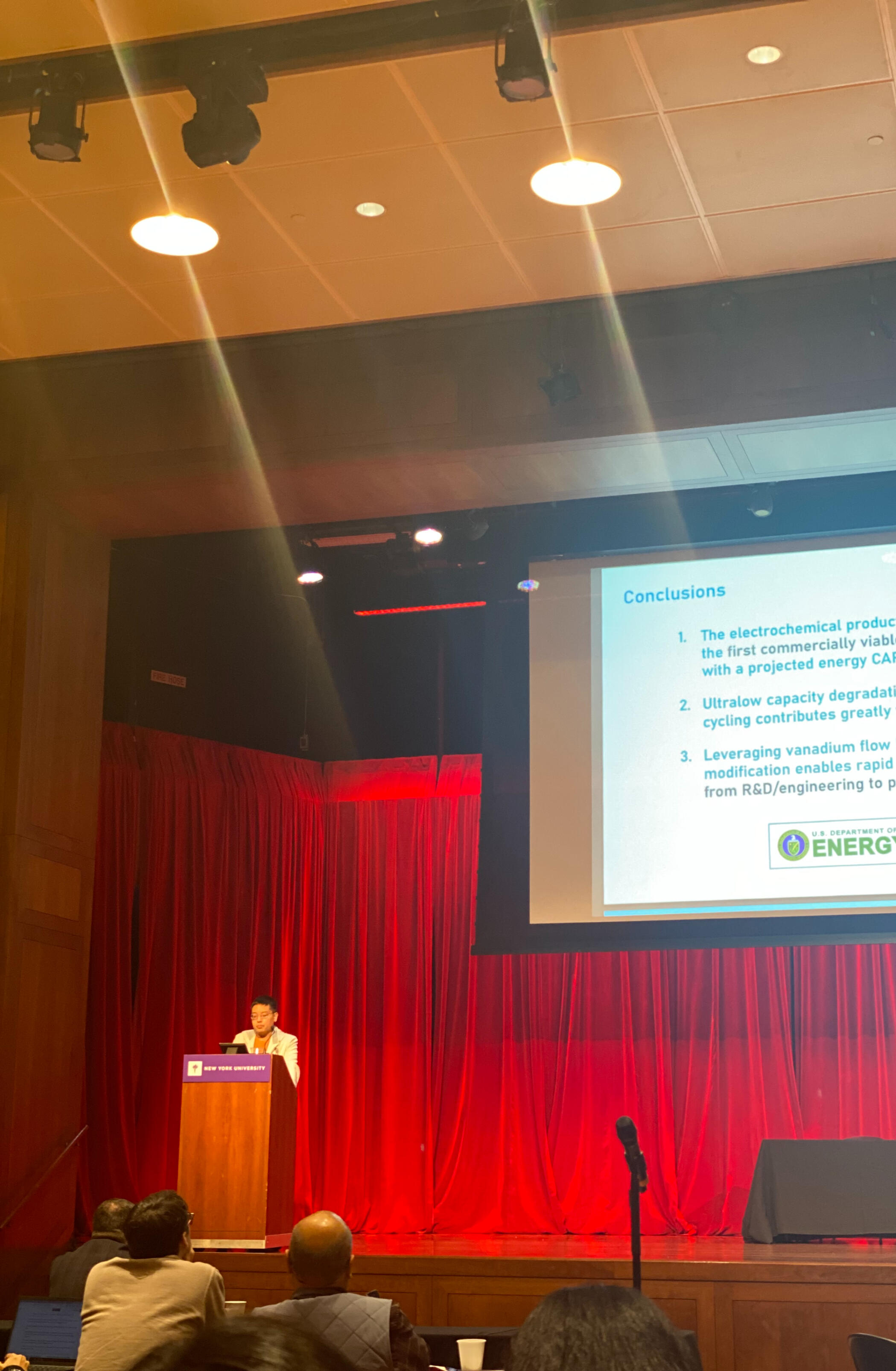
Attended the 6th Annual Battery Conference hosted by AICHE in New York University. I had the opportunity to learn about multiple growing industry on key leads of battery research. December 9th, 2024.
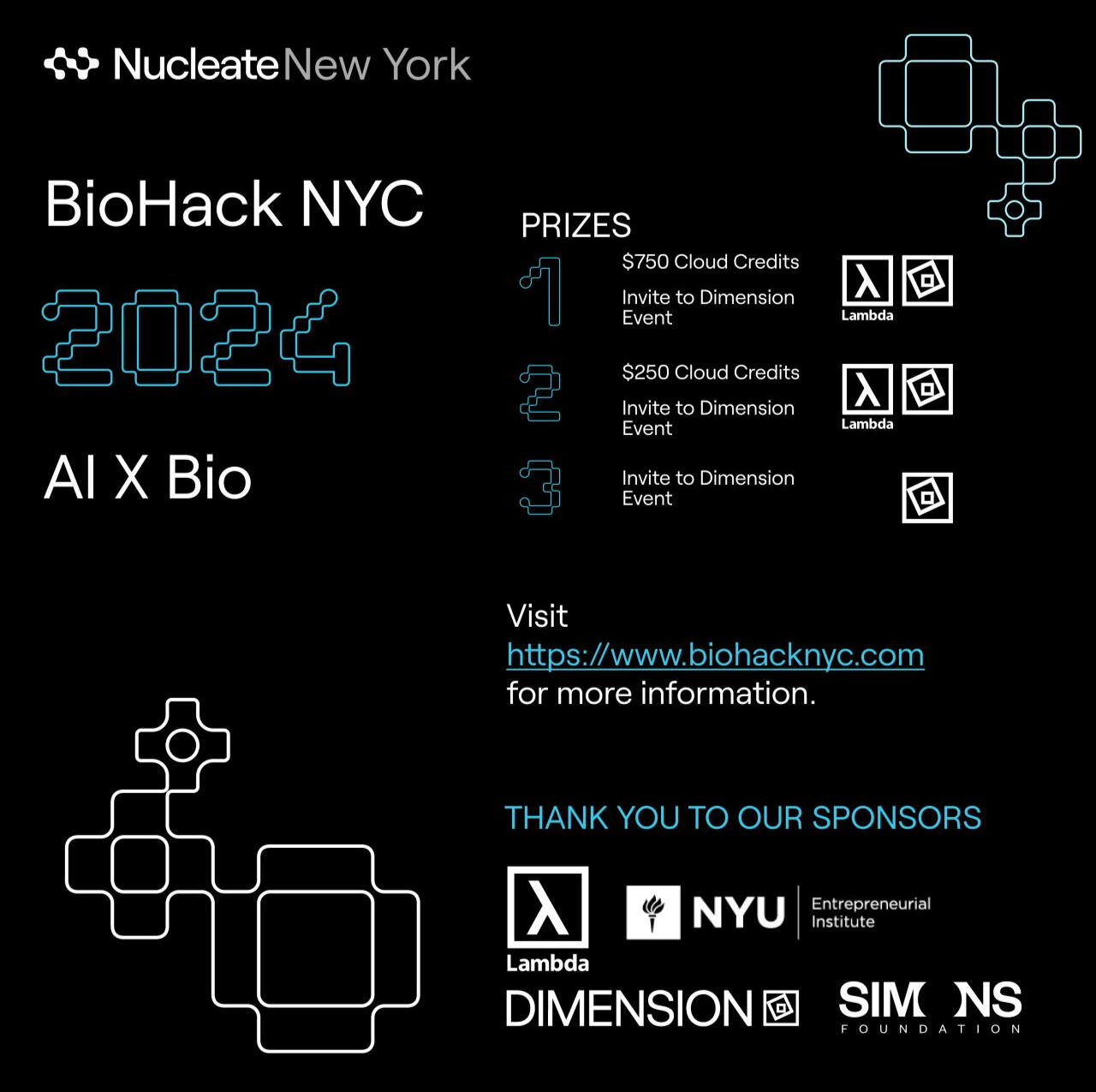
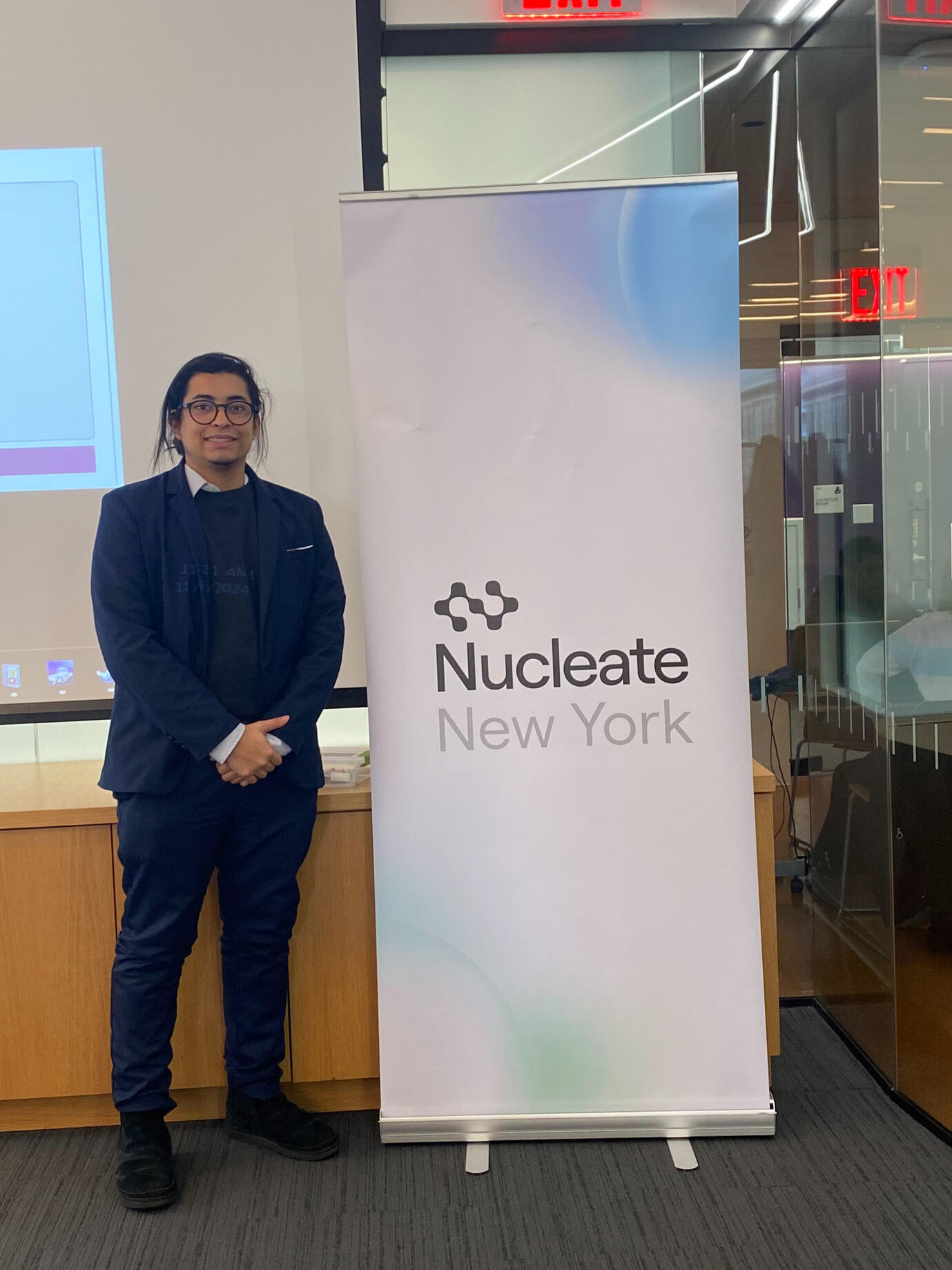
November 9th, 2024: I would like to thank Tommy from The Chemist's club, eleslie Lab and other start up projects founders along with Nucleate and Lambda for providing the infrastructure for this hackathon.
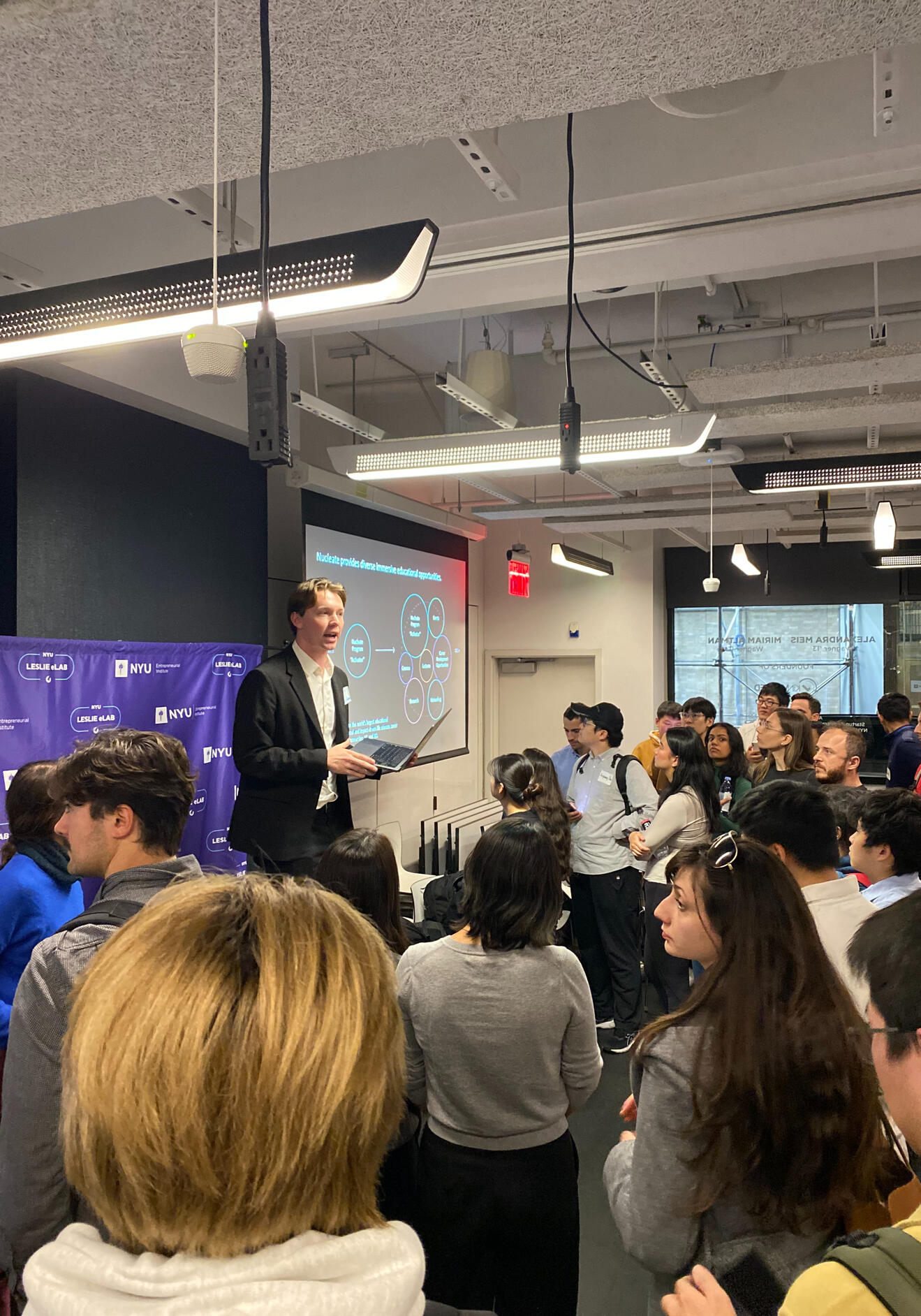
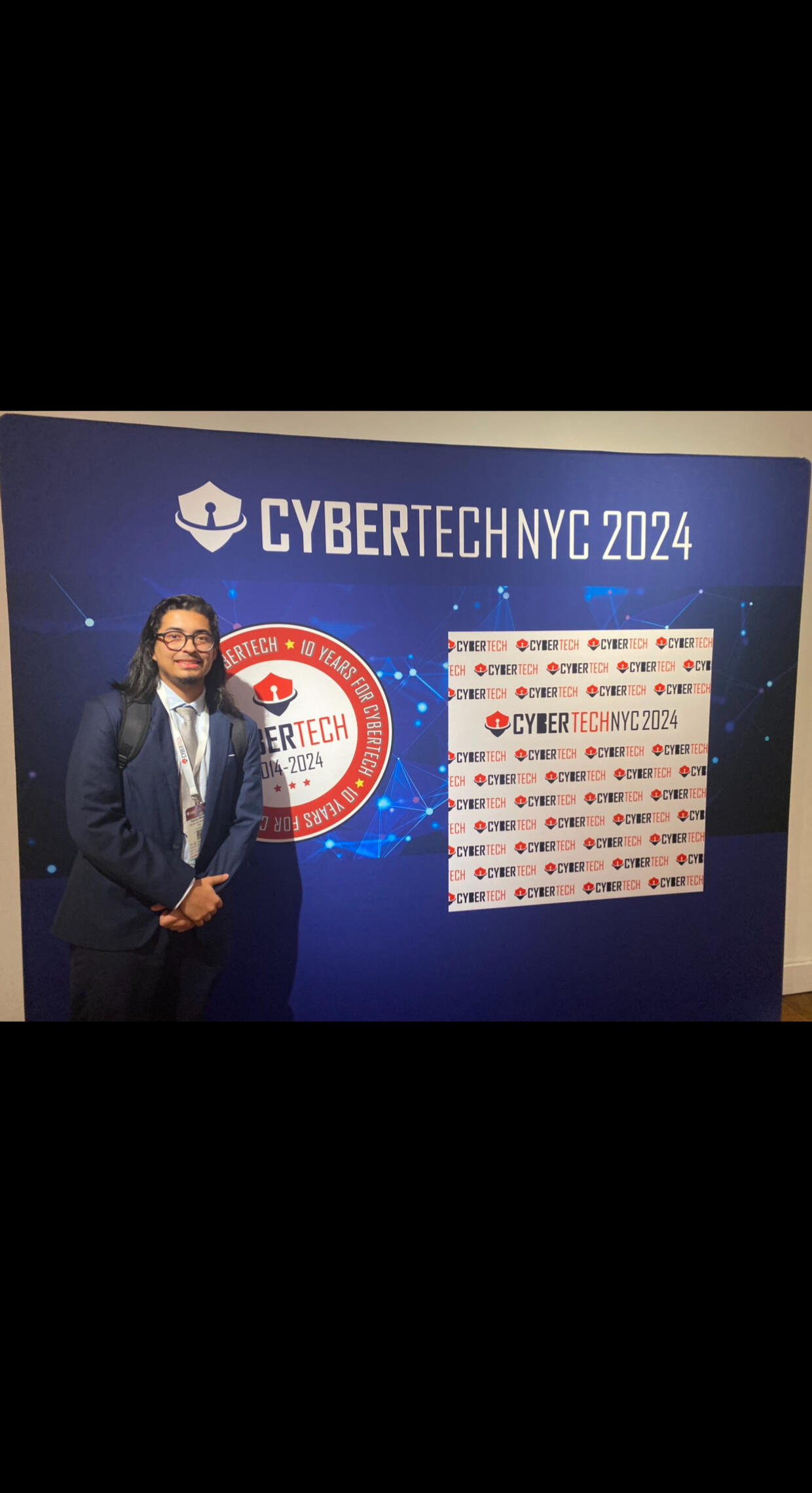
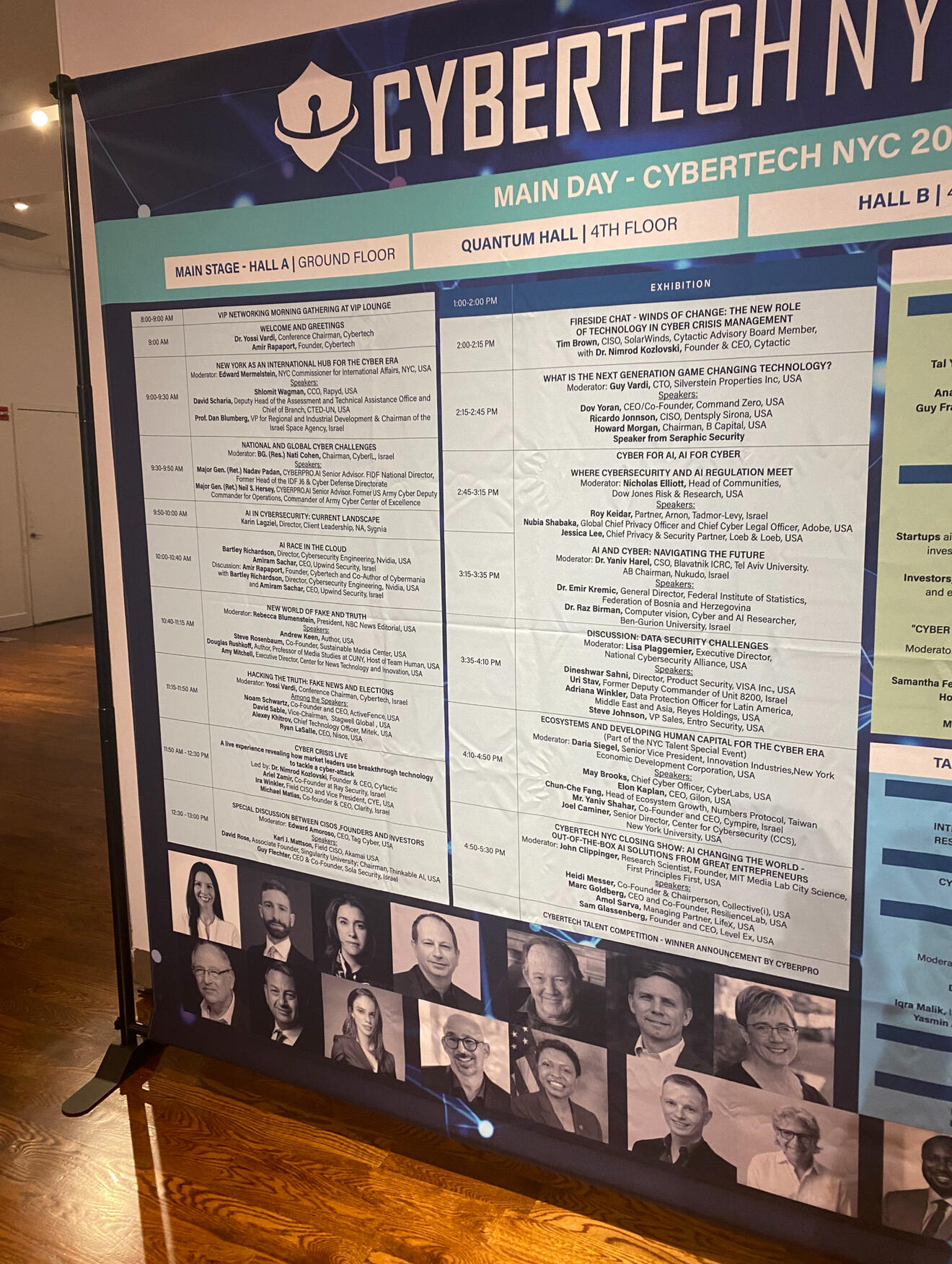
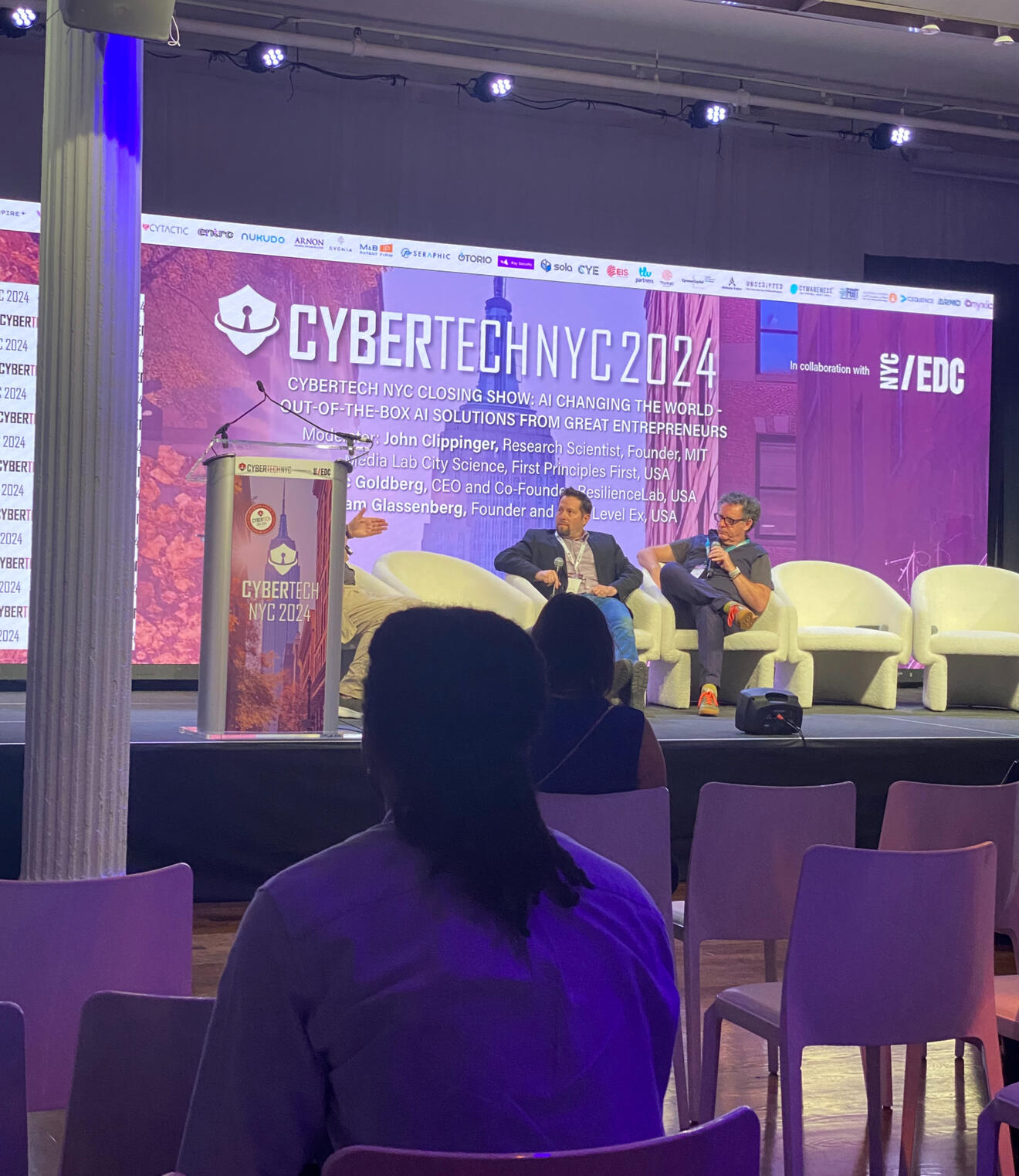
September 5th, 2024: CybertechNYC a conference that I would recommend to anyone interest in the latest topics AI in Cybersecurity.
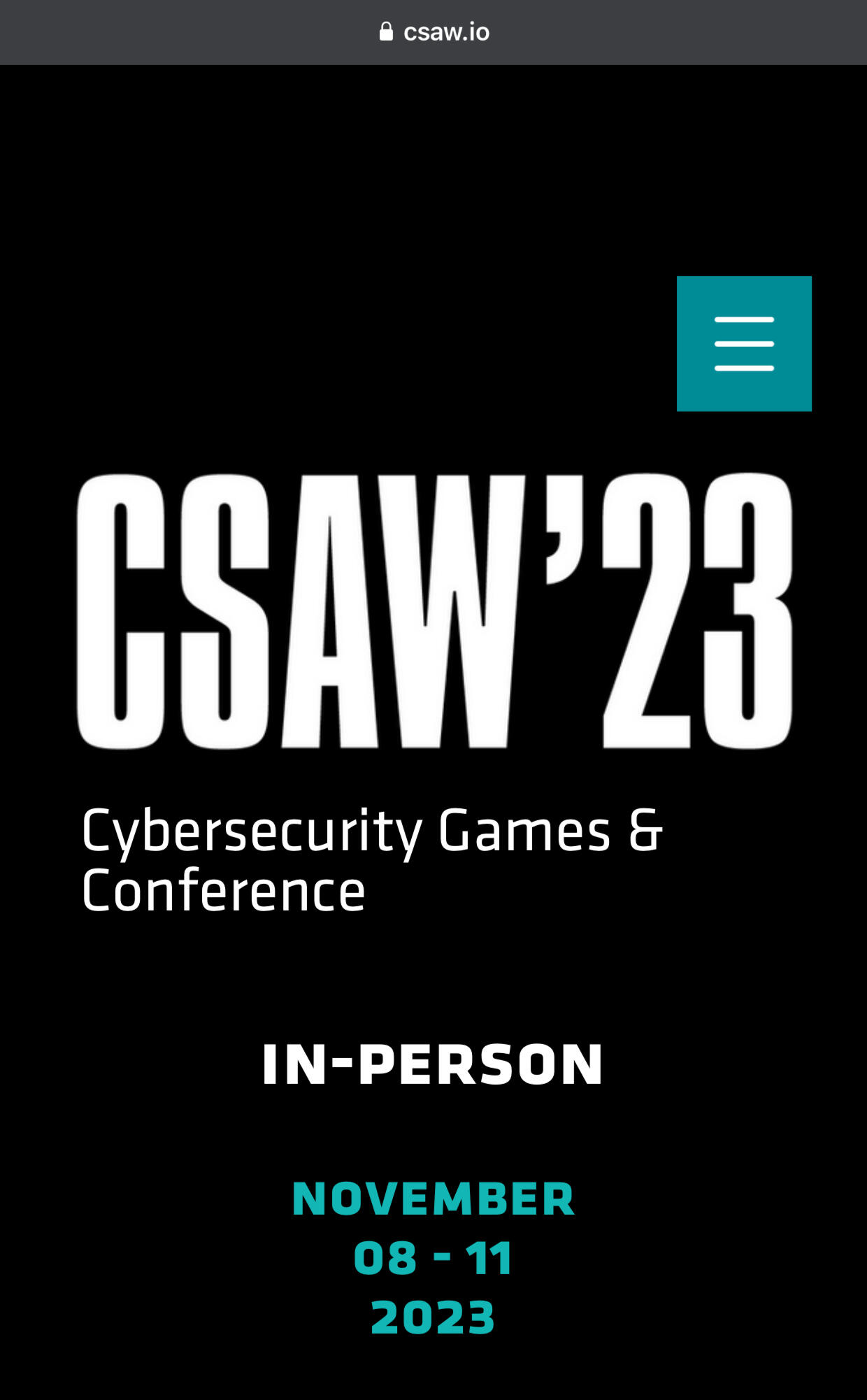
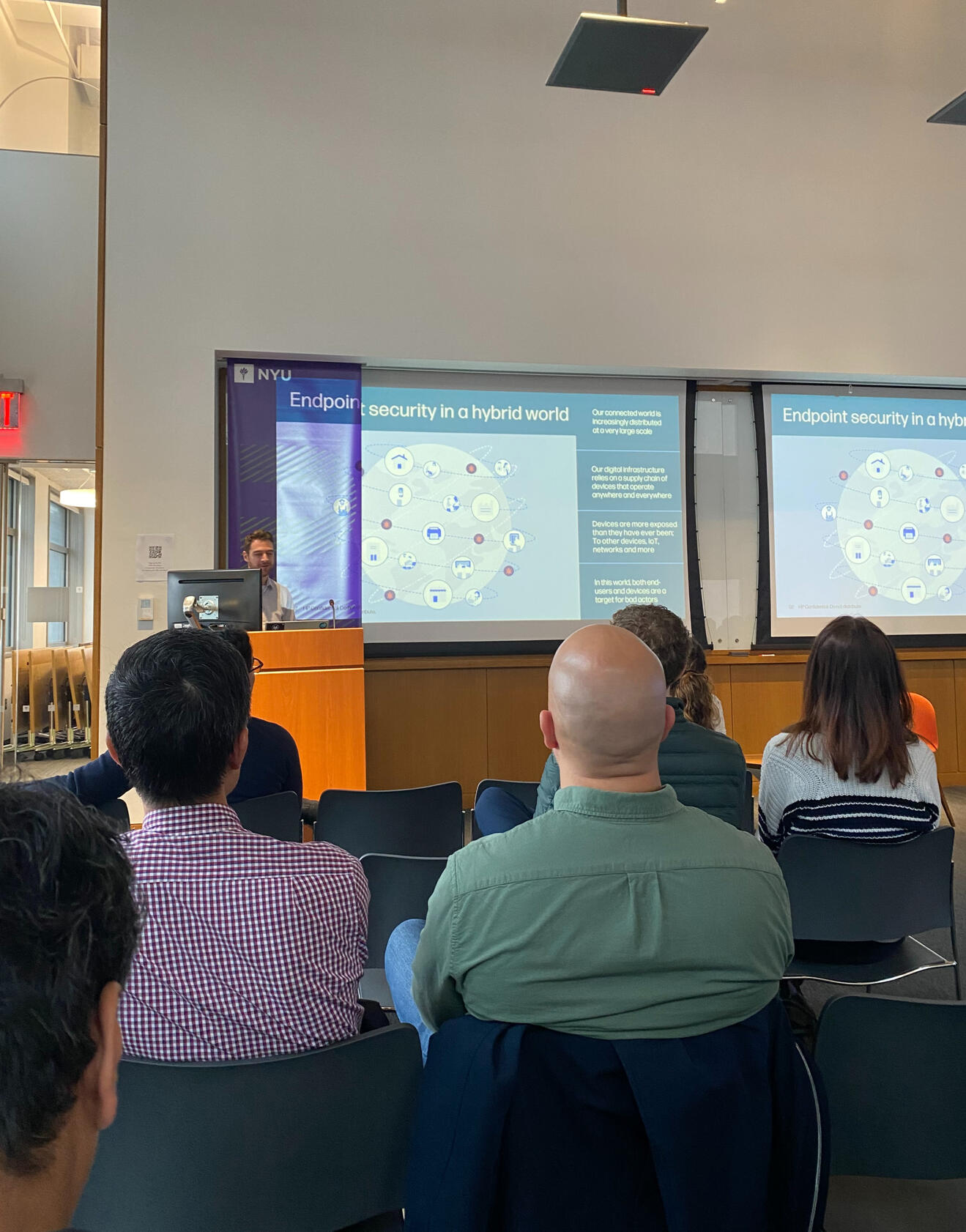
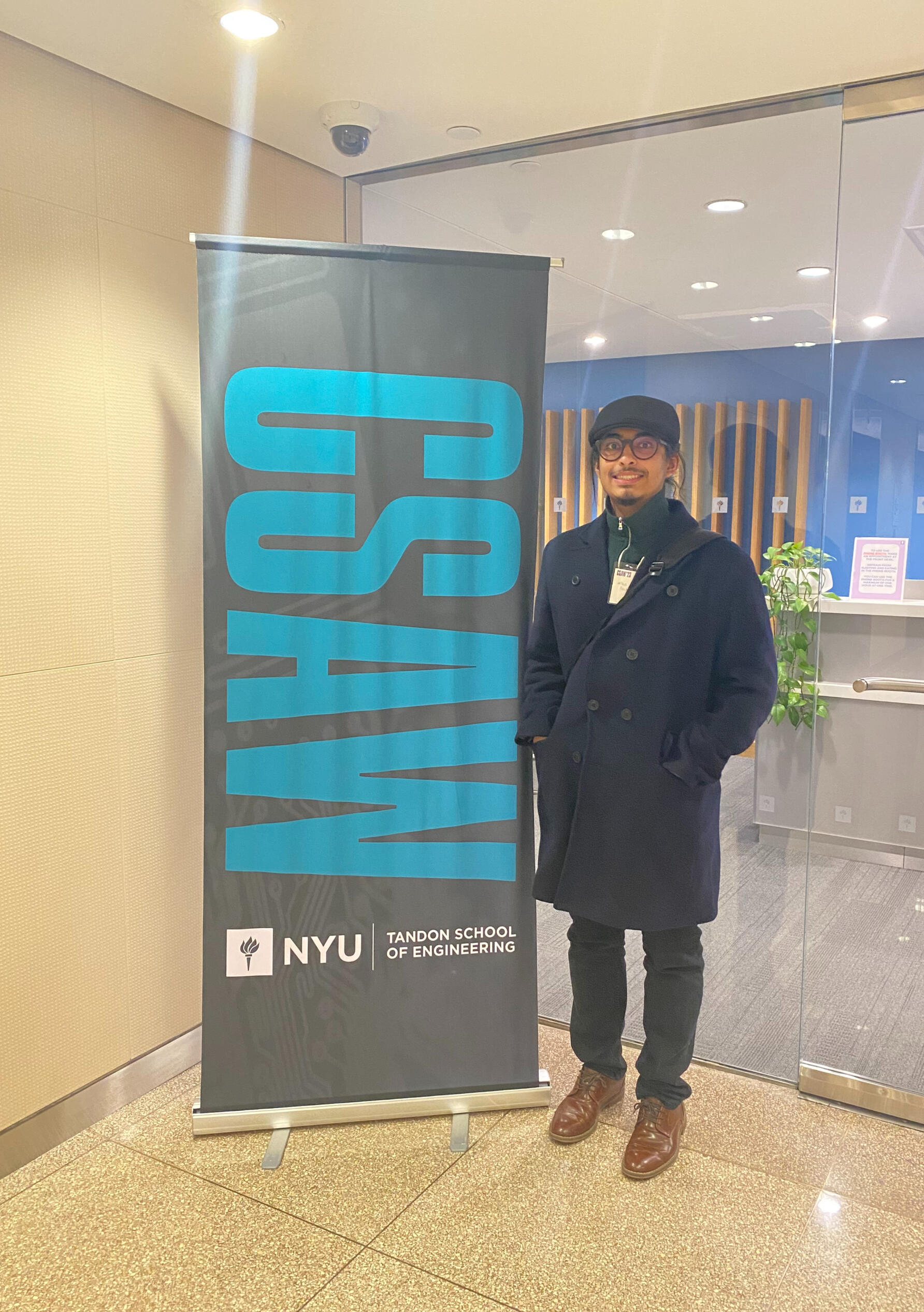
November 10th, 2023. CSAW is a yearly conference hosted by NYU and it attracts some of the greatest talents in cyber security in the upper east region. I got to meet many teams and contestants in CSAW's annual competition and learn about a variety of tools that assist me today.
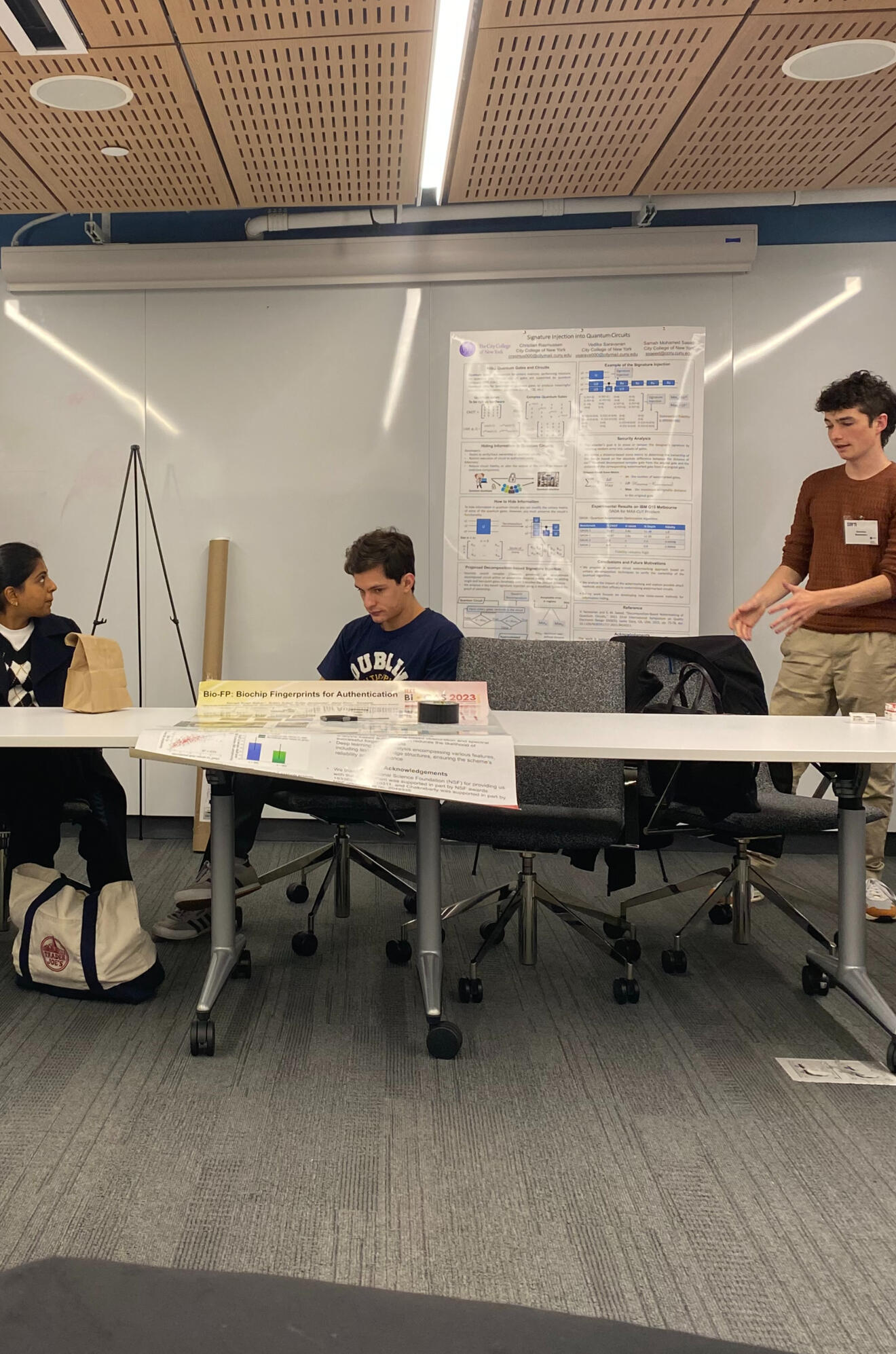
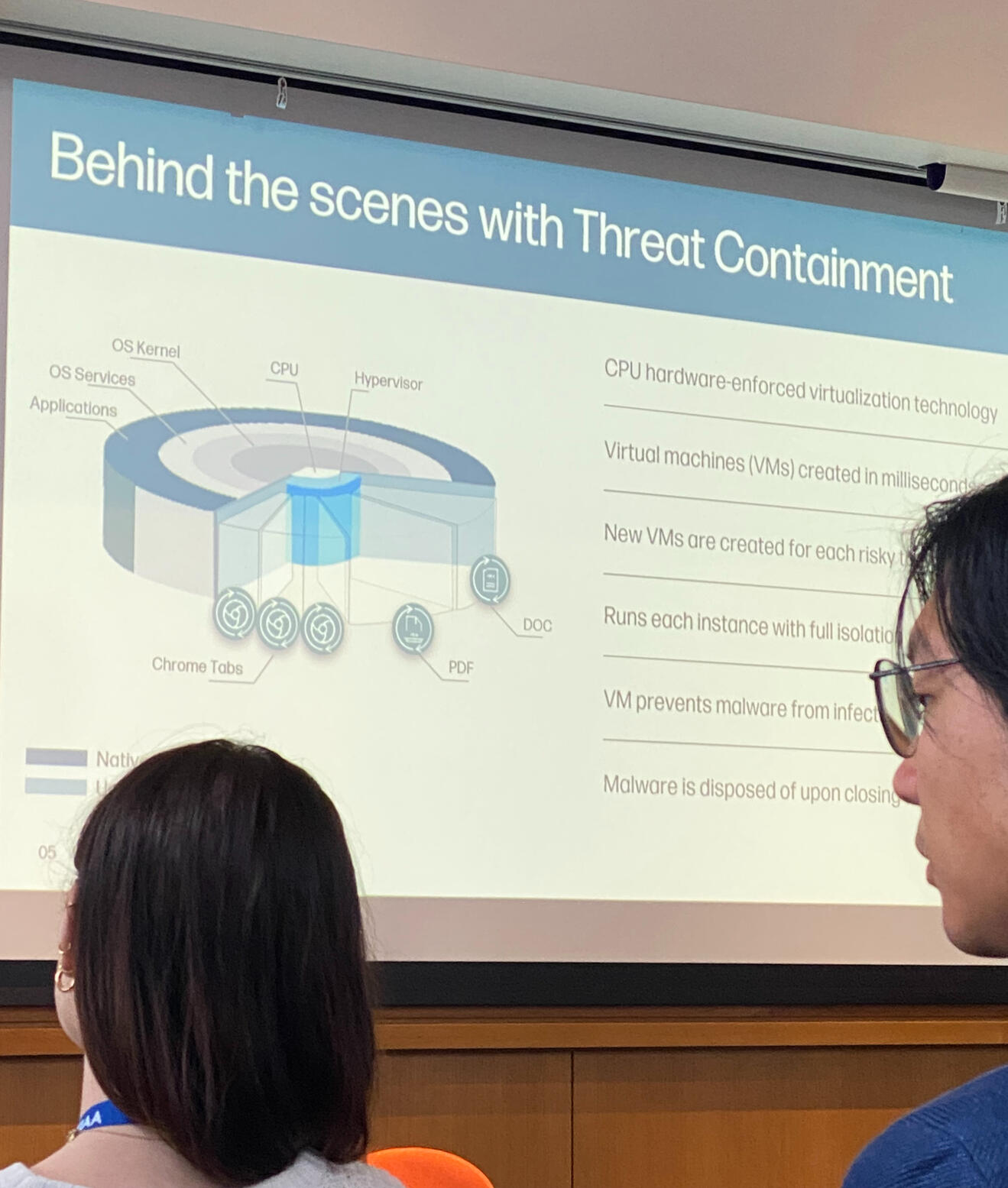
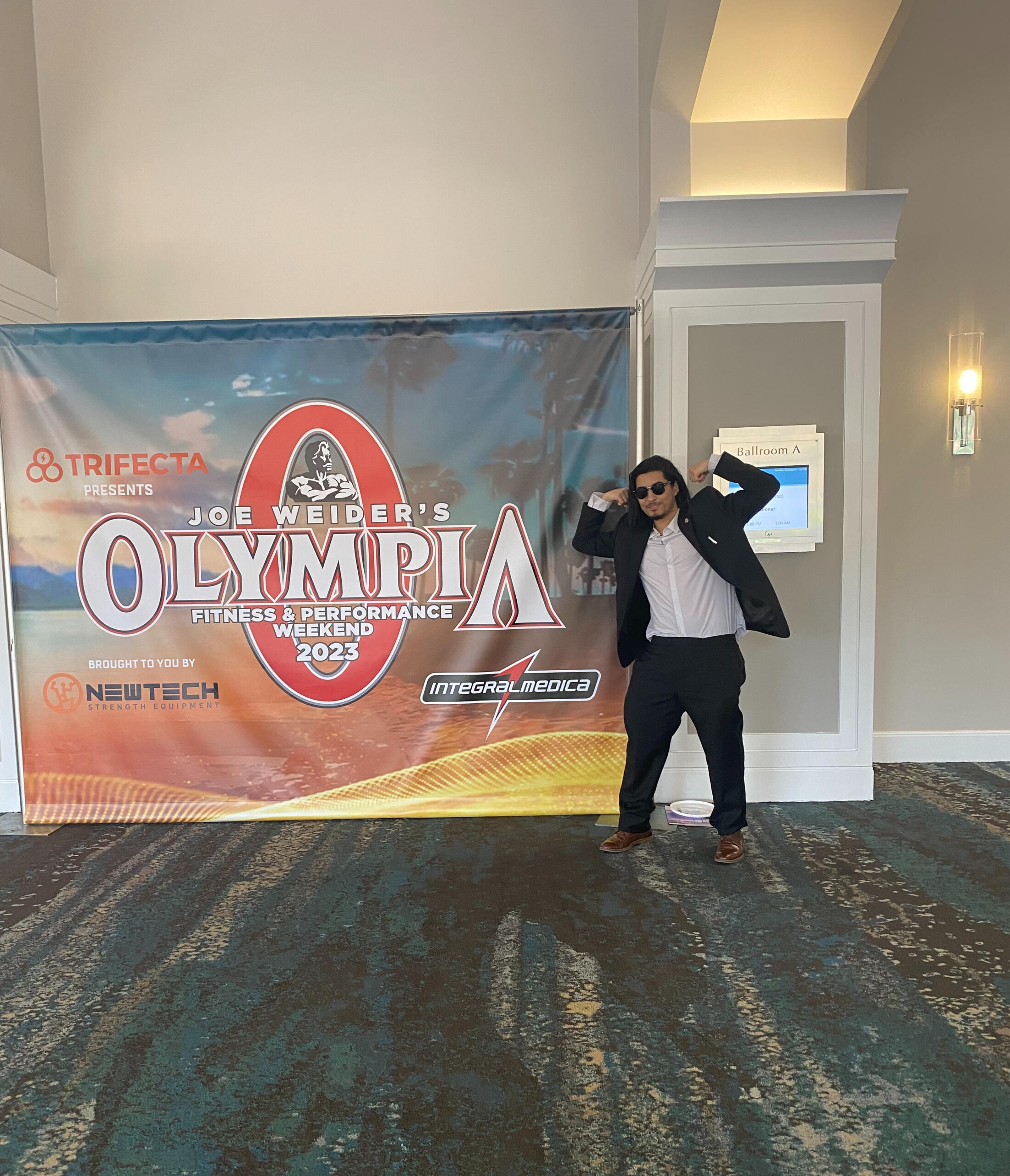
Mr. Olympia 2023, November 2nd. A weekend to remember. I never thought I would meet so many people with an insane desire to preserve body health. It really made me rethink my eating habits and start prioritizing exercise.
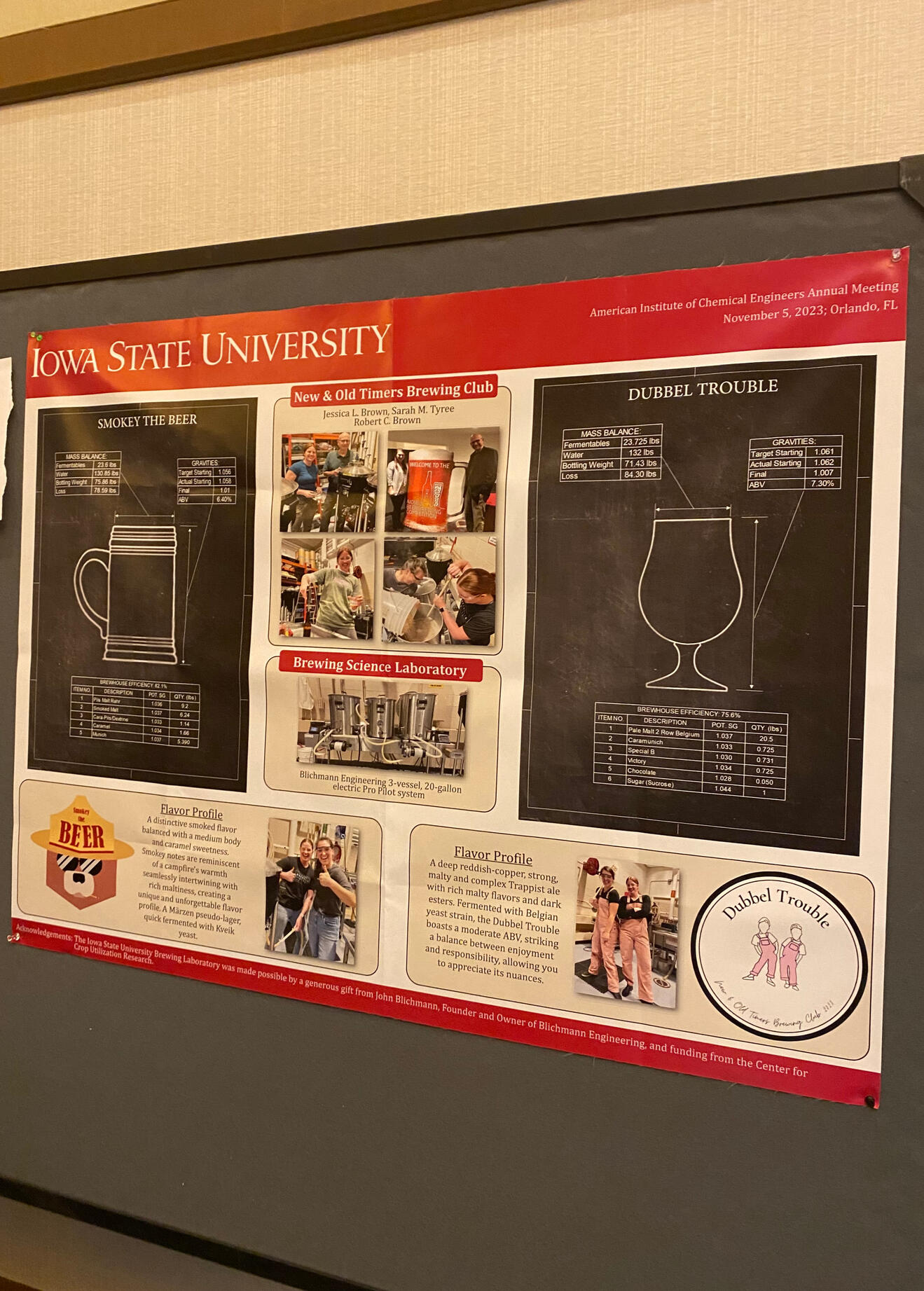
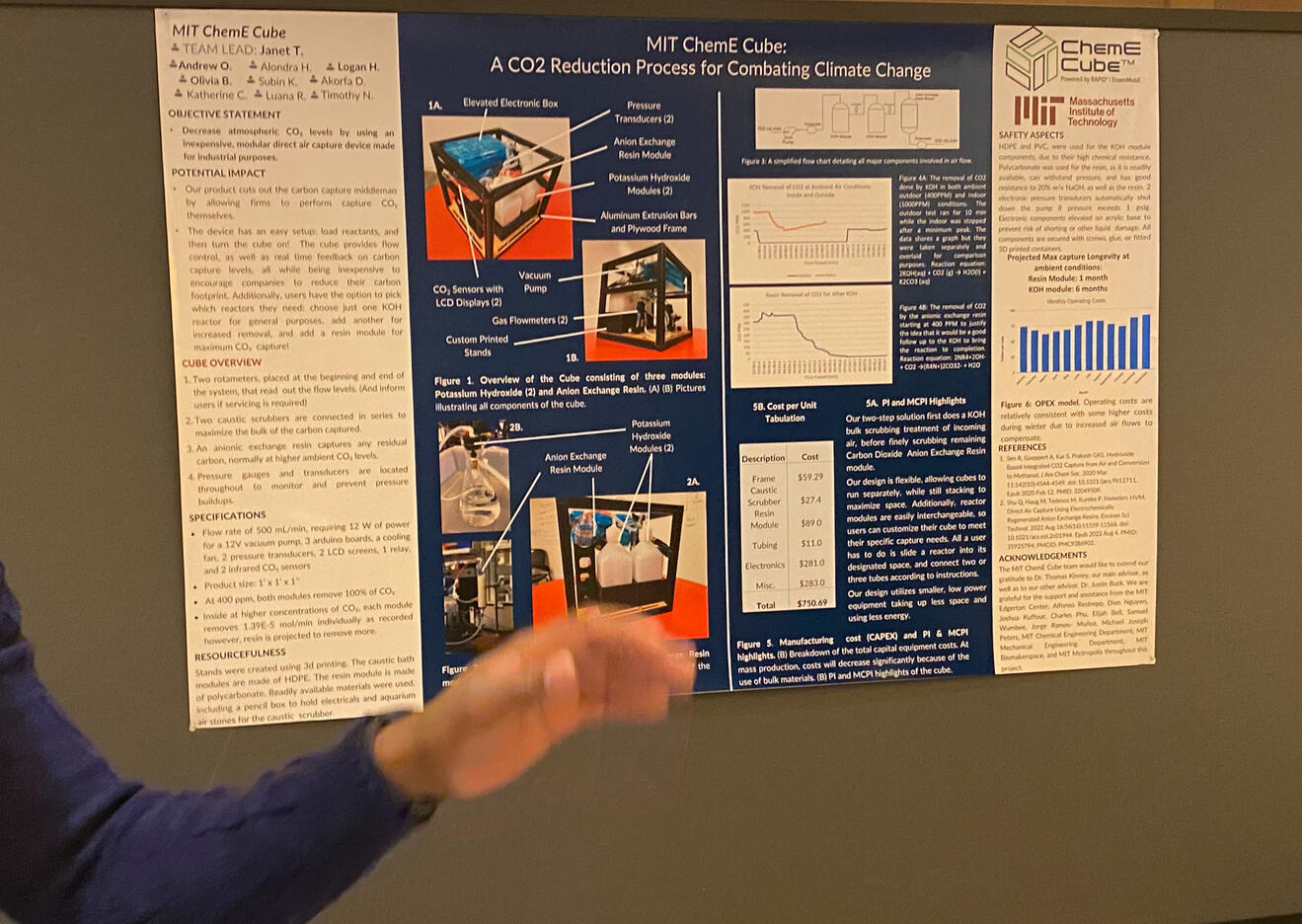
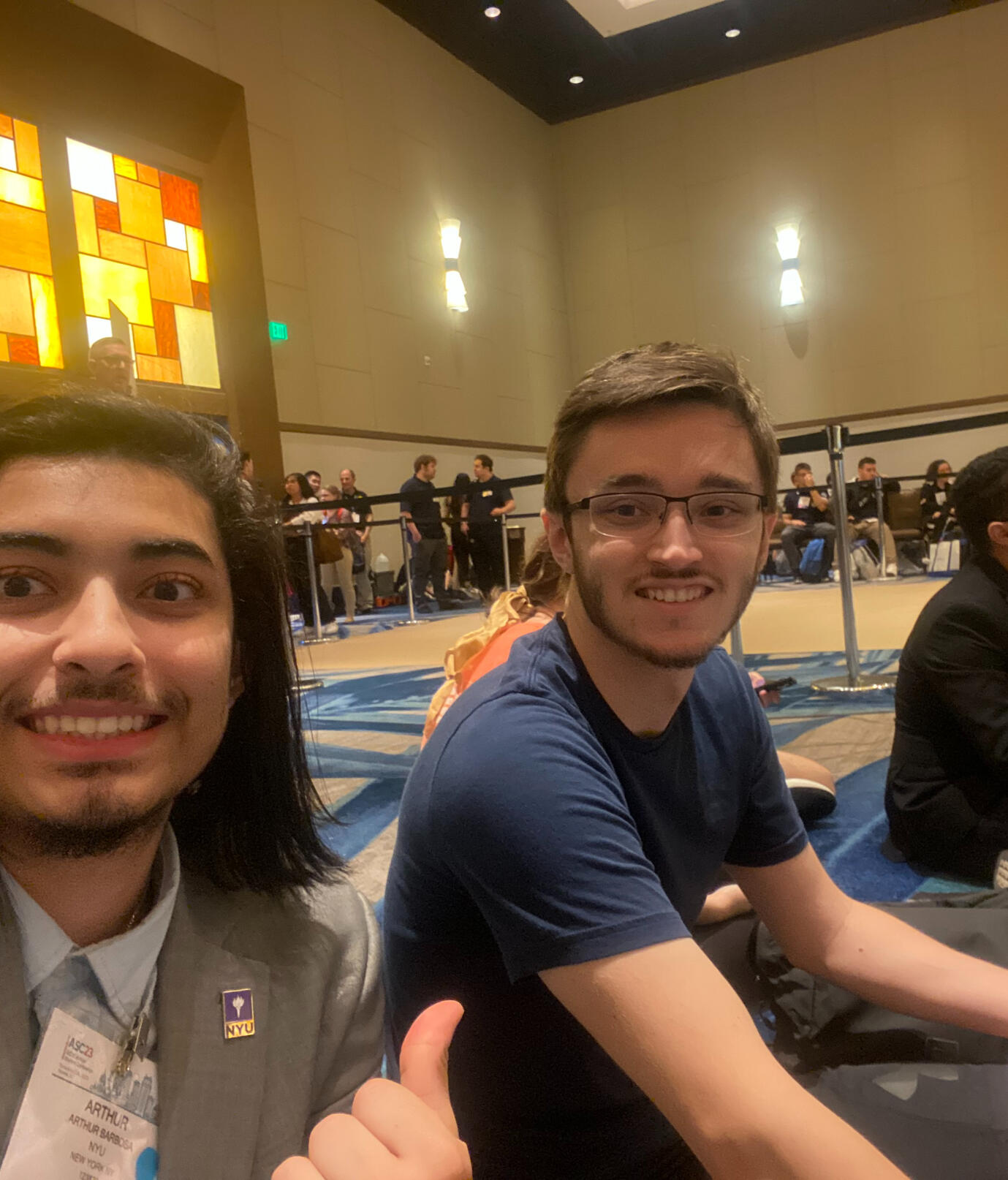
Nov 1st, 2023. My first time at Annual AICHE Conference. What an eye opener into endless fields of industry. Made many friends and learned more than I could ever image.
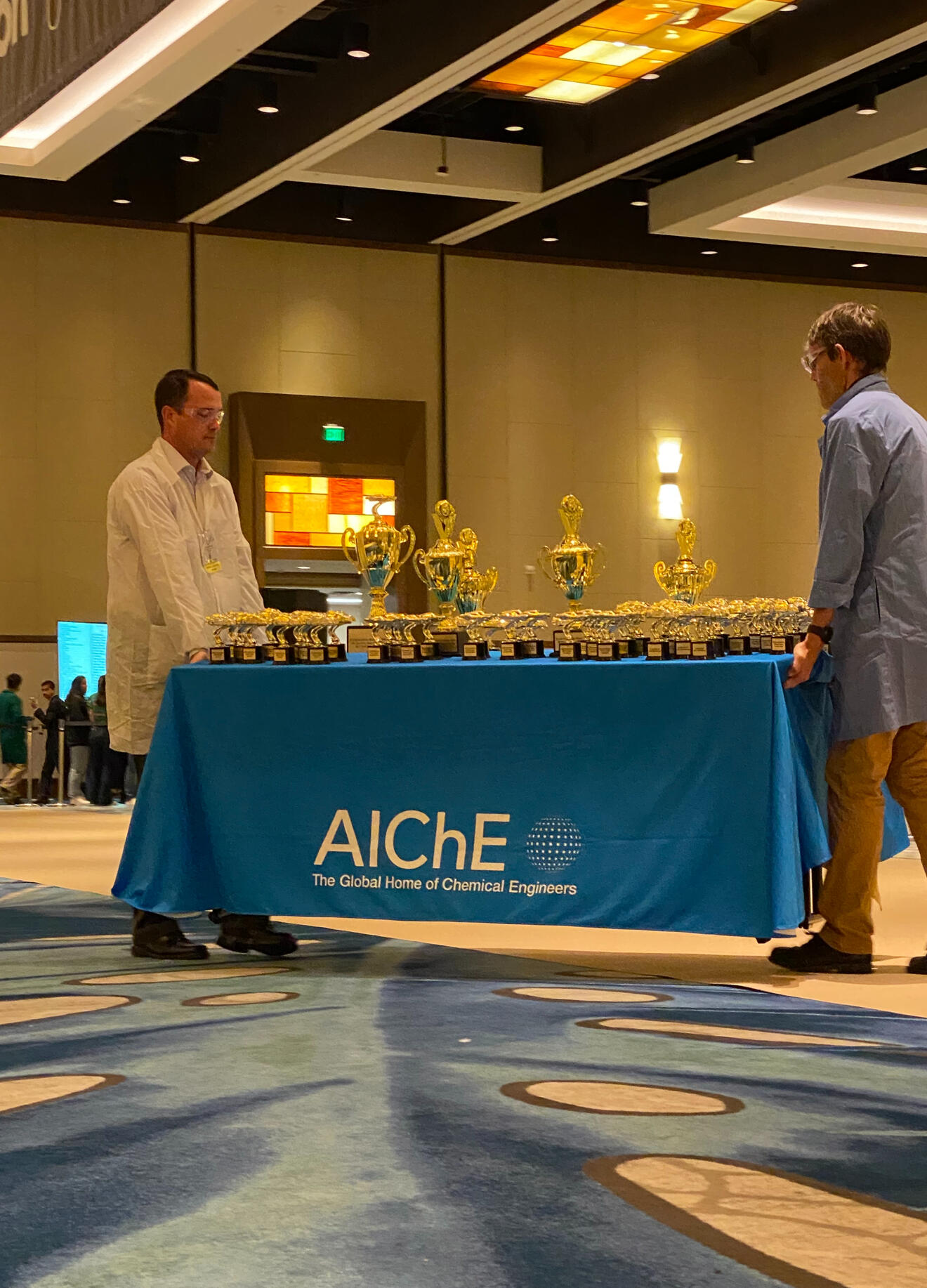
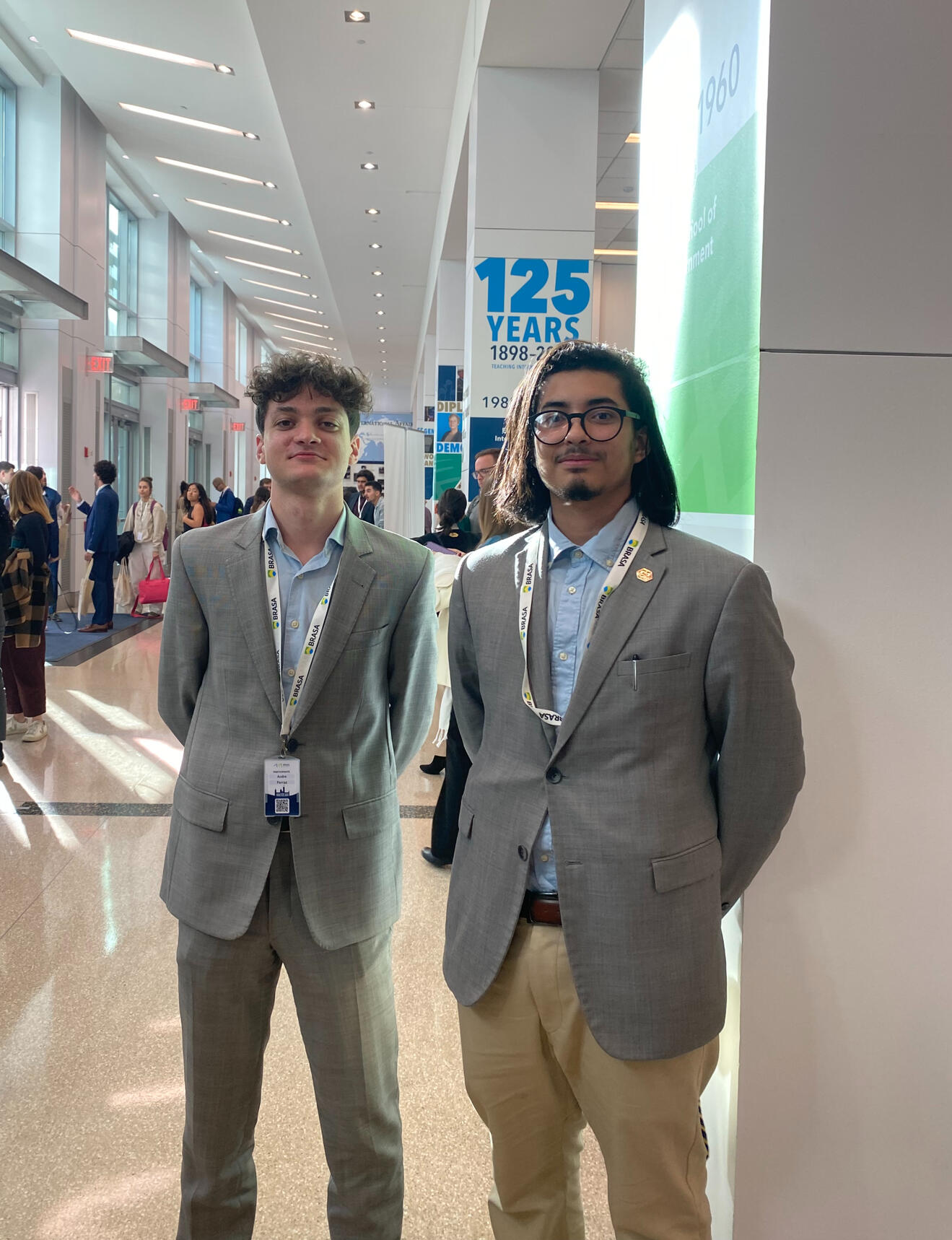
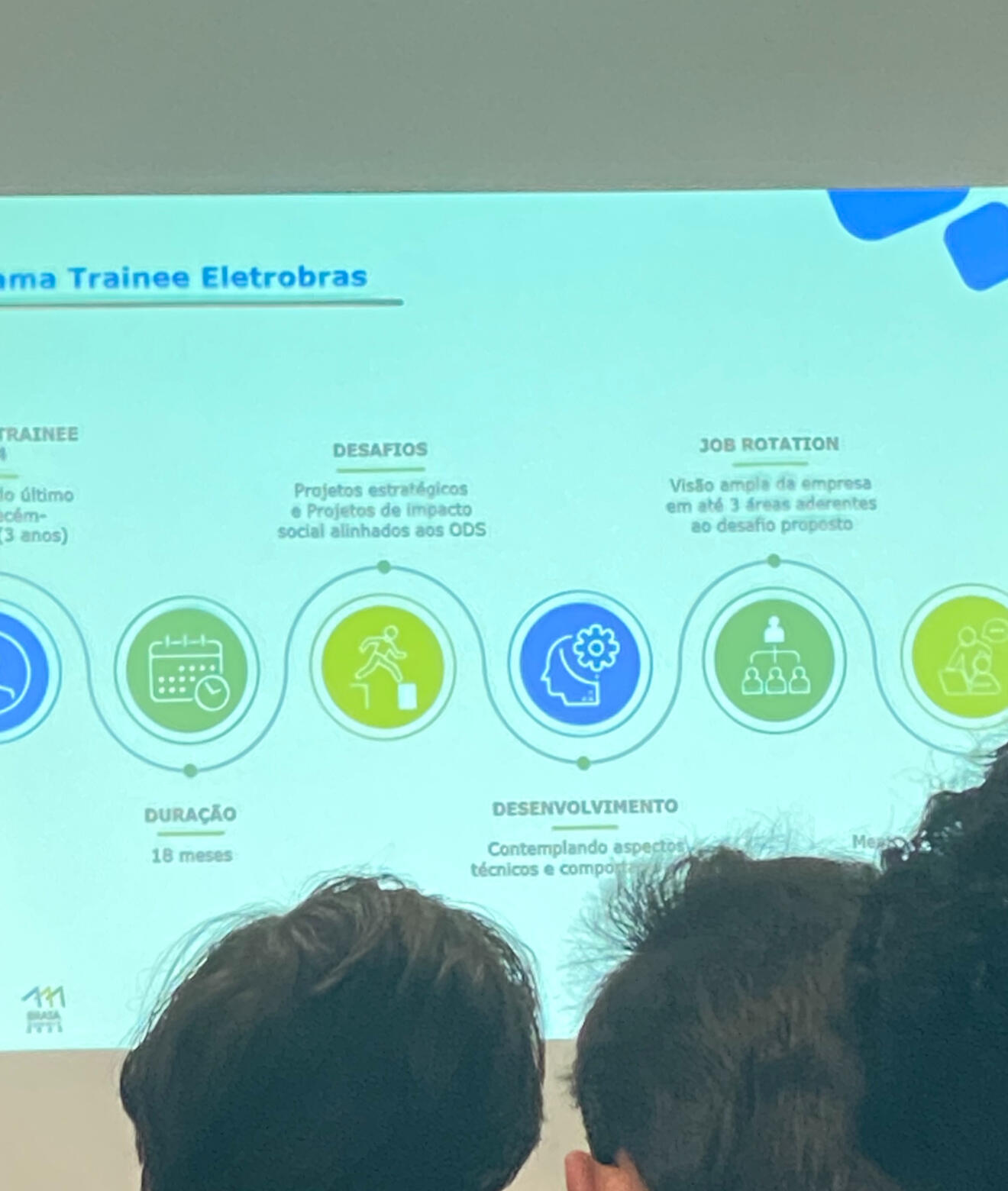
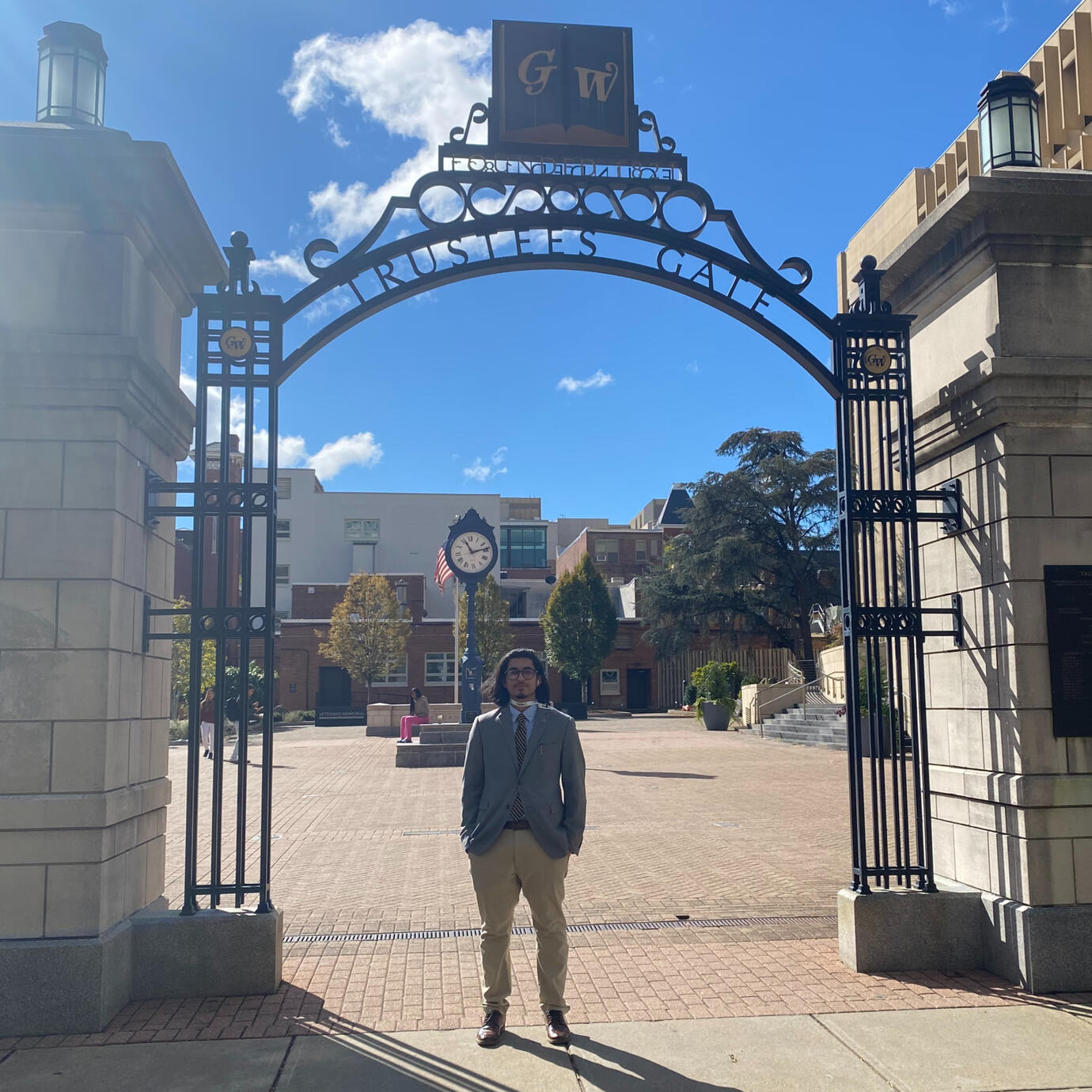
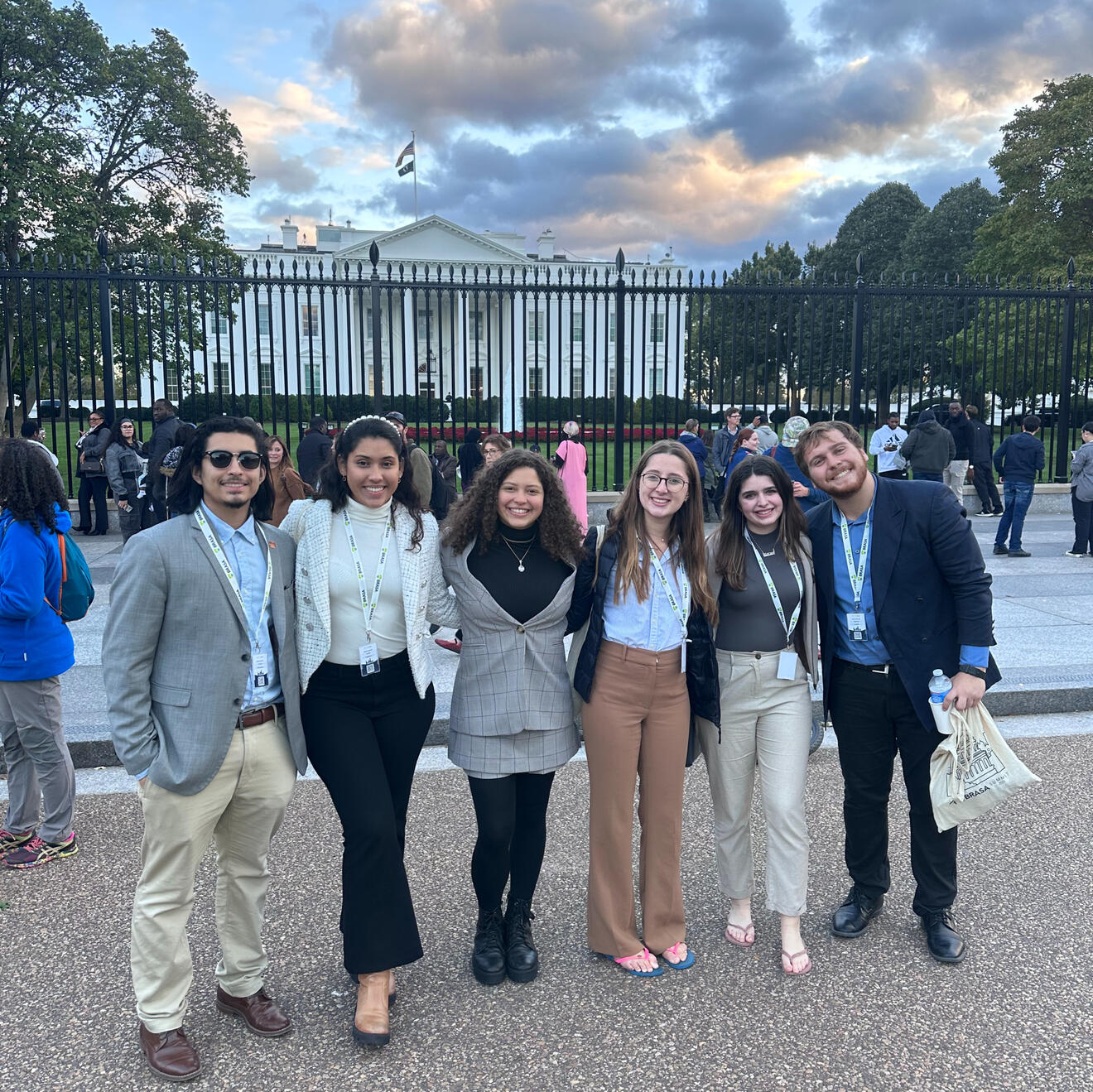
On October 14th and 16th, 2023. I made a trip that made me feel home again. I got see many of my old high school classmates at the BRASA SUMMIT AMERICAS in Washington DC. Learned a bunch from guest speakers and had some free time to wonder around the Capitol Hill.
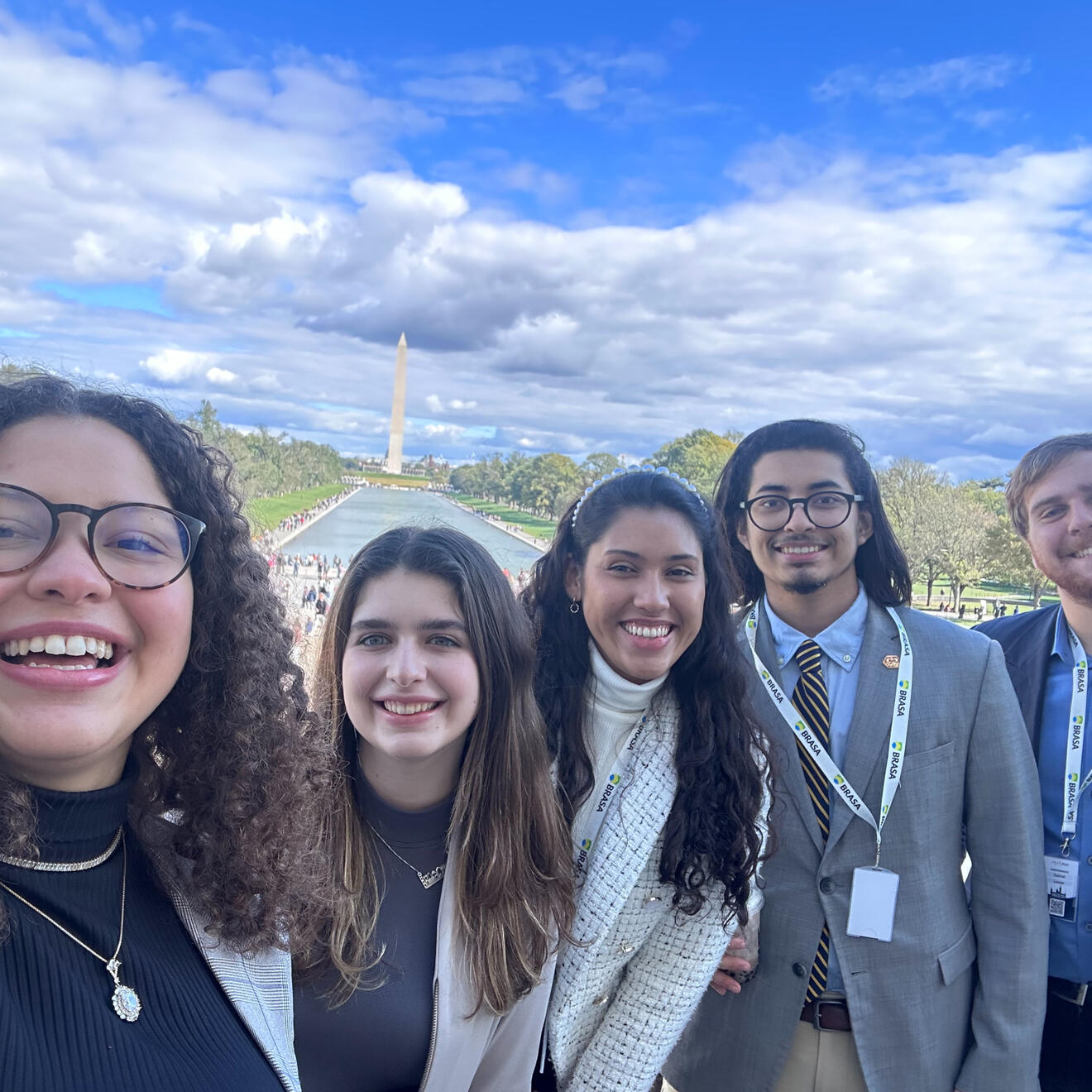
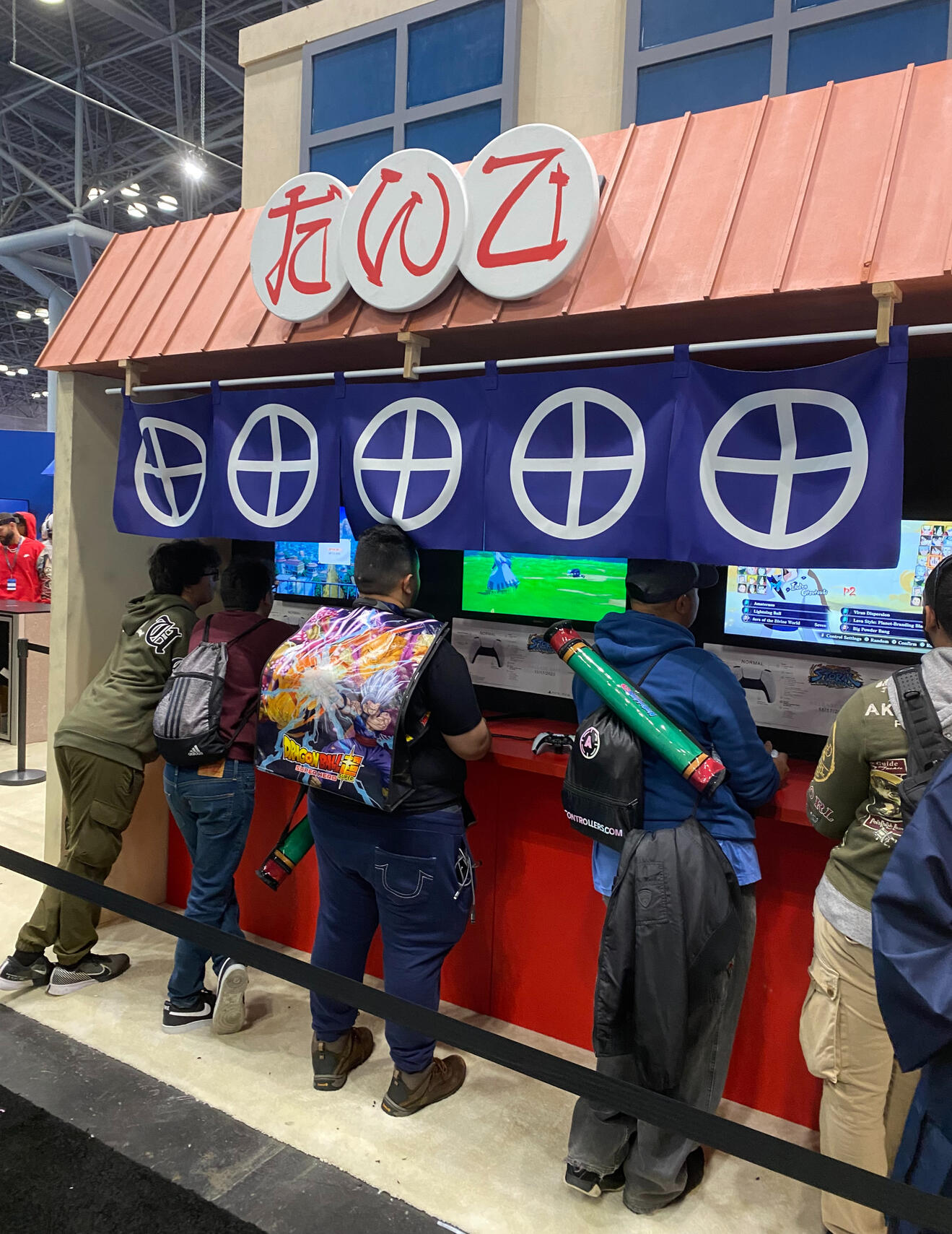
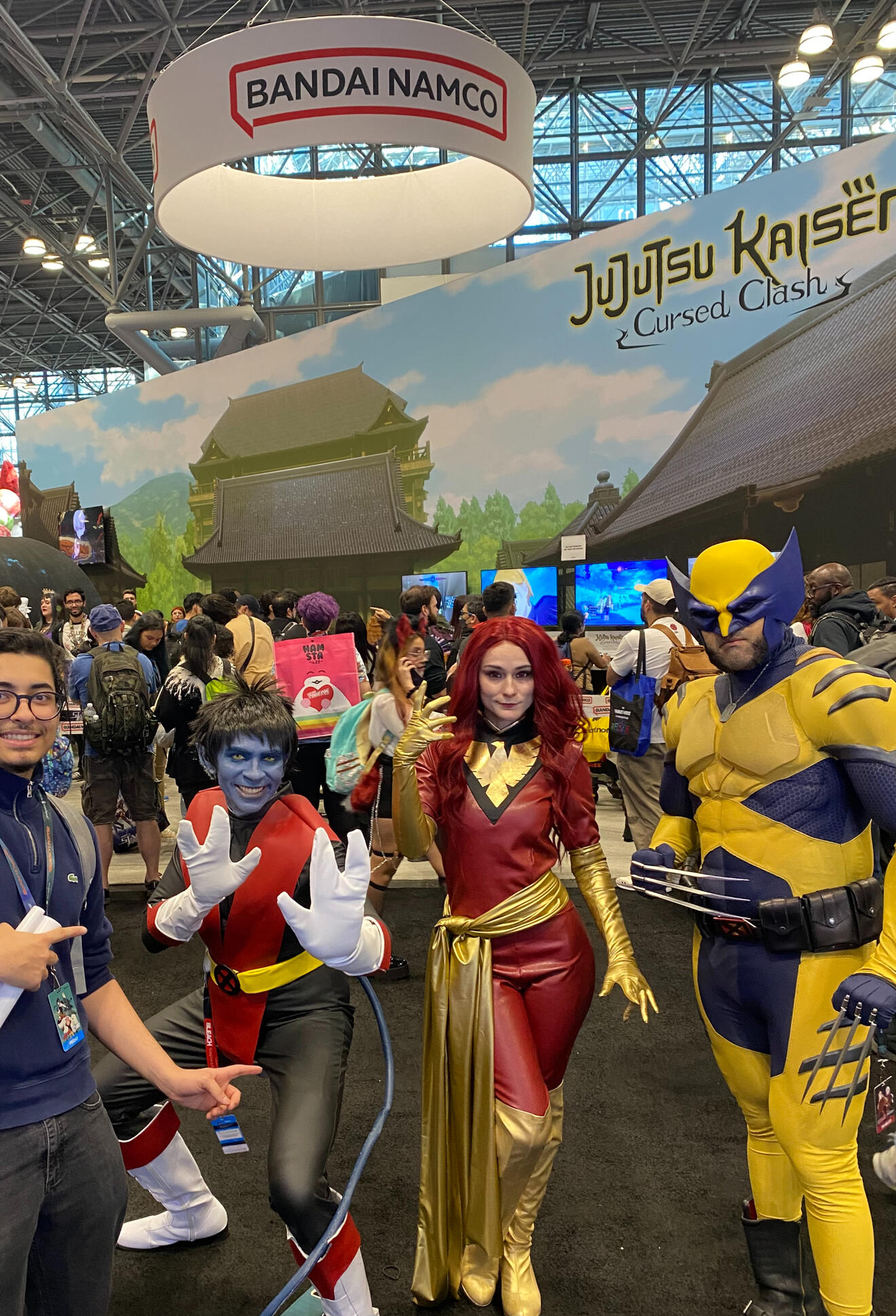
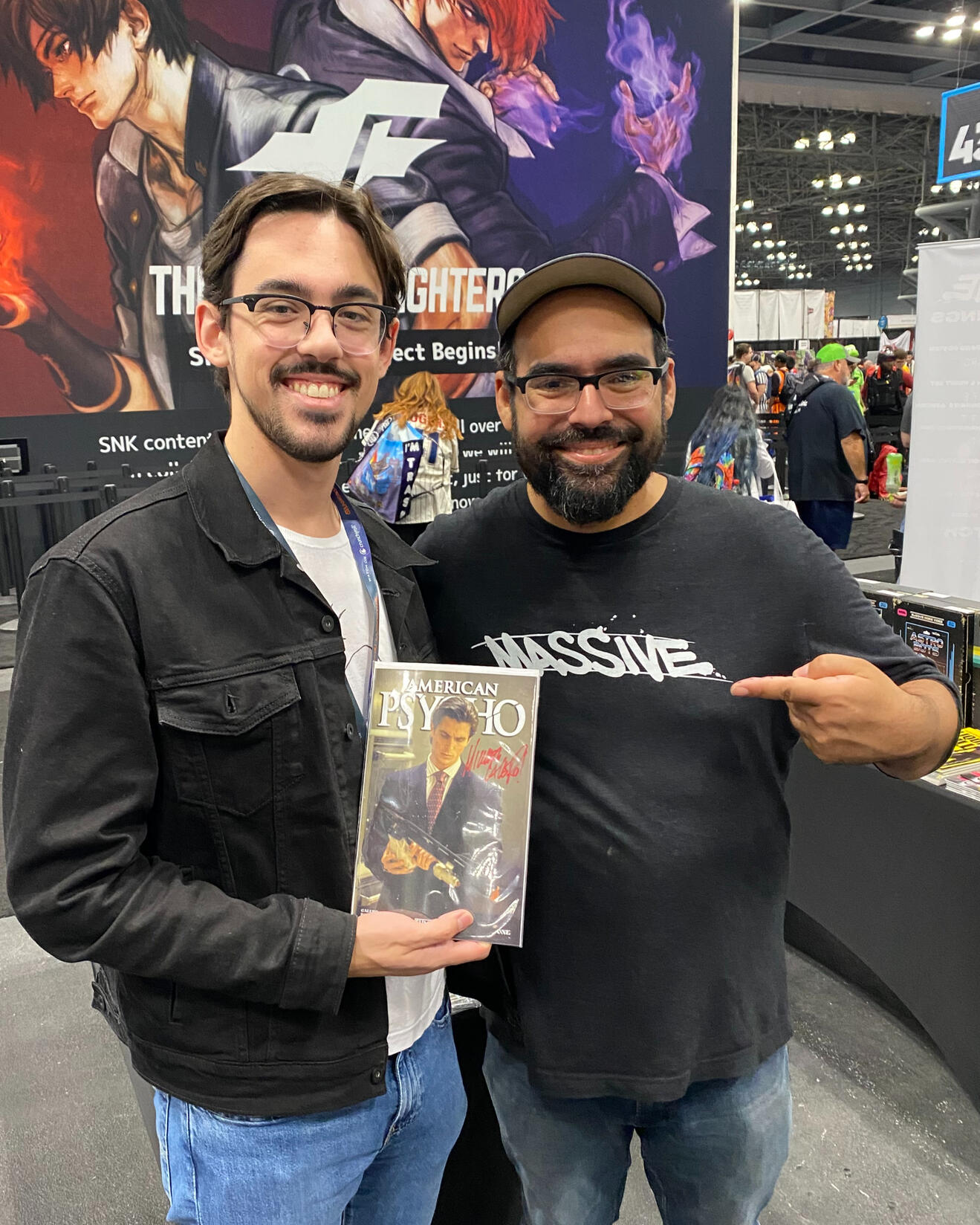
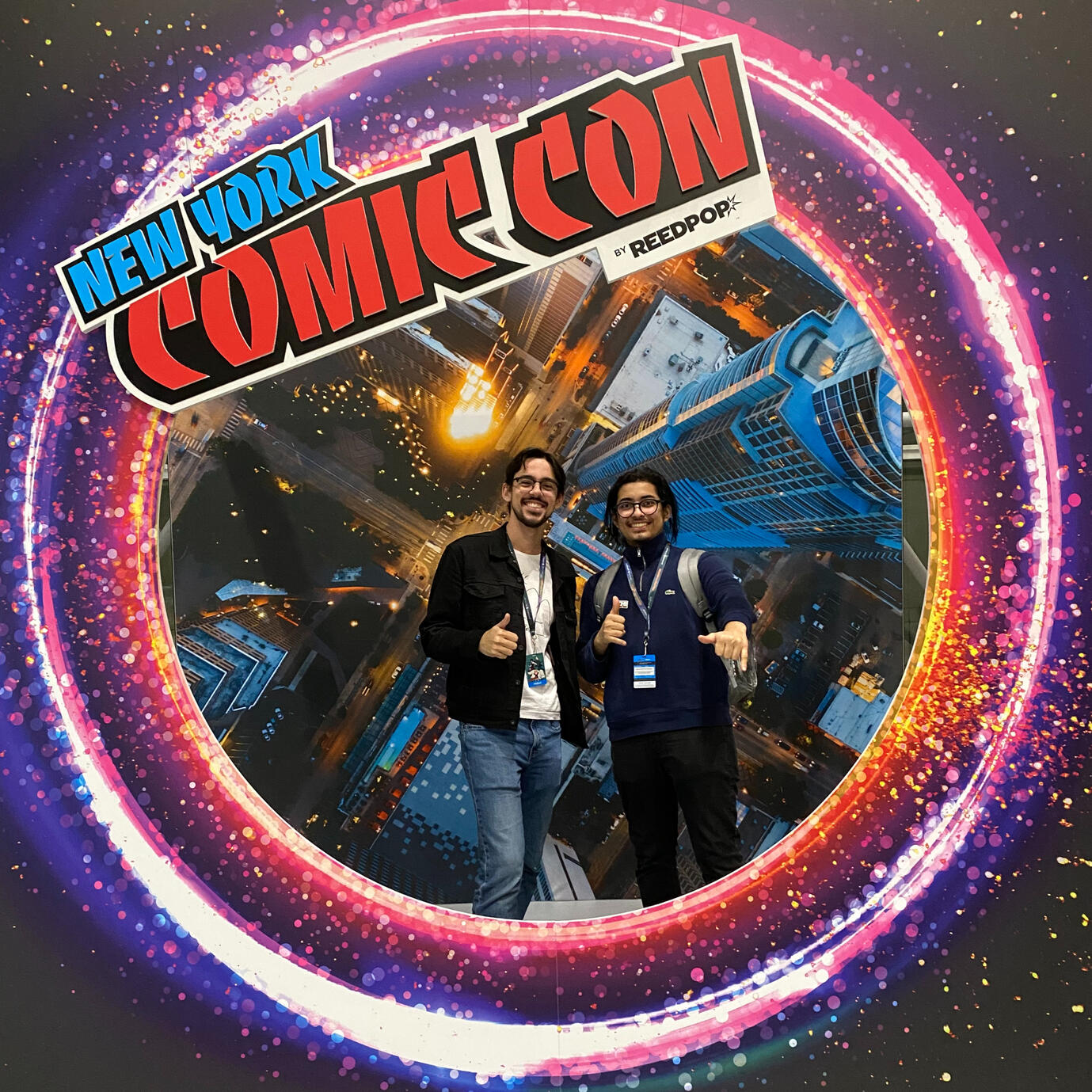
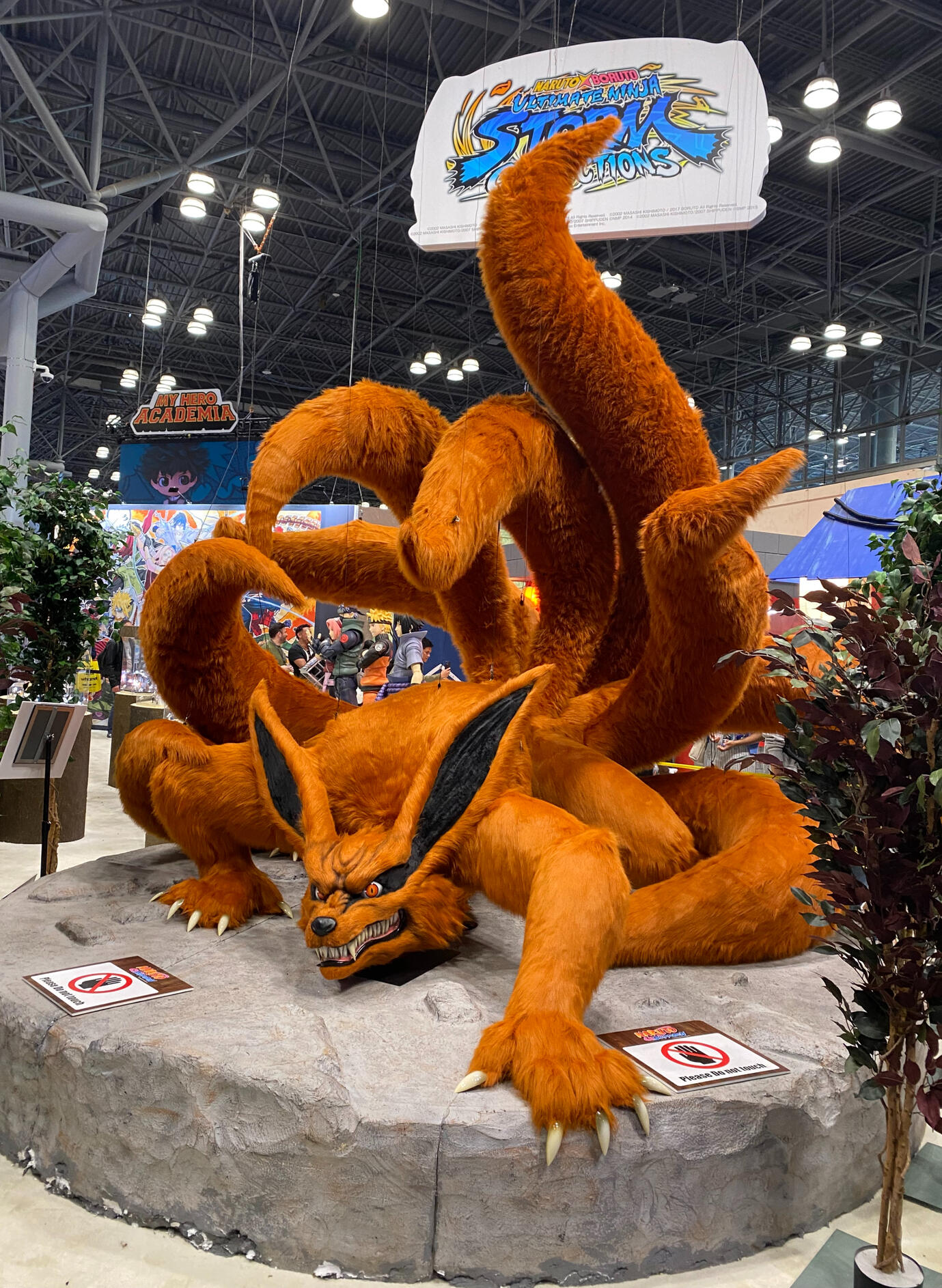
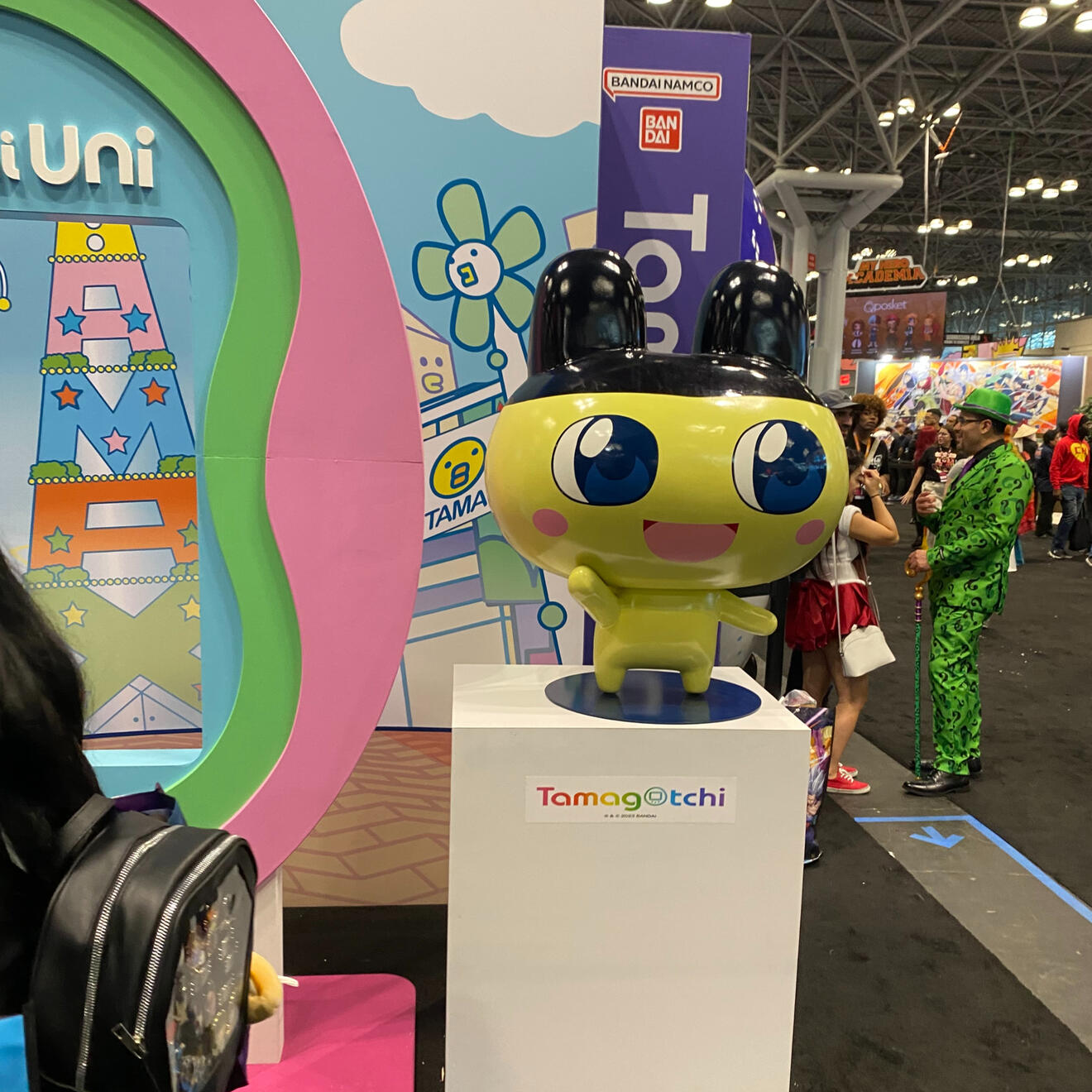
On October 13th, 2023. I met my Marista school brother at the NYC Comic Con. I got to explore around and meet awesome celebrities. We ended the evening with a fanstatic class of Majong provided by some pro players at the conference.
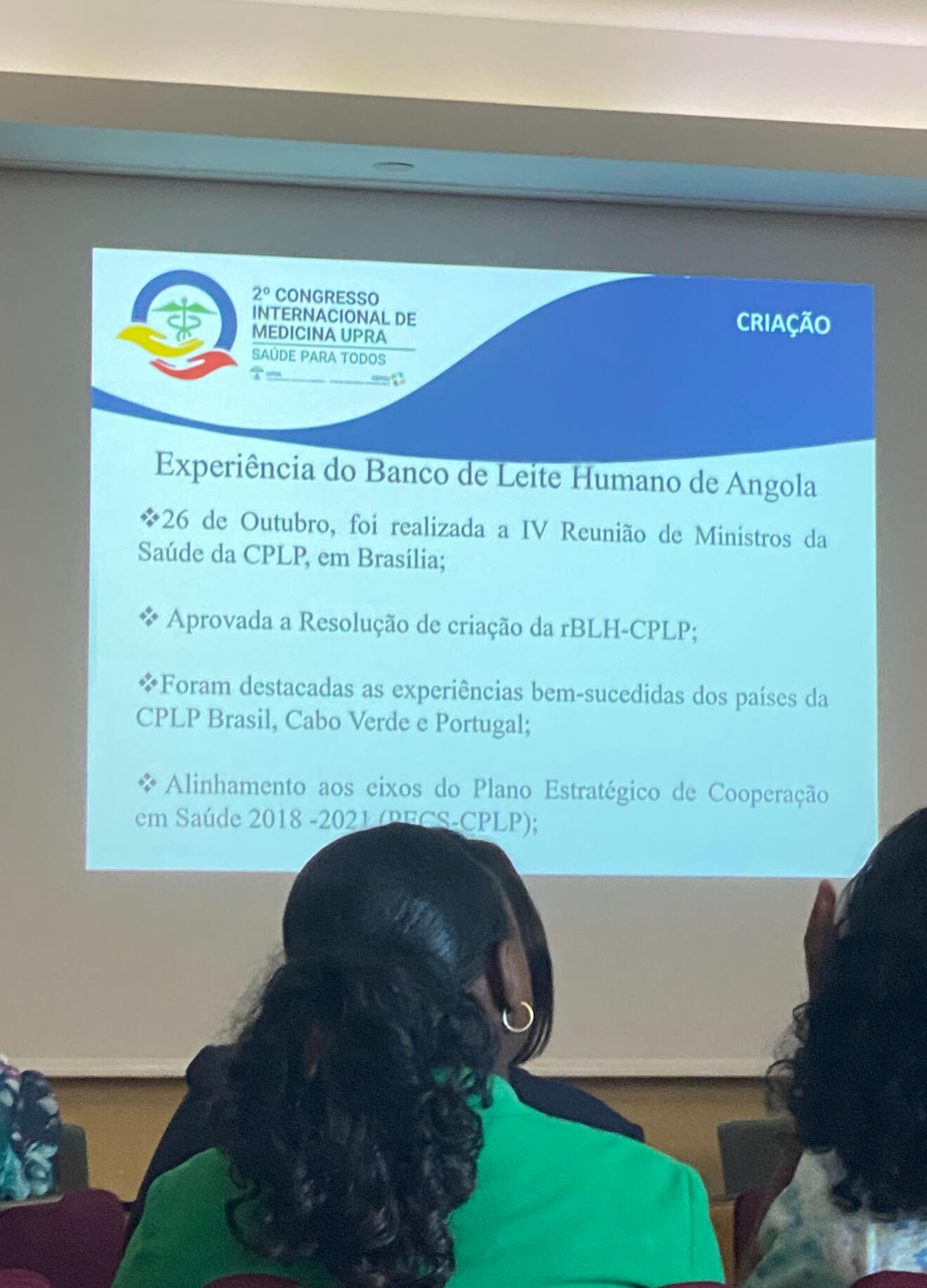
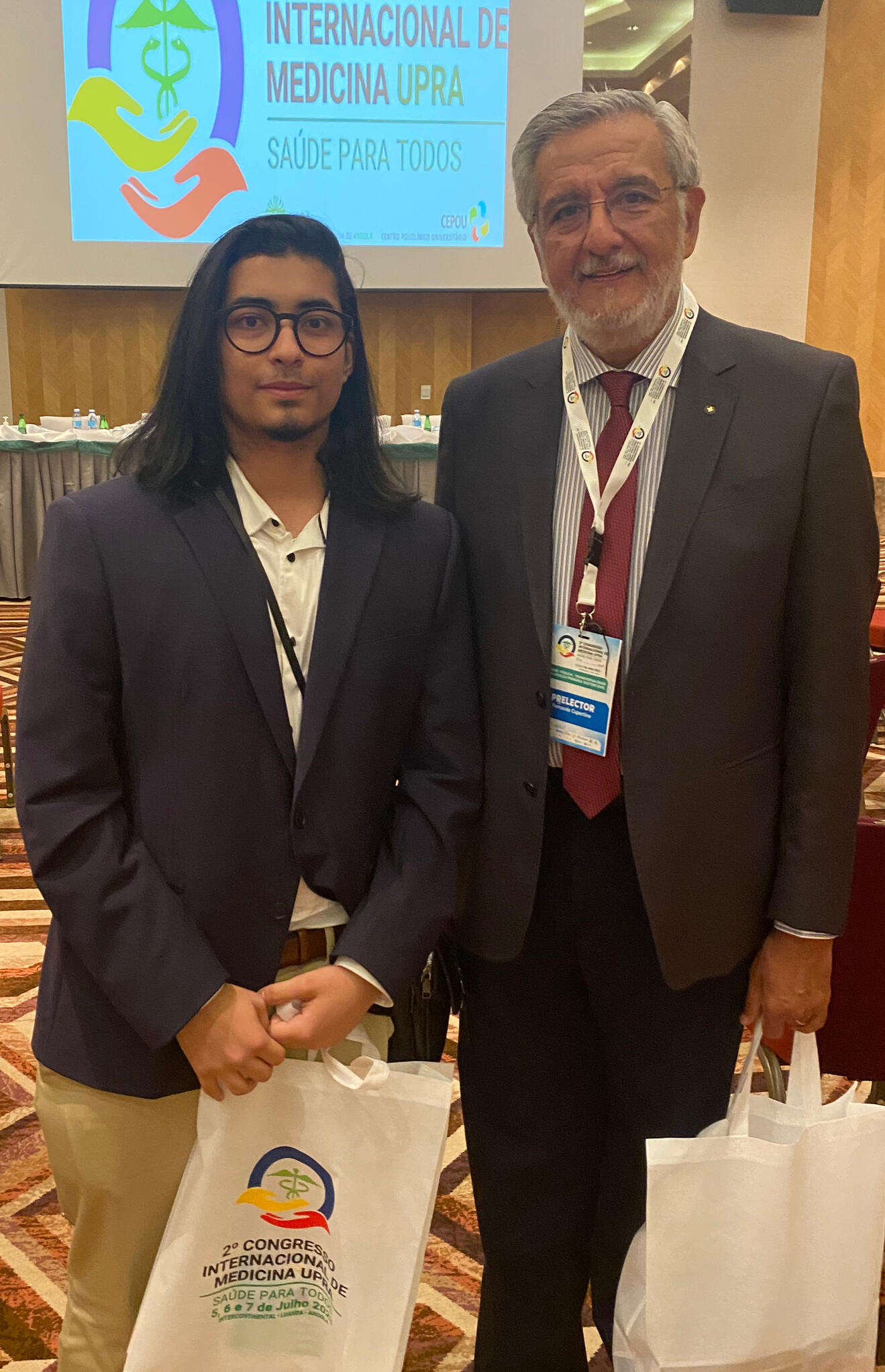
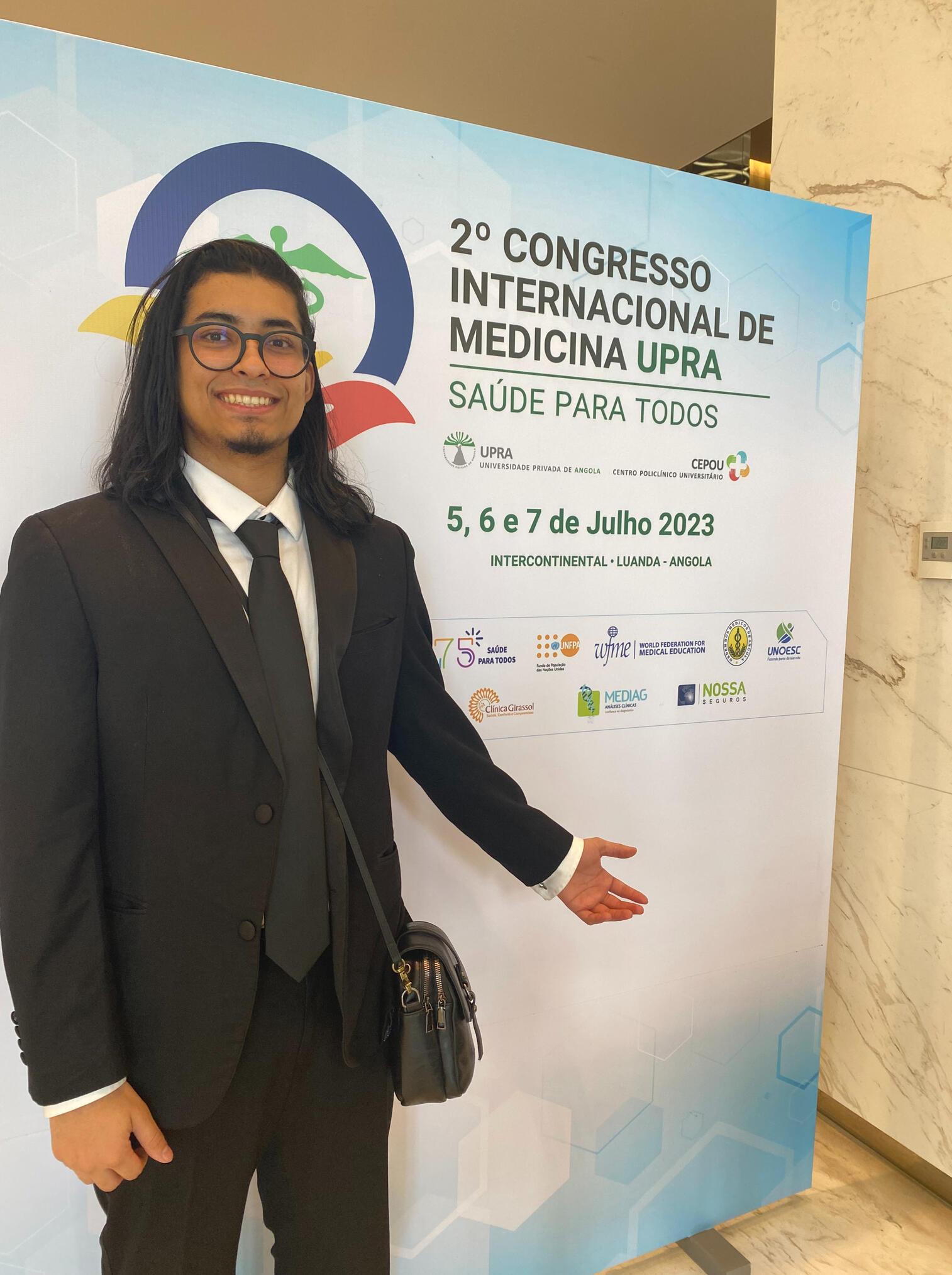
What an incredible experience at the Congresso Internacional de Medicina hosted by UPRA university in Luanda. Made great friends and learned a lot from guest speakers. Jul 6th, 2023.
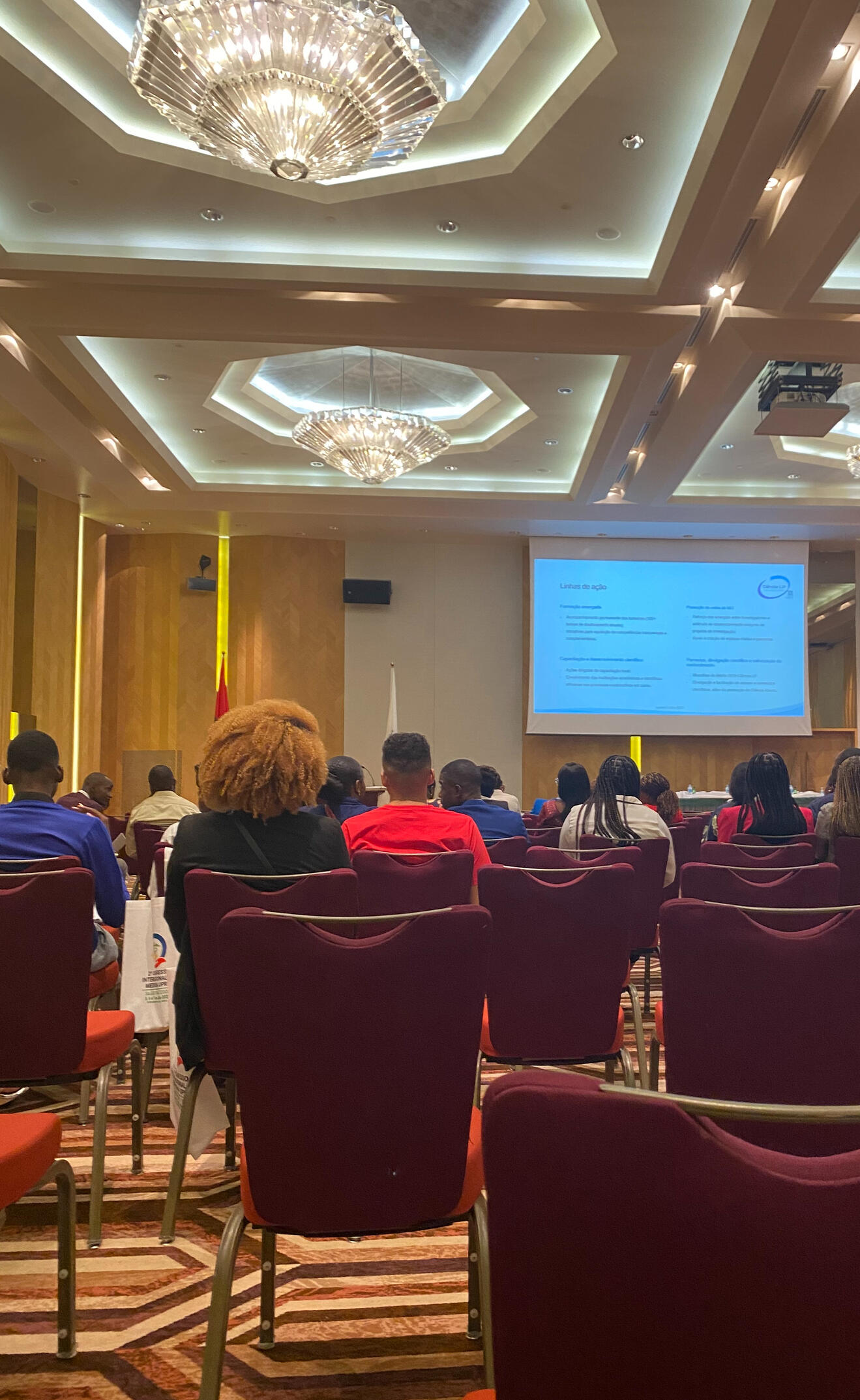
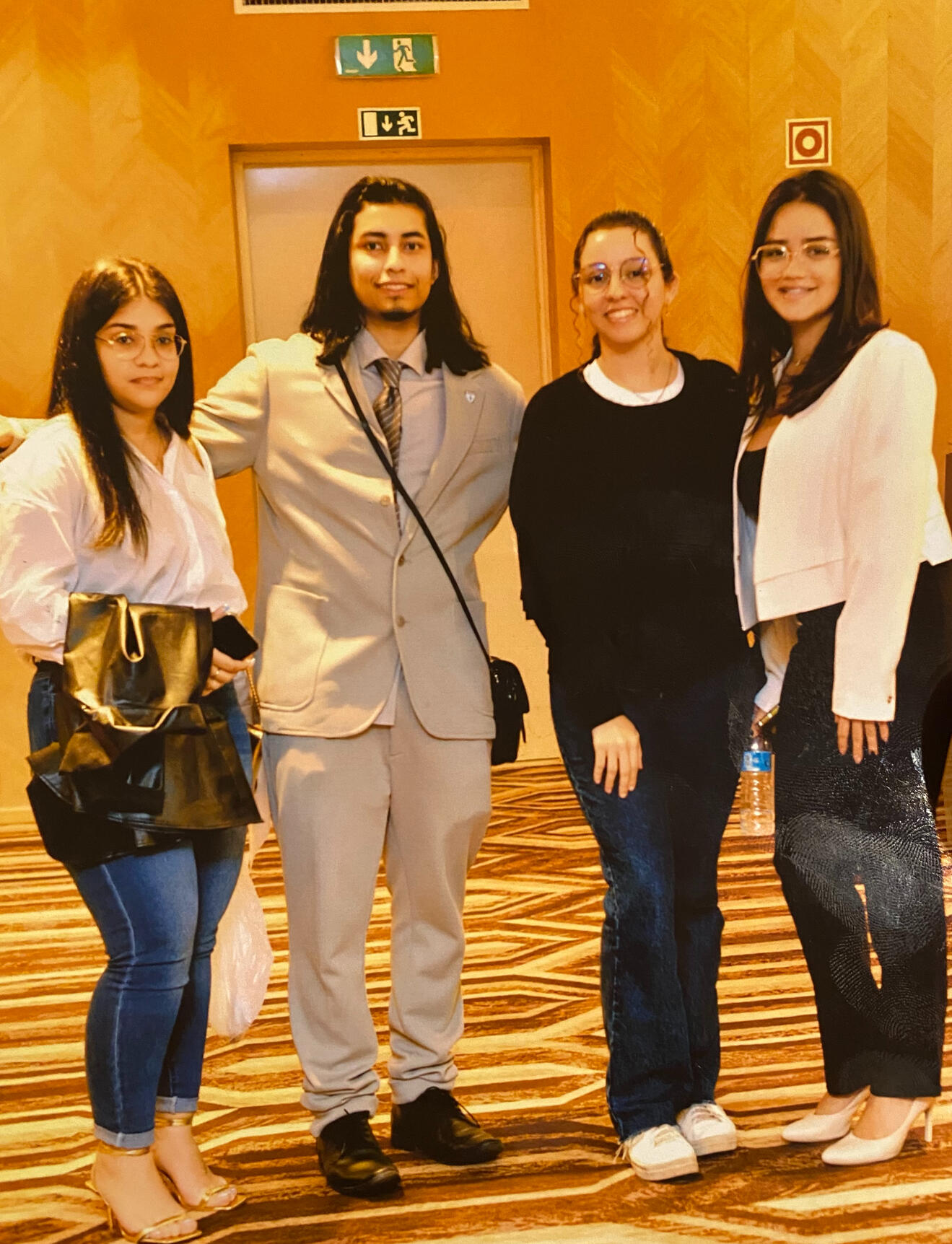
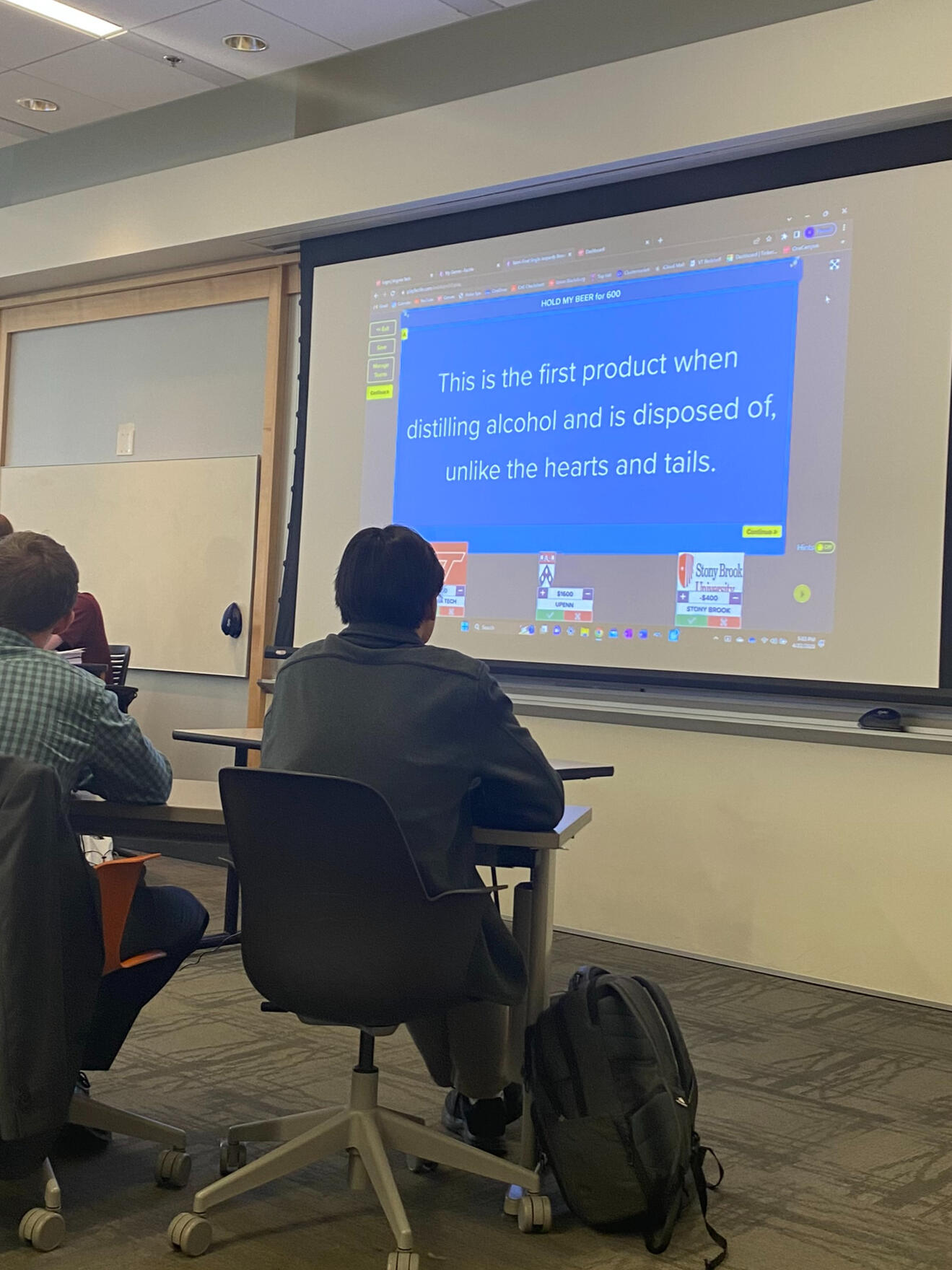
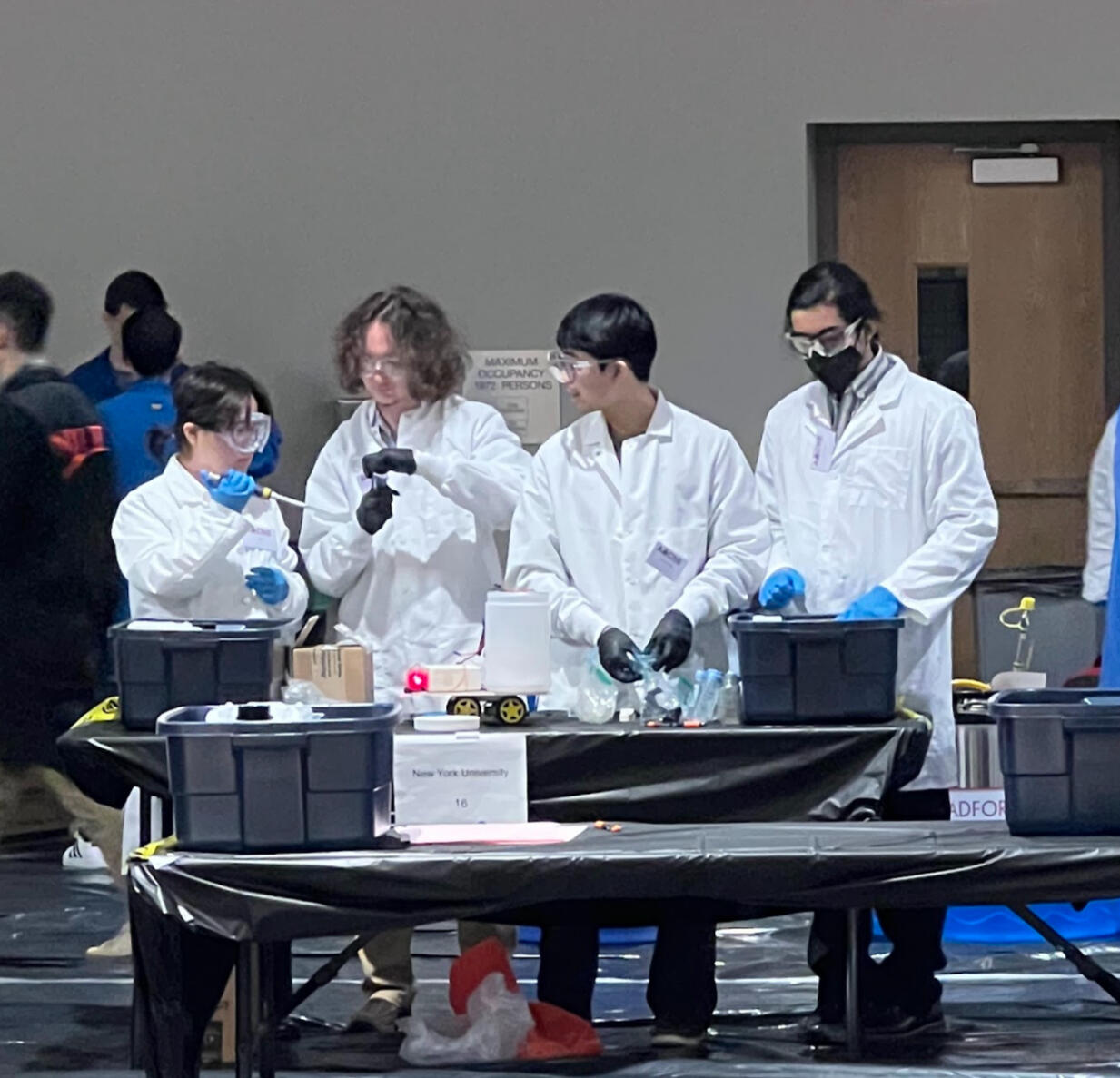
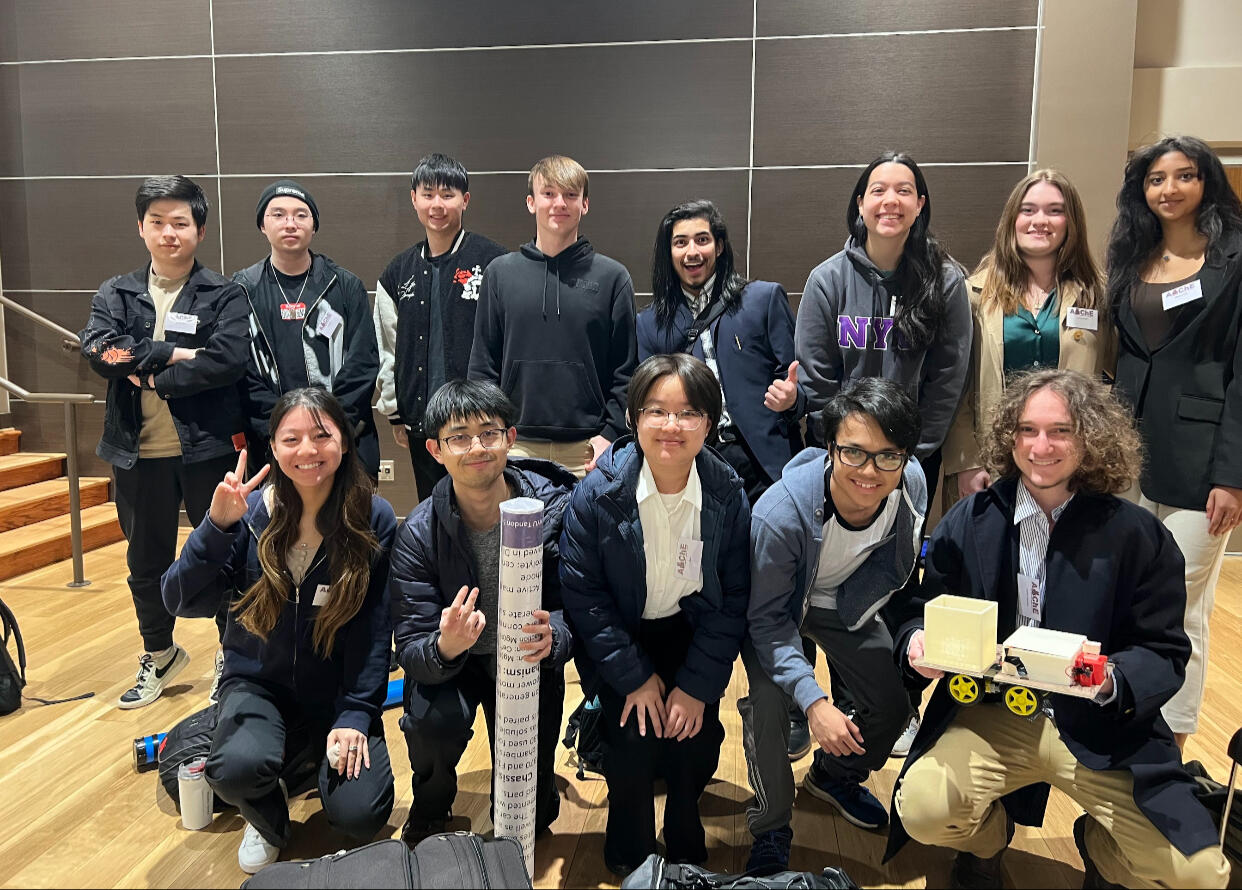
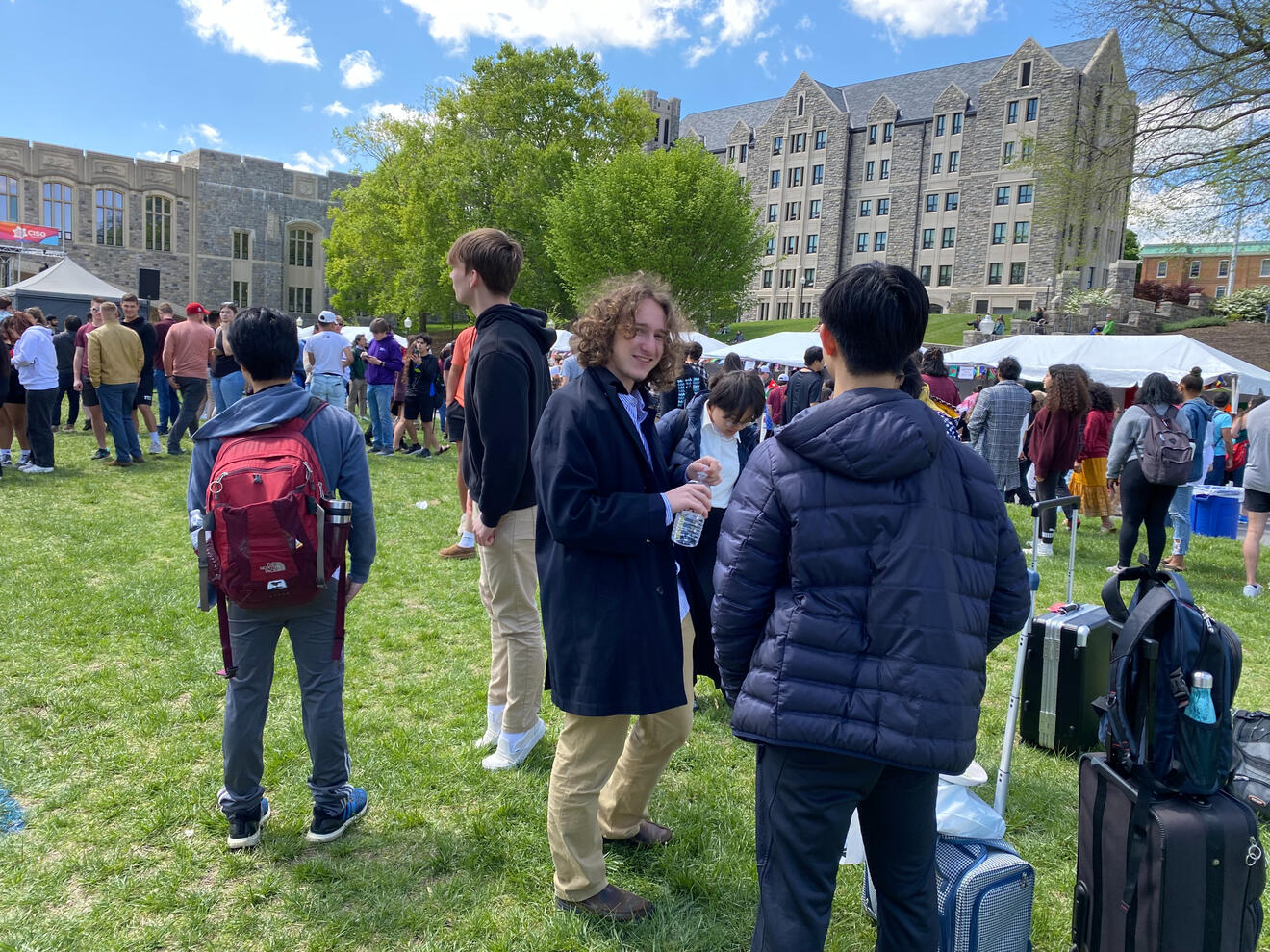
Explendid time at my First AICHE conference. On April 23rd, 2023 I had the opportunity to travel along with the NYU CHEM-E-CAR & NYU AICHE Chapter to Virginia Tech where we competed at the Chem E Car Competition.
INTERSHIPS
UNIVERSITY
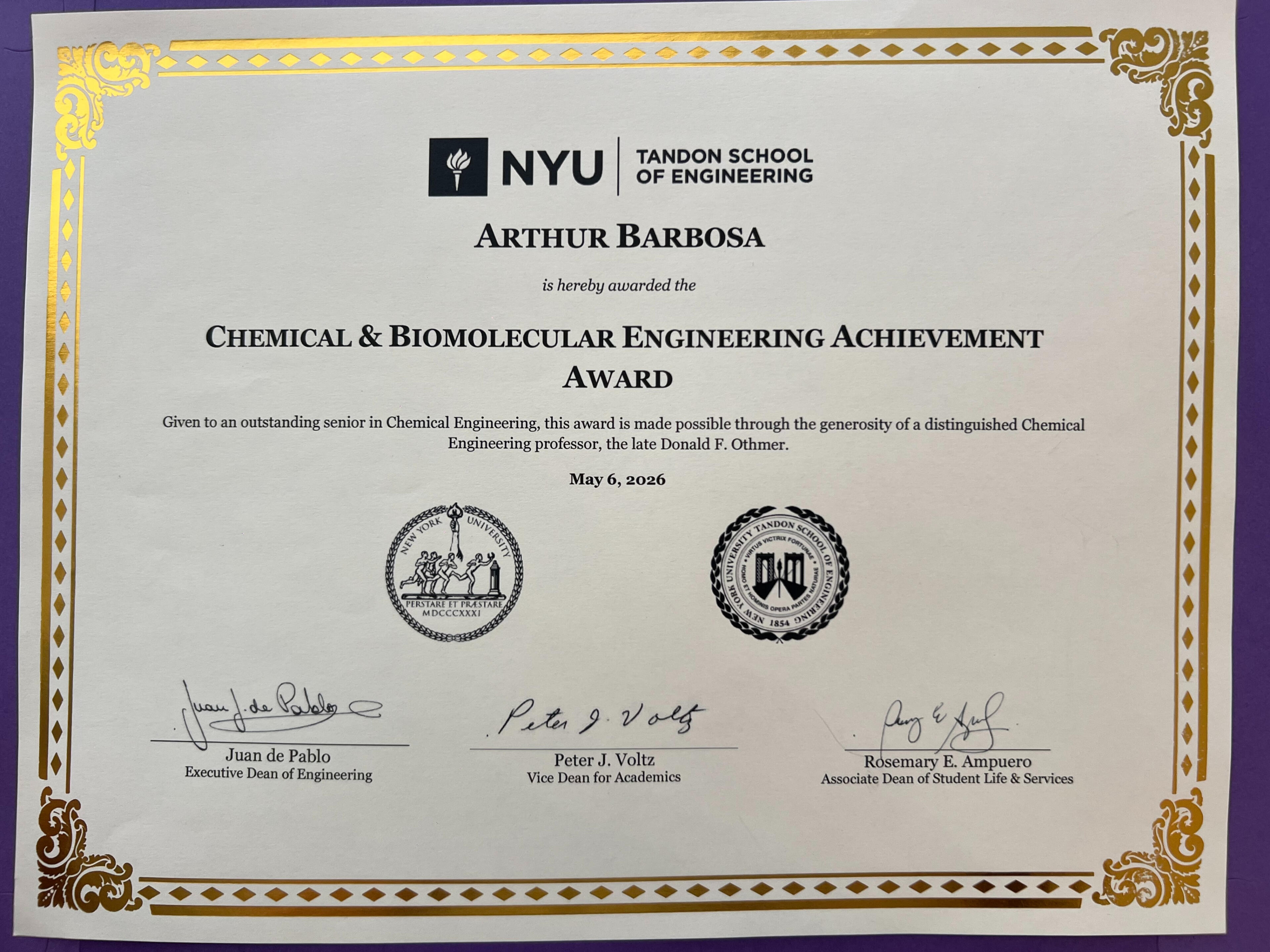
OUTSTANDING STUDENT CERTIFICATE:
HIGH SCHOOL
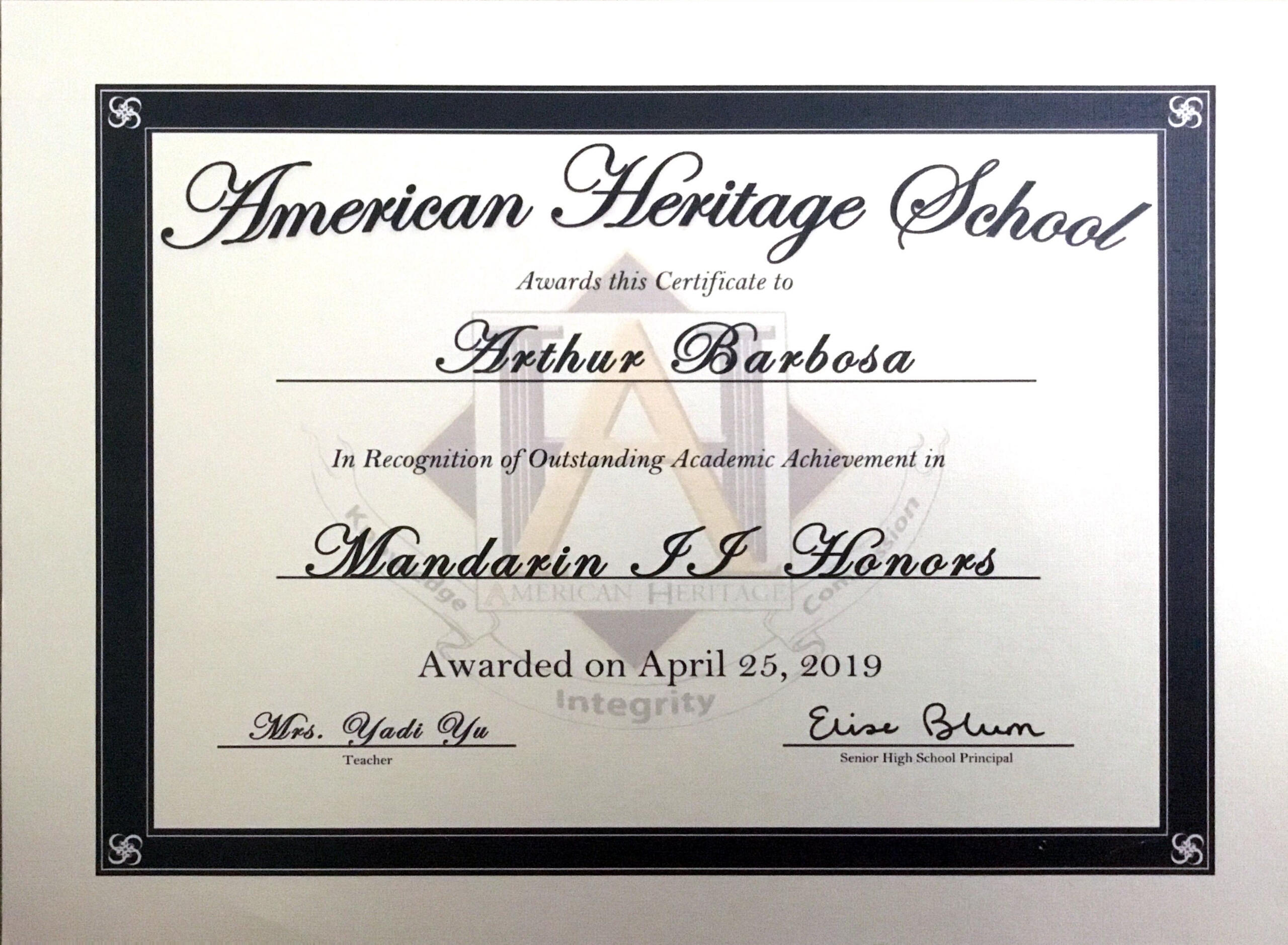
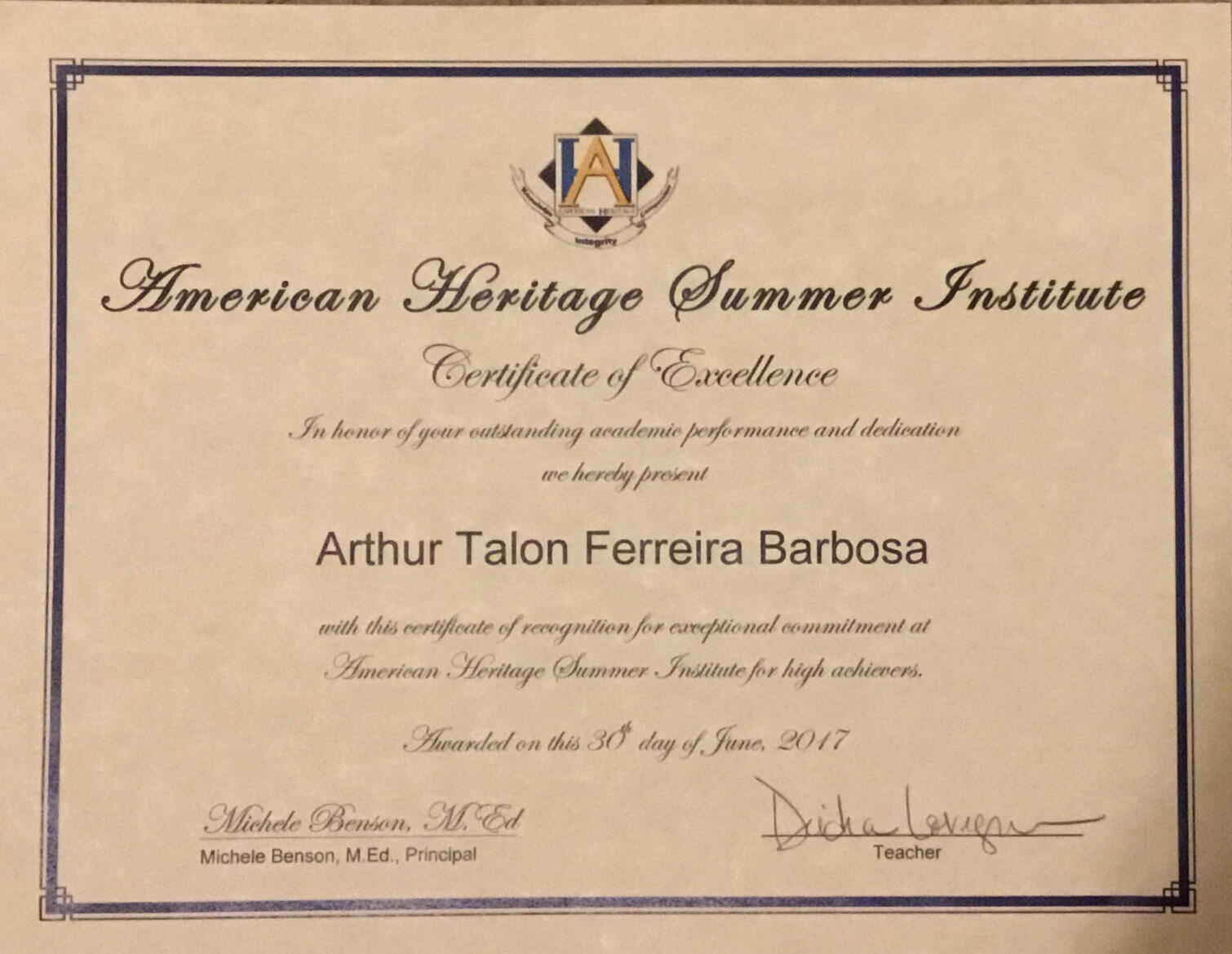
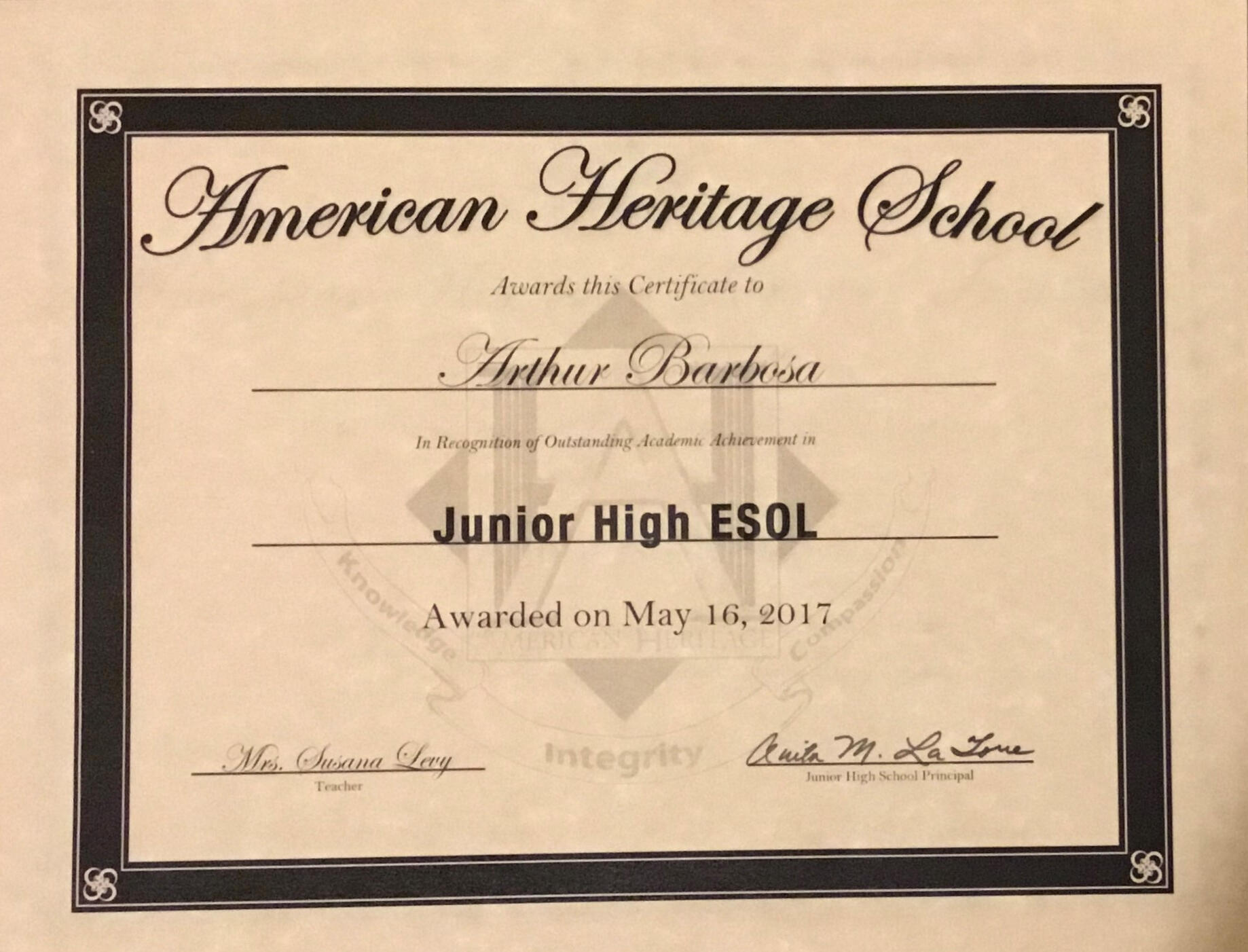
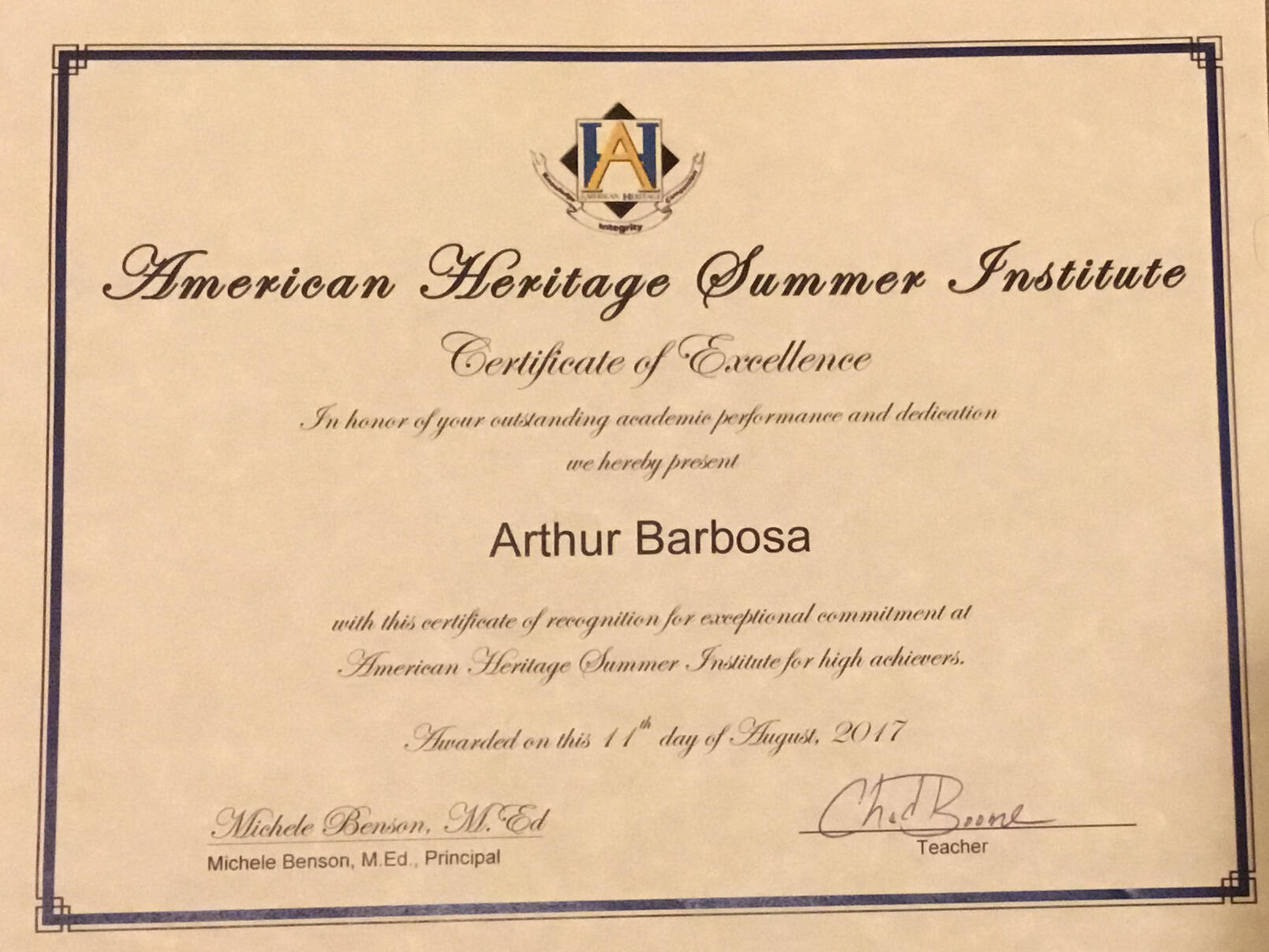
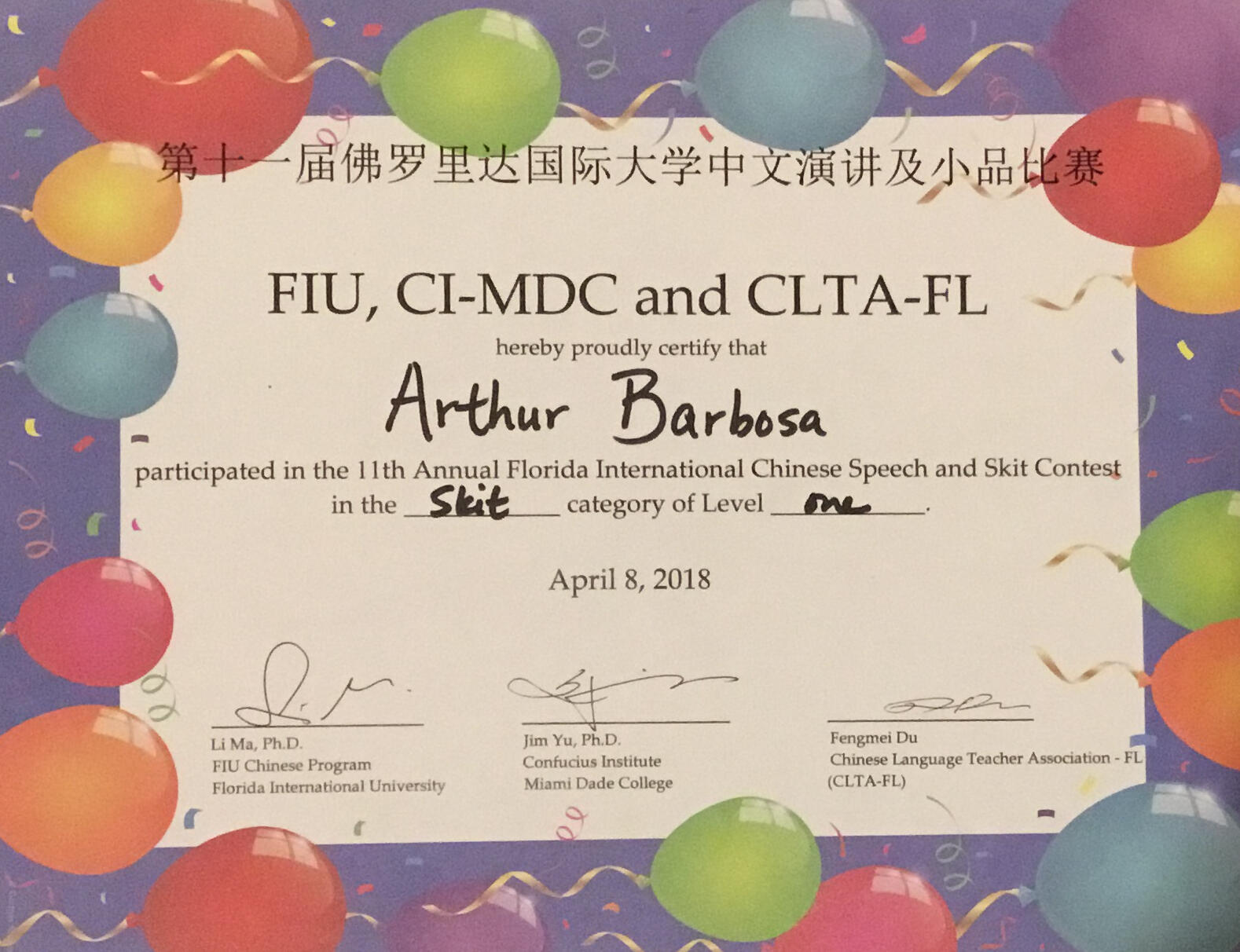
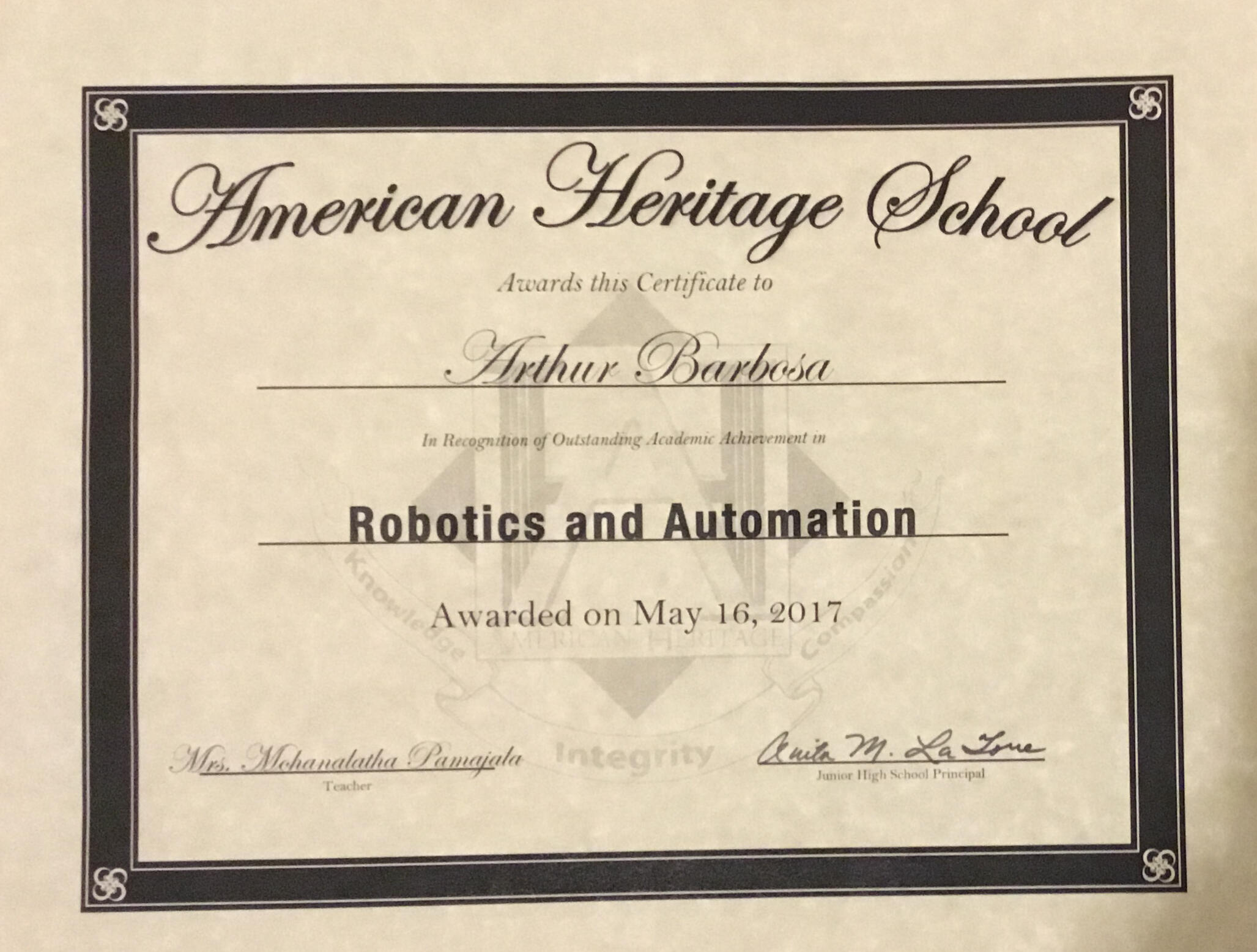
OUTSTANDING ACADEMIC PERFORMANCE CERTIFICATES:
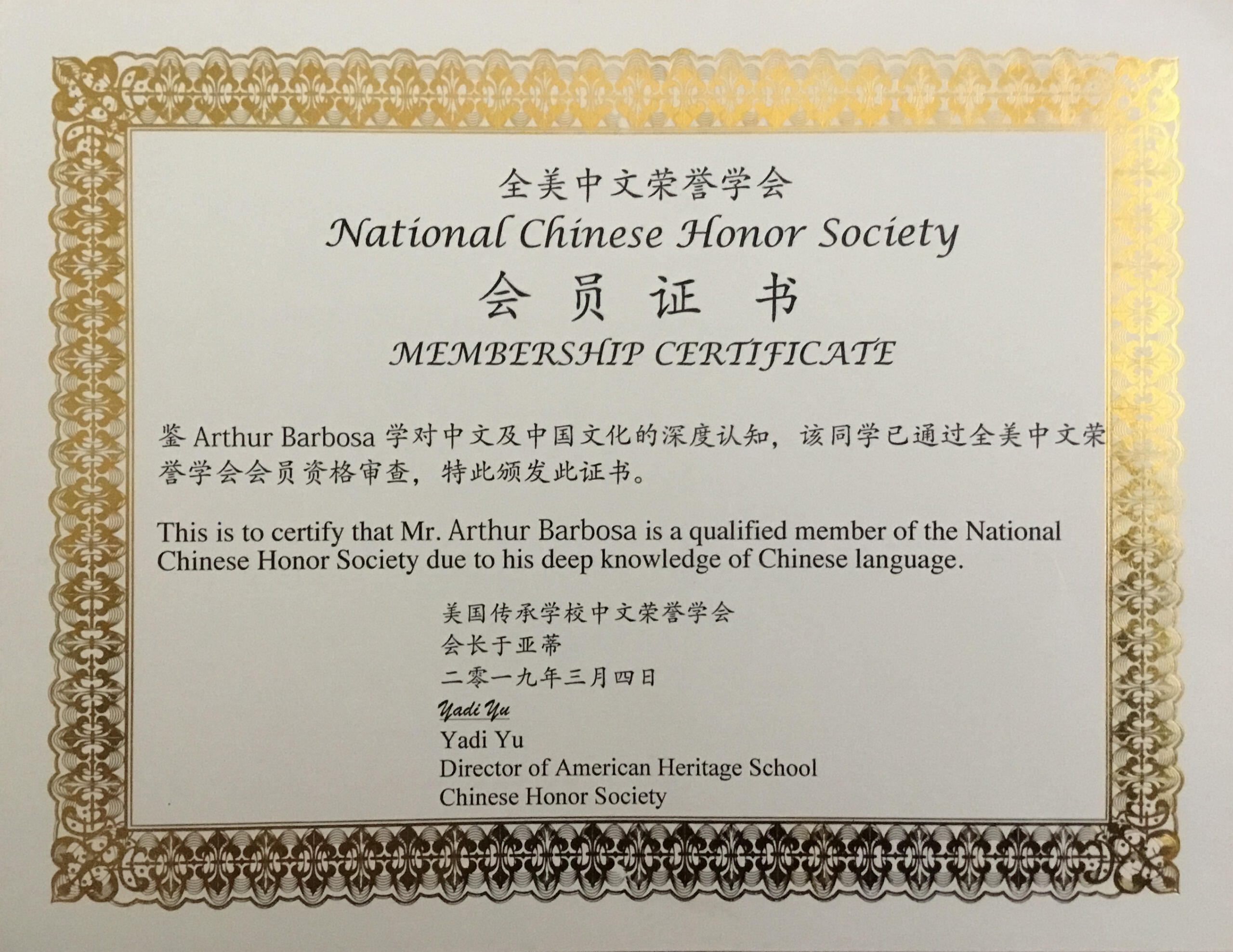
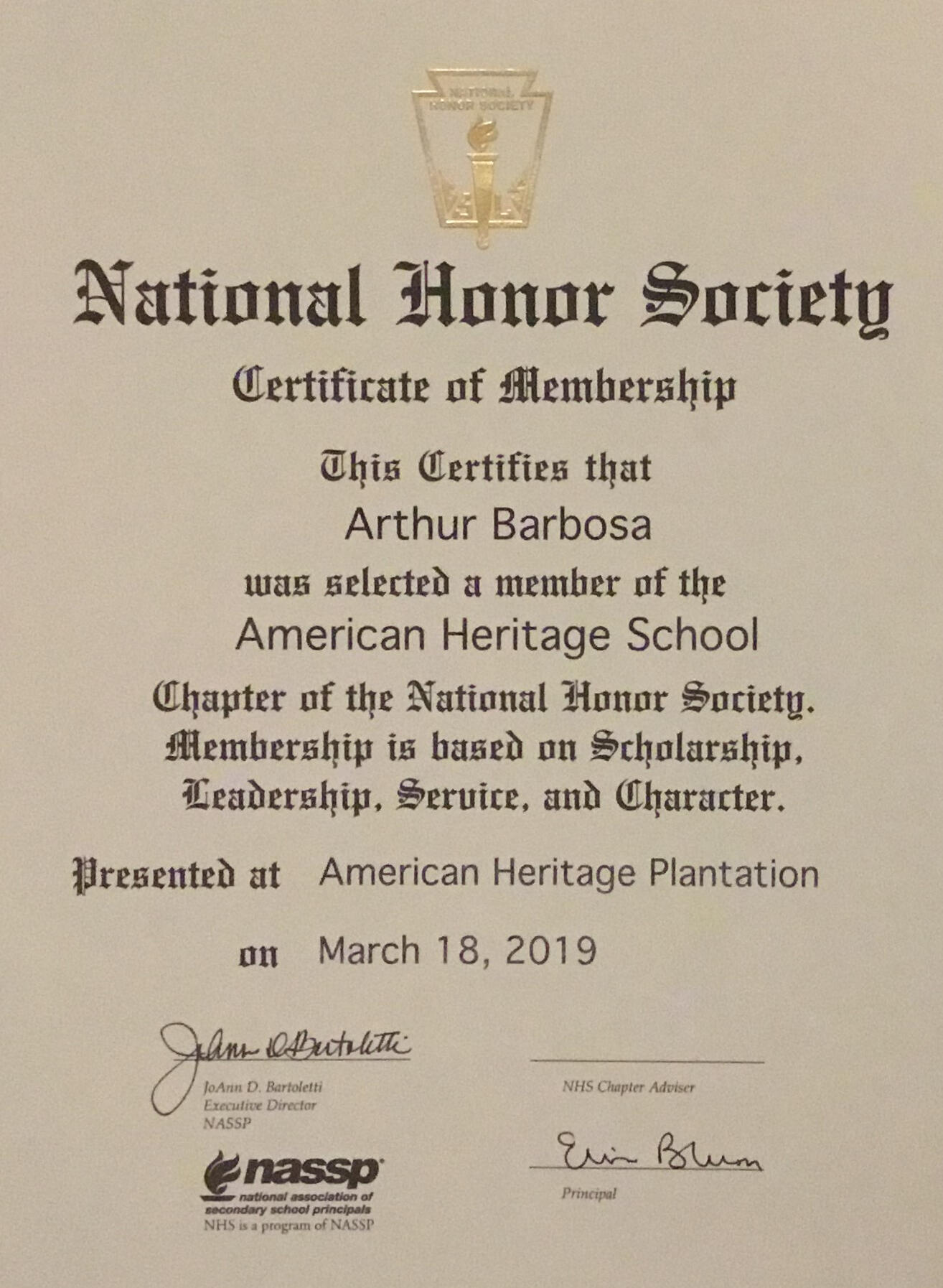
MEMBERSHIP OF HONORARY SOCIETIES:
IN SCHOOL AWARDS:
COMPETITION AWARDS:
STEM
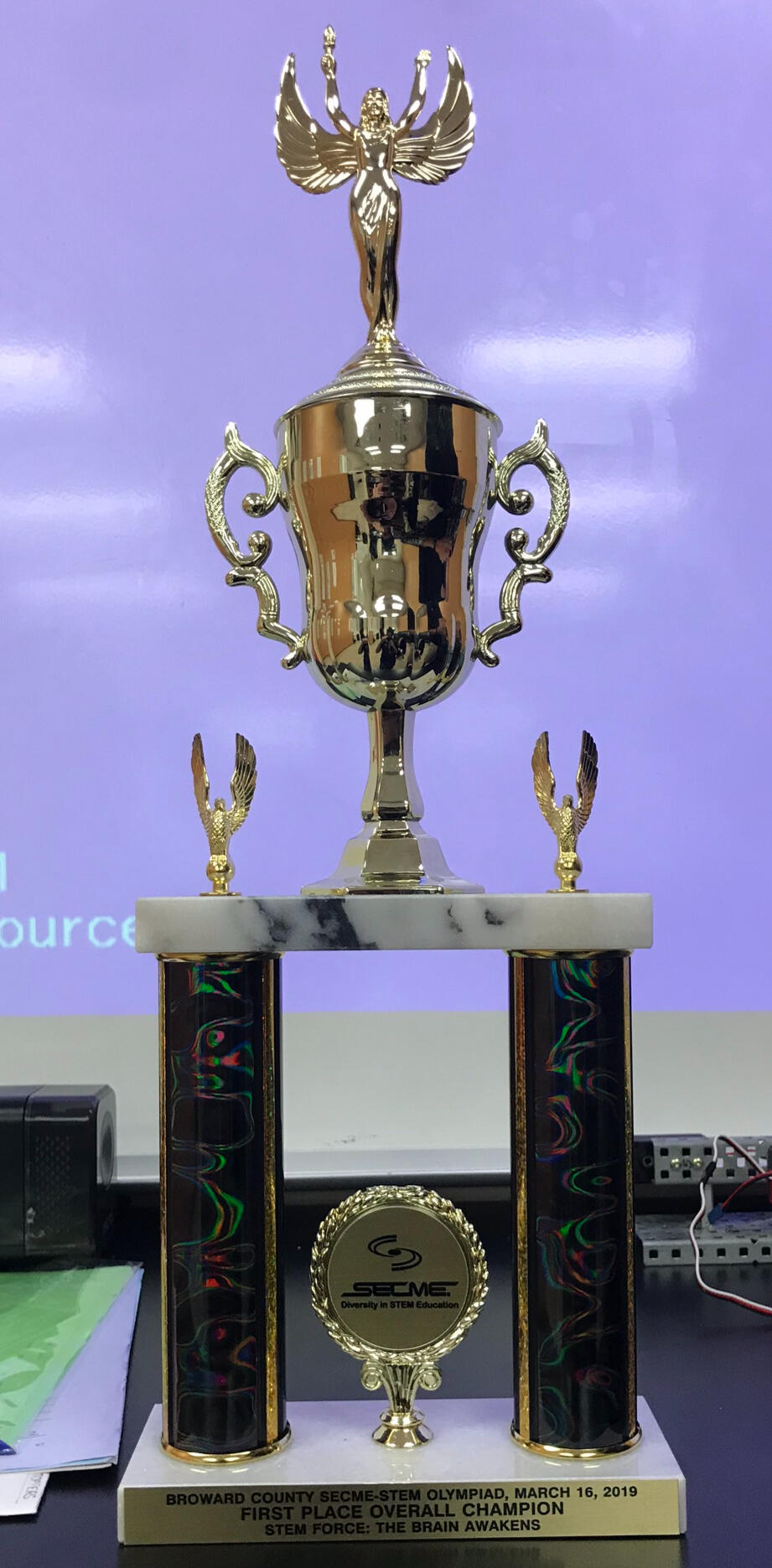
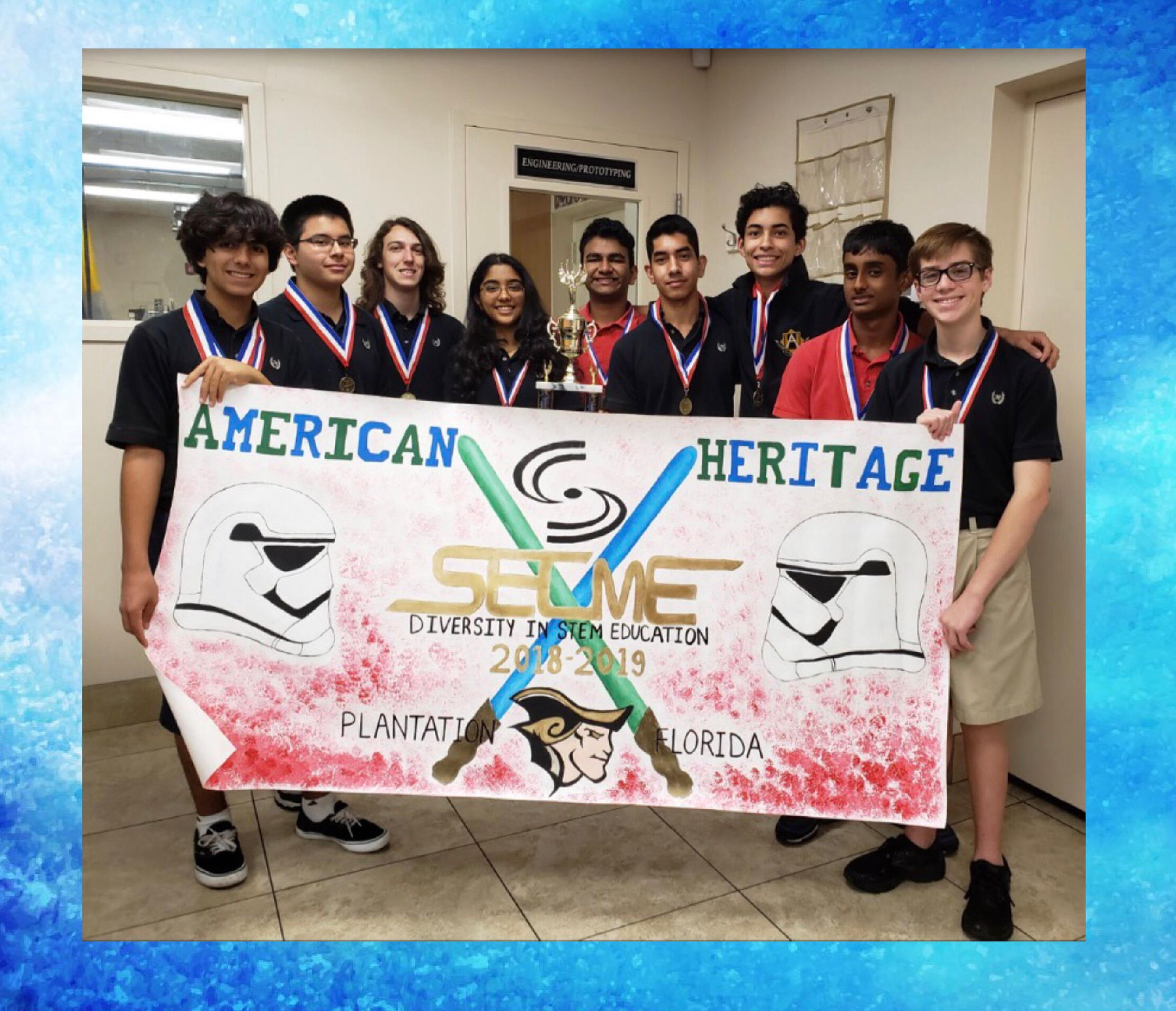
Multiple Award Winner in SECME competitions. 5-year consecutive wins on magnetic generator competitions hosted by FPL. AASHTO qualifier and 1st place county winner on TRAC Bridge Challenge. 3rd place Vex Robotics, Qualified for nationals. President of AHS's STEM club. Mentored in Water bottle rocket, bionic hand, mouse trap cars, Coding, and CO2 car tank competitions. Lead the organization to be placed 2 times 1st place in overall competitions.
Reference Courses Taken:CHEMISTRY:
- Earth Science
- Physical Science
- General Chemistry
- Organic Chemistry
- Analysis of Chemical Processes & Material Balances
- Polymeric Materials
- Physical Chemistry
- Biochemistry
- Separations
- Process Dynamics and Control
- Chemical Process DesignMATH:
- Algebra 1,2
- Linear Algebra & Differential Equations
- Geometry
- PreCalculus
- Calculus 1,2,3
- StatisticsPHYSICS:
- Intro to Mechanics- Mechanics
- Electromagnetism & Fluids
- Thermodynamics for Chemistry
- Heat & Mass Transport
- Fluid Mechanics
- Waves Optics & ThermodynamicsENGINEERING:
- {PLTW} Introduction to Engineering & Desing
- {PLTW} Principles of Engineering
- {PLTW} Digital Electronics
- {NYU} Introduction to Engineering & Design
- General Chemistry for Engineers
- Separations
- Kinetics & Reaction Design
- Biochemical EngineeringBIOLOGY:
- Cell and Molecular Biology
- Physiology
- Anatomy
- VirologyLANGUAGES:
- Creative Writing
- Writing and Composition Intensive
- Writing Seminar
- Advanced College EssayCODING:
- Robotics and Automation
- Computer Science Principles
- Computer Science Essentials
- Intro to Robotics
- Chemical Engineering ComputationSOCIAL SCIENCES:
- Psychology
- Sociology
- Philosophy
- Macro Economics
- Art History I & II /play director/
- World History, Government & GeographySOFTWARE TOOLS I USE:
Writing & Presenting: [GSuite, Microsoft Office, NoodleTools, Overleaf, Zoro, Grammarly, Prezi]
Coding IDEs: [Anaconda Suite, PyCharms, VStudio, Spyder, Xcode, Jupiter Notebook Qt Console, Arduino, Robot C, VEXcode, Powershell]
Editing: [Adobe Illustrator, Adobe Photoshop, GIMP, DaVinci Resolve, Xcut, Audacity, OBS]
Networking: [CISCO Networks, WireShark]
PC Design: [EDGE, KiCad, Altium, EasyEDA, Cadence Allegro]
Data Analysis: [MATLAB, Graphana, Vernier Graphical Analysis, Vernier Graphical Analysis GW, Video Physics, LoggerPro, Phoenix Tuner, Ansys]
Modeling: [Revit, AutoCAD, OnShape, Inventor, Fusion360, Rhino, SolidWorks]
Animating: [Blender, Maya, Unity]
Operating Systems: [Windows, Linux, MacOS, IOS, Ubuntu, Android]
Plant Design: [Aspen, Pipeflow]HACKTHONS:
- Dibner Hackathon 2025
- Amazonia Hackathon (Nord Semiconductor)
- BioHack NYC 24
- Covid IBM Hackathon
SLIDES
Most Slides are under construction. Slides are not for commercial purposes. No copyright intended, educational purposes only, contact in case of complains information will be removed.
PERIODIC TABLE
Most Slides are under construction. Slides are not for commercial purposes. No copyright intended, educational purposes only, contact in case of complains.
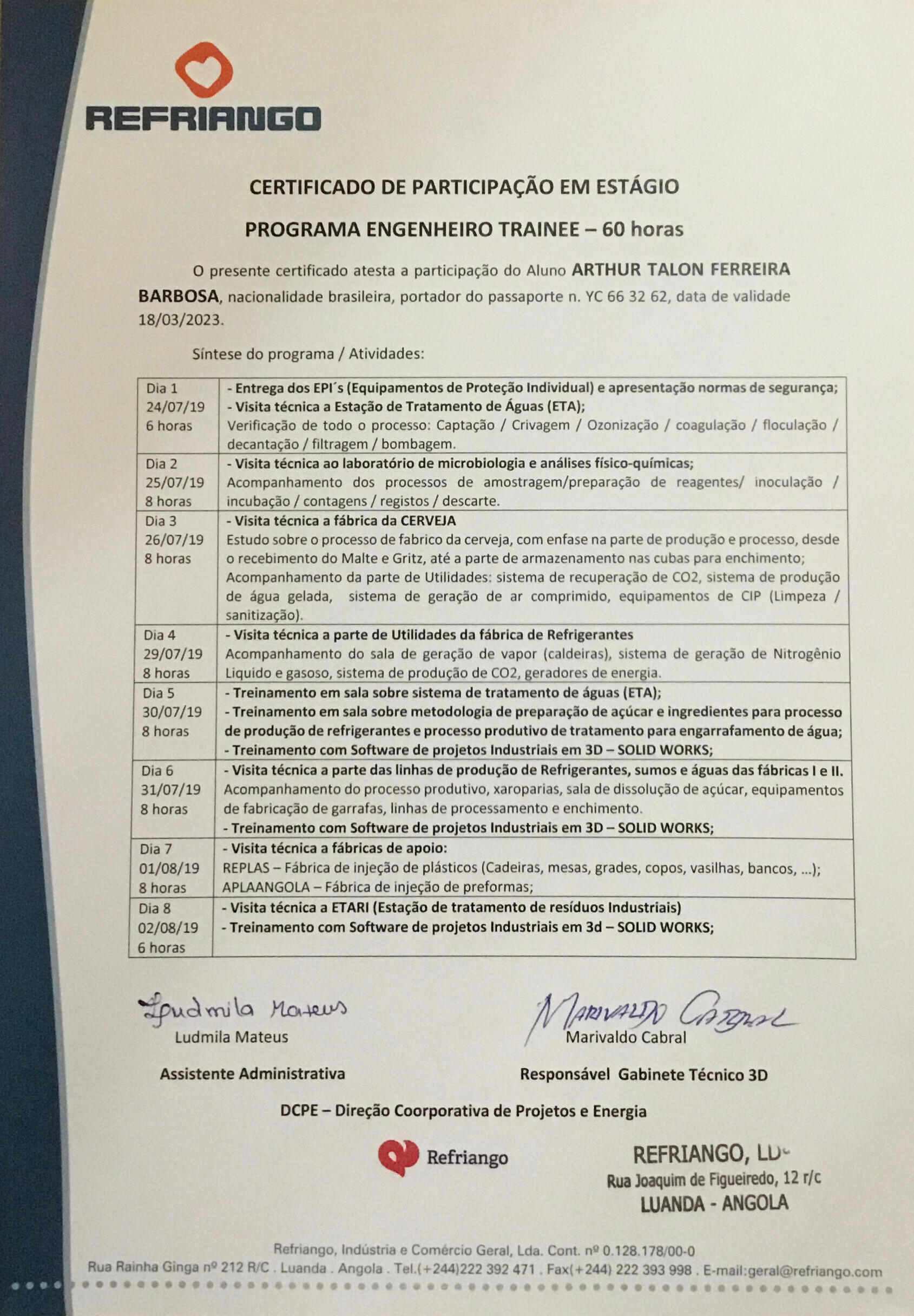
Intern Certificate at RefriAngo
Test the quality of beverage samples for production and input data into the company's system. Write reports about the manufacturing process of alcoholic drinks, water, and soda. Utilize Solid Works and AutoCAD for the understanding of efficient line of production arrangement.
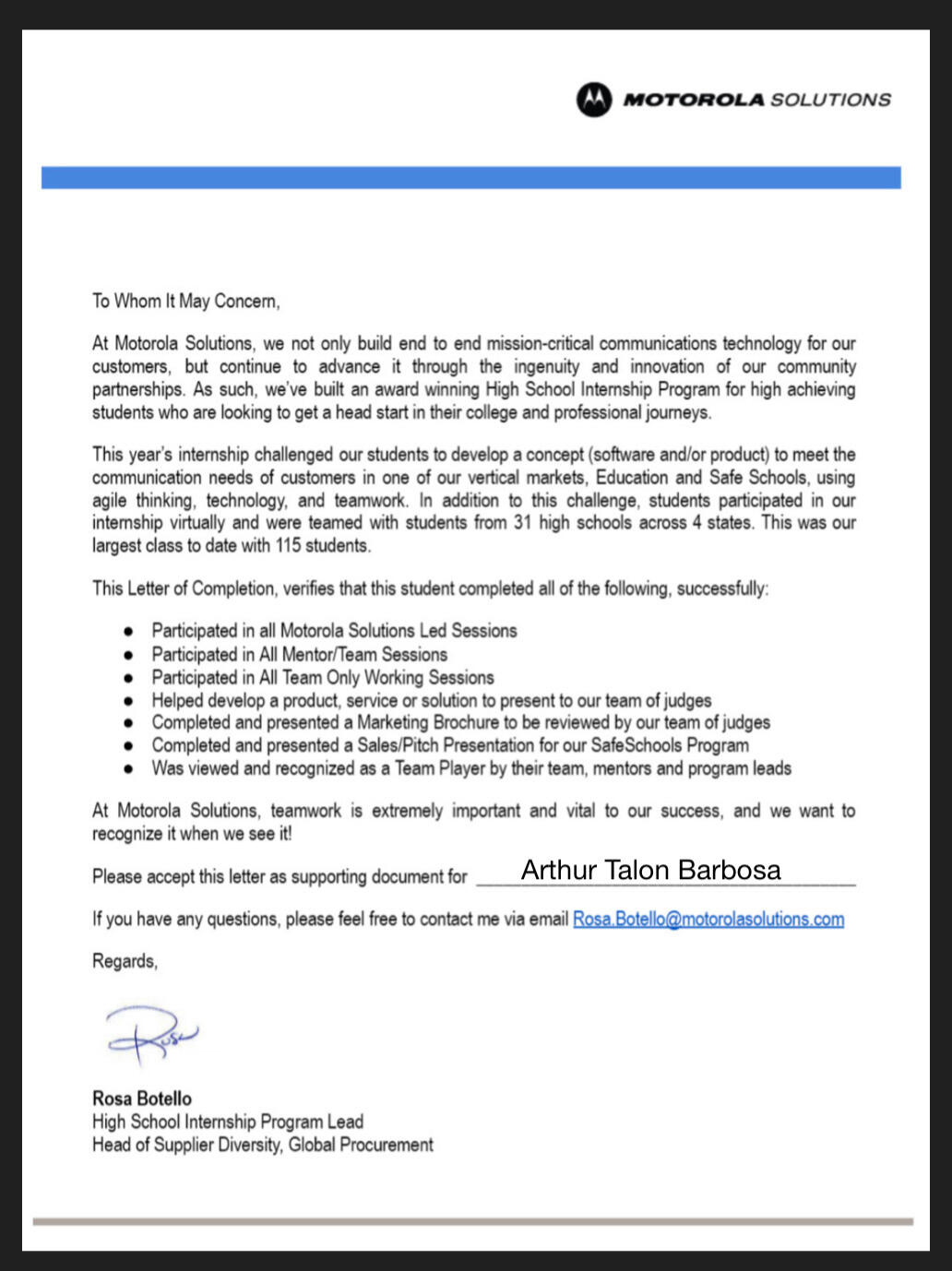
Intern Certificate at Motorola
Create a solution for school safety within Motorola resources. Show case product in final evaluation with financial plan to put into market. Team placed 2nd overall; more than 100 interns participated in the program. Team overperfomed MIT and Columbia University engineers.
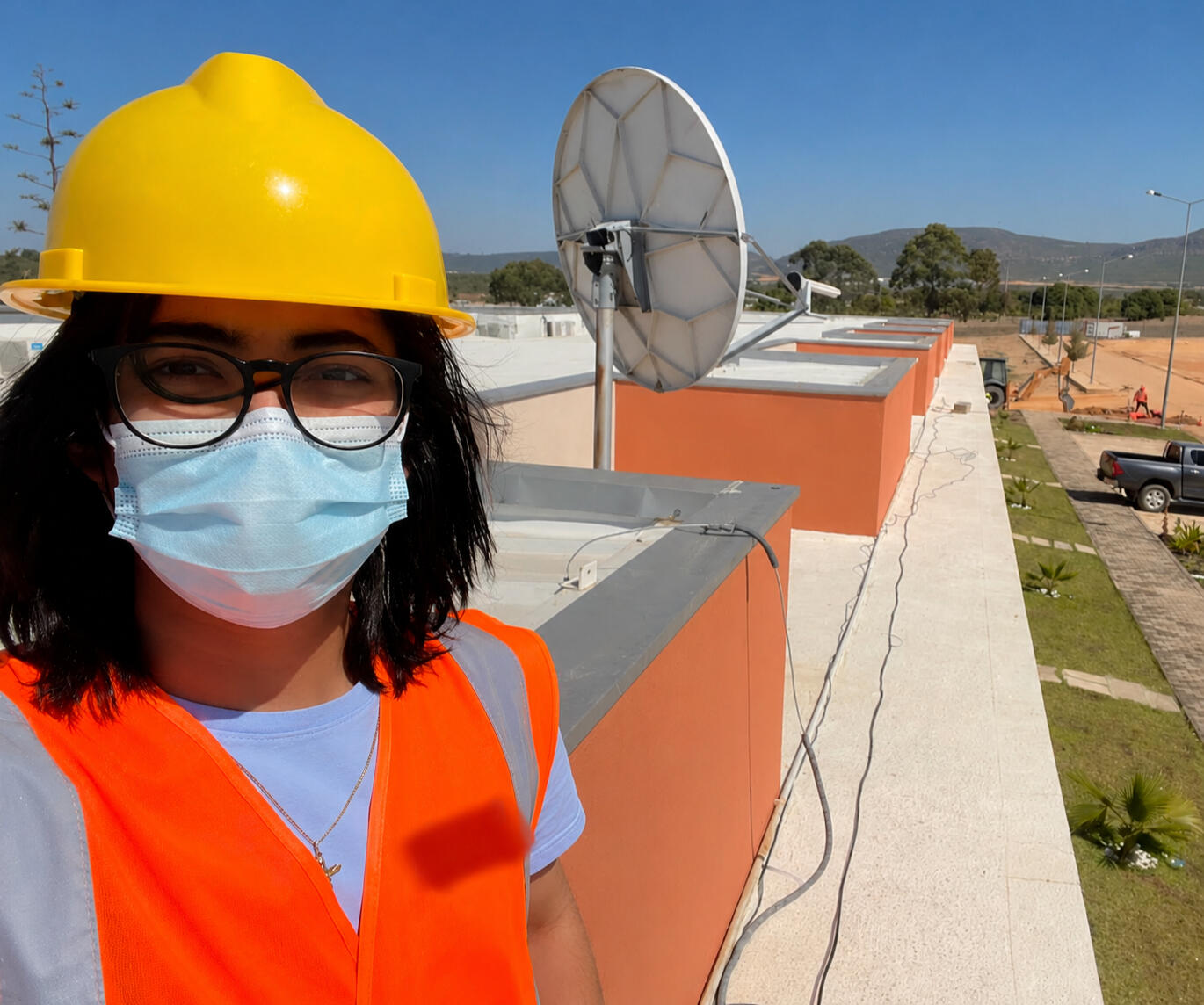
Intern at Imosul
General engineering intern. Install networks across the company's facilities, repair broken machinery, enhance company's safety system with the implementation of worker identification and geolocation management system. Negotiate with suppliers and creating financial records.
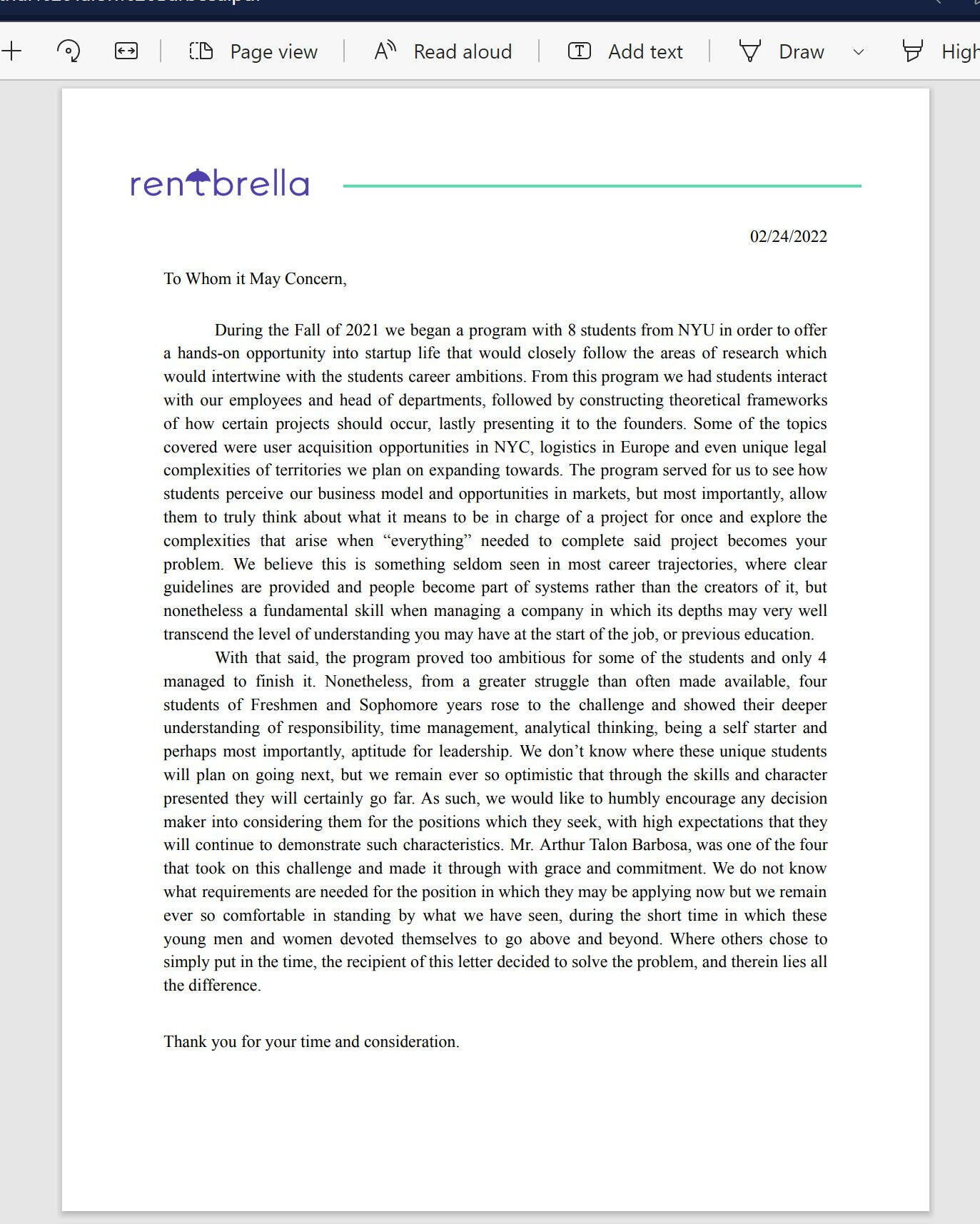
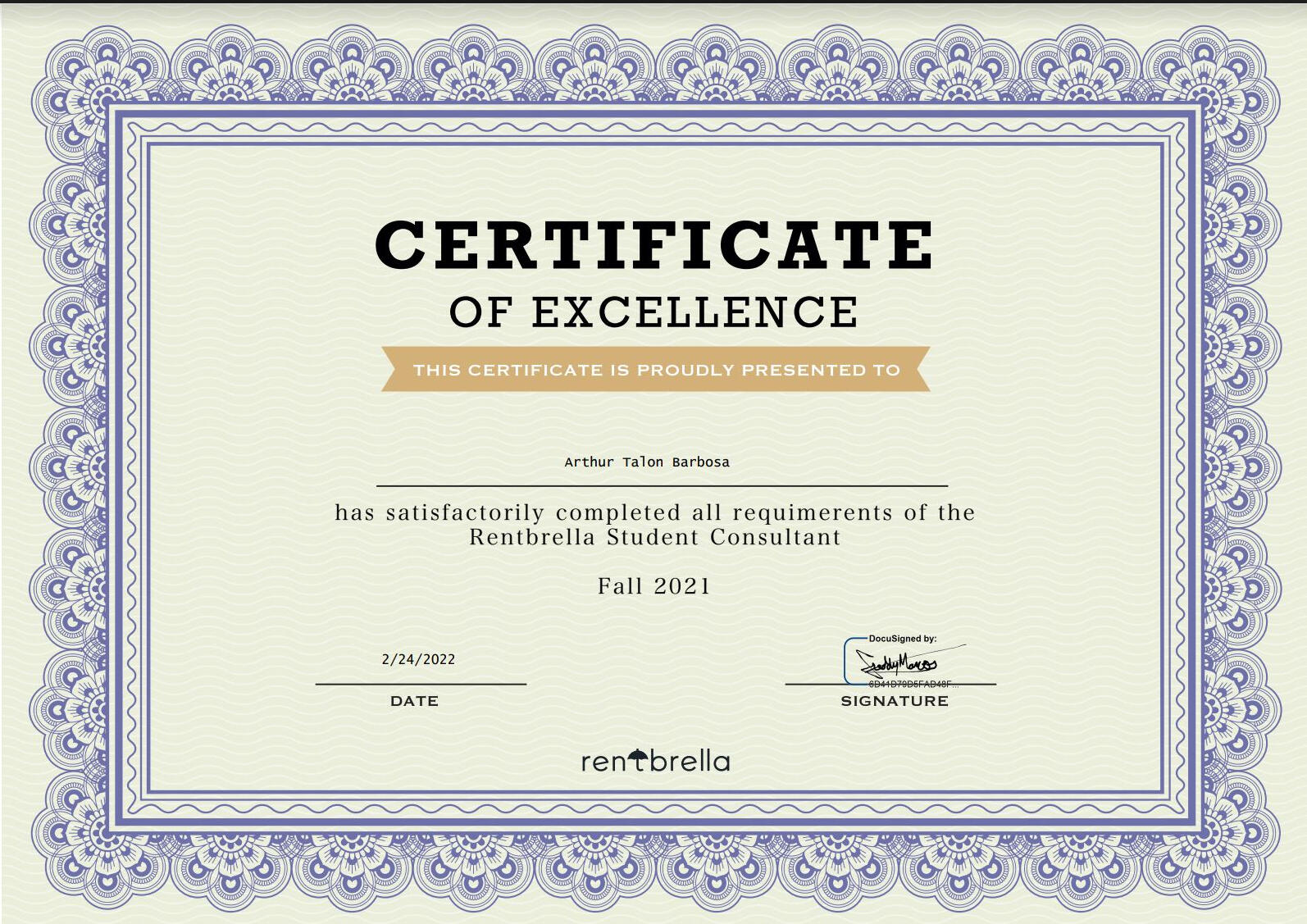
Intern Certificate at RentBrella
Build a strategy with the purpose of acquiring new customers to the company's application service. Speak with their marketing team and company representatives to understand their needs. Present solutions within their means.